Ely, a resilient yet struggling community on the western edge of Cardiff, continues to rank as the city’s most deprived ward. Year after year, statistics paint a stark picture of poverty that contrasts sharply with the capital’s growing prosperity. This persistent deprivation raises tough questions about systemic failures and untapped potential.
- Ely’s Historical Foundations
- Industrial Decline’s Lasting Shadow
- Deprivation Statistics in Focus
- Educational Barriers and Attainment Gaps
- Employment Challenges in a Changing Economy
- Housing Woes and Overcrowding
- Health Inequalities Exposed
- Crime, Riots, and Social Tensions
- Political Representation’s Paradox
- Regeneration Efforts and Shortfalls
- Demographic Shifts and Family Dynamics
- Community Resilience Amid Adversity
- Pathways to Break the Cycle
- Environmental Factors in Play
- Cultural Identity and Stigma
Ely’s Historical Foundations
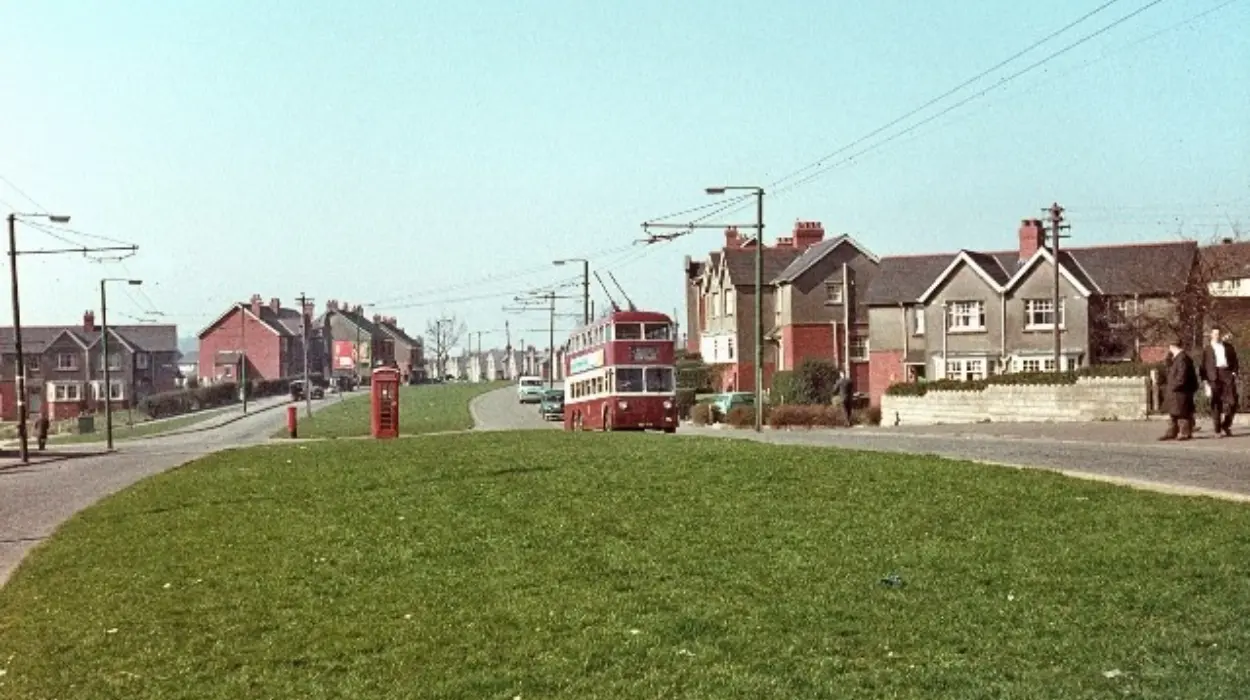
Ely’s story begins in the late 19th century as a working-class suburb born from Cardiff’s industrial boom. Originally farmland, it transformed rapidly with the arrival of steelworks and docks that fueled south Wales’ economy. Grand Edwardian terraces and interwar council housing sprang up to accommodate millworkers and their families, creating a tight-knit community spirit that endures today.
By the mid-20th century, Ely had solidified as a hub for heavy industry. The Spencer Works steel plant, once a major employer, dominated the skyline and provided stable jobs for generations. Residents took pride in their labor, with local pubs and chapels serving as social anchors. However, this reliance on a single sector sowed seeds of vulnerability, as global shifts loomed on the horizon.
The area’s early charm lay in its affordability and community bonds, drawing families seeking a quieter life away from central Cardiff’s bustle. Schools like Pencoedtre Primary fostered local identity, while green spaces such as Trelai Park offered respite. Yet, beneath this facade, limited infrastructure investment foreshadowed future struggles, setting Ely apart from wealthier wards like Penylan or Lisvane.
Industrial Decline’s Lasting Shadow
The 1970s and 1980s brought devastation as deindustrialization swept through south Wales. Closure of the steelworks in 1978 left thousands jobless, shattering Ely’s economic backbone. Factories that once hummed with activity fell silent, replaced by derelict sites that scarred the landscape.
Unemployment soared, with men who had spent decades in heavy labor facing a job market demanding new skills they lacked. Retraining programs proved inadequate, and many slipped into long-term benefit dependency. This shift marked the onset of generational poverty, where children inherited not just homes, but also the cycle of limited opportunities.
Government policies exacerbated the pain. Thatcher-era privatization and cuts to public spending hit peripheral areas hardest, as funds flowed to city centers. In Ely, this meant crumbling infrastructure—potholed roads, underfunded schools, and sparse public transport links that isolated residents from Cardiff’s emerging service economy.
Deprivation Statistics in Focus
Recent data underscores Ely’s entrenched poverty. In the Welsh Index of Multiple Deprivation, six of Ely’s nine areas rank among Cardiff’s top ten most deprived, with Ely East topping Wales-wide lists for out-of-work benefits at 47% of working-age adults.
The 2021 Census reveals half of Ely East’s adults as economically inactive, a third lacking qualifications—double Cardiff’s average—and 24.8% of households headed by single parents. Child poverty bites deep, with 59.1% eligible for free school meals, the highest in Wales. Health outcomes suffer too, with higher rates of chronic illness linked to poor housing and stress.
These figures hide a “South Cardiff crescent” of deprivation stretching from Ely through Grangetown to Adamsdown, masking Ely’s plight within Cardiff’s overall affluence. While the city boasts universities and tech hubs, Ely’s GDP per capita lags far behind, perpetuating a tale of two Cardiffs.
Educational Barriers and Attainment Gaps
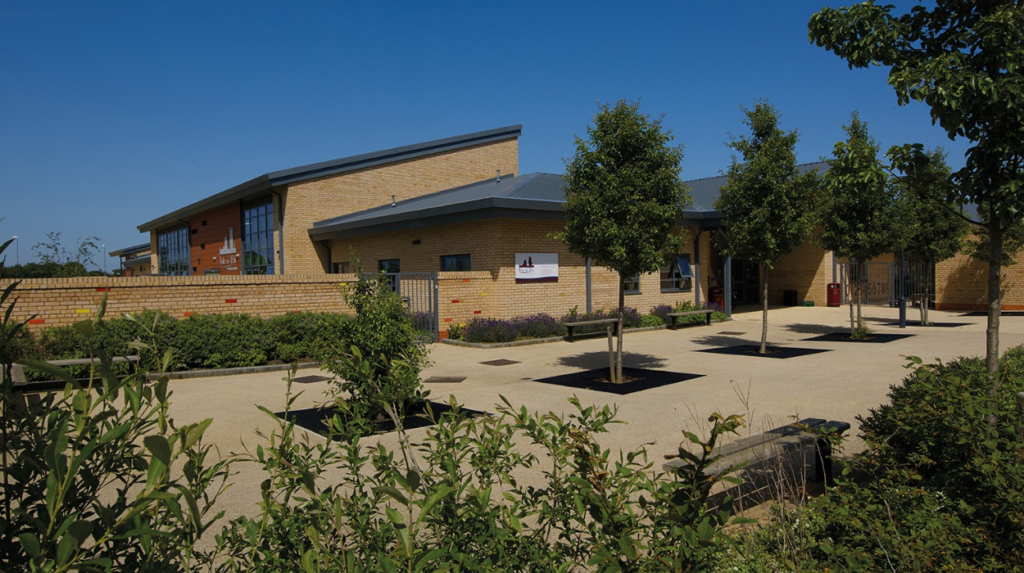
Schools in Ely grapple with overstretched resources and high pupil turnover. Despite dedicated staff, attainment lags: GCSE results hover below national averages, with fewer progressing to higher education. Poverty disrupts learning—hunger, unstable homes, and absenteeism create hurdles that no curriculum alone can overcome.
Funding formulas favor urban cores, leaving Ely’s primaries and comprehensives like Riverbank School short on specialists for special needs, which affect a disproportionate number of pupils. Extracurriculars, vital for widening horizons, often falter due to costs families can’t afford.
Yet, glimmers of progress emerge. Community initiatives like mentorship programs link pupils with professionals, boosting aspirations. Still, without systemic investment, these efforts resemble bandages on a deeper wound, ensuring Ely’s youth face the same limited prospects as their parents.
Employment Challenges in a Changing Economy
Ely’s job market reflects broader Welsh struggles. Low-skill vacancies in retail and warehousing dominate, offering poverty wages that barely cover rising costs. Commuting to Cardiff’s knowledge economy proves daunting—poor bus links and childcare shortages trap residents locally.
Skills mismatches persist. While Cardiff’s Bay thrives on finance and tech, Ely lacks training hubs for digital roles. Apprenticeships exist but fill slowly, as cynicism bred from past redundancies deters uptake. Benefit traps compound this: marginal gains from work often vanish in lost subsidies.
Employers cite perceptions of the area as a barrier, fueling a vicious cycle. Local enterprises, like small shops on Wellington Street, struggle amid high street decline, offering few stable posts. Remote work’s rise post-pandemic bypasses Ely, where broadband lags and home setups are unaffordable.
Housing Woes and Overcrowding
Ely’s housing stock, much of it council-built in the 1920s-1960s, shows its age. Damp, energy-inefficient homes drive up bills, with many families choosing between heat and food. Overcrowding affects a quarter of households, straining mental health and amplifying domestic tensions.
Right-to-buy schemes depleted social housing stock, leaving long waits for those in need. Private rentals, often substandard, absorb former tenants, but rogue landlords exploit desperation. Regeneration promises, like the Ely Canal Quarter, deliver luxury flats for outsiders, pricing out locals.
Maintenance backlogs plague Cardiff Council properties, with repairs delayed by bureaucracy. As climate goals push insulation upgrades, Ely risks falling further behind without targeted grants, turning homes into liabilities rather than assets.
Health Inequalities Exposed
Poverty’s toll manifests in Ely’s health metrics. Life expectancy trails Cardiff by years, with higher incidences of obesity, diabetes, and mental illness. GP surgeries, overwhelmed, face long waits, while substance misuse—fueled by despair—claims lives.
The COVID-19 pandemic hit hard, exposing vulnerabilities: higher infection rates stemmed from multigenerational homes and key worker roles. Vaccination uptake lagged initially due to mistrust, rooted in historical neglect.
Preventive care struggles amid food insecurity; local food banks report surging demand. Community health projects, like Ely Wellbeing Centre, offer yoga and advice, but funding volatility undermines sustainability. Holistic approaches linking health to jobs and housing remain underutilized.
Crime, Riots, and Social Tensions
Ely’s reputation for unrest stems from events like the 2023 riots, sparked by a police shooting and fueled by frustration. Youth gangs, born from idle streets and absent fathers, perpetuate cycles of violence, with knife crime drawing national headlines.
Policing focuses on reaction over prevention, straining community ties. Residents express fear yet defend their home, highlighting a paradox: strong solidarity amid chaos. Domestic violence rises with stress, overwhelming sparse support services.
Regeneration often ignores social fabric, demolishing estates without rebuilding trust. Successful models elsewhere, like Easterhouse in Glasgow, emphasize youth hubs and jobs, lessons Cardiff could adapt to break Ely’s notoriety.
Political Representation’s Paradox
Ely votes Labour reliably, electing figures who control the Welsh Government purse strings. Yet, billions in funds yield minimal change, prompting accusations of complacency. “Keeping them poor because they have nowhere else to go,” as one critique echoes, captures the sentiment.
Plaid Cymru and others nearly flipped Cardiff West in 2019, signaling discontent. Local councillors push for investment, but national priorities sideline wards like Ely. Devolution’s promise falters when funds prioritize motorways over people.
Accountability gaps persist: residents feel unheard, with consultations dismissed as box-ticking. Grassroots campaigns demand voice, but power imbalances stifle progress.
Regeneration Efforts and Shortfalls
Initiatives like the Transforming Ely program invested millions in parks and homes since 2012, yet poverty metrics barely budged. New builds attract commuters, diluting community gains. Vague timelines and contractor profits siphon benefits from locals.
The Ely Canal scheme eyes 1,500 homes, but affordable quotas disappoint. Job training ties to projects remain weak, recycling unskilled labor into low-pay loops. Success stories, like refurbished youth centers, prove value of sustained, resident-led efforts.
External factors hinder: UK austerity slashed Welsh grants, forcing trade-offs. Post-Brexit skills shortages bypass Ely, while green jobs demand qualifications it lacks.
Demographic Shifts and Family Dynamics
Ely’s population, around 12,000, skews young with high birth rates among single parents—24.8% versus Cardiff’s 8.3%. Multigenerational households foster support but strain resources, passing poverty intergenerationally.
Diversity grows slowly, with Eastern European and Asian families adding vibrancy yet facing integration barriers. Language needs stretch schools, while cultural events build bridges.
Migration from pricier Cardiff areas brings middle-income families, gentrifying pockets. This tension—newcomers versus lifers—fuels resentment, complicating unified advocacy.
Community Resilience Amid Adversity
Despite odds, Ely thrives on grit. Churches like Christ Church rally food parcels, while sports clubs nurture talent—boxing gyms produce pros, football pitches dreams. Annual events like Ely Carnival knit fabric, celebrating heritage.
Volunteers staff hubs offering CV help and debt advice, filling council gaps. Young entrepreneurs launch cafes, hinting at untapped potential. These assets, if scaled, could pivot Ely’s narrative.
Artists capture the spirit in murals, reclaiming streets. Success hinges on amplifying voices, turning survival into revival.
Pathways to Break the Cycle
Addressing Ely demands multifaceted strategy. Prioritize skills academies linked to green industries, subsidizing transport. Retrofit housing en masse for efficiency, tying to job creation.
Empower communities via devolved budgets, ensuring regeneration benefits locals first. Health integration—clinics in job centers—tackles root causes. Political reform mandates measurable outcomes, holding leaders accountable.
Models like Sure Start, revived locally, curb child poverty early. Partnerships with Cardiff University could tailor research, fostering innovation. Sustained will, not sporadic funds, unlocks change.
Environmental Factors in Play
Ely’s setting amplifies woes. Proximity to M4 brings pollution, while flood-prone rivers threaten homes. Industrial legacies contaminate soil, deterring investment.
Green spaces combat isolation, but maintenance lags. Urban farming pilots grow food, building self-reliance. Climate adaptation—resilient infrastructure—positions Ely for net-zero jobs overlooked elsewhere.
Cultural Identity and Stigma
Stereotypes paint Ely as “rough,” deterring visitors and firms. Media amplifies riots, overshadowing positives like music scenes. Rebranding via festivals showcases talent, challenging biases.
Oral histories preserve pride, with elders sharing steelwork tales. Schools embed this, instilling belonging to fuel ambition.
Ely’s persistence as Cardiff’s poorest ward stems not from inherent flaws, but layered failures—industrial loss, policy neglect, and stalled regeneration. Breaking free requires bold, integrated action honoring its spirit.