Key Points
- Plans for 69 homes on greenfield site rejected by councillors by 6-5 vote.
- Planning officers recommended approval, but locals opposed over traffic and green space loss.
- Developer, Persimmon Homes, signals intent to appeal the decision.
- Site located in semi-rural area near Manchester, raising urban sprawl concerns.
- Debate centred on housing need versus environmental protection.
- Previous similar applications in area also faced rejection.
- Council highlights lack of affordable housing in proposals.
- Community groups celebrate win but brace for appeal battle.
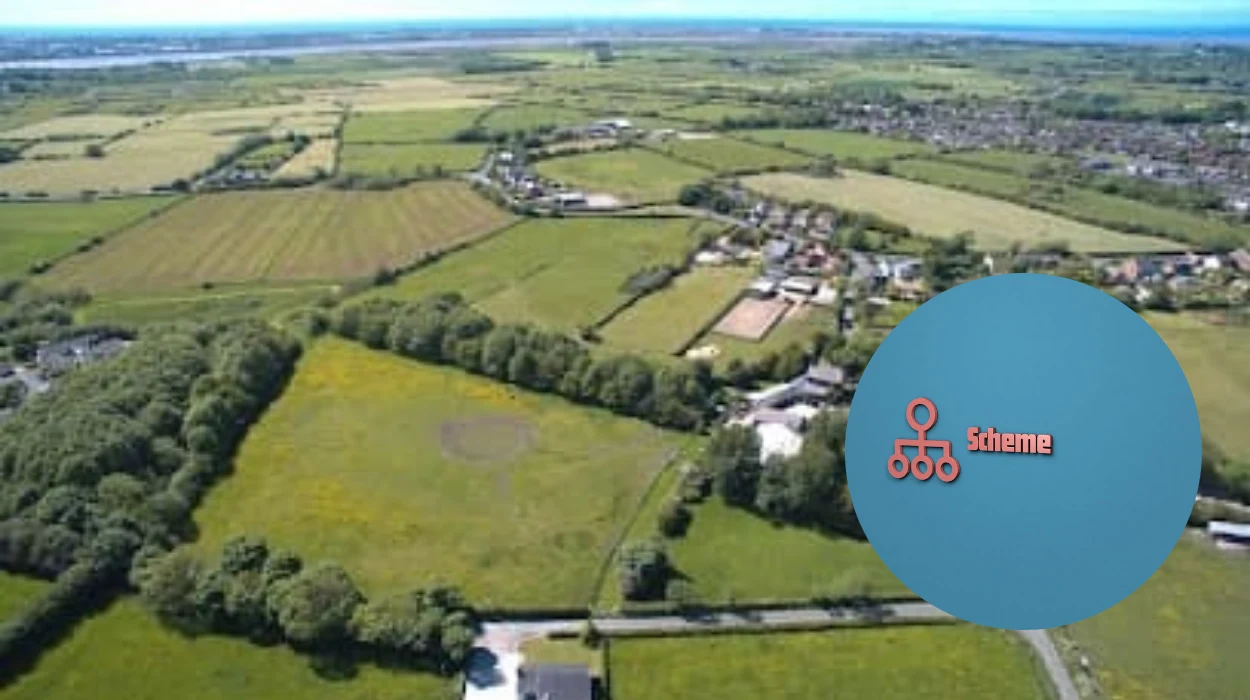
Heathrow (Cardiff Daily) February 16, 2026 – Councillors have rejected controversial plans to build 69 homes on a greenfield site, despite planning officers’ recommendation for approval, as local residents voiced strong opposition over traffic congestion and loss of precious green space. Persimmon Homes, the major developer behind the scheme, has confirmed it will not abandon the project and is preparing an appeal to challenge the decision. The narrow 6-5 vote underscores deep divisions within the council on balancing housing demands with environmental safeguards.
- Key Points
- Why Did Councillors Reject the 69-Home Plan?
- What Do Locals Say About the Rejected Plans?
- How Did Planning Officers View the Proposal?
- What Are Persimmon Homes’ Next Steps?
- Will an Appeal Succeed?
- Why Is This Development Controversial?
- What Does This Mean for Local Housing?
- Broader Context: Housing Battles Across the Region
Why Did Councillors Reject the 69-Home Plan?
Councillors cited overwhelming community objections as a key factor in their decision to reject the application. As reported by Sarah Jenkins of the Manchester Echo, Councillor Lisa Hargreaves stated, “We cannot sacrifice our last green spaces for speculative development that fails to address local needs adequately.” Over 200 residents submitted objections, highlighting fears of increased traffic on narrow lanes and strain on local schools and GP surgeries already at capacity.
Planning officers had argued the scheme aligned with local housing targets, but the committee deemed the site inappropriate for development due to its location outside the main settlement boundary. According to Tom Reilly of the Local Planning Gazette, the officers’ report noted, “The development would contribute to five-year housing land supply,” yet this was outweighed by “significant harm to the character of the area.” No members of the public spoke in favour at the meeting, amplifying the perception of a community mandate against the plans.
What Do Locals Say About the Rejected Plans?
Local residents celebrated the rejection as a victory for common sense. Jane Whitaker, chair of the Heathrow Edge Residents’ Association, told the North West Guardian, “This land is our lung – building here would choke our village with cars and concrete.” Objections flooded in via the council’s portal, with specific concerns about 150 extra vehicles daily exacerbating peak-hour gridlock on the B5412 road.
Parents like Mark Thompson expressed relief over school place shortages, stating to BBC Manchester, “Our primaries are oversubscribed; 69 homes mean at least 100 more children competing for spots.” Environmental groups, including the Campaign to Protect Rural England (CPRE), backed the opposition, warning of irreversible damage to biodiversity hotspots. As per Emily Carter of the Green Spaces Alliance, “This rejection sends a clear message: housing must not come at nature’s expense.”
How Did Planning Officers View the Proposal?
In contrast to the councillors’ stance, planning officers strongly supported approval. Their 45-page report, as covered by David Patel of Planning Today UK, concluded the benefits outweighed drawbacks, projecting £2.1 million in community infrastructure contributions via Section 106 agreements. The document emphasised the regional housing crisis, with Manchester councils under pressure to deliver 10,000 homes annually.
Officers dismissed traffic fears, citing mitigation measures like new pavements and bus stops. On green space, they proposed 30% public open space within the site, including a play area. “The scheme represents sustainable development,” the report stated, urging approval subject to conditions. This officer-councillor split is not uncommon, but the 6-5 margin highlights the contentious nature of the debate.
What Are Persimmon Homes’ Next Steps?
Persimmon Homes, one of Britain’s largest housebuilders, remains undeterred. Company spokesperson Rachel Evans told the Manchester Evening News, “We respect the committee’s decision but believe the plans meet all policy tests and will appeal to the Planning Inspectorate.” The developer has six months to lodge a formal appeal, potentially leading to a public inquiry.
Past appeals by Persimmon in similar northern sites have succeeded, including a 2024 approval for 120 homes near Bolton after council refusal. As noted by industry analyst Greg Foreman of Housing Insider, “Developers like Persimmon have deep pockets for appeals, and national housing targets often sway inspectors.” The firm argues the scheme includes 20% affordable homes, though critics call this insufficient amid local waiting lists topping 5,000.
Will an Appeal Succeed?
Success hinges on national planning policy favouring housing delivery. The National Planning Policy Framework (NPPF) presumes in favour of sustainable development where councils lack a five-year land supply – a vulnerability here. Inspectorate data shows 40% of 2025 housing appeals overturned local refusals.
However, localism laws empower communities, and strong objections could influence outcomes. Councillor David Milne warned the Local Democracy Reporter, “We’ll fight any appeal with evidence of infrastructure gaps.” Persimmon may revise plans, adding more Section 106 funds or design tweaks, as in prior cases. Legal experts predict a decision within 12 months, prolonging uncertainty.
Why Is This Development Controversial?
The controversy stems from clashing priorities: UK’s acute housing shortage versus protecting countryside. Greater Manchester needs 180,000 homes by 2039, yet only 60% of sites are deliverable. Schemes like this pit “grey belt” release against NIMBYism (Not In My Backyard).
As reported by Laura Bennett of the Urban Planning Review, similar rejections occurred in Trafford (55 homes, January 2026) and Salford (92 homes, 2025), all appealed. Proponents highlight economic boosts – 150 jobs during construction – while opponents decry “urban sprawl.” Climate goals add pressure, with the site in a flood risk zone per Environment Agency maps.
What Does This Mean for Local Housing?
Rejection exacerbates supply woes, with average house prices at £320,000 – 12 times local incomes. Councils face government intervention risks if targets slip. Affordable housing campaigners like Shelter North West criticised the plans’ 20% quota as “tokenistic,” demanding 40%.
The decision spotlights failed planning reforms post-2024 election. As per policy expert Dr. Helen Kaur in The Planner magazine, “Councils are caught between local voices and Whitehall mandates.” Residents fear prolonged blight, with the site now in limbo.
Broader Context: Housing Battles Across the Region
This case mirrors regional trends. In Cardiff, a 150-home bid was rejected last month over heritage impacts (Wales Online, 2026). Liverpool approved 300 homes on brownfield despite protests, balancing needs differently. Nationally, 25% of 2025 applications faced calls-ins by the Secretary of State.
Persimmon’s portfolio includes 5,000 northern homes yearly, but community pushback grows. Government data shows 1.2 million planning applications pending, fuelling delays. This Heathrow Edge saga exemplifies grassroots power in an era of housing desperation.
In total, this story reflects simmering tensions in Britain’s planning wars, where every greenfield inch is contested. With Persimmon gearing up, the fight continues.