North Cardiff’s bus network has long served as a vital lifeline for residents traveling from suburban areas like Rhiwbina to the bustling city centre. Recent strategic enhancements, often referred to as the North Cardiff Bus Boost, aim to streamline these journeys, cutting travel times and boosting reliability. This initiative reflects Cardiff Council’s ongoing commitment to modernizing public transport for a growing population.
- Understanding the North Cardiff Bus Boost
- Current Routes from Rhiwbina to City Centre
- Key Improvements Driving Faster Journeys
- Benefits for Rhiwbina Commuters and Beyond
- Navigating Peak Times and Potential Delays
- Integrating with Cardiff’s Wider Transport Network
- Community Impact and Long-Term Vision
- Practical Tips for Rhiwbina to City Centre Travel
Understanding the North Cardiff Bus Boost
The North Cardiff Bus Boost centers on upgrading key corridors that link northern suburbs, including Rhiwbina, to Cardiff’s heart. Announced as part of Cardiff Council’s Bus Infrastructure Plan, this effort targets six primary routes, with the North Cardiff line standing out for its connectivity through areas like Gabalfa Roundabout. By prioritizing buses at junctions and reorganizing stops, the plan promises quicker trips without the frustrations of traffic delays.
Rhiwbina, a leafy northern enclave known for its community spirit and easy access to green spaces, benefits directly from these upgrades. Commuters from this area often rely on routes that weave through residential streets before hitting major roads toward the centre. The boost introduces measures like bus priority technology, which detects approaching vehicles and adjusts traffic signals accordingly, shaving minutes off each journey.
This isn’t a fleeting project but a foundational shift in how Cardiff approaches urban mobility. Drawing from consultations with operators like Cardiff Bus and Transport for Wales, the strategy emphasizes sustainability and passenger growth, even post-pandemic when ridership dipped sharply. Evergreen improvements ensure these routes remain efficient for years, supporting daily commutes, school runs, and weekend outings.
Current Routes from Rhiwbina to City Centre
Traveling from Rhiwbina to Cardiff city centre traditionally involves routes like the 21 and 23 services operated by Cardiff Bus, which navigate through Whitchurch and Gabalfa before reaching landmarks such as the Castle or Queen Street. These paths cover roughly six miles, but peak-hour congestion around Gabalfa Roundabout can extend a 20-minute trip to over 40. Passengers board at stops like Rhiwbina Hill or Heol Wen, enjoying scenic views of the Taff Valley en route.
The North Cardiff corridor encompasses multiple overlapping services, extending beyond the city to Rhondda Cynon Taf and Caerphilly. This interconnected web means a single upgrade ripples across the network, benefiting not just Rhiwbina but neighboring Birchgrove and Llanishen too. Fares remain affordable, with day tickets around £4.50, making it a practical choice over driving amid rising fuel costs and parking scarcity downtown.
Reliability has improved with real-time tracking apps like the Cardiff Bus tracker, allowing users to plan precisely. Yet, challenges persist: narrow roads in Rhiwbina limit overtaking, and weather often slows services along the A470. The Bus Boost directly tackles these by proposing junction tweaks at Merthyr Road and Caerphilly Road, ensuring smoother flows.
Key Improvements Driving Faster Journeys
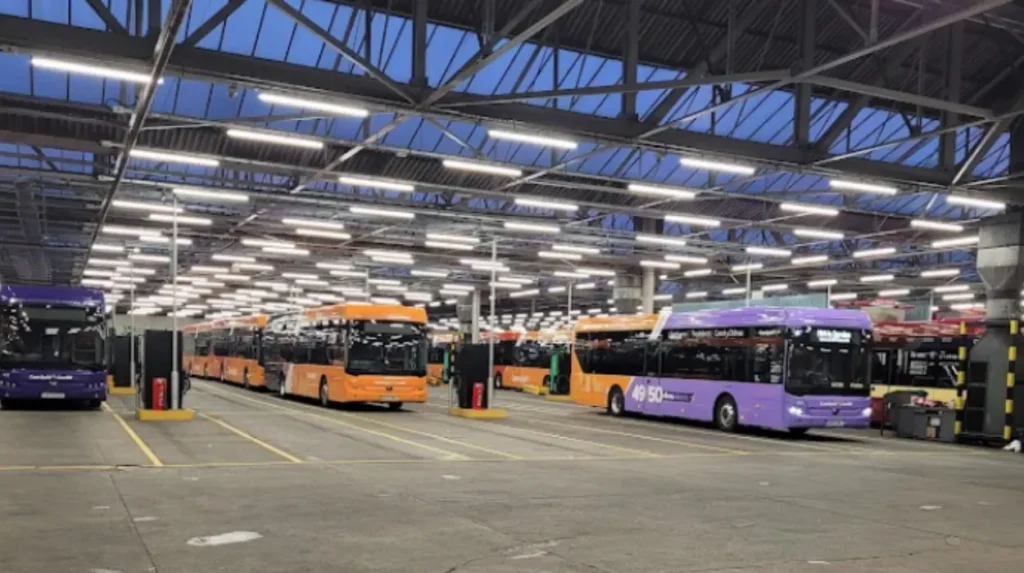
At the core of the North Cardiff Bus Boost are targeted interventions at Gabalfa Roundabout, a notorious bottleneck where buses from Rhiwbina merge with heavier traffic. Council plans include ongoing assessments to grant buses signal priority, potentially using sensors that hold green lights longer for public transport. This alone could reduce average delays by 15-20%, based on similar schemes in other UK cities.
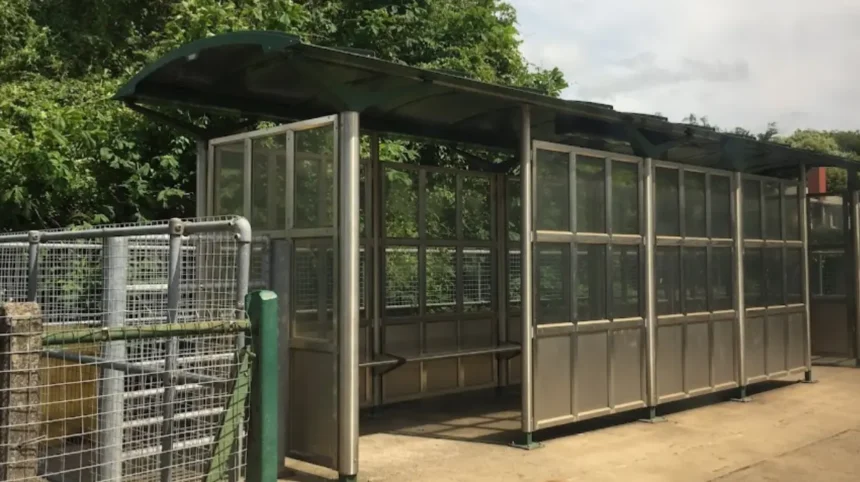
Bus stop reorganization forms another pillar, clustering stops for easier access and installing shelters with live displays. In Rhiwbina, upgrades might focus on high-use points near the village shops, adding raised kerbs for quicker boarding. Technology integrations, such as automatic vehicle location systems, further enhance punctuality, alerting riders to the next arrival via smartphone.
Junction enhancements extend to critical spots like the Merthyr Road/Caerphilly Road intersection, where widened lanes or dedicated bus slips could prevent backups. These changes stem from public consultations launched in late 2024, incorporating feedback from northern residents who prioritized speed and frequency. The result? Journeys from Rhiwbina’s outer edges to the city centre could drop from 35 minutes to under 25 on optimal runs.
Benefits for Rhiwbina Commuters and Beyond
For Rhiwbina families, the Bus Boost means less time stuck in traffic and more for work or leisure. Parents shuttling children to Cardiff High School or workers heading to offices on Greyfriars Road gain predictable schedules, reducing stress and car dependency. Environmentally, fewer private vehicles translate to lower emissions, aligning with Cardiff’s net-zero ambitions by 2030.
Economically, faster routes stimulate local businesses. Rhiwbina’s high street, with its cafes and independents, sees more footfall from city visitors, while centre shops benefit from reliable northern trade. Studies from Transport for Wales highlight how bus upgrades boost ridership by 10-15% in similar corridors, fostering vibrant communities.
Health perks emerge too: walking to stops encourages activity, and reduced congestion cuts air pollution in densely populated areas. Northern Cardiff, with its hilly terrain, becomes more navigable, empowering elderly residents or those without cars to access services like the University Hospital of Wales. This holistic uplift positions the Bus Boost as a cornerstone of inclusive urban living.
Navigating Peak Times and Potential Delays
Even with boosts, peak hours from 7-9 AM and 4-6 PM demand savvy planning. From Rhiwbina, aim for off-peak services or the Park & Ride at Tydfil, though direct buses suffice for most. Gabalfa remains tricky; apps like Moovit or Busmaps provide live updates, helping dodge disruptions from roadworks or events.
Construction during implementation might cause short-term hiccups, but phased rollouts minimize impact. Historical data from Cardiff’s bus network shows upgrades rarely exceed six months per corridor, with detours clearly signposted. Commuters report that post-upgrade services stabilize quickly, often exceeding expectations.
Weather resilience factors in too: all-weather stops and reinforced priority systems keep services moving in rain-soaked Welsh winters. By monitoring council updates via cardiff.gov.uk, riders stay ahead, turning potential frustrations into seamless travel.
Integrating with Cardiff’s Wider Transport Network
The North Cardiff Bus Boost dovetails with broader initiatives, like the new Central Bus Interchange near Cardiff Central Station. Rhiwbina travelers can seamlessly switch to trains for longer hauls or trams under development. Connections to Waun-Gron Park & Ride further decongest roads, offering park-and-bus options from northern edges.
Cardiff Bus’s 24/7 operations on select lines complement this, with night services aiding shift workers. Contactless payments and multi-operator tickets via the Explore Cardiff app simplify fares across buses, trains, and bikes. This interoperability makes Rhiwbina-city centre trips part of a fluid regional system.
Future-proofing includes electric bus trials, reducing noise and fumes along the route. Aligning with Wales’ active travel goals, dedicated lanes encourage cycling hybrids, where riders bike to stops and bus the rest. Such synergy elevates Cardiff’s profile as a transport-forward capital.
Community Impact and Long-Term Vision

Rhiwbina’s tight-knit vibe amplifies the Bus Boost’s resonance. Local groups, like those behind rhiwbina.info, championed these changes through consultations, ensuring resident voices shaped outcomes. Enhanced access preserves the village’s appeal while linking it closer to urban amenities.
Long-term, this fosters equitable growth: affordable transport curbs sprawl, channeling development into connected hubs. Cardiff Council’s vision, echoed in academic transport papers, prioritizes buses over cars for denser cities, drawing lessons from European models like Copenhagen’s efficient networks. Rhiwbina exemplifies this, blending suburbia with city dynamism.
Sustainability threads through it all—fewer cars mean preserved green belts around Rhiwbina’s parks. As climate pressures mount, these evergreen upgrades safeguard mobility for generations, proving public transport’s enduring value.
Practical Tips for Rhiwbina to City Centre Travel
Start your day right by checking the Cardiff Bus website or app for timetables tailored to Rhiwbina departures. Opt for express variants during boosts, boarding early at quieter stops like Lon Isa. Carry a reusable water bottle; many stops now feature hydration points amid upgrades.
Combine with walking: Rhiwbina’s trails to bus points add healthy miles. For groups, family day riders save costs. During events like the Cardiff Food Festival, pre-book via apps to secure seats amid surges.
Feedback loops empower users—council surveys post-launch refine services, ensuring the Bus Boost evolves. By embracing these tips, Rhiwbina commuters unlock faster, greener paths to the city centre, enhancing daily life in North Cardiff.
This comprehensive push redefines travel from Rhiwbina, embedding efficiency into Cardiff’s transport fabric. As implementations progress, the North Cardiff Bus Boost stands as a model for sustainable, commuter-focused progress.
Which of the Seven Summits has the highest death rate?
Snowdon is generally considered harder than Pen y Fan because it is higher and has longer, steeper routes. Pen y Fan is popular for beginners, while Snowdon requires more endurance and preparation.
Is Scafell Pike easier than Snowdon?
Scafell Pike can feel harder than Snowdon depending on the route. While both are challenging, Scafell Pike has rougher terrain and fewer clear paths in some areas.
Which mountain is forbidden to climb?
Mount Kailash is widely known as a mountain that is forbidden to climb. It is considered sacred in several religions, and the government of China prohibits climbing out of respect for spiritual traditions.
Why can’t planes fly over Mount Everest?
Planes rarely fly directly over Mount Everest because the extreme altitude and unpredictable weather make emergency landings impossible. Thin air also reduces aircraft performance and safety margins.
Which of the Seven Summits has the highest death rate?
Among the Seven Summits, K2 is known for having one of the highest death rates. Its steep slopes, avalanches, and unpredictable weather make it far more dangerous than Everest.