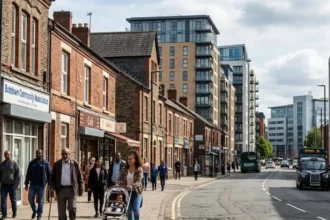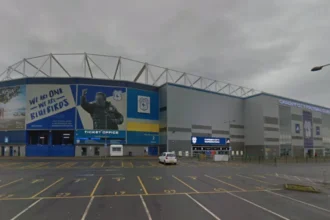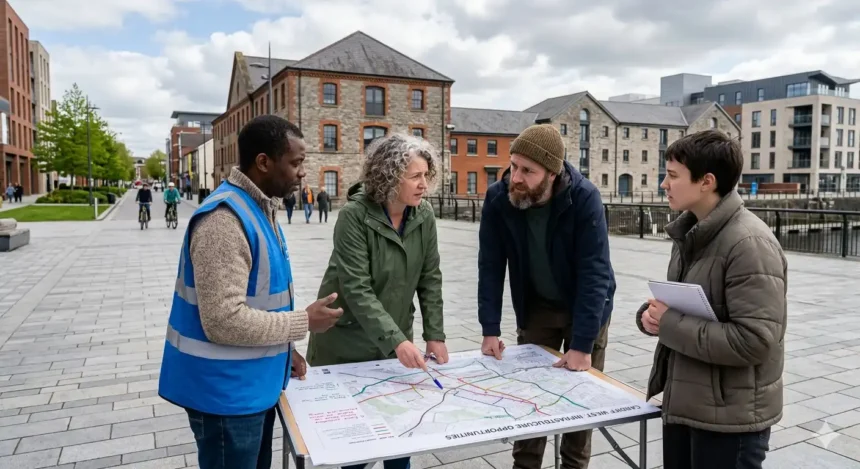
Llandaff, Penylan and Cathays are some of Cardiff’s most distinctive inner‑city neighbourhoods, each with its own character, history and community feel. While they often share the same headlines as the wider city, there are plenty of quieter local stories, policy changes and grassroots developments that can slip through the cracks of mainstream coverage. This article pulls together the kinds of local news and updates you may have missed in these three areas, from planning decisions and transport tweaks to schools, parks and community projects, all written in an evergreen way that will stay useful for Cardiff readers well into the future.
Llandaff: Historic charm and quiet change
Llandaff sits just north of the River Taff, anchored by the famous Llandaff Cathedral and a compact village‑style high street. It is often described as a “city within a city,” blending ancient ecclesiastical roots with a modern, family‑friendly residential base. Over recent years, the area has seen a steady flow of regeneration‑linked changes, even if many of them are not headline‑grabbing.
One of the more noticeable long‑term shifts has been the gradual conversion of old BBC Wales sites around Llandaff into new housing and mixed‑use schemes. The sale of the former BBC studios in Llandaff in the early 2010s, followed by their relocation to Central Square, helped unlock land for redevelopment and contributed to wider urban‑regeneration plans across the northern part of the city. In practical terms for residents, this has meant new housing phases at places like Parc Llandaf and nearby developments, which have increased housing density without radically altering the leafy, village‑like feel of the area.
Schools and education news in Llandaff tend to be stable but quietly important. Howells School Llandaff, a long‑standing independent day school for girls, continues to be a key feature of the local education landscape, drawing families from across Cardiff and the Vale. Elsewhere, the wider Llandaff and Llandaff North area hosts several Welsh‑medium and English‑medium primary and secondary settings, which periodically make local news through inspections, expansion plans and Ofsted‑style reports, even if they rarely appear in national coverage.
Crime and community safety stories in Llandaff tend to be modest when compared with more central or high‑traffic areas of Cardiff. Publicly available statistics from the 2010s indicate that Llandaff has historically recorded relatively low crime volumes per month, with offences skewed toward low‑level shoplifting and anti‑social behaviour rather than serious violence. This pattern has helped preserve the area’s reputation as a safe, family‑oriented part of the city, though local traders and residents have still occasionally raised concerns about repeat incidents and the need for stronger CCTV and street‑lighting on the main road.
On the green‑space front, Llandaff residents benefit from proximity to Llandaff Fields and the Taff Trail, both of which are frequently mentioned in Cardiff Council updates and local campaigns. Llandaff Fields has been recognised with Green Flag awards in recent years, reflecting ongoing investment in play areas, maintenance and accessibility. These changes matter for everyday life—parents taking children to the playground, dog‑walkers using the fields and runners joining local jogging groups all feel the impact of these quieter upgrades, even if the news is rarely dramatic.

Penylan: Suburban stability with a pulse
Penylan, to the east of the city centre, is a largely residential suburb with a strong sense of community identity. It is often grouped with neighbouring areas like Roath and Cyncoed in local news and campaigning, which means some of its specific developments can get absorbed into broader “East Cardiff” coverage. For anyone living in or following Penylan, however, the local details—planning decisions, school news and transport tweaks—make a real difference to daily life.
Housing and planning activity in Penylan has been relatively steady rather than explosive. The area is dominated by mid‑20th‑century housing, with a mix of semis, terraces and some larger detached properties on the fringes. Over the last decade, local planning applications have typically focused on infill schemes, extensions, and conversions of former commercial or institutional buildings, rather than wholesale redevelopments. Some of these proposals have sparked micro‑debates among residents about parking, density and visual impact, but most have been resolved through Cardiff Council’s standard consultation processes.
Community hubs and local groups play an important role in keeping Penylan’s news ecosystem alive. Facebook‑based community groups, for example, routinely share information about planning notices, road closures, local businesses and school events, often explaining them in plain language that official council updates do not always provide. These groups also act as early‑warning systems for things like utility works, fly‑tipping, or temporary changes to school transport routes, giving residents a sense of continuity even when the mainstream press is silent.
On the education front, Penylan is served by several well‑regarded primary schools and is close to secondary schools in the Cathays and Roath catchments. These schools occasionally make local news through expansion projects, new head‑teacher appointments, or changes to admission policies, but such stories rarely break out of Cardiff‑wide coverage. For families, however, these updates are crucial: shifts in catchment boundaries, new after‑school provision, or changes to class‑size policies can meaningfully reshape school‑choice decisions over the long term.
Crime and safety in Penylan have generally followed wider Cardiff patterns, with data from the 2010s showing moderate levels of offences compared with busier central areas. Reported crime in Penylan has often included residential burglary, vehicle‑related theft and low‑level shoplifting on the main local parades, which has prompted periodic discussions about better street lighting, CCTV and community‑policing initiatives. Because these measures are rolled out gradually across the city, their impact on Penylan is often felt before it becomes a headline story, making them one of those “you may have missed” elements of local news.
From a green‑space and transport perspective, Penylan residents often rely on nearby parks such as Roath Park and Heath Park, as well as access to the cycle routes and bus corridors that link the suburb to the city centre. Cardiff Council has repeatedly highlighted parks and play‑area upgrades in its weekly updates, including phased reopenings and safety improvements after periods of maintenance or weather‑related closures. For Penylan families, these changes translate into more reliable access to playgrounds, sports pitches and off‑street recreational areas, which quietly improves quality of life without attracting national attention.
Cathays: Student‑driven and always evolving
Cathays is one of the most dynamic and densely populated parts of Cardiff, heavily shaped by the presence of Cardiff University and other higher‑education institutions. Its borders often blur with the city centre in official statistics, which can make it easy to overlook specifically “Cathays”‑focused stories. Students, long‑term residents, landlords and small businesses all experience Cathays very differently, but there are several underlying themes that repeat in the local news over time.
Crime and safety have long been a focal point in Cathays‑related coverage. Figures from the mid‑2010s show that when statistics bundle Cathays with the city centre, the area records some of the highest monthly offence counts in Cardiff, including shoplifting, anti‑social behaviour and violence‑related incidents. These headline numbers can be misleading, however, because they often reflect footfall and density more than uniquely “Cathays” problems. In practice, local authorities and community groups have responded with targeted patrols, CCTV upgrades and outreach programmes aimed at reducing late‑night disturbances and improving perceptions of safety.
Student life and housing trends are central to Cathays’ evergreen story. The district hosts a large share of Cardiff’s private‑rented sector, with many flats and houses‑in‑multiple‑occupation (HMOs) clustered around roads such as Plasnewydd and Ninian Street. Over the years, local news has highlighted changes in licensing rules, rent‑levels, and the shifting geography of student “hotspots,” as well as the impact of these changes on long‑term residents and local businesses. These stories matter for anyone thinking about moving to or investing in Cathays, even if they are rarely reported as single‑story events.
Education and institutions beyond the university are also quietly transformative. Cathays Primary School, for example, has periodically featured in local updates related to expansion plans, new facilities or changes in school governance, reflecting the area’s mix of families and transient households. Similar updates have occasionally emerged for nearby secondary schools and further‑education providers, often linked to funding decisions, new partnerships with local businesses or adjustments to the curriculum.
Green‑space access in Cathays is dominated by Bute Park, which lies just to the west of the district and is frequently mentioned in council updates and community campaigns. Bute Park has benefited from phased reopening and maintenance work, including improvements to playgrounds, sports facilities and accessibility features such as paths and signage. For Cathays residents, these upgrades mean more reliable access to greenery, outdoor events and informal exercise routes, even if the news is framed as part of a wider “Cardiff parks” narrative rather than a Cathays‑specific story.
Another evergreen thread is transport and connectivity. Cathays is well served by buses and is within walking distance of Cardiff Central Station, but local news has repeatedly highlighted issues such as congestion, air quality and changes to bus routes. Over the years, Cardiff Council has introduced or reviewed various traffic‑management measures, including low‑emission zones and parking‑regulation changes, which have ripple effects on residents’ daily commutes and local business footfall. These changes are rarely dramatised as “big news,” but they quietly reshape how people move through and experience Cathays.
Planning, housing and regeneration threads
Across Llandaff, Penylan and Cathays, several broader themes tie the neighbourhoods together. Planning and housing policy are perhaps the most important, because they affect everything from noise levels and parking to school‑catchment areas and local business viability. Cardiff Council has consistently framed its regeneration ambitions around increasing housing supply, improving energy efficiency and supporting mixed‑use developments, and these goals are felt in all three areas, even if they manifest differently.
In Llandaff, regeneration has often meant the release of former institutional or broadcast‑related land for new homes and community uses, helping to keep the area attractive to families and professionals willing to pay a premium for historic charm and green‑space access. In Penylan, the emphasis has been more on incremental upgrades to existing stock, with infill schemes and extensions rather than large‑scale demolition and rebuilds. Cathays, by contrast, has seen more intensive pressure on its housing market, with a heavy focus on private‑rented flats and student‑oriented blocks that respond to the demands of the university sector.
Community‑led projects are another shared thread. Cardiff Council updates routinely mention grants awarded to local sports clubs, community‑learning initiatives and small‑scale cultural projects, some of which are based in Llandaff, Penylan or Cathays even if they are not explicitly labelled as such. These grants may fund things like youth‑sports coaching, local festivals, or digital‑literacy classes, all of which enrich the everyday experience of living in these neighbourhoods without making national headlines.
Local news that “you may have missed” also tends to be the kind of story that appears in council bulletins, parish‑council minutes, or Facebook‑based community groups rather than in major newspapers. For example, a small change in bin‑collection routes, a temporary closure of a local play area for repairs, or a subtle adjustment to a school‑transport timetable can go almost unnoticed in the wider media while still affecting routines and household decisions. Evergreen coverage of these areas needs to acknowledge that such quiet changes are part of the fabric of life in Llandaff, Penylan and Cathays as much as any headline‑grabbing event.
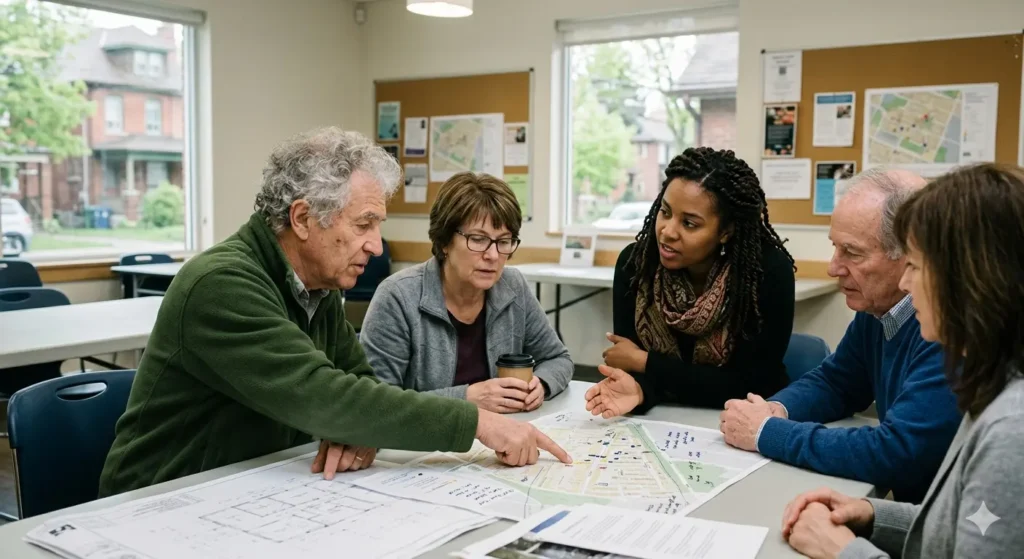
Why these neighbourhoods matter for Cardiff’s future
Llandaff, Penylan and Cathays may not always dominate the national news cycle, but they represent different facets of Cardiff’s growth and identity. Llandaff offers a semi‑village, cathedral‑centred model that balances heritage with modern living. Penylan exemplifies the stable, family‑oriented suburbs that form the backbone of the city’s residential base. Cathays, meanwhile, is a student‑driven, high‑density area that reflects Cardiff’s role as an education and cultural hub.
For long‑term residents, students, and newcomers alike, understanding the quieter, evergreen stories in these areas helps to build a more nuanced picture of Cardiff than the occasional headline can provide. Changes in planning rules, school provision, green‑space maintenance and transport policy all accumulate over time, gradually reshaping how people live, work and play in Llandaff, Penylan and Cathays. These “you may have missed” stories are not just local trivia—they are the background threads that, when woven together, tell the real, ongoing story of Cardiff’s evolution as a 21st‑century city.