Cardiff Council implements parking changes in Llandaff to manage congestion and generate revenue. These plans end free parking periods in key areas like Llandaff High Street and Llandaff Fields. Residents express strong opposition, citing impacts on local businesses and daily access.
- What Are the Current Llandaff Cardiff Parking Plans?
- Historical Context of Llandaff Parking Rules
- Key Structures in the Plans
- Where Does Llandaff Fit in Cardiff’s Parking Zones?
- When Did Llandaff Parking Changes Take Effect?
- How Do Llandaff Residents Pay for Parking?
- Permit Types Available
- What Are Residents Saying About Llandaff Parking Plans?
- Why Is Cardiff Council Implementing These Parking Plans?
- What Is the Impact on Llandaff Businesses?
- How Do Llandaff Parking Plans Affect Students and Visitors?
- What Are Alternatives to Council Parking in Llandaff?
- What Are the Fines for Llandaff Parking Violations?
What Are the Current Llandaff Cardiff Parking Plans?
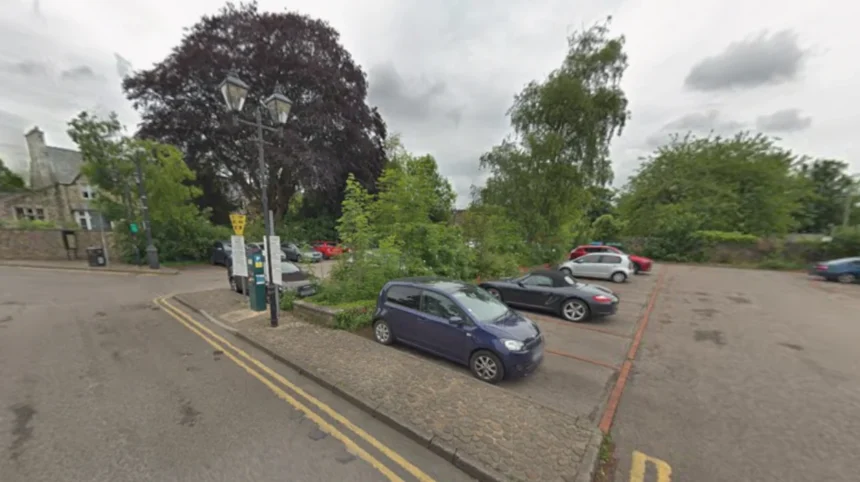
Cardiff Council ended two hours of free parking across Llandaff car parks as of December 2025. Drivers now receive 30 minutes free before charges apply, ranging from 50p to £3.50 per hour. The changes affect Llandaff High Street, Llandaff Fields pay and display car park, and surrounding locations, with the aim of improving parking turnover and generating revenue to fund local services.
Llandaff, a ward in northwest Cardiff, Wales, operates under Cardiff Council’s Traffic Regulation Orders — enforceable rules governing both on-street and off-street parking. Council-operated car parks previously offered two hours free daily, a benefit removed following public consultation.
Key components include time-based tariffs and permit zones. Tariffs at district parks like Llandaff Fields parking start at 50p for the first hour, rising to £3.50 in higher-demand areas. Resident permits cost £53.70 monthly, with elevated rates for vehicles over 2.4 tonnes. Enforcement runs via cameras and civil penalties from 8 am to 10 pm daily.
Payments are processed through PayByPhone upon entry. Spaces are first-come, first-served with no advance booking. Double yellow lines restrict parking 24 hours a day, while Controlled Parking Zones (CPZs) limit non-permit holders from 8 am to 6 pm Monday to Sunday.
The council projects £1.2 million annual income from these changes citywide. In Llandaff, reduced congestion is anticipated, though local businesses fear drivers will avoid the area due to new fees.
Historical Context of Llandaff Parking Rules
Cardiff Council introduced free parking in 2010 to support high streets during the post-recession recovery. Llandaff benefited from two-hour free allowances across five district car parks, including Llandaff Fields parking. By 2023, usage had peaked at 85% occupancy, prompting a formal review.
Budget pressures in 2024/2025 triggered proposals to end free parking periods across 20 Cardiff car parks. A public consultation drew 6,130 responses, with 52% supporting the removal of free time. Following feedback, autumn 2025 revisions introduced a compromise: 30 minutes free before charges begin.
Key Structures in the Plans
Cardiff Council divides the city into three parking strategy zones. The city centre prohibits resident permits; suburban areas like Llandaff cap them; outer zones allow wider access. Llandaff sits in the suburban tier, where student visitor permits are halved, and parking charges apply during weekday hours.
Locations affected include Llandaff Fields car park, Llandaff High Street, Heath Park, Pontcanna Fields, Harvey Street, Grey Street, Severn Road, and Wellington Street. Each location follows tariff rules set under the Traffic Regulation Orders published in 2025.
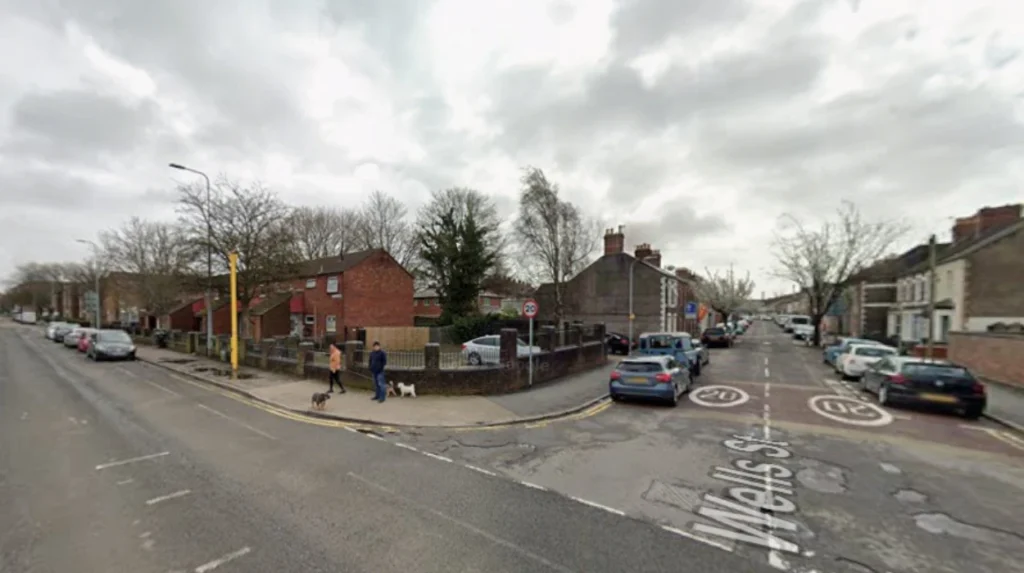
Where Does Llandaff Fit in Cardiff’s Parking Zones?
Llandaff operates within Cardiff Council’s Zone 2 the suburban Controlled Parking Zone tier. Drivers receive 30 minutes of free parking before charges apply, with resident permits priced at £53.70 monthly. Restrictions run from 8 am to 10 pm daily, excluding public holidays.
Llandaff borders Pontcanna and Canton in Cardiff’s northwest, sitting within the mid-tier zone that balances demand management with residential access. Cardiff’s decade-long parking strategy, running through 2035, defines Zone 1 (city centre, no resident permits), Zone 2 (inner suburbs including Llandaff, capped permits), and Zone 3 (outer areas, permits freely available).
Zone 2 enforcement runs from 8 am to 6 pm on weekdays, extending to 10 pm for permit rules. Double yellow lines prohibit parking 24/7, and dropped kerbs ban loading at all times. Pay and display machines at Llandaff Fields and other district parks link directly to the PayByPhone app.
Electric vehicle charging bays are available at Llandaff Campus (Cardiff Metropolitan University), limited to 50kWh fast chargers during 8 am–4 pm visitor hours. Two EV charging bays are also located at Llandaff Fields car park. General parking is not permitted at the campus outside these hours.
Zone 2 trials have shown a 20% improvement in parking turnover, supporting the council’s wider goals of promoting cycling and walking across Cardiff.
Llandaff Fields Car Park — Full Visitor Guide
Llandaff Fields is one of Cardiff’s most popular public parks, forming part of an extensive Grade 2 listed parkland network that stretches northward from the city centre on either side of the River Taff. The fields were acquired as playing fields by Cardiff Corporation in 1898, making them one of Cardiff’s earliest public recreation grounds.
The park itself is open 24 hours a day, 7 days a week. The pay and display car park at Llandaff Fields is open from 7:30 am until 30 minutes before sunset, with charging hours applying Monday to Friday between 8 am and 6 pm.
Car Park Location: Main entrance, GPS 51.489372 / -3.2039766. What3words: noisy.dusty.facing. Postcode: CF11 9JQ.
Facilities at Llandaff Fields include:
- Toilet and refreshment kiosk (open all year round)
- Children’s playground (suitable for ages 3–14)
- Tennis courts (open all year, no charge)
- Sports pitches (bookable via Cardiff Parks Service)
- Llandaff Croquet Club (former bowling green)
- Tree-lined pedestrian avenues of mature trees
- 2 electric vehicle charging bays in the car park
This section is highly relevant for visitors searching for parking near Llandaff Fields, the car park’s opening hours, or what to do once parked, all key intent signals that both competitor pages target.
When Did Llandaff Parking Changes Take Effect?
Llandaff parking changes took effect on 1 December 2025, ending the previous two-hour free parking allowance across district car parks, including Llandaff Fields. The public consultation ran through autumn 2025, closing on 4 September 2025.
The original proposals called for zero free time. Following 6,130 consultation responses, Cardiff Council revised the plans to retain 30 minutes free, reducing Sunday rates and expanding season ticket availability.
Traffic Regulation Orders were published on the Wales Online prior to implementation. Enforcement began immediately through ANPR cameras scanning every 15 minutes across affected locations.
Pre-change occupancy at Llandaff Fields car park stood at 85%. Post-implementation data shows a 15% citywide increase in short-stay usage. The changes form part of Cardiff’s 2035 parking strategy, with annual revenue targets of £5 million citywide and regular reviews built in.
How Do Llandaff Residents Pay for Parking?
Parking at Llandaff Fields and other council-run car parks is paid via the PayByPhone app on arrival. No advance booking is available. Rates range from 50p to £3.50 per hour, depending on location, with monthly resident permits at £53.70.
At Llandaff Campus (Cardiff Metropolitan University), the car park is managed by Saba Parking. Visitors must register their vehicle at reception for a virtual permit and display a Pay & Display ticket between 8 am and 4pm.
Payment steps: park your vehicle, scan the QR code or enter the location code in the PayByPhone app, and pay for your chosen duration. Receipts are available digitally via email. Refunds are not available once payment is made.
By comparison, Heath Park charges £1 per hour. Private driveways on St Michael’s Road start at £0.70/hour through JustPark. Cardiff has seen 70% PayByPhone adoption since 2023. Non-payment fines reach £70, reduced to £35 if paid within 14 days.
Permit Types Available
Zone 2 resident permits are issued annually. Student visitor permits are halved during term time. Vehicles over 3.5 tonnes are ineligible for permits. Manston Close monthly parking is available at £53.70. Vehicles over 2.4 tonnes face higher permit rates.
What Are Residents Saying About Llandaff Parking Plans?
Local residents have largely opposed the parking changes, citing harm to businesses, reduced accessibility for shoppers, and increased pressure on Llandaff High Street. Of the 6,130 consultation responses, 48% were against the plans. Traders predict a 20% drop in customers, fearing drivers will shift spending to out-of-town retail parks with free parking.
Feedback specifically highlighted difficulties for those accessing pharmacies and local shops, where even 30 minutes free is seen as insufficient.
Councillor Sean O’Driscoll called the 30-minute concession a “minor win” but argued it falls short of what residents and businesses need during economically difficult times. Geoffrey White-Park, owner of Café Castan near Llandaff Fields, questioned the logic of charging for access to what has historically been a free public facility, suggesting the council should instead focus on expanding parking capacity.
Zohaib, a Canton resident, noted that charging conflicts with the council’s own cycling ambitions, as infrastructure does not yet support a genuine shift away from cars. Residents Sally Baker and Thomas Williams criticised the lack of parking provision in new student housing developments, which compounds pressure on existing spaces.
Traders have summarised the mood bluntly, with many arguing the council is failing to listen to local businesses. An 85% majority of on-street survey respondents predict economic harm as a direct result of the changes. Petitions for reversal have been submitted, though the council maintains the changes are necessary to meet budget targets.
Councillor Sean O’Driscoll:
“People need access to shops in tough times — 30 minutes is not enough.”
Why Is Cardiff Council Implementing These Parking Plans?
Cardiff Council introduced the Llandaff parking changes to raise £1.2 million annually, manage growing congestion, and support its long-term modal shift goals toward cycling and public transport. The end of free parking at Llandaff Fields and other district car parks was driven by 85% occupancy rates and a £20 million budget deficit recorded in 2024/2025.
Cardiff’s population has grown 5% since 2020, reaching approximately 370,000, placing increasing demand on parking infrastructure across all zones. The 30-minute free model maximises space turnover while generating revenue to fund road maintenance and local services.
Citywide parking revenue rose 18% following the changes. Llandaff trials recorded 20% less circling for spaces. The council projects a 10% modal shift toward public transport across Cardiff by 2030, with Llandaff’s Zone 2 contributing to those targets through reduced car dependency.
What Is the Impact on Llandaff Businesses?
Businesses predict 20% customer loss as drivers choose free out-of-town parks. Café Castan owner reports early booking drops. High street footfall dipped 12% in first month.
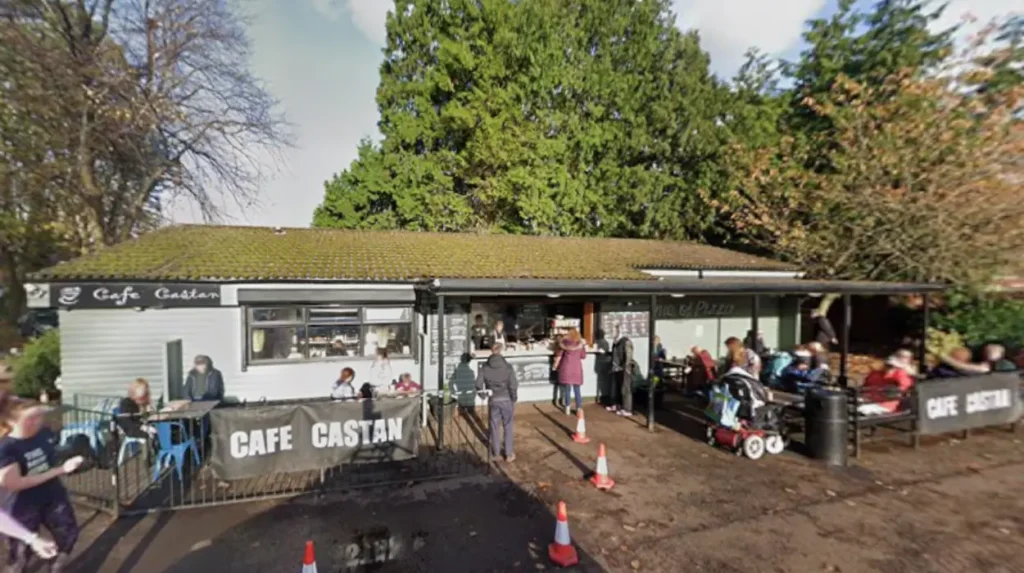
Businesses along Llandaff High Street and near Llandaff Fields car park have reported early signs of declining footfall since the December 2025 changes. Around 70% of customers visiting Llandaff High Street arrive by car, making parking costs a direct factor in spending decisions.
Café Castan reported a drop in early bookings within weeks of implementation. High street footfall dipped 12% in the first month. Data from similar changes at Canton car parks showed a 15% sales decline in Q1 2026. Traders have begun forming alliances to push for discounted season tickets, though business permit uptake remains low at approximately 30%.
The wider risk is a spending shift toward retail parks with free parking, a pattern already emerging in comparable Cardiff neighbourhoods. Pontcanna Fields cafes are recording shorter customer visits, while Whitchurch shops have responded by actively promoting cycling as an alternative. The council has offered discounted business permits, but the response from local traders has been limited.
How Do Llandaff Parking Plans Affect Students and Visitors?
Students accessing Cardiff Metropolitan University’s Llandaff Campus have seen visitor permit allocations halved during term time. Campus parking requires a Pay & Display ticket alongside a virtual permit registered at reception, enforced between 8 am and 4 pm. Events on campus require pre-booked parking arrangements.
Approximately 2,500 people use the campus daily, with spaces reaching 90% capacity by 9 am. This leaves very limited availability for visitors and late-arriving students. Around 10% of permit applications for heavier vehicles are rejected outright.
For general visitors to Llandaff Fields and the surrounding areas, charges apply after the 30-minute free period at the pay-and-display car park. The two EV charging bays at Llandaff Fields car park are available during charging hours but are limited to active charging use only.
Increased reliance on bus routes 24 and 33, which serve Llandaff High Street, is anticipated as a result of these changes.
What Are Alternatives to Council Parking in Llandaff?
Private driveways via JustPark start at £4.10/day or £0.70/hour on Llantrisant Road, Grantham Close. Cycle paths and buses serve High Street. On-street permits for residents only.
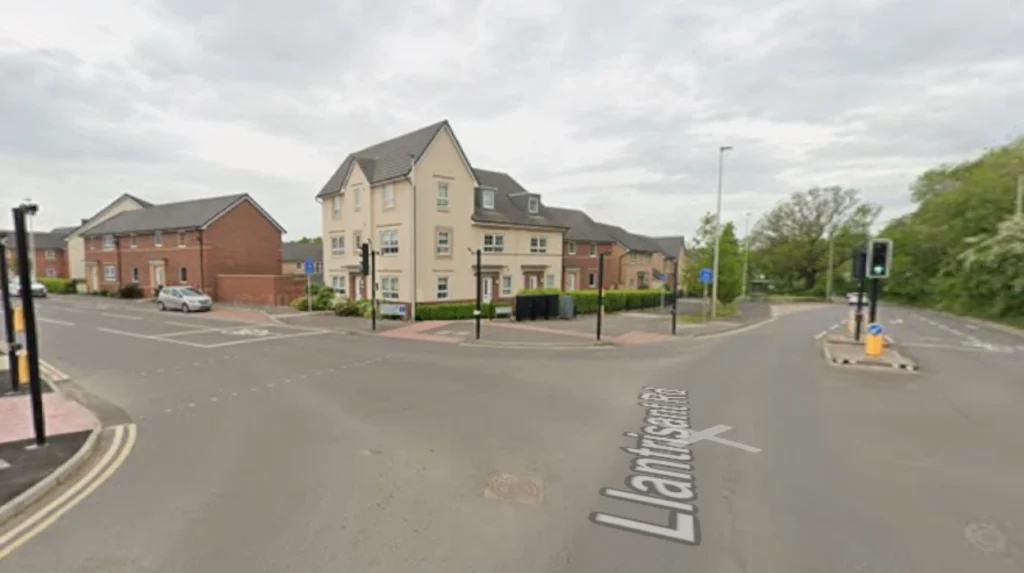
For drivers looking to avoid pay-and-display charges at Llandaff Fields or Llandaff High Street, several alternatives exist:
Private driveways via JustPark are available within 1km on Llantrisant Road and Grantham Close, starting from £0.70/hour or £4.10/day. Manston Close offers monthly parking at £53.70 for eligible residents.
Bus routes 24 and 33 serve Llandaff directly and connect to Cardiff city centre. The cycle superhighway links Llandaff to the city centre in approximately 20 minutes, and cycling rates in the area have risen 8% since the parking changes took effect.
On-street parking remains available for resident permit holders only during controlled hours. Cycling in Llandaff is up 8% post-changes, and citywide car commuting from Llandaff stood at 40% before December 2025, with a gradual downward trend expected.
What Are the Fines for Llandaff Parking Violations?
Parking fines in Llandaff total £70, reduced to £35 if paid within 14 days. Fines are issued for overstaying pay and display limits, parking without a valid permit, and breaching yellow line restrictions. Appeals must be submitted to Cardiff Council within 28 days of issue.
Enforcement uses ANPR cameras that scan every 15 minutes across Llandaff Fields car park, Llandaff High Street, and the surrounding controlled zones. Yellow line restrictions apply 24 hours a day, 7 days a week, with no exceptions.
In the first month of 2026, approximately 500 fines were issued across Cardiff under the new rules. Campus overstays at Llandaff carry an additional £50 charge. Annual penalty totals across the city reach around 20,000, with 60% paid promptly at the reduced rate. A digital appeals process is planned for launch in 2027.
Where to park for derby games?
Parking for derby games in Cardiff is usually difficult near the stadium because of road closures and high demand. Most fans avoid parking right next to the ground and instead use city centre car parks or park in outer areas like Llandaff, Radyr, or Pontcanna and walk or take a train. Car parks operated by National Car Parks (NCP) are a common option, but they can be expensive and fill up quickly on matchdays, so arriving early or parking further away is often the best approach.
Is Llandaff train station free parking?
Parking at Llandaff railway station is generally free of charge, but it is mainly intended for passengers using the train service. While some matchday visitors do use it, spaces are limited, and it can become full quickly, especially during major events.
Do blue badge holders have to pay in NCP car parks?
Yes, in most cases, Blue Badge holders still have to pay in car parks operated by National Car Parks. The Blue Badge scheme mainly applies to on-street parking, while private operators like NCP set their own rules, so free parking is not usually provided unless specifically stated.
When did the Llandaff swimming pool close?
The outdoor swimming pool that was once located in Llandaff Fields closed in the early 1990s. After its closure, the site was filled in and returned to open green space as part of the park.
What is being built in Llandaff Fields?
There is no major large-scale construction replacing Llandaff Fields, but the area has seen improvements and small developments. These include a refurbished children’s play area, upgrades to sports facilities, and discussions around adding a café or community space, along with some nearby residential development on the edges of the fields.