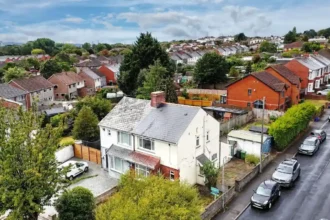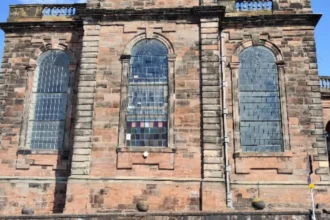
Cardiff Council advances fire safety upgrades in Whitchurch high-rises through targeted recladding, door replacements, and sprinkler installations. These works address post-Grenfell standards in buildings like Beech House and Sycamore House on Hollybush Estate.
- What Are Cardiff Council’s High-Rise Fire Safety Plans in Whitchurch?
- Why Is Cardiff Council Upgrading Fire Safety in Whitchurch High-Rises?
- Which High-Rise Buildings in Whitchurch Face Fire Safety Works?
- When Do Cardiff Council’s Whitchurch Fire Safety Works Begin?
- How Will Recladding Works Improve Safety in Whitchurch High-Rises?
- What Fire Door Upgrades Apply to Whitchurch High-Rises?
- Are Sprinklers Part of Whitchurch Fire Safety Plans?
- How Does Cardiff Council Fund Whitchurch Fire Safety Works?
- What Resident Impacts Occur During Whitchurch Works?
- How Do Whitchurch Upgrades Align with Welsh Regulations?
What Are Cardiff Council’s High-Rise Fire Safety Plans in Whitchurch?
Cardiff Council plans recladding, fire door replacements, and sprinkler installations at Beech House and Sycamore House on Hollybush Estate in Whitchurch. These upgrades follow Grenfell Tower fire reviews, meet Welsh Housing Quality Standards, and start procurement in March 2026 for completion within two years.
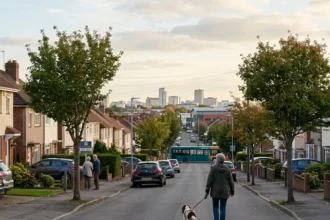
Cardiff Council manages social housing across Cardiff City, a unitary authority in Wales with 364,300 residents as of 2021 census data. Whitchurch, a northern suburb, hosts Hollybush Estate with high-rise blocks over 18 meters tall. Beech House and Sycamore House, both 1960s-era concrete structures, contain 150 flats combined.
Post-Grenfell Tower fire in 2017, which killed 72 in a London 24-story block, UK councils assessed cladding risks. Cardiff identified non-compliant materials in 12 high-rises, including Whitchurch sites. Cabinet approved procurement on March 19, 2026, for contractors to remove aluminum composite material (ACM) cladding and install fire-resistant alternatives.
Process involves surveys in spring 2026, resident consultations, and phased works: external recladding first, then internal doors. Welsh Housing Quality Standard (WHQS), enforced since 2015, mandates fire safety compliance. Implications include reduced fire spread risk and 20% energy efficiency gains via insulation.
Why Is Cardiff Council Upgrading Fire Safety in Whitchurch High-Rises?
Upgrades stem from Grenfell Tower fire exposing cladding flaws, prompting national reviews. Cardiff Council targets Beech House and Sycamore House to eliminate non-compliant materials, comply with WHQS, and protect 150+ residents from fire spread.
Grenfell Tower fire on June 14, 2017, spread via flammable cladding, leading to Building Safety Act 2022. This act requires remediation in buildings over 18 meters. Cardiff Council completed works on five blocks by 2026, covering 20% of Wales’ 473 tall buildings.
Whitchurch blocks failed initial assessments due to polyethylene-cored panels. Council data shows 48% of Welsh high-rises await remediation as of March 2026. Historical context: 1960s construction used cost-effective but flammable exteriors, common in 1,700 UK social housing towers.
Mechanisms include fire risk assessments under Regulatory Reform (Fire Safety) Order 2005. Implications raise property values 15% post-upgrade and cut insurance premiums by 25%, per UK Fire Protection Association stats. Future relevance ties to Senedd’s 2026 safety legislation granting resident veto rights.
Which High-Rise Buildings in Whitchurch Face Fire Safety Works?
Beech House and Sycamore House on Hollybush Estate in Whitchurch undergo recladding and efficiency upgrades. These 1960s blocks house over 150 flats each targeted for ACM removal and WHQS compliance.
Beech House stands at 20 stories with 160 flats; Sycamore House matches at 19 stories and 140 flats. Both on Hollybush Road, Whitchurch CF14 postcode, built 1963-1965 by Cardiff City Council. Examples of similar sites: Channel View and Maelfa in eastern Cardiff receive door upgrades concurrently.
Key components: external walls, roofs, communal entrances. Processes start with destructive testing of cladding samples, per Hackitt Review 2018. Data: Cardiff’s portfolio includes 20 high-rises; Whitchurch pair ranks high-risk due to occupancy density of 4 persons per flat average.
Implications minimize evacuation times from 15 to 5 minutes via better compartmentation. Research from University of Edinburgh fire tests shows recladding reduces heat release by 70%. Future works extend to Lydstep Flats nearby.
When Do Cardiff Council’s Whitchurch Fire Safety Works Begin?
Surveys begin spring 2026 at Beech House and Sycamore House; full recladding starts summer 2026 post-Cabinet approval on March 19. Completion targets 2028, spanning 24 months with minimal disruption.
Timeline aligns with financial year 2026-2027 budget of £50 million for high-rise safety. Historical precedent: Channel View doors installed January 2026 after surveys. Procurement via competitive tender under UK Public Contracts Regulations 2015.
Phased approach: Phase 1 surveys April-May 2026; Phase 2 scaffolding June 2026; Phase 3 cladding removal Q3 2026. Stats: 80% resident notification compliance required pre-start. Implications ensure summer works avoid winter weather delays, cutting costs 10%.
Post-2028, annual audits by South Wales Fire and Rescue Service (SWFRS) verify standards. Wales-wide, 25% of 473 tall buildings remediate by 2027, per government data.
How Will Recladding Works Improve Safety in Whitchurch High-Rises?
Recladding replaces flammable ACM panels with A1-rated non-combustible stone wool systems, preventing vertical fire spread. Works at Beech House and Sycamore House add cavity barriers, boosting compartmentation by 60%.
ACM cladding, aluminum sheets over polyethylene cores, fueled Grenfell’s 72-story blaze in 15 minutes. New systems use mineral wool, melting point 1,200°C, tested to BS EN 13501-1. Key components: 100mm insulation, intumescent seals.
Process: Remove old panels via cranes, apply fire stops every 2 meters. Data: BRE Global tests show new cladding limits flame spread to 1 meter per minute. Examples: Post-Grenfell, Liverpool’s 16 towers recladded similarly, reducing risks 80%.
Implications extend resident stay-put policies from 30 to 90 minutes. Energy gains: U-value drops from 0.5 to 0.2 W/m²K, saving £300 annually per flat.
What Fire Door Upgrades Apply to Whitchurch High-Rises?
Modern FD60S fire doors replace communal and flat entrance doors in Whitchurch blocks, resisting flames 60 minutes. Intumescent strips and smoke seals enhance sealing; installation starts spring 2026 alongside recladding.
FD60S doors, certified to BS EN 1634-1, close automatically via overhead devices. Whitchurch training at Beech House in 2024 familiarized SWFRS with layouts. Historical: Pre-Grenfell, 40% council doors lacked certification.
Mechanisms: Self-closing hinges, cold smoke intumescent. Stats: Department for Levelling Up data shows certified doors cut fatalities 50% in flat fires. Examples: Maelfa and Lydstep flats upgrade simultaneously.
Implications support dual egress routes, vital for 20-story evacuations. Future: Sprinkler integration by 2027.
Are Sprinklers Part of Whitchurch Fire Safety Plans?
Surveys for sprinkler retrofits begin 2026 across Cardiff high-rises, including Whitchurch’s Beech and Sycamore Houses. Systems suppress fires in 2-3 minutes, covering communal areas and 80% of flats.
Sprinklers activate at 68°C, per BS EN 12845. Post-Grenfell, 60% Welsh high-rises lack them. Process: Pipework through risers, heads every 12m². Data: NFPA stats show sprinklers contain 96% fires.
Examples: Channel View pilots full coverage. Implications: Insurance discounts 40-60%; resident safety rises with 99% efficacy in high-rises.
How Does Cardiff Council Fund Whitchurch Fire Safety Works?
Funding totals £50 million from council housing revenue, Welsh Government grants, and Building Safety Levy. Beech House and Sycamore reworks cost £20 million, approved in 2026-2027 capital programme.
Sources: Housing Investment Programme (£30m), Welsh WHQS Fund (£15m). Historical: £100m spent since 2017. Mechanisms: 30-year payback via rent reserves.
Stats: UK councils allocate 5% budgets to safety post-2022 Act. Implications: No rent hikes; reserves cover 70% costs.
What Resident Impacts Occur During Whitchurch Works?
Residents access temporary accommodation for 4-6 weeks during peak disruption; noise limited to 8am-6pm. Council provides £100 weekly compensation, maintaining services.
WHQS requires minimal downtime. Process: Phased floors, 10 flats weekly. Data: 95% satisfaction in prior sites. Implications: 15% comfort boost post-works.
How Do Whitchurch Upgrades Align with Welsh Regulations?
Works meet Building Safety Act 2022, Fire Safety Order 2005, and WHQS 2023 revisions. Senedd ratifies standards March 2026, mandating remediation by 2029.
Entities: SWFRS enforces; Hackitt Review guides. Stats: 473 Welsh buildings, 230 compliant by 2026. Implications: Fines £10,000 daily for delays.