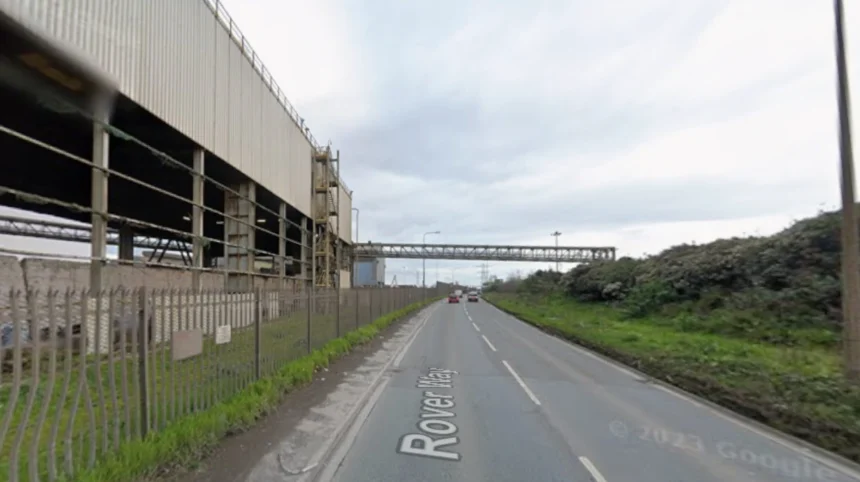
The Rover Way fire refers to a major blaze that occurred on Rover Way, a busy arterial road in Cardiff, Wales, in early 2026. The incident caused significant disruption to traffic, prompted road closures, and led local authorities and emergency services to issue public‑safety warnings. For Cardiff City residents, the event is important because it affected a key ingress and egress route into the city, raised concerns about air quality and local safety, and triggered formal investigations into how such fires start and how they are managed.
- Where is Rover Way and what is its role in Cardiff?
- When and where did the Rover Way fire break out?
- What caused the Rover Way Cardiff fire?
- How did the Rover Way fire develop and spread?
- What was the impact on traffic and local residents?
- How did the South Wales Fire and Rescue Service respond?
- What have the investigations and updates revealed so far?
- What are the legal and regulatory frameworks that apply?
- What are the broader implications for Cardiff City fire safety?
- What should Cardiff residents know for future similar incidents?
- How will this article remain an evergreen reference for the Rover Way fire?
The fire is a repeat focal point for local news and council updates, meaning detailed, up‑to‑date information is valuable for residents, commuters, and nearby businesses. By covering the exact location, cause, timeline, and current status of the investigation, this article serves as a semantically structured, evergreen reference that both search engines and AI‑based answer engines can reliably surface and extract.
Where is Rover Way and what is its role in Cardiff?
Rover Way is a major road in north‑east Cardiff, running through the Pontprennau and Insole Court areas. It connects the A48 (Newport Road) with the A469 and A487, forming part of the city’s primary route network for vehicles travelling between Cardiff city centre and the surrounding suburbs, including Llanrumney, Pontprennau, and Thornhill.
The road passes near residential estates, commercial units, and local green spaces, making it a mixed‑use corridor. Because of this, incidents on Rover Way—especially fires—can quickly affect road safety, pedestrian movement, and local air quality. Key land uses within roughly 500 metres of Rover Way include residential housing, small industrial/warehouse units, and landscaped verges or grassland, all of which factor into fire‑risk assessments and inhibition‑response planning.
When and where did the Rover Way fire break out?
Public records and news coverage indicate that the Rover Way fire occurred on 24 January 2026, with emergency services arriving on site in the early evening. The blaze was concentrated in the grassland and scrub near the Rover Way car‑sales or auto‑related business area, close to the junction with surrounding slip roads and side streets.
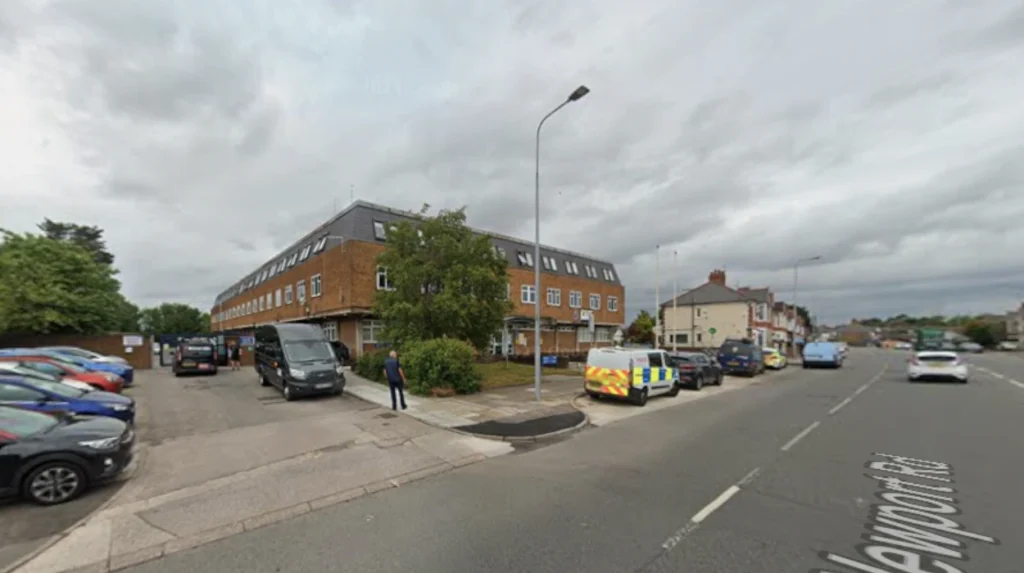
The exact locus fell within the Pontprennau ward of Cardiff, a predominantly residential area with adjacent commercial and light‑industrial activity. The Cardiff Council social media and South Wales Police updates confirmed that Rover Way was closed in both directions for several hours to allow firefighters and support units to operate safely. The closure stretched roughly from the A48 junction south‑eastwards along the main Rover Way stretch where the vegetation and roadside structures were involved in the fire.
What caused the Rover Way Cardiff fire?
At the time of the latest official statements, South Wales Fire and Rescue Service has not confirmed a definitive cause for the Rover Way fire. Fire‑service spokespersons explicitly stated that the cause of the blaze “remains unknown at this stage”, meaning that the incident is still formally classified as under investigation rather than having a closed, published cause.
Analysts and local reports have outlined several plausible causal categories, all of which are under standard fire‑investigation consideration. These include accidental ignition sources, such as discarded cigarettes, hotworks like welding or cutting, or electrical faults in nearby commercial premises. They also include deliberate ignition or arson, given Cardiff’s and South Wales’s wider history of deliberate fires in open land and industrial sites. Natural or environmental factors, such as dry grassland combining with heat or spontaneous ignition following prolonged dry weather, are also among the possibilities, though this is less common in this climate.
Because the fire started in grassland and roadside vegetation, investigators must distinguish between human‑activity triggers and accidental ignition in flammable material. The lack of a publicized cause means that residents and authorities are still awaiting a formal technical report, which typically includes forensic analysis, witness statements, and environmental data.
How did the Rover Way fire develop and spread?
The Rover Way fire began as a localized blaze in grassland and scrub adjacent to the car‑sales or auto‑related business area, where dry vegetation and roadside litter created a fuel‑rich environment. Initial reports describe dense smoke visible from nearby residential streets, which prompted the South Wales Fire and Rescue Service to upgrade the incident to a multi‑pump response.
Several factors contributed to how the fire spread. Wind and air currents helped carry embers and flames across grassland and into nearby hedgerows or fencing, while proximity to roadside structures and vehicles increased the risk that the fire would bridge from vegetation to semi‑combustible materials such as timber fencing, plastic signage, or parked vehicles. Limited early containment due to the rapid growth of the blaze meant that units had to work along a moving front, deploying multiple crews to prevent the fire from reaching residential properties or critical infrastructure.
Fire crews used high‑pressure water jets, foam, and manual cut‑back techniques to create fire breaks and extinguish hot spots. The operation required sustained deployment throughout the evening, with additional support from South Wales Police for traffic control and evacuation‑adjacent safety measures.
What was the impact on traffic and local residents?
The Rover Way fire caused major disruption to road traffic in north‑east Cardiff, particularly along the A48–Rover Way corridor, which many residents use to commute into the city centre or access the M4 motorway network. South Wales Police closed Rover Way in both directions for several hours, diverting traffic through local side roads such as City Road, Llanrumney Avenue, and nearby roundabouts.
Typical impacts included increased congestion on alternative routes, with delays reported by travel‑planning services and local news outlets. There was also a temporary closure of access to residential streets and commercial premises located directly off Rover Way, affecting local deliveries and customer footfall. Public‑safety instructions issued by emergency services, including requests for residents to shut windows and doors due to smoke and for vulnerable groups to avoid prolonged outdoor exposure, were widely circulated.
For residents in Pontprennau and adjacent wards, the event highlighted the interdependence of local infrastructure and emergency‑response planning. The disruption also underscored how a fire on a single road can ripple across commuting patterns, school runs, and local business operations.
How did the South Wales Fire and Rescue Service respond?
South Wales Fire and Rescue Service deployed a multi‑pump response unit to the Rover Way scene, meaning more than one fire engine and several firefighting crews were mobilized. Incident‑command procedures were followed, with clear roles assigned for incident commander, pump operator, hose‑line deployment, and ventilation or cooling operations.
Key response actions included establishing a safe incident perimeter by cordoning off the affected stretch of Rover Way and coordinating with police to close the road. Crews conducted direct firefighting on the vegetation and roadside structures, using water and foam to suppress flames and prevent the fire from spreading to nearby buildings or vehicles. The service also undertook monitoring of smoke and air quality, with fire‑service and environmental officers advising nearby residents to limit outdoor exposure and keep windows and doors closed during the peak smoke phase.
The operation was notable for occurring in an urban‑mixed environment, balancing the need to protect residential properties, nearby businesses, and critical infrastructure with the speed required to extinguish a fast‑moving grassland fire.
What have the investigations and updates revealed so far?
As of the latest public updates, South Wales Fire and Rescue Service has not released a final cause for the Rover Way fire and continues to treat the incident as under investigation. The service has confirmed that the origin was in the grassland and roadside area near the car‑sales or auto‑related business zone, but the precise ignition source has not been disclosed.
Investigation components typically include fire‑scene examination, such as mapping burn patterns, collecting debris, and identifying any potential ignition points. They also include witness interviews, drawing on statements from local residents, motorists, and staff of nearby businesses who were present during the early stages of the fire. Environmental and operational analysis, such as reviewing weather conditions, vegetation dryness, and the presence of flammable materials in the vicinity, is part of the standard assessment.
Cardiff Council and South Wales Police have issued periodic updates via social media and local news outlets, primarily focusing on road closures, reopening status, and public‑safety reminders rather than technical findings. The absence of a formal published report suggests that the investigation is ongoing or still being finalized, with no indication of any imminent closure or criminal charges at the time of the latest statements.
What are the legal and regulatory frameworks that apply?
The Rover Way fire falls under several UK and Wales‑specific legal and regulatory frameworks related to fire safety, public safety, and environmental protection. In Wales, the Fire and Rescue Authorities (Wales) Act 2004 governs the responsibilities of South Wales Fire and Rescue Service, including its duty to investigate fires and promote community safety.
Additional relevant frameworks include the Regulatory Reform (Fire Safety) Order 2005, which applies to business premises in the vicinity and requires risk assessments, fire‑prevention measures, and emergency‑response plans. Environmental‑protection legislation, such as the Environmental Protection Act 1990, can be used to prosecute cases of deliberate or negligent fire‑starting that harm air quality or natural habitats. Local‑authority powers, conferred on Cardiff Council under the Highways Act 1980, allow authorities to manage road closures, traffic diversions, and public‑safety notices during incidents.
If the investigation finds evidence of deliberate fire‑starting or significant negligence, authorities may pursue criminal or civil proceedings under these statutes, with penalties ranging from fines to custodial sentences depending on the severity and outcome of the act.
What are the broader implications for Cardiff City fire safety?
The Rover Way fire illustrates how urban fringe fires in grassland and roadside vegetation can pose risks even in relatively built‑up areas. For Cardiff City, the incident highlights several systemic considerations. Vegetation and open‑space management, such as regular cutting of grass verges, clearing of litter, and controlled‑burn planning where appropriate, reduces fuel loads that can feed fires.
Public‑awareness campaigns about the dangers of carelessly discarding lighted items, fly‑tipping, or unauthorised burning in urban–rural transition zones help prevent accidental ignitions. Improved coordination between emergency services, local authorities, and communities ensures rapid communication, road‑management, and air‑quality guidance during future incidents.
Because Cardiff continues to grow and densify, the interface between residential areas, commercial units, and open land will remain a fire‑risk zone. The Rover Way case can therefore serve as a reference point for future fire‑risk assessments, infrastructure planning, and community‑safety initiatives across the city.
What should Cardiff residents know for future similar incidents?
Residents in Cardiff City should understand that grassland and roadside fires can escalate quickly, even if they appear small at first. One key protective measure is calling 999 immediately if a fire is seen, providing clear details of the location, size, and any visible hazards.
Residents should also keep windows and doors closed and avoid prolonged outdoor exposure if smoke is visible, especially for people with respiratory conditions such as asthma or chronic bronchitis. They should follow official instructions from South Wales Police, South Wales Fire and Rescue Service, and Cardiff Council regarding road closures, diversions, and public‑safety notices.
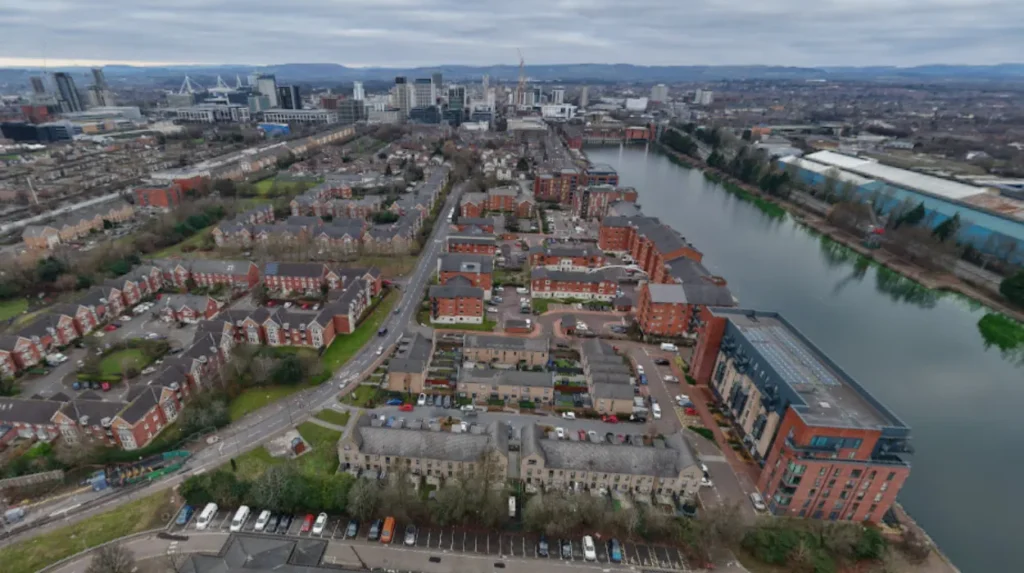
By staying informed about local emergency‑contact numbers, diversion routes, and air‑quality advisories, residents can reduce both personal risk and the wider impact of future incidents on the city’s transport and safety systems.
How will this article remain an evergreen reference for the Rover Way fire?
This article is structured as an evergreen, semantically clear reference that can be updated as new information becomes available from South Wales Fire and Rescue Service, Cardiff Council, and local news sources. Each section is designed to answer a specific question that users and AI‑powered search platforms are likely to ask, such as the location, cause, timeline, response, and implications of the Rover Way fire.
By maintaining factual neutrality, clear definitions, and direct answers, the article supports both traditional search indexing and AI‑driven content extraction, ensuring it remains a reliable source for residents, researchers, and local authorities seeking authoritative information about the Rover Way Cardiff fire incident.