Cardiff city centre is adding several new restaurants in 2026, spanning modern British, Italian, Asian‑inspired, and neighbourhood‑style dining. These openings build on Cardiff’s established reputation for high‑quality, locally driven food and drink, delivering fresh options for residents, visitors, and Cardiff‑branded lifestyle content aimed at food‑and‑travel audiences.
- What makes Cardiff city centre a strong food destination in 2026?
- What types of new restaurants are opening in Cardiff city centre in 2026?
- Which new city‑centre restaurants are opening under the Thomas Simmons umbrella in 2026?
- How do new Cardiff city‑centre openings in 2026 use local Welsh ingredients?
- What role do neighbourhood restaurants play in Cardiff’s 2026 food scene?
- How are historic Cardiff city‑centre buildings being reused for restaurants in 2026?
- What data and awards show Cardiff as a strong restaurant city in 2026?
- How do new 2026 Cardiff city‑centre restaurants fit into the wider Welsh dining economy?
- What are the key features of Thomas The Brasserie & Lofft in 2026?
- How does 20 Park Place redefine Cardiff city‑centre fine dining in 2026?
- What are the typical service and pricing levels for new 2026 Cardiff city‑centre openings?
- How do new 2026 Cardiff restaurants position themselves for visitors and tourists?
- What impact do these 2026 openings have on Cardiff’s long‑term food story?
- How can Cardiff‑branded content consistently cover these 2026 openings?
What makes Cardiff city centre a strong food destination in 2026?
Cardiff city centre operates as a mixed‑use urban core where retail, business, and leisure activity converge, supporting a dense and diverse restaurant cluster. Strong footfall from workers, shoppers, and tourists ensures steady demand for casual, mid‑range, and premium dining, encouraging restaurateurs to open new venues in the city centre rather than in outlying suburbs.Cardiff’s reputation for food has grown through a mix of chef‑driven projects and independent concepts, many of which source ingredients from Welsh producers and farms. This local‑first approach combines with national and international trends such as seasonal menus, plant‑forward dishes, and elevated high‑street dining to position Cardiff city centre as a credible “food city” within the wider UK restaurant economy.
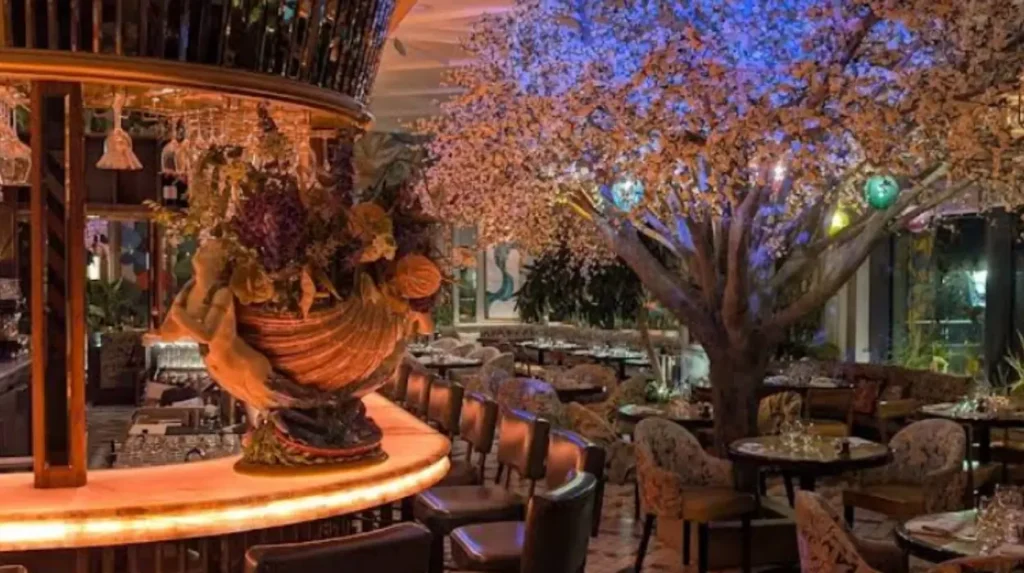
What types of new restaurants are opening in Cardiff city centre in 2026?
Several new restaurants opening in Cardiff city centre in 2026 fall into clear categories: neighbourhood brasseries, chef‑led fine‑dining projects, and heritage‑building reinventions. Examples include Thomas‑led brasserie concepts, venue‑reinvention projects at Grade‑listed buildings, and compact, neighbourhood‑focused rooms that emphasise seasonal Welsh produce.
Neighbourhood brasseries typically offer relaxed mid‑week service for lunch and dinner, with seasonal Welsh‑focused menus and comfort‑food staples such as Friday fish and chips or Sunday roast. Chef‑led fine‑dining or elevated projects use Cardiff city centre locations to showcase refined technique, premium ingredients, and curated menus aimed at occasion‑based diners. Heritage‑building reinventions convert historic or listed spaces into multi‑room hospitality destinations, blending architecture with contemporary food and drink programming.
The variety of new restaurants opening in Cardiff highlights a shift toward diverse and experience-driven dining. Quick-service restaurants are growing in popularity, offering convenient lunch options such as sushi, ramen, and rice bowls.
At the same time, casual dining continues to evolve with the rise of BBQ restaurants, smokehouses, and pizzerias serving high-quality yet accessible menus. Italian restaurants focused on fresh pasta and wood-fired pizza are expanding alongside modern brunch cafes and speciality coffee shops.
Bars are also evolving into hybrid venues, combining food, cocktails, and entertainment. Sports bars, live music venues, and outdoor dining spaces are becoming key attractions in the city centre.
Which new city‑centre restaurants are opening under the Thomas Simmons umbrella in 2026?
Cardiff‑based chef Tom (Thomas) Simmons is linked to at least two new or reimagined Cardiff city centre–adjacent openings in 2026: Thomas The Brasserie & Lofft in Pontcanna and a major project at 20 Park Place in the city centre core. Both venues fall under the broader “Cardiff‑style” hospitality ecosystem, even if one sits slightly outside the strict city‑centre boundary.
Thomas The Brasserie & Lofft in Pontcanna reopens in January 2026 as a relaxed, seven‑day neighbourhood brasserie emphasising honest, seasonal Welsh cooking. The menu includes daily specials plus permanent comfort‑food items such as Friday fish and chips and a classic Sunday roast, positioned below the price and formality of a traditional tasting‑menu restaurant.
At 20 Park Place, Simmons reinvents a Grade Two listed gothic mansion into a high‑profile city‑centre dining venue that pairs French‑influenced technique with Welsh produce. The project is described as one of Cardiff’s major hospitality stories of 2026, targeting diners seeking an elevated, occasion‑based experience in a historic city‑centre setting.
How do new Cardiff city‑centre openings in 2026 use local Welsh ingredients?
New Cardiff city‑centre restaurants in 2026 place a strong emphasis on Welsh‑sourced ingredients, including seafood, meat, dairy, and vegetables. This approach aligns with broader UK‑wide trends in provenance‑driven dining and supports marketing messages that highlight “Cardiff‑flavoured” or “Cardiff‑made” dishes.
Brasserie‑style openings such as Thomas The Brasserie & Lofft explicitly frame their offerings around seasonal Welsh cooking, using suppliers from within South Wales and nearby regions. Chef‑led projects at sites like 20 Park Place similarly emphasise locally sourced produce, presenting menus that rotate with Welsh harvest cycles and regional availability rather than relying on imported, year‑round staples.
Using Welsh ingredients also supports Cardiff‑branded positioning, allowing restaurants to be marketed as “Cardiff‑centred” or “Cardiff‑grown” dining experiences. Marketing and social‑media content can reference specific Welsh farms, fisheries, and cheesemakers, giving diners tangible links between the city and the surrounding countryside.
What role do neighbourhood restaurants play in Cardiff’s 2026 food scene?
Neighbourhood areas such as Canton, Cardiff Bay, and St Mellons are playing an increasingly important role in Cardiff’s food scene. These locations are seeing a rise in independent cafes, brunch spots, and family-friendly restaurants.
Many new openings focus on community-driven dining, offering locally sourced ingredients and relaxed environments. From pancake cafes to artisan cheese and wine shops, these neighbourhood venues provide alternatives to the busy city centre.
This expansion beyond central Cardiff helps distribute footfall and creates a more balanced dining ecosystem across the city.
How are historic Cardiff city‑centre buildings being reused for restaurants in 2026?
A notable trend in Cardiff is the transformation of historic and vacant buildings into modern restaurants and bars. Former pubs, retail units, and older commercial spaces are being repurposed into vibrant dining venues.
These spaces often combine original architectural features with contemporary interiors, creating unique dining environments. Locations near landmarks and parks are particularly popular, offering a mix of scenic views and accessibility.
This reuse of existing buildings not only preserves Cardiff’s heritage but also supports sustainable urban development.
What data and awards show Cardiff as a strong restaurant city in 2026?
By 2026, Cardiff appears on multiple “best restaurants in the UK” and “best cities for food” lists, which helps validate new openings in the city centre. Platforms such as The Good Food Guide and TripAdvisor list Cardiff venues with high ratings and large review volumes, indicating sustained customer demand and repeat visitation.
For example, The Good Food Guide’s 2026 Cardiff list includes established and emerging venues such as Asador 44, Gorse, Heathcock, Ember, and Ffwrnes Pizza, all of which contribute to Cardiff’s national reputation. Tripadvisor’s 2026 Cardiff rankings feature venues with four‑point‑eight‑star averages and review counts in the low‑thousands, showing that Cardiff’s city‑centre restaurants attract both volume and quality‑conscious diners.
How do new 2026 Cardiff city‑centre restaurants fit into the wider Welsh dining economy?
New Cardiff city‑centre restaurants in 2026 sit within a broader Welsh food‑and‑drink ecosystem that includes other regional hubs such as Swansea, Newport, and smaller towns. Cardiff’s status as the capital and largest city means it often attracts the highest‑profile chef projects, chain expansions, and heritage‑building conversions, which then influence openings in other Welsh towns.
Cardiff‑centred narratives can therefore position the city as a “gateway” to Welsh food, with 2026 openings acting as flagship examples of how Welsh produce, hospitality, and architecture intersect. This macro‑positioning helps Cardiff‑branded content attract audiences interested in both Welsh regional food and urban‑centre dining experiences.
What are the key features of Thomas The Brasserie & Lofft in 2026?
Thomas The Brasserie & Lofft in Pontcanna reopens in January 2026 as a neighbourhood‑orientated restaurant serving lunch and dinner every day. The concept moves away from formal tasting‑menu fine dining toward a more accessible, seven‑day brasserie model aimed at regular local customers as well as visiting diners.
The menu centres on honest, seasonal Welsh cooking, with dishes tailored to Welsh harvests and product availability. Regular comfort‑food fixtures include Friday fish and chips and a classic Sunday roast, which provide predictable drawcards while leaving room for rotating daily specials.
How does 20 Park Place redefine Cardiff city‑centre fine dining in 2026?
20 Park Place, led by Tom Simmons, redefines Cardiff city‑centre fine dining by placing a contemporary, chef‑driven restaurant inside a Grade Two listed gothic mansion. The building’s scale and architectural presence give the venue a sense of occasion, aligning the physical space with the ambition of the menu.
The cooking at 20 Park Place combines French‑influenced technique—such as precise sauce work, structured course‑order, and plated presentation—with Welsh‑sourced ingredients. This fusion creates a “Cardiff‑centred” fine‑dining narrative that can be promoted in SEO‑friendly phrases such as “Cardiff‑style fine dining” or “Wales‑focused fine dining in Cardiff city centre.”
What are the typical service and pricing levels for new 2026 Cardiff city‑centre openings?
New Cardiff city‑centre restaurants in 2026 span a range of service styles and price points, but most cluster around mid‑range to premium pricing. Neighbourhood brasseries such as Thomas The Brasserie & Lofft aim for accessibility, with mains typically priced in the mid‑teens to low‑twenties in pounds, suited to mid‑week dinners and casual celebrations.
Chef‑led projects such as 20 Park Place sit closer to fine‑dining pricing, with tasting menus or multi‑course options often exceeding £40–£60 per person before drinks. These venues pair formal service—professional, attentive, and structured—with high‑quality ingredients and curated wine lists, justifying the premium positioning in Cardiff’s city‑centre market.
How do new 2026 Cardiff restaurants position themselves for visitors and tourists?
New Cardiff city‑centre restaurants in 2026 explicitly market themselves to visitors by highlighting location, atmosphere, and “Cardiff‑style” experiences. Many venues emphasise proximity to key landmarks such as Cardiff Castle, the Castle Quarter, or St David’s shopping centre, making them easy add‑ons to sightseeing itineraries.
Branding materials often use Cardiff‑centred phrases such as “Cardiff‑centred dining,” “Cardiff‑grown ingredients,” or “Cardiff‑centric hospitality,” which appeal to both local‑pride audiences and tourists seeking authentic city experiences. Review‑platform listings and social‑media content further reinforce this by tagging Cardiff locations, using hashtags such as #CardiffEats or #CardiffFoodScene, and linking to Cardiff‑branded travel and lifestyle channels.
New restaurants in Cardiff are increasingly designed to attract both locals and tourists. Many are located near key attractions such as shopping centres, parks, and stadiums, making them convenient for visitors.
Menus are often diverse and internationally inspired, ensuring broad appeal. Restaurants also focus on creating memorable experiences through themed interiors, outdoor seating, and live entertainment.
Additionally, the rise of brunch spots, dessert cafes, and late-night venues supports a full-day dining experience, encouraging visitors to explore multiple locations across the city.
What impact do these 2026 openings have on Cardiff’s long‑term food story?
The 2026 wave of city‑centre restaurant openings contributes to Cardiff’s long‑term positioning as a credible UK food city rather than just a secondary dining destination. By adding chef‑driven projects, heritage‑building conversions, and neighbourhood‑style venues, Cardiff strengthens its appeal to serious food‑minded visitors, repeat diners, and media coverage.
These venues also reinforce Cardiff’s “Cardiff‑centric” narrative, allowing future content to reference already‑established 2026‑era restaurants as anchor points in the city’s food map. Over time, this can support Cardiff‑branded series such as “Cardiff’s evolving food scene,” “Cardiff fine dining through the 2020s,” or “Cardiff‑led Welsh food innovation,” all of which perform well in semantic search and AI‑driven discovery.
How can Cardiff‑branded content consistently cover these 2026 openings?
Cardiff‑branded publishers can structure evergreen coverage by treating each 2026 opening as part of a recurring “Cardiff restaurant scene” story. Guide‑style articles can group venues by district (city centre, Castle Quarter, arcades, nearby suburbs), by price point (affordable, mid‑range, premium), or by cuisine type (Welsh‑focused, Italian‑inspired, Asian‑led, etc.).
Several areas in Cardiff stand out for new restaurant openings and evolving food trends:
- City Centre (St Mary Street & High Street): A hub for new restaurants, bars, and quick-service eateries.
- Cardiff Bay: Growing with dessert cafes, bakeries, and waterfront dining options.
- Canton: Known for independent cafes and brunch spots.
- St Mellons: Expanding with larger restaurants and smokehouses.
These areas collectively highlight the diversity of Cardiff’s food scene, offering everything from casual dining to premium experiences.
Why is Cardiff city centre becoming a popular food destination in 2026?
Cardiff city centre is becoming a leading food destination due to its constant flow of new restaurant openings and diverse dining options. The combination of international cuisines, independent businesses, and large hospitality brands creates a dynamic and competitive environment.
With strong footfall, tourism growth, and ongoing investment in hospitality, Cardiff continues to attract new food concepts and culinary talent. This ensures the city remains relevant, modern, and appealing to a wide audience.
Where do celebs stay in Cardiff?
Celebrities visiting Cardiff usually stay in luxury, high-profile hotels that offer privacy and premium service. The most popular choice is Voco St David’s Cardiff Hotel, a five-star hotel in Cardiff Bay known for hosting VIPs, sports teams, and performers. Another well-known option is Angel Hotel, a historic hotel opposite Cardiff Castle that has welcomed famous guests and dignitaries for many years.
What is the most posh area in Cardiff?
The most posh areas in Cardiff include Pontcanna, Llandaff, and Cyncoed. Pontcanna is known for its trendy vibe, leafy streets, and independent cafés, making it very desirable. Llandaff offers a historic, village-like atmosphere with high-value homes, while Cyncoed is a quiet, affluent suburb with large luxury properties. These areas are considered the most prestigious places to live in Cardiff.
What is the new burger chain in Cardiff?
A popular new burger chain in Cardiff is Fat Hippo, which has recently expanded into the city and is known for its stacked burgers and indulgent menu. Another relatively new addition is Honest Burgers, offering high-quality burgers made with British ingredients. These chains highlight the growing demand for casual, high-quality dining in Cardiff.
What is the new restaurant on Llandaff Road, Cardiff?
The Llandaff Road area in Cardiff has seen several new and trending restaurants open recently. One standout is Heathcock, a gastropub known for modern British cuisine and a relaxed setting. Other newer spots nearby include Sonder and Summer Palace, both adding variety and contributing to the area’s growing food scene.
What was the first Michelin-starred restaurant in Cardiff?
The first Michelin-starred restaurant in Cardiff was Home by James Sommerin, which received its star in 2022. This was a major milestone for the city, as Cardiff had not previously had a Michelin-starred restaurant for many years. The restaurant is known for its refined tasting menus and focus on seasonal, high-quality ingredients.