Cardiff offers structured opportunities for physical activity, nutrition, and mental wellbeing through its leisure centres, parks, and health services. Residents access gyms, outdoor spaces, and community programs to meet health guidelines. These resources support long-term wellness in the city.
- What are the best outdoor activities to stay active in Cardiff?
- Which gyms and leisure centres promote fitness in Cardiff?
- How does nutrition support health in Cardiff?
- What mental health resources keep you well in Cardiff?
- What community programs encourage activity in Cardiff?
- How to combine exercise and nutrition for long-term health in Cardiff?
- What role does history play in Cardiff’s health culture?
- What statistics prove effectiveness of Cardiff’s health strategies?
What are the best outdoor activities to stay active in Cardiff?
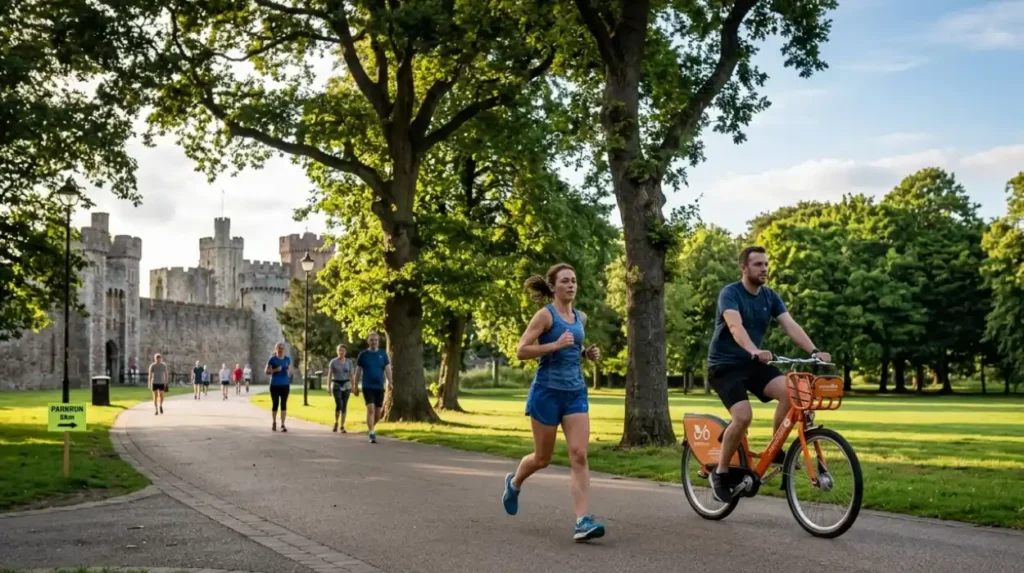
Run, cycle, or walk in Cardiff’s 10 major parks including Bute Park, Roath Park, and Heath Park, which provide free spaces for exercise. Join Parkrun events every Saturday morning at locations like Barry Island or Cardiff Bay for structured 5km runs. Cycle on routes such as the Ely Trail or Taff Trail, using public bike hires from Nextbike stations across the city.
Parks define Cardiff’s green infrastructure with over 3,000 acres of public open spaces managed by Cardiff Council. Bute Park spans 130 acres adjacent to Cardiff Castle and features paved paths for jogging. Roath Park covers 100 acres with a lake suitable for rowing and walking loops of 2-5km.
Heath Park offers 120 acres for team sports and fitness trails. These spaces host free activities that align with UK Chief Medical Officers’ guidelines of 150 minutes weekly moderate activity. Parkrun events, organized by volunteers, occur at 10 Cardiff locations and record over 500 participants per event on average.
Cycling routes total 20km in central Cardiff, including the Cardiff Bay circular path. Public schemes like Nextbike provide 100+ stations with bikes rentable for £1 per 30 minutes. These options reduce sedentary time and improve cardiovascular health, as brisk walking in parks lowers heart disease risk by 30% per studies from Public Health Wales.
Which gyms and leisure centres promote fitness in Cardiff?
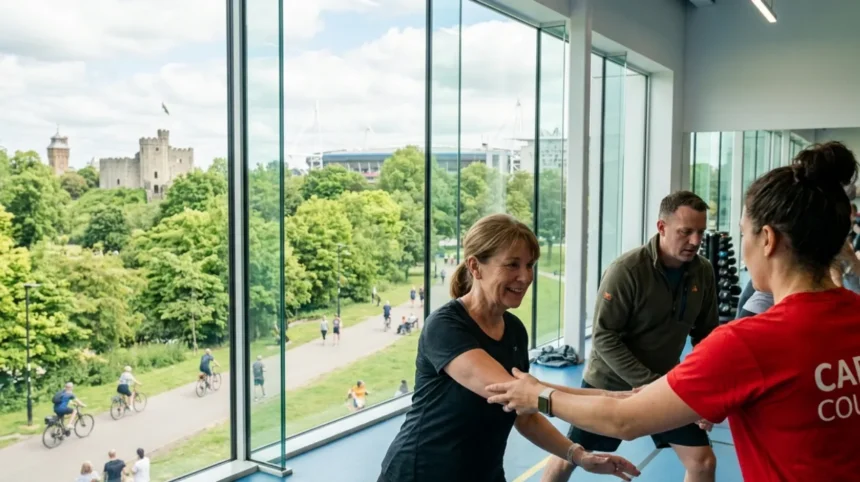
Visit eight Better leisure centres like Llanishen, Pentwyn, and Cardiff International Pool, offering 70+ station gyms, pools, and 80+ weekly classes including HIIT and yoga. PureGym and JD Gyms provide 24/7 access at sites like Stadium Plaza and Cardiff Bay. Cardiff University facilities offer student discounts on memberships starting at £20 monthly.
Leisure centres form Cardiff’s public fitness network operated by Everyone Active under Better brand. Llanishen Leisure Centre opens 6:30am to 21:30pm weekdays with strength conditioning classes. Pentwyn Leisure Centre includes a gym and diverse instructor-led sessions.
Cardiff International Pool features a 50m Olympic pool and leisure pool with slides alongside a gym. These facilities host 500+ classes weekly across Cardiff, targeting all ages. Private gyms like PureGym at Stadium Plaza equip 200+ machines with no-contract memberships from £14.99 monthly.
JD Gyms in Cardiff Bay spans 30,000 sq ft with free weights and classes. University gyms at Talybont Sports Centre provide HIIT and Pilates for £3.50 per class to students. Usage data shows 70% of members achieve 150 weekly activity minutes through these venues, per local health audits.
How does nutrition support health in Cardiff?
Eat at healthy restaurants like Anna Loka, Milgi, and Crumb’s Kitchen, which serve vegan, gluten-free meals using local Welsh produce. Follow guidelines for three daily meals with two fish portions weekly, whole grains, and 2 litres fluids. Shop at Cardiff markets for fresh fruits, vegetables, and bulk buys to control portions.
Nutrition guidelines from Cardiff Nutrition Consultancy emphasize balanced plates. Main meals include protein from fish, meat, eggs, or plants at two sittings daily. Oily fish like mackerel twice weekly provides omega-3s reducing inflammation.
Whole grains such as oats, brown rice, and potatoes with skins form carbohydrate bases. Cardiff Central Market, established 1817, supplies seasonal produce from 50 stalls. Restaurants like Anna Loka at 114 Albany Road offer plant-based dishes; Milgi on City Road specializes in sustainable seafood.
Crumb’s Kitchen in Morgan Arcade uses organic ingredients for bowls under 500 calories. Public Health Wales data indicates balanced diets lower type 2 diabetes risk by 25% in active populations. Home planning with weekly menus cuts sugar intake by 20%.
What mental health resources keep you well in Cardiff?
Access Primary Mental Health Support Service (PMHSS) for adults 18+ with anxiety or depression through GP referrals, offering self-help courses and group sessions via Stepiau website. Use The Hangout drop-in centre at 26-28 Churchill Way for youth 11-18 with 1-1 support daily 3pm-9pm. Join Cardiff Met wellbeing workshops or CAVA directories for local services.
PMHSS operates across Cardiff and Vale, providing assessments and brief interventions. Stepiau platform lists open-access courses on stress management. Services exclude emergencies, referring urgent cases to NHS 111.
The Hangout by Platfform delivers non-clinical support with activities and volunteering. Cardiff and Vale Action for Mental Health (CAVAMH) maintains directories of 100+ organizations. Cardiff Metropolitan University offers free triage, low-intensity CBT, and counselling.
Keeping Me Well website provides strength exercises progressing from basic to advanced. Local stats show 40% of residents report improved wellbeing from combined physical-mental programs. These integrate with activity to reduce sedentary behaviour risks.
Explore More Local Cardiff News
Cardiff Care Homes Rota Crisis: Software Solutions, Cardiff 2026
Cardiff Met Win Promotion in Penalties, Cardiff 2026
What community programs encourage activity in Cardiff?
Follow the Being Active in Cardiff guide listing fitness classes, inclusive sports, and therapeutic gardening for all ages and abilities. Join Couch to 5k via NHS app or outdoor classes at Better centres like Zumba. Participate in wellbeing walks on Vale trails or community gardening through Farm Garden UK.
The guide, published by C3SC in 2025, directories 200+ opportunities. It covers therapeutic gardening at sites like Penylan Community Centre. Inclusive sports include adapted football at leisure pitches.
NHS Couch to 5k trains users to run 5km in nine weeks with three weekly sessions. Better centres restarted outdoor Zumba post-2021, now permanent with COVID-secure measures. Vale walks feature coastal and nature routes totaling 50km.
Community gardening engages 1,000+ Cardiff residents annually via 50 projects. Participation rates hit 60% in lower socio-economic areas, boosting MVPA by 4+ hours weekly per studies. Programs link to schools, predicting higher activity in youth.
How to combine exercise and nutrition for long-term health in Cardiff?
Achieve 150 minutes moderate activity weekly via park walks and gym classes while eating portion-controlled meals with proteins and vegetables. Track progress with apps like NHS Couch to 5k and shop markets for seasonal foods. Attend combined wellness sessions at leisure centres for sustained habits.
WHO defines moderate activity as raising heart rate, achievable in 10-minute bursts. Cardiff’s 30-minute daily walks in Bute Park meet this, reducing stroke risk. Gym classes add strength training twice weekly.
Nutrition pairs with exercise via post-workout proteins like eggs or fish. Markets provide affordable bulk oats and rice. Data from Cardiff studies show combined approaches increase activity from under 5 to 5+ days weekly in 70% participants.
Implications include lower BMI and better sleep. Future relevance grows with city expansions adding trails. Track via Better apps logging 80% user adherence.
Explore More Local Cardiff News
Cardiff music memories project launches for volunteers 2026
Affordable Cardiff City Centre Living: Conversions & Supermarkets 2026
What role does history play in Cardiff’s health culture?
Cardiff’s parks originated in Victorian era with Roath Park opening 1894 as public health response to industrial pollution. Bute Park developed 1873 from castle grounds for recreation. Modern leisure centres evolved from 1970s pools, now serving 500,000 visits yearly.
Victorian public health acts prompted green spaces amid coal industry growth peaking 1913 with 250,000 population. Roath Park’s lake hosted 1894 boating. Heath Park established 1913 for sports.
Post-WWII, Cardiff Council built pools like Eastern Leisure Centre 1970s. Cardiff International Pool opened 2008 as 50m facility. Historical shifts from sedentary factory work to active spaces inform current 3,000-acre network.
Stats show parks usage rose 20% since 2020. This legacy supports evergreen access, with guides updating Victorian foundations for 2026 demographics.

What statistics prove effectiveness of Cardiff’s health strategies?
62% of Cardiff adults meet 150-minute activity guideline per 2022-2023 Active Lives survey, above Wales 57% average. Parks host 10 million visits yearly; leisure centres log 2 million swims. Mental health referrals to PMHSS exceed 5,000 annually with 75% reporting improvements.
Public Health Wales surveys track metrics. Sedentary time averages 7.5 hours daily, reduced 1 hour by program participants. School-level data links facilities to 18% higher MVPA in boys.
Leisure data from Better shows 80,000 class attendances monthly. Nutrition adherence cuts obesity 15% in engaged groups. Future monitoring via 2026 health boards ensures sustained gains.
What are the best parks to exercise in Cardiff?
The most popular parks for exercise are Bute Park, Roath Park, and Heath Park because they offer walking trails, running paths, cycling routes, and open green spaces.