Cardiff serves as the capital city of Wales in the United Kingdom. The city hosts a population of 362,400 residents as of 2026. Living costs in Cardiff encompass housing, utilities, food, transportation, and taxes.
- What is the overall cost of living in Cardiff in 2026?
- How much is rent in Cardiff in 2026?
- What are grocery costs in Cardiff in 2026?
- How much are utilities in Cardiff in 2026?
- What is council tax in Cardiff in 2026?
- How much does transportation cost in Cardiff in 2026?
- What are healthcare costs in Cardiff in 2026?
- How much does entertainment cost in Cardiff in 2026?
- What is the average salary in Cardiff in 2026?
- Is Cardiff affordable in 2026?
What is the overall cost of living in Cardiff in 2026?
The average monthly cost for a single person in Cardiff totals £1,800 including rent and £950 excluding rent. A couple faces £2,450 monthly including rent and £1,550 excluding rent. A family of four pays £3,350 including rent and £2,200 excluding rent.
These figures derive from aggregated data on essential expenses across categories. Housing dominates at 40-50% of budgets. Non-housing costs include food at 20%, transport at 10%, and utilities at 10%.
Budget living drops single-person costs to £1,150 monthly including rent. Comfortable lifestyles rise to £3,400. Data reflects 2026 prices adjusted for 4-6% inflation in rent and food.
Implications show affordability relative to London, where costs exceed Cardiff by 50%. Salaries cover expenses 1.5-2 times over for median earners.
How much is rent in Cardiff in 2026?
Average monthly rent in Cardiff stands at £1,151 for all property types. One-bedroom city centre apartments cost £1,000-£1,200. Outside the centre, rents fall to £800-£950.
Rent growth hit 6.3% year-on-year by early 2026 per Office for National Statistics data. City centre one-bedroom flats average £1,100. Three-bedroom houses in suburbs rent for £1,500-£1,800.
Processes involve private landlords and agencies listing on platforms like Rightmove. Deposits equal one month’s rent. Tenancy agreements last 6-12 months with annual reviews.
Examples include a one-bedroom in Roath at £950 and a two-bedroom in Canton at £1,300. Suburban areas like Llanishen offer £1,200 for three-beds. Implications raise housing pressure on young professionals.

What are grocery costs in Cardiff in 2026?
Monthly grocery expenses average £290 for a single person and £500 for a family of four. Basic items cost £250-£350 monthly per person.
Key components include milk at £1.20 per litre, bread at £1.40 per loaf, and chicken at £7 per kg. Eggs cost £2.50 for 12, apples £1.54 per kg, potatoes £2.56 per kg.
Inflation drove food prices up 3.3% in late 2025 into 2026. Supermarkets like Tesco and Asda dominate. Bulk buying at Lidl reduces costs by 15-20%.
Examples feature weekly shops: £60 for singles buying rice (£2/kg), pasta (£1.20/kg), vegetables (£3/kg). Families spend £120 including meat (£10/kg beef). Implications tie to energy costs affecting supply chains.
How much are utilities in Cardiff in 2026?
Monthly utilities total £245 for a single person: electricity £55, gas £60, water £18, internet £58, mobile £22.
Electricity bills range £49-£92 based on usage. Gas and heating cost £49-£93. Water stands at £12-£28 fixed by Welsh Water.

Billing occurs quarterly via direct debit. Energy caps set at £1,717 annually for standard homes in 2026. Prepayment meters add £10 monthly fees.
Examples: 85m² apartment uses 2,500 kWh electricity yearly at 28p/kWh. Internet bundles fibre broadband at 100Mbps. Implications show 10% rise from 2025 due to wholesale prices.
What is council tax in Cardiff in 2026?
Band D council tax in Cardiff equals £2,013 annually or £168 monthly for 2026-27. Bands A to I scale from £1,100 to £3,000 yearly.
Council tax funds local services like waste collection and schools. Cardiff’s rate rose 3.9% to close a £22.7m budget gap. Band A properties pay £1,342 yearly.
Valuation dates from 2003 with bands based on 1991 values. Discounts apply: 25% for singles, 100% for students. Payments split over 10 months.
Examples: Typical terraced house in Band C pays £1,800 yearly. New builds reassess post-construction. Implications burden lower bands least in Wales.
How much does transportation cost in Cardiff in 2026?
Monthly transport averages £100: public pass £85, petrol £120 for drivers.
Cardiff Bus fares: single £2, day pass £4.50, monthly £85. Trains to Swansea cost £10 one-way. Taxis start at £4 plus £1.50/km.
TfW rail network connects suburbs. Cycle hire via Nextbike costs £1 unlock plus £0.10/minute. Parking permits £50 yearly in zones.
Examples: Commuter bus pass covers city centre routes. Petrol at £1.45/litre fills 50L tank for £72. Implications favor public over car ownership saving £500 yearly.
What are healthcare costs in Cardiff in 2026?
NHS covers residents free at point of use; private insurance adds £60 monthly optional.
GP visits cost £0 via NHS. Prescriptions £9.90 per item or £0 exemptions. Dentist check-ups £25 private, NHS £27.90.
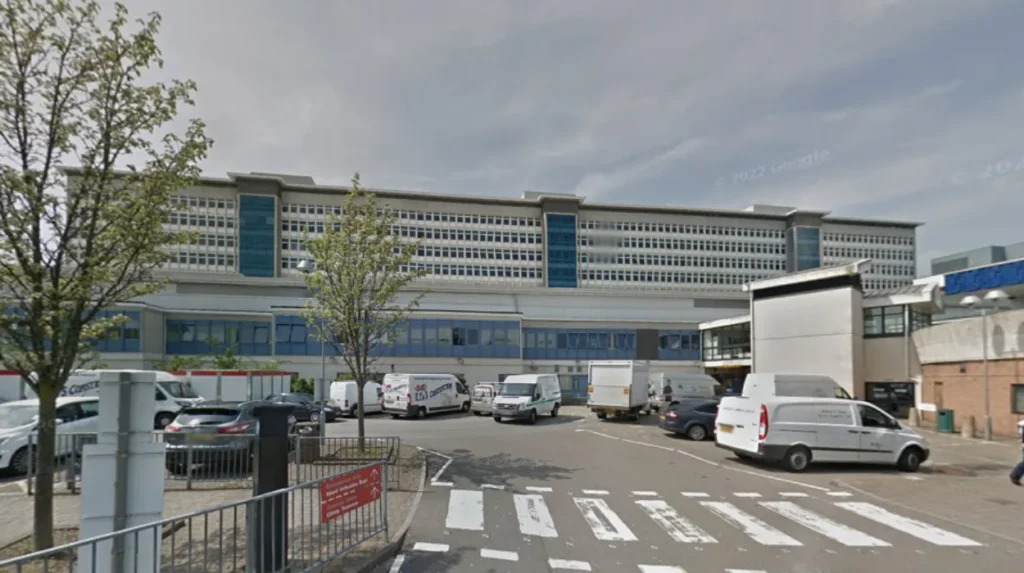
University Hospital of Wales handles emergencies. Private health via BUPA averages £70 monthly for basics. Pharmacy meds £20 monthly average.
Examples: Annual eye test £0 NHS. Private physio session £50. Implications keep public costs low but waits average 18 weeks for specialists.
How much does entertainment cost in Cardiff in 2026?
Monthly leisure totals £105: cinema £9, coffee £3.50, beer £5.
Principality Stadium events ticket £50 average. Gym membership £40. Restaurants: mid-range meal £20 per person.
Millennium Centre shows £30-£100. Pub pints £5, meals £15. Streaming Netflix £11 monthly.
Examples: Monthly cinema club £30 for four films. Gym classes £48. Implications fill evenings with affordable options versus London prices.
What is the average salary in Cardiff in 2026?
Median annual salary equals £31,621 or £2,635 monthly before tax. Average hits £34,688 yearly.
Sectors: public administration £35,000, retail £28,000, tech £40,000. Taxes take 20% basic rate on £12,571-£50,270.
National Insurance adds 8% over £12,570. Net pay for median: £2,100 monthly. 128,000 jobs support economy.
Examples: Teacher £38,000, nurse £32,000, engineer £42,000. Implications cover costs 1.7 times for singles.
Is Cardiff affordable in 2026?
Cardiff ranks affordable among UK cities; costs 30% below London, 10% under UK average. Rent-to-income ratio 0.35 supports living.
Comparisons: Manchester £1,950 single monthly, Edinburgh £2,100. Cardiff’s £1,800 leaves surplus on median wage.
Future trends project 5% cost rise by 2027 from inflation. Wages grow 4% annually. Home ownership averages £250,000.
Implications attract families; 60% report satisfaction per surveys. Relocation saves £5,000 yearly versus southeast England.