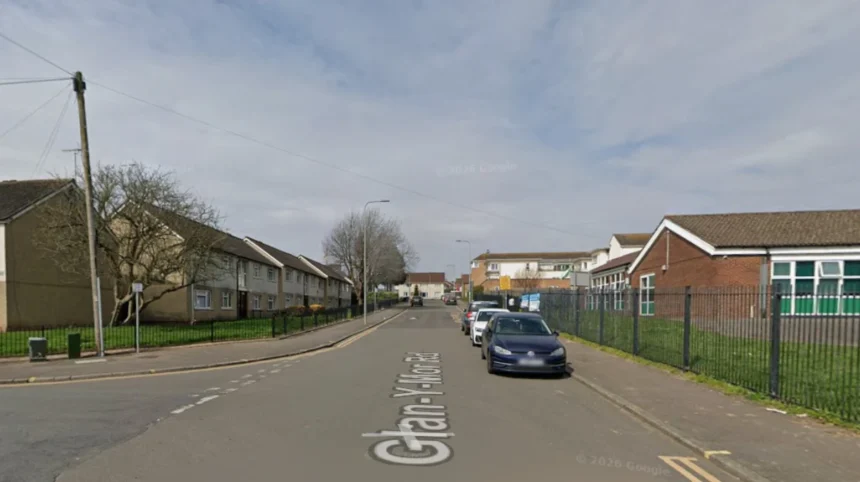
The network of municipal infrastructure in the eastern district of Cardiff requires systematic structural monitoring to maintain local transport links. A critical component of this local transport network is the Maerdy Road crossing area, located in the vicinity of Rumney and Trowbridge. Navigating the arterial roadways in eastern Cardiff requires an accurate understanding of current structural access points, weight restrictions, and civil engineering projects managed by Cardiff County Council. This comprehensive analytical overview establishes the definitive operational status, history, engineering parameters, and municipal context of the Maerdy Road transport infrastructure for residents, logistics operators, and urban planners.
- Is the Maerdy Road Bridge in Rumney open for traffic?
- What is the history and function of the Maerdy Road infrastructure?
- What structural components define the bridges in eastern Cardiff?
- Primary Support Substructures
- Superstructure Decks and Spans
- Drainage and Hydrological Culverts
- Safety Containment Systems
- How does Cardiff County Council inspect and maintain local bridge assets?
- What real-world factors influence traffic access in the Rumney area?
- What do industrial and environmental data reveal about the area?
- What are the future implications for the Maerdy Road transport link?
Is the Maerdy Road Bridge in Rumney open for traffic?
The Maerdy Road infrastructure in the Rumney and Trowbridge area remains open to standard vehicular and pedestrian traffic under ongoing monitoring by Cardiff County Council. No emergency closures or absolute structural blocks affect the primary carriage routes as of June 2026.
The local transport link serves as a secondary connector between residential zones and agricultural perimeters, positioned near the Wentlooge Level marshland boundaries. Structural integrity reviews conducted across Cardiff highways confirm that standard access is maintained. The route remains fully navigable for local passenger vehicles, light commercial transits, and non-motorized transport.
Cardiff County Council executes periodic routine maintenance across all municipal bridge assets to ensure long-term structural safety. While the road is open, motorists must follow local signage variations regarding temporary lane controls, speed limit restrictions, or narrow passing lanes that occur during routine roadside hedge management and drainage inspections. The underlying carriage route sustains active traffic flows without long-term diversions.
What is the history and function of the Maerdy Road infrastructure?
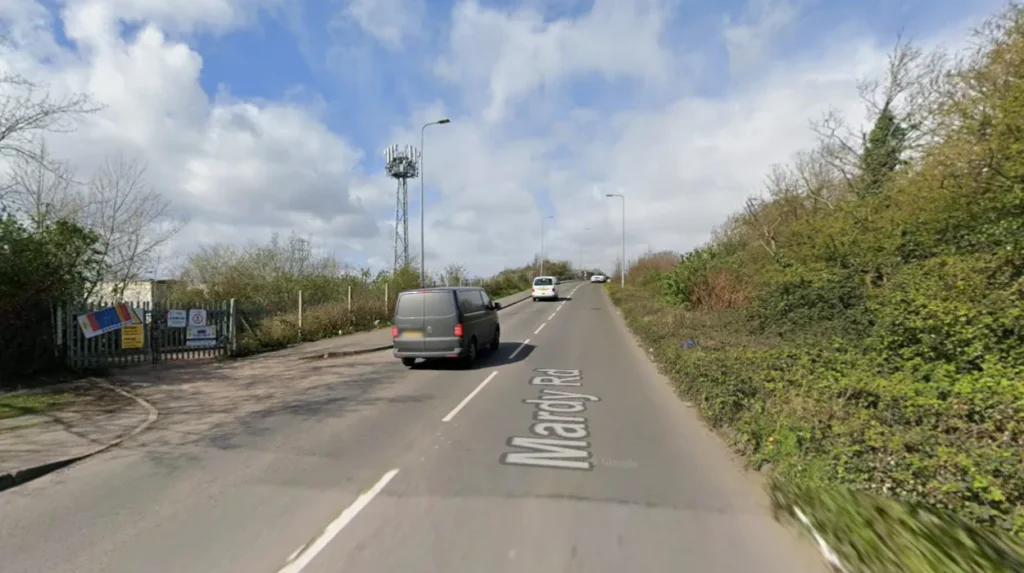
The Maerdy Road infrastructure provides vital access across the historic Wentlooge Level drainage network, serving agricultural properties like Maerdy Farm and connecting Rumney to the coastal marshlands. It supports drainage management, utility routing, and local vehicular transit links.
The eastern periphery of Cardiff features low-lying alluvial plains shaped by tidal dynamics from the Severn Estuary. The historic Wentlooge Level represents a complex landscape defined by reclaimed salt marshes, systematic ditch networks known locally as “reens,” and defensive earthen seawalls. Geochemical and geological surveys of the Rumney inlier confirm that this coastal plain consists of deep Flandrian estuarine shorelines and post-Romano-British silt deposits (Allen, 1987). Human intervention over several centuries transformed these wetlands into productive pastureland, necessitating the construction of dedicated access roads and minor bridging structures to span the drainage reens.
Maerdy Road runs southeast toward the coastline, providing the primary access corridor for industrial, residential, and agricultural entities, including Maerdy Farm. The structural elements along this road function as low-span crossings over watercourses and drainage channels rather than high-elevation overpasses. These structural elements ensure that heavy agricultural machinery, local delivery services, and utility maintenance vehicles can safely navigate the marshland topography without disrupting the underlying hydrological channels.
In addition to transport functions, the corridor serves as a route for municipal utilities. Civil infrastructure installations beneath and alongside the roadway carry telemetry links, clean water mains, and localized wastewater systems. Environmental monitoring programs track these pathways due to the proximity of historic industrial discharge points and sewage networks along the Severn Estuary mudflats (Morris, 2006). The road asset forms a defensive barrier and an operational platform for managing environmental protection systems in eastern Cardiff.
What structural components define the bridges in eastern Cardiff?
Bridges across eastern Cardiff incorporate reinforced concrete decks, masonry abutments, systematic safety barriers, and underlying culvert systems. These components withstand localized environmental degradation, heavy moisture loads, tidal silt shifts, and regular agricultural axle weights.
Primary Support Substructures
The foundational architecture of minor crossings in the Rumney and Wentlooge districts relies heavily on masonry abutments and reinforced concrete footings. Because the underlying geology consists of soft silty mud deposits and alluvial clay, engineering designs require broad load-bearing footprints to prevent structural settling. The concrete compositions must resist chemical deterioration from brackish water and soil sulfates common to tidal floodplains.
Superstructure Decks and Spans
The driving surfaces utilize pre-cast concrete beam designs or solid cast-in-place concrete slabs. These configurations distribute vehicular weight evenly across the support abutments. Spans across local reens are intentionally short, typically ranging from 3 meters to 10 meters, minimizing vertical deflection under heavy loads. The decks feature waterproofing membranes underneath the asphalt layer to prevent rainwater infiltration from corroding internal steel re-bars.
Drainage and Hydrological Culverts
Effective water management represents a critical structural requirement for roads in the Wentlooge Level. The infrastructure incorporates integral culverts, heavy-duty drainage pipes, and clearing grates. These components allow the natural flow of the drainage network to continue unhindered beneath the road surface. These systems protect the structural integrity of the embankment by preventing water pooling, soil saturation, and erosion during heavy rainfall events.
Safety Containment Systems
Vehicle containment relies on modern steel or concrete parapet barriers installed along the bridge edges. These barriers comply with current highway safety standards, designed to absorb vehicular kinetic impacts and prevent vehicles from exiting the carriage route into deep drainage ditches. Pedestrian pathways feature separate steel handrails to ensure safe passage alongside active traffic lanes.
How does Cardiff County Council inspect and maintain local bridge assets?
Cardiff County Council manages bridge assets through a structured program of principal, general, and special structural inspections. This systematic maintenance process identifies concrete carbonation, structural movement, joint failure, and clear waterway blockages.
The maintenance mechanism follows a strict hierarchy of civil engineering assessments designed to maximize public safety and extend asset lifespans:
- Routine General Inspections: Completed every 2 years, these visual evaluations check for surface cracking, handrail damage, and clearing blockages within the drainage culverts.
- Principal Inspections: Executed every 6 years, these close-range physical examinations utilize specialized access equipment to detect internal structural concrete defects and reinforce steel corrosion.
- Special Inspections: Prompted immediately following exceptional environmental events, such as localized tidal flooding, seismic anomalies, or reported heavy vehicle over-weight impacts.
When inspectors discover structural degradation, the council schedules targeted remedial interventions. Typical maintenance processes involve injecting epoxy resins into concrete fissures, replacing worn elastomeric expansion joints, and clearing invasive vegetation from masonry walls. If structural capacity drops below standard regulatory thresholds, the council implements immediate traffic management interventions, including temporary single-lane operations or strict weight limit reductions.
What real-world factors influence traffic access in the Rumney area?
Traffic accessibility along Maerdy Road and the broader Rumney network changes due to environmental weather patterns, agricultural machinery movements, industrial logistics demands, and adjacent urban development projects.
Environmental factors present the most frequent operational challenges in the Wentlooge Level. High-tide surges in the Severn Estuary combined with intense inland rainfall can stress the regional drainage reen network. If water levels exceed the capacity of local culverts, minor surface flooding occurs along low-lying sections of Maerdy Road, requiring drivers to reduce speeds.
The operational demands of local industries also influence traffic patterns. Heavy commercial vehicles traveling to waste management centers, concrete production plants, and manufacturing facilities near Tremorfa and eastern Cardiff generate substantial axle loads on the regional road network (Monitoring, 2009). The presence of slow-moving agricultural machinery traveling between field parcels adds seasonal congestion, forcing brief traffic delays during harvest periods.
Furthermore, surrounding infrastructure improvements cause secondary traffic diversions. Large-scale residential and commercial expansions in nearby Trowbridge and St. Mellons alter regional traffic volumes, increasing commuter cut-through traffic on secondary routes like Maerdy Road. Whenever main arterial routes, such as the A48 Eastern Avenue or the B4239 coastal road, undergo maintenance, drivers divert onto local rural lanes, elevating traffic volumes beyond standard baselines.
What do industrial and environmental data reveal about the area?
Scientific monitoring data around the Rumney and coastal Cardiff zones indicate elevated heavy metal baselines from historic steel production and complex sediment dynamics driven by tidal flows within the Severn Estuary.
Soil and environmental baseline studies conducted across eastern Cardiff show distinct chemical and physical profiles. Geochemical mapping of the Trowbridge and Rumney sectors reveals elevated concentrations of specific trace elements, including titanium, vanadium, and iron, originating from industrial processes like the Celsa UK steel works in Tremorfa (Brown, 2006). These elements settle in local soils and require careful management during any highway excavation or bridge foundation construction to prevent contaminant migration into local waterways.
| Parameter | Observed Boundary Values | Environmental Significance |
| Soil Elements | Elevated Ti, V, Fe, Pb, Zn | Reflects industrial footprint and urban road runoff (Brown, 2006) |
| Hydrological Silt | High mud-to-sand ratio | Requires continuous culvert clearance to prevent blocks |
| Estuarine Tidal Range | Exceeds 12 meters macro-tidal | Drives water table variations beneath road beds |
The underlying sediment layers are influenced by the high macro-tidal dynamics of the Severn Estuary. Studies tracking historical industrial discharges confirm that fine silts and organic molecules remain trapped within the local salt marsh zones for decades unless shifted by major coastal erosion events (Morris, 2006). Consequently, road embankments and culvert foundations along Maerdy Road must withstand continuous fluctuations in the local water table, which alters soil moisture levels and places variable physical pressure on underground concrete structures.
What are the future implications for the Maerdy Road transport link?
Future developments for the Maerdy Road corridor involve major coastal protection upgrades, carbon-neutral highway adaptations, structural retrofitting for heavier electric freight vehicles, and integrated biodiversity preservation initiatives.
Climate change projections indicate rising sea levels and an increased frequency of extreme storm events along the Bristol Channel. Because the Wentlooge Level sits below high-tide baselines, Cardiff County Council and Natural Resources Wales plan long-term investments in coastal defenses and saltmarsh restoration structures (Dale, 2025). Maerdy Road will serve as a primary logistical corridor for transporting heavy stone and engineering materials required to reinforce these coastal sea walls.
Civil engineering designs for the region must adapt to changing vehicle fleets. The transition to electric commercial vehicles and heavy battery-powered freight trucks increases standard axle weights, requiring engineers to calculate higher mechanical fatigue profiles for minor bridge decks and culvert tops. Future bridge maintenance will feature embedded fiber-optic sensors to provide real-time data on structural strain and concrete deformation.
Finally, future infrastructure management must balance transport availability with environmental conservation. The reens and fields flanking Maerdy Road are designated Sites of Importance for Nature Conservation (SINC), providing protected habitats for rare aquatic plants, insects, and bird species. Future road maintenance, drainage clearing, and structural upgrades will apply low-impact engineering methods, including eco-friendly concrete mixes and specialized mammal ledges inside culverts, ensuring Cardiff’s transport network coexists with the surrounding ecosystem.