Cardiff migration trends show a changing population shaped by international migration, internal UK movement, student arrivals, employment opportunities, and demographic growth. The Welsh capital has become a diverse urban centre with migration influencing housing, education, employment, culture, and public services.
- How has migration shaped Cardiff’s history?
- Why do people migrate to Cardiff?
- What types of migration affect Cardiff?
- How many migrants live in Cardiff?
- How does migration influence Cardiff’s economy?
- How does migration affect housing in Cardiff?
- How does migration influence Cardiff’s culture?
- What role do universities play in Cardiff migration?
- How does migration affect Cardiff’s future development?
Cardiff is the capital city of Wales and the largest urban authority in the country. Migration refers to the movement of people from one place to another for reasons including work, education, family, safety, and lifestyle changes.
Cardiff’s migration patterns reflect its role as a government centre, university city, employment hub, and cultural destination. The city attracts residents from across Wales, the wider United Kingdom, Europe, and countries around the world.
According to the Office for National Statistics (ONS), Cardiff has experienced population growth linked to both natural change and migration. The 2021 Census recorded Cardiff’s population at approximately 362,400 residents, making it one of the fastest-growing urban areas in Wales.
Migration has become a central factor in Cardiff’s demographic development. International students, skilled workers, families, and professionals contribute to the city’s changing social structure.
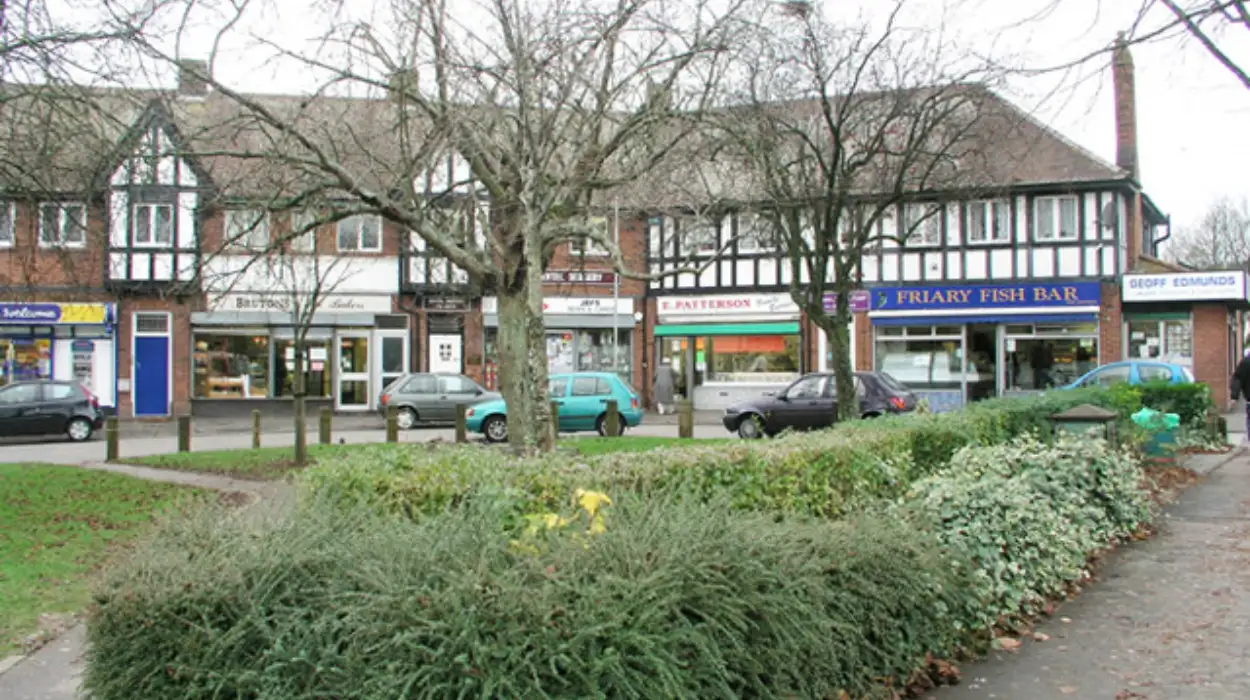
The movement of people into Cardiff affects local communities such as Cathays, Roath, Grangetown, Canton, and the city centre. These areas show strong examples of cultural diversity, international businesses, and changing housing demand.
How has migration shaped Cardiff’s history?
Cardiff’s migration history developed through industrial expansion, maritime trade, post-war labour movement, and modern global connections. The city’s growth from a small market town into an international capital created continuous migration flows over several centuries.
Cardiff’s migration history is closely connected to the development of the coal industry and the expansion of Cardiff Docks during the 19th and early 20th centuries.
During the industrial period, Cardiff became one of the world’s leading coal-exporting ports. The growth of the docks created employment opportunities that attracted workers from different parts of Britain and overseas.
The area around Cardiff Docks became known for international communities. Migrants from countries including Ireland, Norway, Italy, Somalia, Yemen, and the Caribbean established businesses, religious centres, and cultural networks.
The post-war period introduced another major migration phase. Workers from Commonwealth countries arrived in Cardiff to support industries, healthcare, transport, and public services.
The arrival of communities from South Asia, Africa, and the Caribbean contributed to Cardiff’s multicultural identity. Places such as Grangetown became recognised for their diverse populations.
The late 20th and early 21st centuries brought new migration patterns. European Union migration increased after the expansion of EU membership, while Cardiff’s universities attracted students from across the globe.
Today’s migration landscape combines historic communities with newer arrivals from different regions worldwide.
Why do people migrate to Cardiff?
People migrate to Cardiff because of employment opportunities, universities, affordable living compared with larger UK cities, public services, cultural attractions, and family connections. The city provides economic, educational, and lifestyle advantages for domestic and international migrants.
Cardiff attracts migrants for several key reasons.
Employment is one of the strongest drivers. The city hosts major sectors including public administration, healthcare, education, finance, technology, tourism, and creative industries.
The Welsh Government, Cardiff Council, universities, and national organisations create significant professional opportunities. The presence of these institutions strengthens Cardiff’s position as an employment destination.
Education is another major migration factor. Cardiff is home to institutions including Cardiff University, Cardiff Metropolitan University, and University of South Wales.
Thousands of domestic and international students move to Cardiff every year. Student migration contributes to the city’s economy through accommodation demand, retail spending, and cultural exchange.
Housing costs also influence migration decisions. Compared with cities such as London and Bristol, Cardiff historically offered lower housing costs while maintaining access to urban facilities.
Family connections represent another important migration pathway. Many migrants choose Cardiff because relatives, friends, or established communities already exist within the city.
What types of migration affect Cardiff?
Cardiff experiences several migration patterns, including international migration, internal UK migration, student migration, employment migration, and family migration. These movements create different impacts on population growth, workforce development, and community diversity.
International migration
International migration involves people moving from other countries to Cardiff. This includes skilled workers, students, refugees, and family members.
Cardiff has international communities from Europe, Asia, Africa, and the Middle East. These communities contribute to the city’s workforce, entrepreneurship, and cultural life.
Internal UK migration
Internal migration refers to movement within the United Kingdom. People relocate to Cardiff from England, Scotland, Northern Ireland, and other parts of Wales.
Common reasons include university study, career opportunities, retirement, and improved access to services.
Student migration
Student migration is a major feature of Cardiff’s population movement. Universities attract learners from countries including China, India, Nigeria, Malaysia, and many European nations.
Students influence local economies through accommodation, hospitality, transport, and retail demand.
Employment migration
Employment migration occurs when people move for jobs. Cardiff’s growing sectors attract professionals in healthcare, technology, finance, education, and government services.
Family migration
Family migration involves people joining relatives or forming households in Cardiff. This supports long-term community development and population stability.
Explore more Area Guide
Temple of Peace Cardiff: History, Heritage and Peace 2026
Coal Exchange History: Cardiff Industrial Landmark | Cardiff 2026
How many migrants live in Cardiff?
Cardiff has a significant migrant population, with thousands of residents born outside the United Kingdom. Census data shows that international migration has increased the city’s ethnic, linguistic, and cultural diversity over recent decades.
The 2021 Census collected by the Office for National Statistics provides detailed information about Cardiff’s population characteristics.
Cardiff recorded a substantial number of residents born outside the UK. International residents represent communities from many countries, creating a globally connected population.
The census also showed that Cardiff has become increasingly ethnically diverse. The proportion of residents identifying with minority ethnic backgrounds has grown compared with previous decades.
Migration patterns differ across neighbourhoods. Areas near universities and employment centres often have higher numbers of international residents.
Cathays has a large student population because of its proximity to Cardiff University. Grangetown has historically maintained strong multicultural communities because of its maritime migration history.
Migration statistics continue to change as new residents arrive and existing migrants establish long-term lives in the city.
How does migration influence Cardiff’s economy?
Migration supports Cardiff’s economy by expanding the workforce, increasing consumer demand, supporting entrepreneurship, and strengthening key industries. Migrants contribute across healthcare, education, technology, hospitality, retail, and professional services.
Migrants play an important role in Cardiff’s labour market.
The healthcare sector benefits from international workers, including doctors, nurses, and care professionals. The National Health Service (NHS) relies on a diverse workforce across Wales.
Universities benefit from international students through tuition income, research collaboration, and global partnerships.
Migration also supports business creation. Many migrants establish restaurants, shops, professional services, and technology companies.
Cardiff’s food culture demonstrates the economic impact of migration. International restaurants and markets contribute to tourism and local spending.
The creative sector also benefits from global talent. Cardiff’s film, media, and digital industries attract professionals from different backgrounds.
How does migration affect housing in Cardiff?
Migration increases housing demand in Cardiff by adding new households, students, and workers. Population growth creates pressure on rental markets, housing supply, affordability, and urban planning decisions.
Housing is one of the most visible impacts of migration.
Student migration creates strong demand for private rental accommodation in areas close to universities.
International and domestic migration increases demand for family housing, apartments, and affordable homes.
Cardiff Council uses housing strategies to address population growth and changing housing requirements.
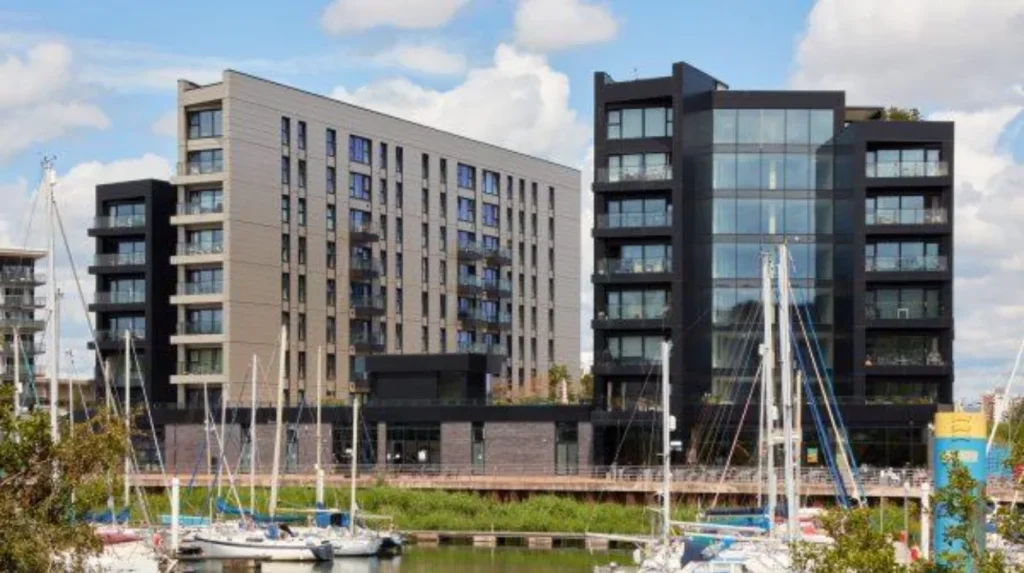
Urban regeneration projects, including developments around Cardiff Bay and the city centre, respond to increasing demand for residential spaces.
Housing policy must balance population growth with affordability, community needs, and sustainable development.
How does migration influence Cardiff’s culture?
Migration has strengthened Cardiff’s cultural identity through international food, festivals, languages, religious communities, arts, and local traditions. The city’s multicultural population contributes to a broader cultural environment.
Cardiff’s cultural landscape reflects centuries of migration.
The city hosts cultural events celebrating different communities, including international festivals, food markets, and artistic programmes.
Languages also demonstrate Cardiff’s diversity. Welsh and English remain the city’s main languages, while many residents speak additional languages.
The 2021 Census recorded increasing linguistic diversity across Wales, including Cardiff.
Religious diversity has also expanded through the establishment of churches, mosques, temples, and community centres.
Migration has created connections between Cardiff and communities around the world.
What role do universities play in Cardiff migration?
Universities are major drivers of migration in Cardiff because they attract thousands of students, researchers, and academic professionals from the UK and overseas. Higher education strengthens international connections and population diversity.
Cardiff’s universities have global reputations.
Cardiff University attracts students from more than 100 countries. International education creates long-term connections between Cardiff and global communities.
Universities also attract researchers and academic staff. These professionals contribute to innovation, scientific research, and economic development.
Student migration affects transport, housing, hospitality, and cultural activities throughout the city.
Many international graduates remain in Cardiff after completing studies, contributing skills to the local economy.
How does migration affect Cardiff’s future development?
Migration will continue influencing Cardiff’s future through population growth, workforce changes, housing demand, cultural development, and economic transformation. Strategic planning will shape how the city manages future demographic changes.
Cardiff’s future development depends on understanding population movement.
Government agencies monitor migration trends to plan schools, healthcare services, transport systems, and housing.
The Welsh Government and Cardiff Council use population data to support long-term planning decisions.
Migration contributes to Cardiff’s position as an internationally connected capital city.
Future migration patterns will continue to reflect economic conditions, education opportunities, global events, and national immigration policies.
What are the main migration trends in Cardiff?
Cardiff migration trends show increasing population diversity driven by international migration, student arrivals, employment opportunities, and movement from other parts of the UK. The city continues to attract people because of its universities, jobs, public services, and cultural opportunities.