Cardiff has a broad local sports-club network covering football, rugby, cricket, athletics, tennis, swimming, martial arts, cycling, basketball, rowing, water sports and recreational activities. The city combines community clubs, university sport, professional organisations, specialist facilities and development programmes.
- What are local sports clubs in Cardiff?
- Which types of sports clubs can you join in Cardiff?
- Where can you find sports clubs in Cardiff?
- Which Cardiff sports clubs are suitable for children and teenagers?
- How do adults join local sports clubs in Cardiff?
- How much does it cost to join a sports club in Cardiff?
- Are there sports clubs for beginners in Cardiff?
- Which Cardiff sports clubs are suitable for competitive athletes?
- How do local sports clubs support Cardiff communities?
- How important are sports clubs to participation in Cardiff and Wales?
- How do you choose the right local sports club in Cardiff?
- What should you check before joining a Cardiff sports club?
- How will Cardiff’s local sports clubs remain relevant in the future?
Local sports clubs are important because they connect organised physical activity with neighbourhood participation. They provide structured training, coaching, competition and social opportunities for children, teenagers and adults. Cardiff Council supports access to leisure facilities and sports venues across the city, while Sport Wales provides national participation research and development frameworks.
The wider Welsh participation picture also demonstrates the importance of organised sport. Sport Wales reported that 59% of adults in Wales participated in sport or physical activity during the previous four weeks in 2024-25. Around 19% participated in sports and games, representing approximately 477,000 adults. Football, badminton, tennis, cricket, bowls, table tennis and squash all feature within the national sports-and-games dataset.
Cardiff sits within the Central South Sport Partnership area alongside Bridgend, the Vale of Glamorgan, Rhondda Cynon Taf and Merthyr Tydfil. This regional structure connects Cardiff to wider Welsh sport development and participation planning.
What are local sports clubs in Cardiff?
Local sports clubs in Cardiff are organised community groups that provide regular sporting activity, coaching, training, competition or recreation. Examples include football clubs, rugby clubs, cricket clubs, tennis clubs, athletics clubs, swimming groups and martial arts organisations.
A local sports club normally operates around a particular sport, location, age group or level of ability. Some clubs focus on beginners and recreational participants. Others operate competitive teams across junior, adult or veteran categories.
Club structures differ according to the sport. A football club can operate several age-group teams. A tennis club can provide coaching and court access. An athletics club can combine track, field and endurance disciplines. A martial arts club can organise graded training and competitive events.
Cardiff also has organisations connected to major sporting institutions. Cardiff University lists more than 60 sports clubs covering traditional sports, martial arts, motorsport and watersports. Its Athletic Union supports clubs participating in British Universities and Colleges Sport, commonly known as BUCS, as well as recreational and intramural activity.
The Welsh Sports Association, known as the WSA, represents more than 140 organisations involved in sport and recreation in Wales. Its membership directory includes governing bodies and sporting organisations such as Badminton Wales, Basketball Wales, Cricket Wales, Beicio Cymru, Cardiff Chameleons and Cardiff City FC Foundation.
Which types of sports clubs can you join in Cardiff?
Cardiff offers sports clubs covering team sports, individual sports, racket sports, combat sports, outdoor activities and water sports. Examples include football, rugby, cricket, tennis, athletics, basketball, badminton, cycling, rowing, swimming, kayaking and martial arts.
Football has a strong presence in Cardiff through professional, community and youth structures. Rugby is another major part of the city’s sporting identity, supported by clubs, schools, regional structures and national-level facilities.
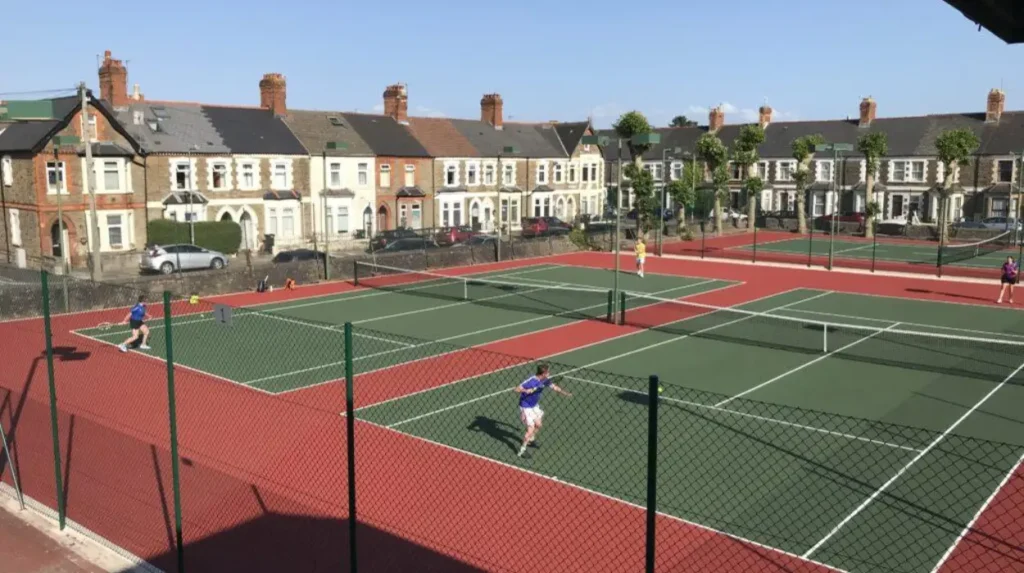
Cricket has an established presence around Sophia Gardens and local cricket grounds. Tennis operates through dedicated clubs and public or institutional facilities. Athletics covers running, track and field, cross-country and related disciplines.
Other club-based activities include badminton, basketball, boxing, fencing, hockey, netball, rowing, sailing, squash, swimming, table tennis, volleyball and cycling.
Cardiff University demonstrates the breadth of the city’s sporting environment. Its current club list includes athletics and cross country, badminton, basketball, boxing, canoeing, cricket, cycling, football, fencing, golf, hockey, lacrosse, netball, rowing, rugby, sailing, swimming and water polo, table tennis, tennis and volleyball.
This variety means local sports clubs are not limited to traditional field sports. Cardiff also supports specialist activities requiring dedicated facilities, equipment or coaching.
Where can you find sports clubs in Cardiff?
Sports clubs operate across Cardiff through community facilities, schools, universities, dedicated grounds, leisure centres and specialist venues. Examples include Cardiff International Sports Village, university facilities, local playing fields, tennis venues, swimming facilities and community sports hubs.
Location is an important part of choosing a sports club. Regular attendance is easier when training takes place close to home, work, school or university.
Cardiff Council provides information about leisure centres, sports facilities, swimming programmes and sports venues. Its facilities information includes Cardiff International White Water and Outdoor Cardiff facilities, while its wider leisure service connects residents with parks, pitches and recreational spaces.
Cardiff International Sports Village is an important sports destination in the city. Cardiff University identifies the area as a location containing the ice rink, Cardiff International Pool and Cardiff International White Water.
University campuses also form significant sporting hubs. Cardiff University operates indoor and outdoor facilities, including a 33-acre sports field, fitness facilities, squash facilities and a training village.
Cardiff Metropolitan University also operates community sport programmes. Its Junior and Community Sport provision attracts more than 2,800 children aged five and above during term time across its sports programmes.
Community sports hubs provide another route into organised activity. Cardiff City FC Community Foundation has expanded its community presence through multiple hubs across South Wales and reported nine active hubs at the close of its latest reported period, with Cardiff accounting for approximately 35% of its activity.
Which Cardiff sports clubs are suitable for children and teenagers?
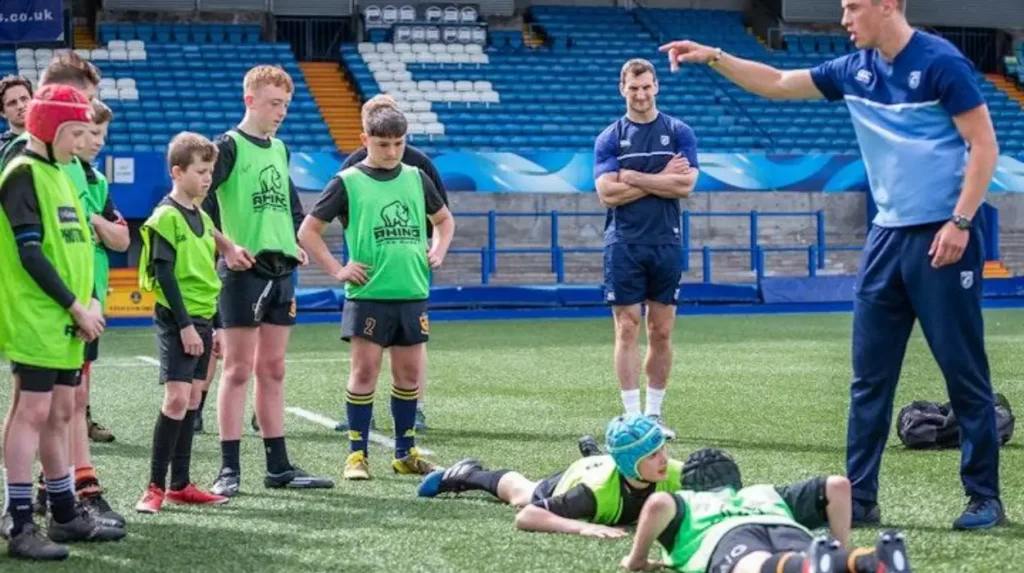
Children and teenagers can access junior sports through community clubs, university-linked programmes, specialist providers, schools and professional club foundations. Examples include junior football, rugby, cricket, athletics, swimming, basketball, tennis, martial arts and multi-sport programmes.
Junior sport usually divides participants by age or development stage. This structure gives children training appropriate to their physical development and playing experience.
Football clubs commonly operate age-group teams and development sessions. Rugby clubs provide junior coaching and structured matches. Cricket clubs offer youth training and age-specific competitions. Athletics clubs introduce young participants to running, jumping, throwing and endurance disciplines.
Cardiff Metropolitan University provides an established example of structured junior provision. Its community sport programme serves more than 2,800 children aged five and above during term time and also operates school-holiday sports camps for children and young people aged four to 18.
Professional football also contributes to youth participation. Cardiff City FC Community Foundation uses football and education programmes to support children, young people, families and communities. Its programmes include Premier League Primary Stars, Premier League Inspires and Future Pathways.
Parents should check the club’s age categories, coaching arrangements, safeguarding procedures, membership costs, venue location and registration requirements before joining.
How do adults join local sports clubs in Cardiff?
Adults can join Cardiff sports clubs by identifying a suitable sport, checking membership requirements, contacting the club, attending an introductory session and completing registration. Examples include recreational football, tennis, running, badminton, cricket, rugby, swimming and martial arts.
Adult participation includes both competitive and recreational sport. Sport Wales reported that 79% of participating adults in Wales took part non-competitively in 2024-25. A further 18% competed at amateur level, while 2% competed professionally or semi-professionally.
This distinction is important when selecting a club. A person looking for fitness and social participation does not need the same structure as an athlete preparing for league competition.
Most clubs provide information about training times, membership, fees, venues and contact arrangements. Some offer introductory sessions before full membership. Others require registration before training.
Adult clubs also operate at different competitive levels. Community leagues provide regular local competition. Higher-level clubs operate within regional or national structures.
Cardiff’s university sports environment also provides recreational opportunities for eligible students. Cardiff University states that students can participate in sports clubs without competing in league play, allowing members to attend training and social activities for enjoyment.
How much does it cost to join a sports club in Cardiff?
Sports club costs in Cardiff depend on the sport, age group, facilities, coaching and competition level. Common expenses include membership, coaching, equipment, kit, venue fees and competition costs. Prices vary between clubs, so applicants should confirm current charges directly.
Membership fees represent only one part of the total cost of organised sport. Equipment can be significant in sports that require specialist clothing, protective equipment or personal sporting gear.
Football participants generally require boots, shin protection and club kit. Cricket participants often require specialist protective equipment. Tennis players need a racket and suitable footwear. Cyclists require a bicycle and safety equipment. Water sports involve equipment and facility requirements determined by the activity.
Competitive clubs can also charge match, league or tournament fees. Travel creates additional expenses for teams competing outside Cardiff.
Some organisations provide reduced rates for juniors, students or families. Community programmes also offer targeted participation schemes. The availability of discounts depends on the organisation.
Cardiff Council provides information about local leisure facilities and activity opportunities, creating another route into physical activity for residents who do not require formal club membership.
The best approach is to request a complete cost breakdown before joining. This should include membership, coaching, equipment, kit, insurance and competition charges where applicable.
Are there sports clubs for beginners in Cardiff?
Cardiff has beginner-friendly sporting opportunities across community clubs, universities, leisure facilities and development programmes. Examples include introductory football, recreational badminton, tennis, swimming, running, fitness activities, martial arts and multi-sport programmes.
Beginner sport is structured differently from elite competition. Initial sessions normally focus on fundamental techniques, rules, movement skills and safe participation.
Many clubs separate training groups according to ability. This prevents beginners from immediately entering advanced sessions designed for experienced competitors.
Cardiff University’s sports programme illustrates this inclusive approach. Its sports clubs welcome students ranging from serious athletes to people participating for recreation, and its club structure includes both competitive BUCS teams and social participation.
Community sports programmes also provide entry points for younger participants. Cardiff Metropolitan University’s junior and community provision includes school-club links, inclusive sport initiatives, community sport hubs and outreach activity.
Beginners should select a club that clearly identifies its entry level. Training frequency, equipment requirements, age restrictions and coaching qualifications should also be checked before registration.
Which Cardiff sports clubs are suitable for competitive athletes?
Competitive athletes can use Cardiff’s community clubs, university teams, professional pathways and specialist performance programmes. Examples include BUCS teams, regional competitions, national governing-body pathways, elite training programmes and clubs competing in organised leagues.
Competitive sport requires a more structured commitment than recreational participation. Training schedules become more frequent as performance levels increase.
Cardiff University operates a High Performance Programme for elite student-athletes. The programme provides personalised support, specialist training facilities and athlete-focused assistance for students competing at high levels while completing their studies.
University competition is organised partly through BUCS. Cardiff University’s current sports provision includes more than 70 clubs, with more than 130 teams competing in BUCS activity according to its student sport information.
Community clubs provide another competitive pathway. Athletes can progress from local participation to regional and national competition through club structures and governing-body systems.
Sport Wales data shows that competitive participation represents a minority of overall adult sport participation. In 2024-25, 18% of participating adults competed at amateur level and 2% competed professionally or semi-professionally.
The pathway therefore serves different objectives, from first-time participation through to high-performance sport.
How do local sports clubs support Cardiff communities?
Local sports clubs support Cardiff communities by creating regular opportunities for physical activity, social connection, volunteering, coaching and competition. Examples include junior development programmes, community football hubs, recreational clubs, school links, university sport and inclusive participation projects.
Community sport creates regular points of contact between residents. Club sessions bring participants together around shared activities and establish consistent weekly routines.
Clubs also depend on volunteers. Coaches, administrators, officials, team managers and event organisers contribute to the operation of many community sporting structures.
Sport Wales has identified sport volunteering as an important part of the wider Welsh sporting system. Its social-return research uses participation and sports-volunteering data to assess health, wellbeing and social-capital outcomes associated with sport.
Cardiff Council also connects residents with organisations offering sports and social activities. Its healthy and active services include sports such as bowls, snooker and table tennis alongside exercise classes and social clubs.
Professional organisations contribute to community development as well. Cardiff City FC Community Foundation focuses on healthier lifestyles, education, employment opportunities and stronger communities, with particular attention to disadvantaged communities, at-risk individuals and underrepresented groups.
These structures demonstrate that local sports clubs operate beyond match-day competition. They contribute to participation, volunteering, skills development and community activity.
How important are sports clubs to participation in Cardiff and Wales?
Sports clubs form one part of a wider Welsh physical-activity system that includes fitness, recreation, outdoor pursuits and organised competition. Sport Wales reported 59% adult participation in 2024-25, while 19% participated in sports and games during the previous four weeks.
Sport Wales recorded approximately 1.449 million Welsh adults participating in sport and physical activity during the previous four weeks in 2024-25. The research found that 35% of adults participated three or more times per week.
Sports and games accounted for 19% of adults, representing approximately 477,000 people. Football participation was recorded at 2.6%, representing around 65,000 adults, while badminton and tennis each recorded 1.5%, representing around 38,000 adults each.
Demand also demonstrates opportunities for club development. Sport Wales recorded demand for additional participation in football, tennis, badminton and other sports. Football had 2.7% of adults expressing demand for more participation, representing approximately 66,000 adults.
The Central South Sport Partnership, which includes Cardiff, recorded 38% of adults participating in sport and physical activity three or more times per week in 2024-25. The figure represented approximately 287,000 adults across the partnership area.
These figures provide national and regional context for Cardiff’s local sports-club environment.
How do you choose the right local sports club in Cardiff?
Choosing a Cardiff sports club involves matching the sport, location, age group, ability, schedule, cost and competitive level with personal requirements. Examples include beginner clubs, junior teams, recreational groups, competitive leagues, university clubs and performance programmes.
Location should be the first practical consideration. A club with convenient training times and accessible transport is easier to attend consistently.
The next factor is ability level. Beginners should choose introductory or development sessions. Experienced athletes should select clubs offering appropriate competitive structures.
Age categories are essential for children and teenagers. Parents should confirm the exact age band before registration.
Training frequency also affects suitability. Some recreational clubs meet once weekly. Competitive teams often require multiple training sessions, matches and travel.
Cost should include all expected expenses rather than membership alone. Equipment, kit, coaching, competition and travel can affect the total annual commitment.
The club’s governing-body affiliation is another useful consideration. Affiliation can indicate participation within recognised competition and development structures, depending on the sport.
Accessibility should also be assessed. Clubs offering adapted sessions, inclusive programmes or appropriate facilities create additional opportunities for disabled participants and people with different sporting needs.
Explore More Area Guide
Leisure Centres Near Roath: Penylan, Eastern & Maindy | Cardiff 2026
GP Surgeries by Area: Cardiff NHS Guide 2026
What should you check before joining a Cardiff sports club?
Before joining a Cardiff sports club, check membership rules, training times, venue, costs, coaching, safeguarding, insurance, competition requirements and equipment. Examples include junior safeguarding arrangements, adult membership terms, facility access, league registration and cancellation policies.
Parents should confirm safeguarding arrangements before enrolling children. This includes checking how the club manages supervision, communication, changing facilities and concerns.
Adults should review membership terms and cancellation conditions. Clubs differ in how they handle subscriptions, refunds and seasonal registration.
Training venue information is also important. Some clubs use several locations across Cardiff. Others operate from a permanent ground or facility.
Participants should establish what equipment they need before attending the first session. Clubs often provide information about essential kit and recommended equipment.
Competitive participants should confirm league registration, match commitments and travel requirements. These factors determine the practical time commitment.
People with accessibility requirements should contact the club before registration to establish whether facilities, coaching and sessions meet their needs.
Cardiff Council’s leisure information provides an official starting point for identifying facilities, sports venues and activity options across the city.
How will Cardiff’s local sports clubs remain relevant in the future?
Cardiff’s sports-club future is linked to participation, youth development, inclusive provision, university sport, community hubs and access to facilities. Examples include junior programmes, community sports hubs, high-performance pathways, inclusive activities and recreational participation.
Future demand will depend on making organised sport accessible across different ages and ability levels. Sport Wales data already identifies demand for additional participation in several sports, including football, tennis and badminton.
Youth development remains central to long-term participation. Cardiff Metropolitan University’s community programmes and Cardiff City FC Community Foundation demonstrate established pathways connecting children and young people with organised activity.
University sport provides another important pathway. Cardiff University currently supports more than 70 sports clubs and high-performance opportunities, linking participation with competitive sport and academic study.
Community infrastructure also remains essential. Cardiff Council maintains information about leisure centres, parks, pitches and sports venues, providing residents with access points beyond traditional club structures.
The city’s sports-club ecosystem therefore covers the complete participation spectrum. Residents can begin with recreational activity, progress through community competition and enter regional or national pathways. Students have additional university-based options, while young athletes have access to development programmes.
Cardiff’s local sports clubs are consequently an important part of the city’s wider physical-activity infrastructure. Their role extends from grassroots participation and youth development to competitive sport, volunteering, community engagement and high-performance pathways.
What sports clubs are available in Cardiff?
Cardiff has local clubs for football, rugby, cricket, tennis, athletics, badminton, basketball, swimming, cycling, rowing, martial arts, hockey, netball, volleyball and other sports.