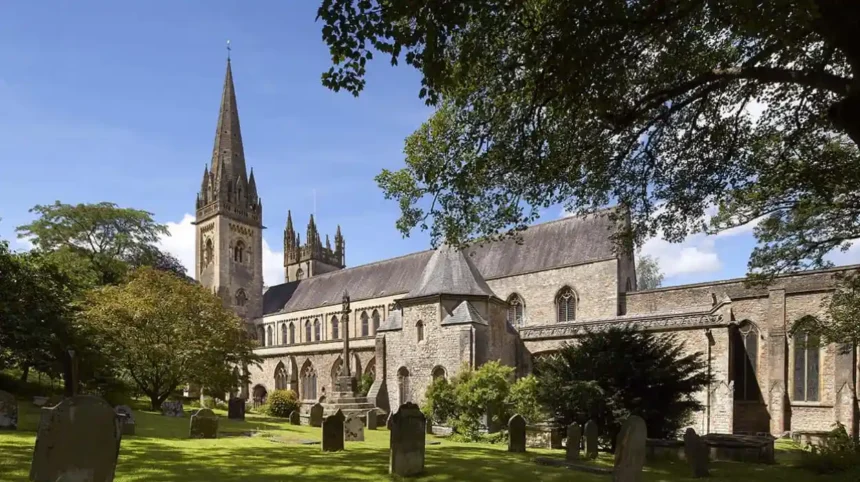
Llandaff is a historic district in north-west Cardiff, known for its cathedral, heritage buildings, green spaces, schools, residential streets and access to central Cardiff. The community had 8,775 residents at the 2021 Census and covers about 256 hectares.
- What is Llandaff like to live in?
- What is the history of Llandaff?
- What are the main parts of Llandaff?
- What types of homes are available in Llandaff?
- What schools are available near Llandaff?
- How good is public transport in Llandaff?
- Is Llandaff easy to reach by car?
- What green spaces and outdoor areas are near Llandaff?
- What local shops and services are available in Llandaff?
- What attractions and heritage sites are in Llandaff?
- How does living in Llandaff compare with nearby Cardiff areas?
- What should you check before moving to Llandaff?
- Is Llandaff a suitable place to live in Cardiff?
The area combines an ancient ecclesiastical centre with established residential neighbourhoods. Its identity is closely connected to Llandaff Cathedral, Llandaff High Street, Llandaff Fields, Insole Court and the River Taff. The district also sits close to Llandaff North, Fairwater, Danescourt, Canton, Pontcanna and Radyr.
For people considering living in Llandaff, the area offers access to schools, local shops, public transport, parks and Cardiff’s wider employment and cultural facilities. Its historic environment also influences planning and property development.
What is Llandaff like to live in?
Llandaff is a historic Cardiff neighbourhood with established homes, green spaces, schools, local shops and strong transport connections. Its character combines a medieval cathedral district with suburban residential streets and convenient access to central Cardiff.
Llandaff occupies a relatively compact area in north-west Cardiff. The modern community is considerably larger than the historic cathedral precinct, with residential streets extending around the traditional centre.
The 2021 Census recorded 8,775 residents in the Llandaff community, with a population density of about 3,426 people per square kilometre. The community covers approximately 256 hectares.
The area is also an electoral ward. ONS data identifies Llandaff as one of Cardiff’s electoral wards and separately identifies Llandaff North. This distinction matters when researching council services, elections, demographic data and school information.
The built environment varies across the neighbourhood. Older properties cluster around the cathedral and High Street, while later residential development occupies surrounding roads.
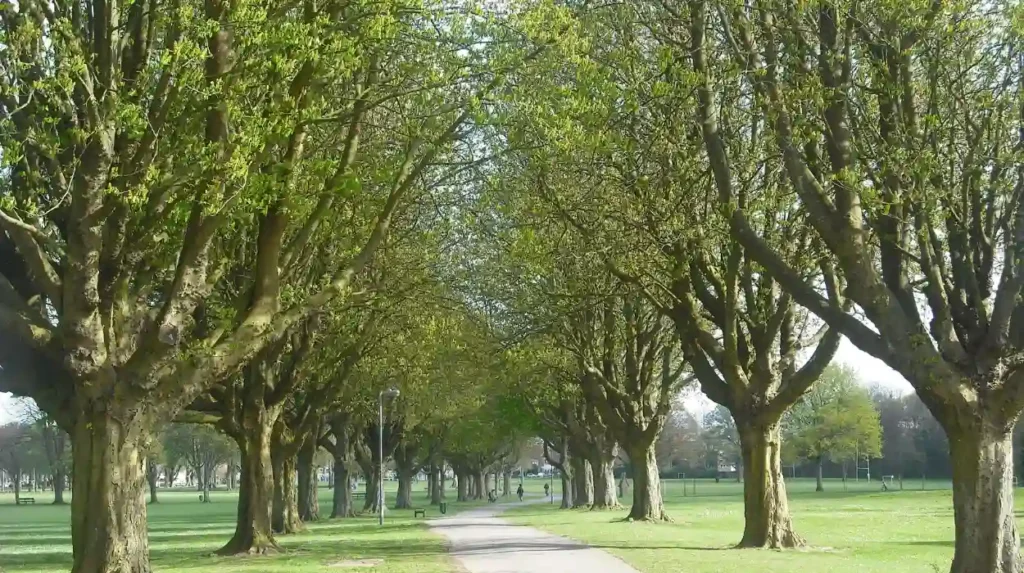
Llandaff has a strong relationship with open space. Llandaff Fields stretches towards Pontcanna and provides large areas of grass, mature trees, walking routes and recreational facilities.
The district therefore has several distinct characteristics. Its historic core provides heritage buildings and civic identity. Its residential areas provide established housing. Its green spaces provide recreation and active travel routes.
What is the history of Llandaff?
Llandaff has religious and settlement history extending back more than a thousand years. The area became an important ecclesiastical centre, developed around its cathedral and bishops, and was incorporated into Cardiff in 1922 after centuries as a separate historic settlement.
Llandaff’s history is strongly connected to Christianity. Coflein, the National Monuments Record of Wales, records evidence of worship in the area from the sixth century and Roman-British burials beneath the present cathedral.
The name Llandaff derives from the Welsh Llandaf, referring to the church associated with the River Taff. The settlement became the seat of the Bishop of Llandaff.
The medieval period established much of the area’s historic importance. Llandaff Cathedral developed as the principal ecclesiastical building, while the bishops controlled substantial land and property in the surrounding area.
The cathedral’s history includes periods of destruction and reconstruction. Cadw identifies the cathedral as an ancient Christian site and dates the principal medieval building to around 1120. The cathedral combines Norman and Gothic architectural elements.
The Bishop’s Palace also reflects Llandaff’s medieval importance. Its ruins stand close to the cathedral and represent the former residence of the bishops.
Llandaff was attacked during the rebellion associated with Owain Glyndŵr in 1402. Coflein records that the medieval episcopal palace was destroyed during this period.
The area remained a separate settlement for centuries. Coflein records that Llandaff was considered little more than a village by the nineteenth century despite its historic status as a bishop’s seat. Cardiff’s expansion eventually absorbed it into the urban area. Llandaff was officially incorporated into Cardiff in 1922.
The twentieth century brought another major event. Llandaff Cathedral suffered severe damage during the Cardiff Blitz in January 1941. Restoration subsequently reshaped the cathedral, including the installation of Jacob Epstein’s Christ in Glory.
This history explains why modern Llandaff has an unusually concentrated collection of religious, archaeological and architectural features.
What are the main parts of Llandaff?
Llandaff consists of a historic cathedral centre, residential streets, local shopping areas, institutional sites and surrounding green spaces. Key locations include Llandaff High Street, Cathedral Close, Llandaff Fields, Insole Court and streets around the River Taff.
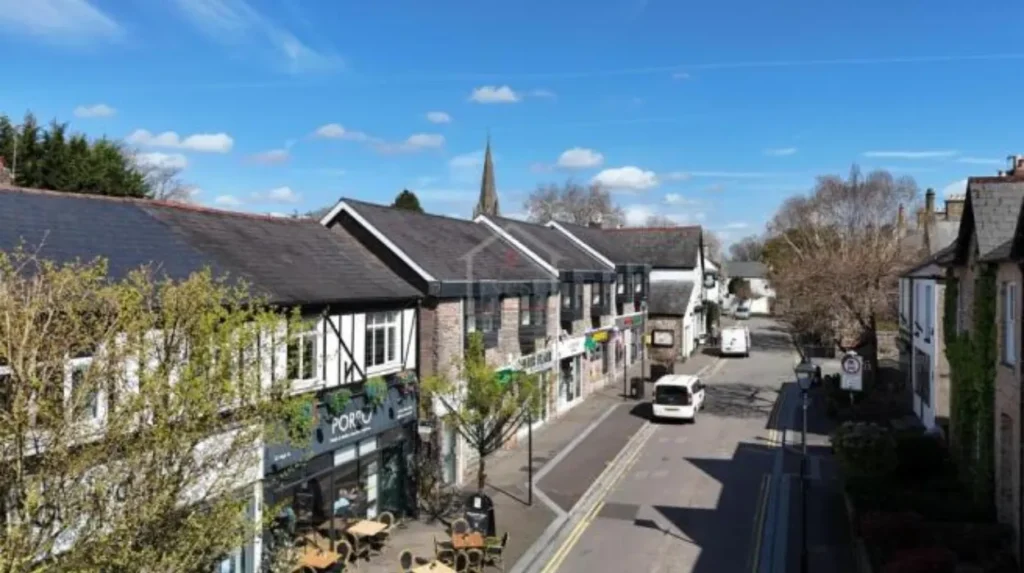
Llandaff High Street forms the principal traditional commercial street. It contains shops, food businesses, services and buildings associated with the historic settlement.
Cathedral Close forms the heritage heart of the district. Llandaff Cathedral, the Bishop’s Palace ruins and other historic buildings create a concentrated historic landscape.
Llandaff Fields provides an important open-space connection between Llandaff and Pontcanna. Visit Cardiff describes the fields as a green area with wide lawns and tree-lined paths suitable for walking and cycling.
Insole Court provides another major landmark. The Grade II-listed mansion and surrounding gardens are part of Llandaff’s heritage environment and provide community, cultural and recreational facilities.
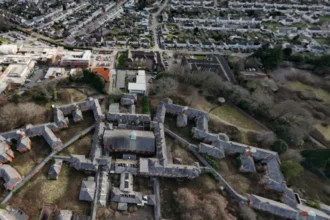
Residential streets extend beyond the historic centre. Housing includes older terraces, substantial period properties, semi-detached houses, detached houses, apartments and later suburban developments.
The western and northern edges connect towards areas such as Danescourt and Fairwater, while Llandaff North sits separately across the River Taff corridor.
This geographic structure means the experience of living in Llandaff varies according to the exact street. A property near the High Street has different pedestrian access and housing characteristics from a property closer to the outer residential roads.
What types of homes are available in Llandaff?
Llandaff has a mixed residential housing stock that includes period houses, terraces, semi-detached homes, detached properties, converted buildings and modern apartments. Property characteristics vary substantially between the historic centre, established residential streets and newer developments.
The historic core contains older buildings with traditional architectural details. Some properties sit within or close to designated conservation areas.
Cardiff Council identifies Llandaff as one of the city’s conservation areas and also identifies separate conservation controls for Cardiff Road and Insole Court. Conservation areas protect places with special architectural or historic interest.
These designations have practical implications for homeowners. Certain external alterations require additional planning consideration. Changes involving windows, trees, extensions and other visible features can be subject to additional controls.
Llandaff’s housing market also sits within the wider CF5 property market. Current third-party postcode data for CF5 records different average sale prices by property type, including detached, semi-detached, terraced and flat properties. However, CF5 covers a much wider area than Llandaff, so postcode averages should not be treated as a direct Llandaff valuation.
Recent recorded transactions illustrate the variation. PropertyData lists a 2026 sale at Riversdale in Llandaff for £326,000 and a 2024 sale at Bridge Street in Llandaff for £1.85 million. These transactions demonstrate the wide price range created by property size, location, condition and type.
Anyone buying in Llandaff should therefore assess individual properties rather than relying on a single neighbourhood average.
What schools are available near Llandaff?
Llandaff provides access to local primary education and several secondary schools in the wider Cardiff area. School admissions depend on individual catchment boundaries, available places and application preferences, so families should check the current Cardiff Council catchment information.
Llandaff City Church in Wales Primary School is located on Hendre Close in Llandaff. Estyn, the independent education and training inspectorate for Wales, lists the school as a Cardiff Council primary provider and records its recent inspection information.
Bishop of Llandaff Church in Wales High School is another significant educational institution associated with the area. Cardiff Council’s current school-bus information includes dedicated services connecting the school with communities across Cardiff, demonstrating its wider regional intake.
Cardiff has a bilingual education system that includes English-medium, Welsh-medium and dual-language provision. Cardiff Council states that the city has 15 Welsh-medium primary schools, two dual-stream primary schools and one dual-language model primary school established since 2023.
School catchment areas are postcode-specific. Cardiff Council provides an online system for identifying English-medium and Welsh-medium primary and secondary catchments. Living within a catchment does not guarantee a school place.
This is an important consideration for families moving to Llandaff. A property’s postcode can affect the schools available through the normal admissions process.
Cardiff Council also operates school transport according to distance and eligibility rules. For primary pupils, the standard distance threshold is more than two miles from the relevant catchment school. For secondary pupils, the standard threshold is more than three miles.
How good is public transport in Llandaff?
Llandaff has access to Cardiff’s bus and rail networks, with Llandaf railway station serving routes towards Cardiff and Pontypridd. Regular bus services connect the neighbourhood with central Cardiff and surrounding districts, while walking and cycling provide additional local options.
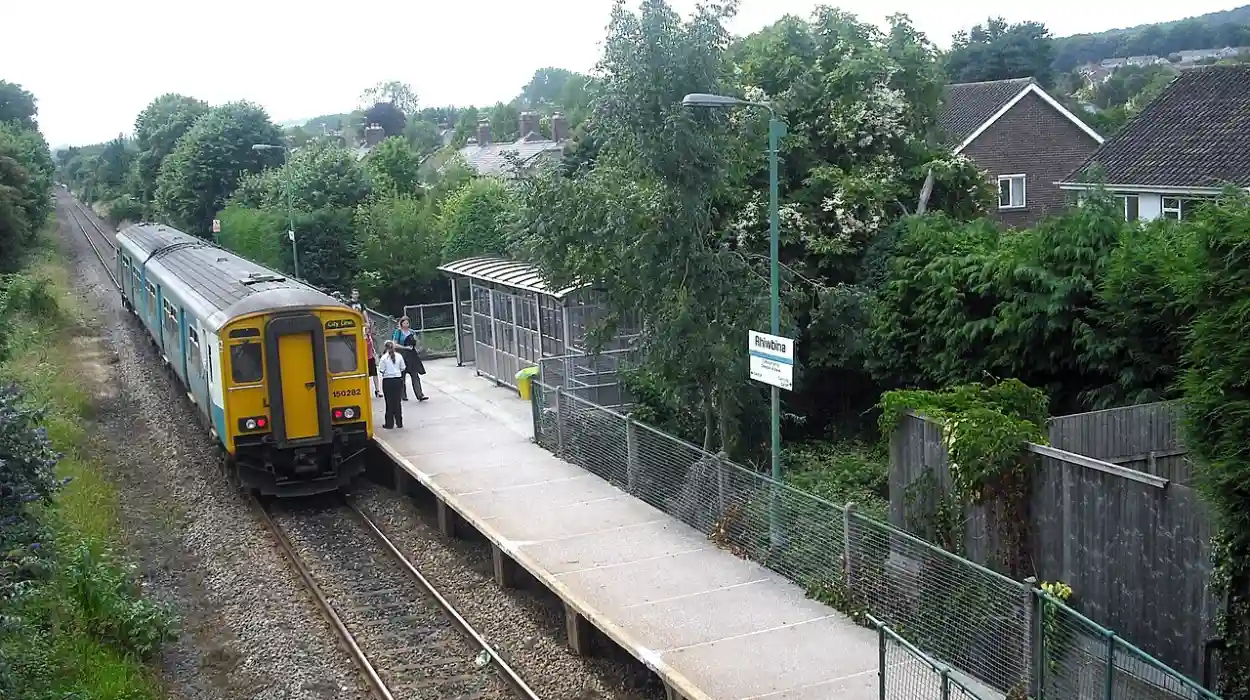
Llandaf railway station is located to the north-east of the historic centre and provides rail services on the Cardiff Valley network. Transport for Wales records step-free access arrangements, lifts between platforms and accessible facilities at the station.
The station is distinct from Fairwater station. Fairwater provides another rail option for some parts of the wider Llandaff area.
Visit Cardiff identifies Fairwater as the nearest railway station for the cathedral area and estimates a walk of about 15 minutes between the station and cathedral.
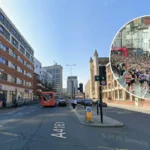
Bus services provide another major transport option. Visit Cardiff identifies Cardiff Bus services 24 and 25 as routes connecting the area with central Cardiff, with stops around Western Avenue and the Black Lion.
Cardiff Council also provides citywide transport information covering buses, trains, walking and cycling.
For commuters, the practical choice depends on the precise location of the home and destination. People living closer to Llandaf station have a different rail journey from residents nearer the cathedral or Llandaff High Street.
Is Llandaff easy to reach by car?
Llandaff is connected to Cardiff’s main road network through routes including Western Avenue, Cardiff Road and surrounding arterial roads. Parking is available in the area, but resident restrictions and local parking controls affect individual streets.
Western Avenue provides an important road connection between Llandaff and the wider Cardiff road network. Cardiff Road also forms a significant route through the historic area.
Parking conditions vary by street. Visit Cardiff notes that many streets in Llandaff operate resident parking restrictions, while pay-and-display facilities are also available.
Cardiff Council lists Llandaff High Street car park with 81 spaces. The council currently lists short-stay charges of 50p for one hour, £1 for two hours, £3 for three hours and £4.50 for four hours, with charging Monday to Saturday from 9am to 6pm.
Car ownership therefore requires attention to parking arrangements. Buyers should check whether a property has private parking, a driveway, unrestricted street parking or a permit requirement.
Road conditions also vary during school and commuter periods. The area’s schools, businesses and connections to central Cardiff create predictable peaks in traffic.
What green spaces and outdoor areas are near Llandaff?
Llandaff has substantial access to green space, with Llandaff Fields, riverside areas, parks and landscaped grounds providing opportunities for walking, cycling, recreation and outdoor activities within and around the neighbourhood.
Llandaff Fields is one of the area’s most important open spaces. The parkland extends between Llandaff and Pontcanna and contains broad lawns and tree-lined paths.
The River Taff is another defining geographic feature. Its corridor separates parts of north-west Cardiff and provides walking and cycling opportunities.
Insole Court adds formal gardens and landscaped grounds. The site combines heritage architecture with community use.
These green spaces support active travel as well as recreation. Walking routes provide connections between neighbourhoods, while cycling routes link Llandaff with other parts of Cardiff.
The area’s green infrastructure also contributes to its historic character. The combination of mature trees, open fields, river corridors and older buildings distinguishes Llandaff from denser inner-city districts.
What local shops and services are available in Llandaff?
Llandaff High Street provides the neighbourhood’s main concentration of everyday businesses and services. Residents also have access to nearby shopping districts in Canton, Pontcanna, Whitchurch and central Cardiff for a broader range of retail, dining and specialist services.
The traditional High Street serves the immediate community rather than functioning as a major regional shopping centre.
Local businesses include cafés, restaurants, pubs, professional services and convenience-oriented shops. Visit Cardiff lists venues around the High Street and Cathedral Close, including cafés, pubs and restaurants.
The wider area expands the range of services available to residents. Pontcanna lies nearby and provides additional independent food and drink businesses.
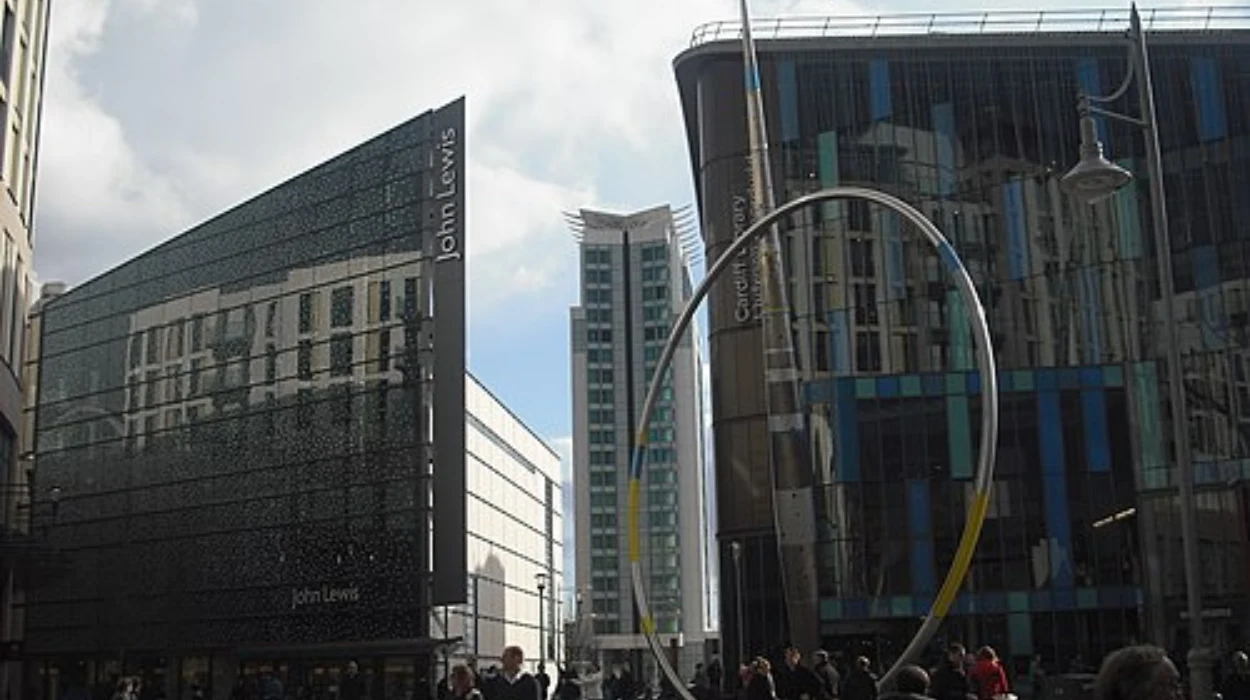
Central Cardiff remains accessible for major retail, cultural institutions, offices and entertainment venues.
This creates a practical pattern for residents. Everyday purchases can often be handled locally, while larger shopping trips use Cardiff’s central and suburban retail areas.
What attractions and heritage sites are in Llandaff?
Llandaff’s major attractions include Llandaff Cathedral, the medieval Bishop’s Palace ruins, Insole Court, Llandaff Fields and historic streets around the cathedral. These sites give the neighbourhood a strong heritage identity within modern Cardiff.
Llandaff Cathedral is the area’s principal landmark. Cadw describes it as Cardiff’s Anglican cathedral and identifies its medieval origins, Norman and Gothic architecture and restoration after Second World War bombing.
The Bishop’s Palace ruins sit close to the cathedral. The remains reflect the medieval authority of the bishops of Llandaff and form an important archaeological feature.
Insole Court provides a different type of heritage. The Victorian-era mansion and grounds illustrate the development of wealthy residential estates around Cardiff during the nineteenth century.
Llandaff is also associated with Roald Dahl. Visit Cardiff identifies the neighbourhood as the birthplace of the internationally known children’s author.
The combination of religious heritage, Victorian architecture, literary connections and public green space makes Llandaff an important cultural district within Cardiff.
How does living in Llandaff compare with nearby Cardiff areas?
Llandaff occupies a position between historic suburban Cardiff and the city’s inner-west neighbourhoods. It provides stronger heritage character than many modern suburbs while remaining close to Pontcanna, Canton, Llandaff North, Fairwater, Danescourt and central Cardiff.
Pontcanna is closer to central Cardiff and has a strong concentration of cafés, restaurants and independent businesses. Llandaff has a more historic village-style core centred on the cathedral and High Street.
Llandaff North lies immediately across the River Taff and has a separate community identity. Its housing and transport connections differ from those in Llandaff.
Fairwater and Danescourt provide additional suburban housing options. Their relationship with Llandaff is particularly relevant for families comparing school catchments and transport routes.
Canton provides a larger urban retail and dining environment. It also connects Llandaff towards Cardiff city centre.
These differences matter when selecting a property. A buyer prioritising heritage buildings has different location requirements from someone prioritising rail access, newer housing or proximity to larger commercial centres.
Explore More Area Guide
Living in Whitchurch Cardiff: Housing, Schools & Transport
Riverside Cardiff: Housing, Transport & Area Guide
What should you check before moving to Llandaff?
Before moving to Llandaff, check the property’s exact catchment area, conservation status, parking arrangements, transport access, flood-risk information, property condition and local planning restrictions. These factors vary between streets and can materially affect everyday living and ownership costs.
School catchment should be checked directly with Cardiff Council using the property’s postcode. Catchment boundaries can change, and living inside a catchment does not guarantee admission.
Conservation status is important for older properties. Cardiff Council identifies 27 conservation areas across the city, including Llandaff and Insole Court. Additional planning controls apply in designated areas.
Parking should also be checked before purchase. Some streets operate resident parking schemes, while Llandaff High Street provides a council car park.
Transport access depends on the exact address. Residents should measure walking distance to Llandaf or Fairwater stations rather than relying on the general neighbourhood label.
The River Taff and low-lying areas also make flood-risk checking relevant when purchasing property. The Environment Agency and Natural Resources Wales provide official flood-risk information for individual locations.
Finally, buyers should examine planning applications affecting nearby properties. Extensions, conversions, transport schemes and changes to commercial premises can influence individual streets.
Is Llandaff a suitable place to live in Cardiff?
Llandaff provides a combination of historic architecture, established housing, schools, green spaces, local services and access to Cardiff’s transport network. Its compact geography and varied property stock make the exact street and postcode important when assessing a move.
The neighbourhood’s defining feature is its combination of history and modern urban living. Llandaff retains an ancient cathedral centre while functioning as an established residential part of Cardiff.
The 2021 population of 8,775 demonstrates that Llandaff is a substantial residential community rather than simply a heritage destination.
Its transport network supports connections into Cardiff and surrounding areas. Llandaf station provides rail access, while buses connect the neighbourhood with central Cardiff.
Its education infrastructure includes Llandaff City Church in Wales Primary School and Bishop of Llandaff Church in Wales High School, alongside access to Cardiff’s wider network of English-medium and Welsh-medium schools.
Its heritage environment is protected through conservation controls, while parks and riverside routes provide substantial outdoor space.
For prospective residents, the most important practical step is to assess the individual property rather than Llandaff as a single uniform housing market. Street-level differences in housing type, parking, school catchment, conservation controls and transport access can significantly change the experience of living in the area.
Is Llandaff a good place to live in Cardiff?
Llandaff is a historic residential area in north-west Cardiff with established homes, schools, green spaces, local services and transport links. Its location provides access to central Cardiff while retaining a distinct village and cathedral-centred character.