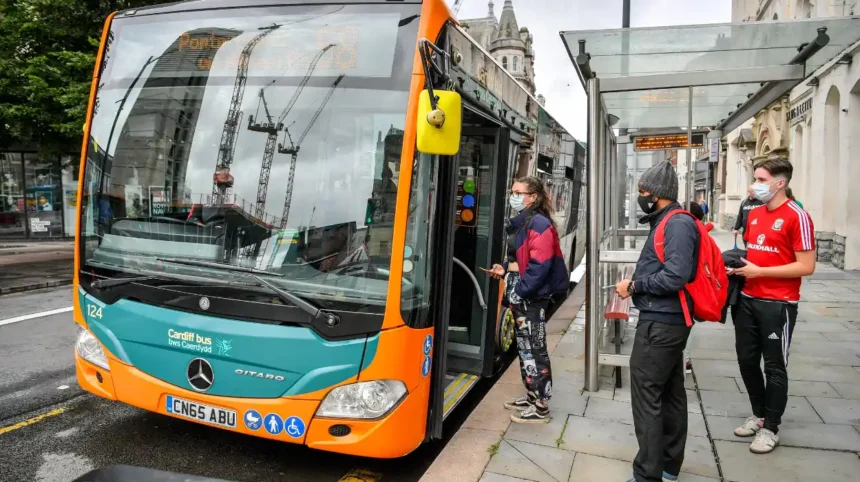
Living in Cardiff without owning a car is practical because the Welsh capital offers bus services, local and regional rail connections, cycling routes, and walkable neighbourhoods. Residents can travel to work, attend university, shop for groceries, visit healthcare facilities, and explore the city without maintaining a private vehicle. The most suitable transport option depends on where a person lives, their workplace, daily schedule, and budget.
- What Does Living in Cardiff Without a Car Mean?
- How Does Public Transport Work in Cardiff?
- How Can Residents Travel by Bus?
- How Can Residents Travel by Train?
- How Can Travellers Plan Public Transport Journeys?
- Which Areas of Cardiff Are Best for Living Without a Car?
- Is Cardiff City Centre Suitable for Car-Free Living?
- Is Cathays a Good Area for Car-Free Living?
- Can Residents Live Without a Car in Roath?
- Is Cardiff Bay Accessible Without a Car?
- How Much Does It Cost to Live in Cardiff Without a Car?
- Can You Commute to Work in Cardiff Without Owning a Car?
- Is Cardiff a Walkable City?
- Is Cycling a Practical Alternative to Driving in Cardiff?
- How Can Students Live in Cardiff Without a Car?
- Can Families Live in Cardiff Without a Car?
- How Can Residents Travel From Cardiff to Other Cities Without a Car?
- What Challenges Should People Expect When Living Without a Car in Cardiff?
- How Do Weather and Service Disruptions Affect Travel?
- How Can Residents Manage Heavy Shopping and Urgent Journeys?
- How Can You Plan a Successful Car-Free Lifestyle in Cardiff?
- Is Living in Cardiff Without Owning a Car a Good Long-Term Choice?
Cardiff is the capital of Wales and its largest city. It combines a compact city centre with residential suburbs, business districts, educational institutions, parks, and cultural attractions. Many essential destinations are accessible by walking, cycling, bus, or train. However, journey times and transport options vary between central neighbourhoods and areas on the city’s outskirts.
For students, professionals, families, and newcomers, understanding Cardiff’s transport network helps make car-free living more affordable and convenient. Planning accommodation around reliable public transport, nearby shops, and essential services reduces the need for taxis and long journeys.
What Does Living in Cardiff Without a Car Mean?
Living in Cardiff without a car means using public transport, walking, cycling, and occasional taxis instead of owning a private vehicle. Residents organise everyday journeys around accessible transport connections, nearby amenities, and their individual travel requirements. This approach reduces vehicle-related expenses and supports more sustainable urban travel.
Car-free living does not mean avoiding motor vehicles entirely. It means choosing alternatives for regular journeys and paying for occasional motorised transport when necessary. Cardiff residents can combine walking for short distances, buses for cross-city travel, and trains for selected suburban and regional journeys.
The approach works particularly well for people living near Cardiff city centre, Cardiff Queen Street railway station, Cardiff Central railway station, or established bus corridors. Residents in less central neighbourhoods also manage without cars when their homes are connected to reliable transport services.
A car-free lifestyle involves several practical considerations, including commuting time, grocery shopping, childcare, healthcare appointments, evening travel, and access to nearby towns. Evaluating these requirements before choosing accommodation helps residents avoid unnecessary inconvenience.
The financial benefits also extend beyond fuel savings. Car owners typically pay for insurance, vehicle tax, servicing, repairs, parking, and depreciation. Residents who do not own a vehicle avoid these ownership costs, although they still need to budget for fares, bicycle maintenance, and occasional private transport.
How Does Public Transport Work in Cardiff?
Cardiff’s public transport network includes local buses, urban and regional railway services, and connections to neighbouring communities. Transport for Wales operates railway services, while local bus operators provide routes across the city. Travellers combine these services according to their destinations, schedules, and budgets.
Public transport connects Cardiff’s residential neighbourhoods with employment centres, shopping areas, universities, hospitals, and leisure destinations. The main options are buses and trains, supported by walking and cycling for journeys between stops and final destinations.
How Can Residents Travel by Bus?
Cardiff’s bus network serves the city centre, residential districts, shopping destinations, and surrounding communities. Bus services provide a practical option for journeys that do not follow a railway line or require travel directly between neighbourhoods.
Cardiff Bus is a major local operator. Other operators also serve Cardiff and the wider South Wales region. Routes, frequencies, fares, and operating hours differ, so passengers should check the relevant operator’s latest information before travelling.
Buses are particularly useful for reaching neighbourhoods away from railway stations. Residents can use them for commuting, shopping, attending appointments, and travelling between residential areas and central Cardiff.
Passengers should check whether their chosen route operates early enough for work or late enough for evening activities. Weekend and public holiday timetables also differ on some services.
How Can Residents Travel by Train?
Railway services connect central Cardiff with several suburbs and destinations across South Wales. Cardiff Central is a major railway station serving regional and national journeys, while Cardiff Queen Street provides access to important local rail connections.
Transport for Wales operates many services within Cardiff and across Wales. Railway stations make commuting convenient for residents who live close to a suitable route and need to travel towards the city centre or other connected communities.
Rail travel is also useful for trips to destinations such as Newport, Bridgend, and other South Wales locations. Services and journey times depend on the route, time of day, and timetable.
Residents should compare train and bus journeys before committing to a regular commuting arrangement. A train journey is not automatically the fastest option when the nearest station is far from home or work.
How Can Travellers Plan Public Transport Journeys?
Travellers can plan journeys using official operator websites, railway journey planners, and transport applications. These tools provide route information, scheduled departure times, fare details, and service updates.
Transport for Wales publishes railway information, while Cardiff Bus provides local bus information. Checking official sources helps passengers identify service changes, engineering works, cancellations, and alternative routes.
Regular commuters should investigate season tickets and other available fare products. The cheapest option depends on travel frequency, journey distance, eligibility, and the terms of each ticket.
Which Areas of Cardiff Are Best for Living Without a Car?
The best areas of Cardiff for car-free living combine accessible public transport with nearby shops, workplaces, healthcare facilities, and everyday services. Central neighbourhoods and well-connected districts simplify daily travel, while the suitability of outer areas depends on local bus routes, railway access, and walking distances.
Choosing the right neighbourhood is one of the most important decisions for anyone planning to live in Cardiff without a car. Two homes at similar rental prices can produce very different transport expenses if one is near a railway station and the other requires multiple connections.
Is Cardiff City Centre Suitable for Car-Free Living?
Cardiff city centre is one of the most convenient locations for people who want to walk to shops, restaurants, offices, cultural attractions, and transport hubs.
Cardiff Central railway station provides connections to destinations across Wales and beyond. Cardiff Queen Street serves local rail routes, while bus services connect the centre with residential neighbourhoods.
Living centrally also reduces the need for transport on everyday errands. Supermarkets, pharmacies, cafés, banks, and other services are available within the wider central area.
The main disadvantage is housing cost. Accommodation close to major transport connections and employment districts often attracts strong demand. Prospective residents should compare rent with the transport savings associated with a central location.
Is Cathays a Good Area for Car-Free Living?
Cathays is a residential district close to Cardiff city centre and Cardiff University. Its location makes it attractive to students, university employees, and people who work in central Cardiff.
Residents can walk to many university facilities and local amenities. Bus services and nearby railway connections support journeys to destinations farther away.
Cathays also benefits from local shops, cafés, convenience stores, and other services that reduce the need for frequent long-distance shopping trips.
Students should assess the walking distance to their specific campus building rather than relying solely on the general location of Cardiff University. Different university facilities occupy different sites.
Can Residents Live Without a Car in Roath?
Roath is an established residential area with local shops, cafés, restaurants, parks, and community facilities. Its relatively close proximity to central Cardiff makes walking and cycling practical for many everyday journeys.
Bus services provide additional connections for residents who work farther away or prefer not to cycle. Roath’s suitability depends on the precise street, the nearest bus stops, and the location of the workplace.
Residents who regularly travel to destinations outside Cardiff should check their public transport connections before renting. A neighbourhood that works well for city-centre commuting does not necessarily provide equally convenient access to every regional destination.
Is Cardiff Bay Accessible Without a Car?
Cardiff Bay is a waterfront district with residential developments, restaurants, leisure attractions, and business premises. Cardiff Bay railway station and local bus services support travel between the area and other parts of the city.
Walking and cycling are useful for local journeys, including visits to waterfront attractions and nearby leisure facilities. Residents who work in Cardiff Bay can reduce commuting costs by choosing accommodation within walking or cycling distance.
However, access to particular workplaces and residential developments varies. People considering Cardiff Bay should check the complete route from their prospective home to work, including the final walking distance from a station or bus stop.

How Much Does It Cost to Live in Cardiff Without a Car?
The cost of living in Cardiff without a car depends on accommodation, commuting frequency, public transport fares, cycling expenses, and occasional taxi use. Residents save on vehicle ownership but still need a realistic travel budget based on current fares, journey distances, and daily routines.
Transport expenses form only one part of a household budget. Rent, food, utilities, council tax where applicable, mobile phone costs, and other living expenses generally have a greater effect on overall affordability.
Car-free residents can manage transport spending by living near essential services, walking for short journeys, and using public transport for longer trips.
Which Transport Costs Should Residents Include?
A realistic budget includes regular bus or train fares, occasional taxi journeys, and the cost of maintaining a bicycle if cycling is part of the routine.
Residents who commute five days a week should compare individual tickets with weekly or monthly ticket options. The most economical ticket depends on the operator, route, journey frequency, and available discounts.
Students and eligible young people should check whether concessionary or discounted travel products apply to them. Eligibility conditions vary, and not every discount is available to every passenger.
Other expenses include bicycle locks, lights, helmets, puncture repairs, and secure storage. Travellers who occasionally hire cars should include rental charges, fuel, insurance requirements, and parking where applicable.
How Does Car-Free Living Compare With Owning a Car?
Owning a car involves recurring and occasional expenses. These include vehicle insurance, vehicle tax, fuel, servicing, repairs, parking, and depreciation. Drivers who finance their vehicles also face loan or finance payments.
Car-free residents replace these costs with transport fares and occasional alternative travel. The financial advantage depends on how frequently a person travels and whether they need taxis or vehicle hire.
For example, a person who walks to work and buys a monthly public transport pass generally has a different cost profile from someone who takes several taxis each week. The latter needs to compare those fares with the cost of occasional car hire or ownership.
Residents should calculate their likely annual transport expenditure instead of comparing one bus ticket with one fuel purchase. Annual budgeting captures insurance renewals, maintenance, and other costs that are easy to overlook.
Can You Commute to Work in Cardiff Without Owning a Car?
Commuting in Cardiff without owning a car is practical when the home and workplace have reliable walking, cycling, bus, or railway connections. Workers should compare door-to-door journey times, service frequency, operating hours, and backup options before choosing accommodation or accepting a job.
Cardiff contains offices, retail centres, educational institutions, healthcare facilities, and other employment locations. The best commuting method depends on where a person lives and the hours they work.
People employed in the city centre often have access to several transport choices. Workers in industrial estates, business parks, or locations outside established transport corridors need more detailed journey planning.
How Can Office Workers Travel Without a Car?
Office workers can walk, cycle, take a bus, or use the train for their daily commute. The most suitable method depends on the distance between home and work, road conditions, available cycle routes, and the reliability of public transport.
Employees who live near central Cardiff can often combine walking with public transport. Those commuting from connected towns can use railway services for the main journey and walk the remaining distance.
Workers should also consider the timing of their shifts. People starting early or finishing late need to confirm that their preferred service operates at the required time.
Can People Work Night Shifts Without a Car?
Night-shift workers need to pay particular attention to transport operating hours. Bus and railway frequencies reduce on some routes during evenings, and certain services do not operate throughout the night.
Before accepting a job, workers should check the exact journey for their start and finish times. A route that works during standard office hours is not necessarily suitable for overnight employment.
Alternative arrangements include cycling where the route is suitable, walking where safe and practical, sharing journeys with colleagues, or budgeting for occasional taxis. Reliable backup options are especially important when a shift finishes after the last convenient public transport service.
Is Cardiff a Walkable City?
Cardiff offers walkable central districts, residential streets, parks, shopping areas, and waterfront paths. Walking is particularly useful for short journeys to work, education, groceries, and leisure facilities. The practicality of walking depends on distance, accessibility, weather, route conditions, and individual mobility requirements.
Walking is the simplest transport option for many short journeys because it does not require a ticket, vehicle, or parking space. It also allows residents to combine everyday errands with physical activity.
Central Cardiff contains pedestrian areas and streets linking shops, restaurants, offices, and cultural attractions. Cardiff’s parks and public spaces provide additional walking opportunities outside commercial districts.
Which Places Can Residents Reach on Foot?
Residents in central neighbourhoods can walk to many shops, cafés, restaurants, offices, and entertainment venues. People living close to their university or workplace can potentially eliminate regular commuting fares entirely.
Bute Park is a major green space beside Cardiff city centre. It provides walking routes and recreational space close to central attractions.
Cardiff Bay also offers waterfront walking opportunities. Residents and visitors can explore parts of the area on foot, although the distance between individual destinations should be checked before setting out.
What Are the Limitations of Walking?
Walking becomes less practical for long commutes, heavy shopping trips, journeys with small children, and travel during severe weather. Mobility needs and the accessibility of particular routes also affect whether walking is suitable.
Residents should consider street lighting, pavement conditions, crossing points, and the availability of step-free routes. A short journey on a map does not always represent an accessible or comfortable route for every traveller.
Combining walking with buses and trains provides greater flexibility. Walking to a nearby stop and using public transport for the longer part of the journey is often more practical than walking the entire distance.

Is Cycling a Practical Alternative to Driving in Cardiff?
Cycling is a practical alternative to driving for many Cardiff journeys, especially trips between nearby residential districts, workplaces, universities, and the city centre. Residents should choose suitable routes, use functioning safety equipment, secure bicycles properly, and check local cycling infrastructure before commuting.
Cycling provides flexibility without the recurring cost of a private car. It also allows residents to travel independently of bus timetables and railway departure times.
Cardiff has cycling routes and shared paths in parts of the city, including routes connecting residential areas with central destinations. The suitability of an individual route depends on its design, traffic conditions, junctions, lighting, and maintenance.
Where Can People Cycle in Cardiff?
Cyclists can investigate routes connecting neighbourhoods such as Roath, Cathays, Cardiff Bay, and the city centre. Parts of the city’s parkland and waterfront areas also provide opportunities for recreational cycling.
The safest route is not always the shortest route. Cyclists should use designated cycle facilities where appropriate, check local road layouts, and allow sufficient time for unfamiliar journeys.
Official Cardiff Council cycling information provides a starting point for understanding local infrastructure and planned improvements.
What Equipment Do Cyclists Need?
A reliable bicycle, working brakes, suitable lights, reflectors, and a strong lock form the foundation of practical cycling. A properly fitted helmet provides additional protection, while weather-appropriate clothing improves comfort.
Residents who leave bicycles outside their homes or workplaces should investigate secure storage. Bicycle theft can create an unexpected replacement expense and disrupt daily commuting.
Electric bicycles provide another option for people travelling longer distances or managing hills. Riders should check the legal requirements for the type of electric bicycle they use and follow applicable road rules.
How Can Students Live in Cardiff Without a Car?
Students can live in Cardiff without a car by choosing accommodation near their campus, walking to nearby facilities, and using buses or trains for longer journeys. Cardiff’s universities, residential neighbourhoods, and city-centre amenities provide several practical options for reducing student transport expenses.
Cardiff attracts students attending institutions including Cardiff University and Cardiff Metropolitan University. Their campuses and facilities occupy different locations, so accommodation decisions should reflect the student’s actual timetable and teaching location.
Students living near their main campus can reduce travel time and fares by walking or cycling. Those living farther away should compare bus and railway routes before signing a tenancy agreement.
Which Transport Options Suit Students?
Walking is useful for accommodation near university buildings, libraries, and local shops. Buses provide connections between residential areas and destinations farther away, while trains support selected cross-city and regional journeys.
Students should check whether their university offers transport guidance, bicycle storage, discounted travel information, or other travel-planning support.
Travel discounts depend on eligibility and the terms of individual products. Students should confirm current conditions rather than assuming that university enrolment automatically provides a reduced fare.
How Can Students Reduce Daily Travel Expenses?
Students can reduce costs by living close to their most frequently visited facilities, buying suitable tickets, and combining walking with public transport.
Meal planning and shopping locally also reduce the need for transport-heavy grocery trips. Carrying groceries in a backpack or using a suitable shopping bag makes short walking journeys easier.
Students who travel home during university holidays should compare advance rail tickets and other available transport options. Booking arrangements and prices vary according to the route and date.
Can Families Live in Cardiff Without a Car?
Families can live in Cardiff without owning a car when schools, childcare, healthcare, supermarkets, and employment are accessible through walking, cycling, or public transport. The most suitable location depends on school arrangements, children’s ages, accessibility needs, and the timing of daily activities.
Family life creates different transport demands from student or single-person living. Parents often manage school runs, childcare drop-offs, grocery shopping, medical appointments, and extracurricular activities within the same day.
Choosing a home close to these destinations reduces the number of journeys that require public transport. A family should assess its complete weekly routine before deciding whether car-free living is practical.
How Can Parents Manage School Runs?
Parents can walk with children to nearby schools where safe routes and suitable distances make this practical. Bus services provide another option when schools are farther away.
Families should check school admission arrangements, walking distances, crossing points, pavement conditions, and transport availability before moving into a new neighbourhood.
Some activities take place outside standard school hours. Parents should also consider after-school clubs, sports facilities, childcare arrangements, and the journey home during winter evenings.
How Can Families Manage Shopping and Healthcare?
Local supermarkets, pharmacies, and healthcare facilities make car-free family life easier. Residents can use nearby shops for smaller purchases and plan larger shopping trips around accessible transport connections.
Families with young children should check whether their routes accommodate pushchairs and whether railway stations and bus stops offer suitable access. Accessibility varies by location and service.
For medical appointments, residents should allow enough time for the journey and check the location of the relevant entrance. A nearby bus stop does not always mean a direct or accessible route to the destination.
How Can Residents Travel From Cardiff to Other Cities Without a Car?
Residents can travel from Cardiff to other cities by using railway services, intercity coaches, and connecting local transport. Cardiff Central railway station is a key departure point for regional and national journeys, while journey times, ticket prices, and service frequency depend on the destination and travel date.
Car-free living does not prevent residents from exploring Wales or travelling elsewhere in the United Kingdom. Rail and coach services connect Cardiff with destinations beyond the city, although some journeys require advance planning or changes between services.
How Can Residents Travel to Newport and Bridgend?
Railway services connect Cardiff with Newport and Bridgend, making both destinations accessible for many day trips and commuting arrangements.
Passengers should compare the departure station, arrival station, journey time, and frequency of services. The most suitable route depends on the precise destination within each town or city.
Local buses and walking may be necessary for the final part of a journey. Checking the complete route helps prevent delays caused by assuming that a railway station is directly beside the destination.
How Can Residents Travel to Bristol and London?
Cardiff has rail connections towards Bristol and London, providing options for business trips, education, appointments, and leisure travel.
Passengers should check current timetables and fares through official railway booking services. Prices depend on factors such as departure time, ticket conditions, advance purchase, and availability.
For longer journeys, advance booking often provides access to a wider choice of ticket types. Travellers should also account for transport to the departure station and from the arrival station to their final destination.
What Challenges Should People Expect When Living Without a Car in Cardiff?
The main challenges of car-free living in Cardiff include reduced transport frequency at certain times, journeys to poorly connected destinations, carrying heavy purchases, and coordinating multiple services. Residents can manage these challenges by choosing suitable accommodation, planning ahead, and keeping alternative transport options available.
Car-free living is not equally convenient in every part of the city. Central neighbourhoods often provide more nearby amenities, while outer residential areas can require additional travel planning.
Understanding these limitations helps residents make realistic decisions rather than relying on general claims about public transport accessibility.
How Do Weather and Service Disruptions Affect Travel?
Rain, strong winds, and cold weather affect walking and cycling comfort. Public transport disruptions can also increase journey times, especially when a trip requires several connections.
Residents should check weather forecasts and service updates before longer journeys. Keeping suitable clothing and allowing extra travel time helps maintain a reliable routine.
For important appointments, travellers should identify an alternative route or allow additional time. This is particularly useful when travelling to airports, examinations, interviews, or medical appointments.
How Can Residents Manage Heavy Shopping and Urgent Journeys?
Heavy shopping is more difficult without a car, especially for households purchasing large quantities of groceries or bulky household goods.
Residents can use home delivery, shop more frequently in smaller quantities, or use a suitable shopping trolley. Delivery availability and fees depend on the retailer and address.
Urgent journeys require additional planning. Residents should identify nearby taxi services and check public transport options for evenings and weekends. People with regular accessibility requirements should assess available transport arrangements before relying on a particular route.
Explore More Area Guide
Cardiff Student Travel Guide: Buses, Trains and Travel Passes
Walking Routes Across Cardiff: Best Trails and City Walks
How Can You Plan a Successful Car-Free Lifestyle in Cardiff?
A successful car-free lifestyle in Cardiff starts with choosing accommodation near essential destinations, checking transport connections, calculating monthly travel costs, and testing regular journeys. Residents should also plan for evening travel, shopping, adverse weather, and service disruptions to maintain a reliable daily routine.
The most effective approach is to plan around real journeys rather than transport options in isolation. A home close to work, a supermarket, and a railway station offers different advantages from one that requires multiple bus connections.
Before moving, residents should investigate their daily destinations and test representative journeys where possible.
What Should You Check Before Moving?
Check the walking distance to the nearest bus stops and railway stations, the frequency of services, and the time needed to reach work or education.
Investigate the availability of supermarkets, pharmacies, healthcare services, and other essential facilities. Families should also consider schools, childcare, and activities outside regular working hours.
Compare the total monthly housing and transport costs across different neighbourhoods. A property with slightly higher rent can provide better overall value when it substantially reduces commuting expenses.
How Can You Build a Reliable Weekly Travel Routine?
Start by identifying recurring journeys, including work, education, grocery shopping, healthcare, and social activities. Choose the most suitable mode for each trip instead of relying on a single transport method.
Use walking for short distances, cycling where appropriate, and buses or trains for longer journeys. Check ticket options and service times for frequent trips.
Review the routine after the first few weeks. Changes to shopping habits, working hours, or accommodation can affect the most economical travel arrangement.
Is Living in Cardiff Without Owning a Car a Good Long-Term Choice?
Living in Cardiff without owning a car is a sustainable long-term option for residents whose homes, workplaces, and essential services have suitable transport connections. Walking, cycling, buses, and trains support everyday mobility, while occasional taxis and vehicle hire cover journeys that public transport does not serve conveniently.
The long-term practicality of car-free living depends on lifestyle, location, employment, family responsibilities, and accessibility needs. People who live near central destinations often find it easier to avoid regular vehicle use than those travelling frequently to locations with limited public transport.
Financial planning remains important. Residents should compare annual transport spending with the full cost of owning and maintaining a vehicle, including insurance, repairs, parking, and depreciation.
Cardiff’s combination of residential neighbourhoods, local buses, railway services, walking routes, and cycling infrastructure provides several ways to travel without owning a car. Choosing accommodation carefully and planning around real travel requirements makes the arrangement more manageable.
For students, professionals, families, and newcomers, the key is to evaluate the complete journey from home to each essential destination. With suitable transport connections and a realistic budget, living in Cardiff without owning a car supports everyday independence while reducing reliance on private vehicles.
Is it possible to live in Cardiff without owning a car?
Yes, living in Cardiff without owning a car is practical for many residents. Buses, trains, cycling routes, and walkable neighbourhoods provide alternatives for commuting, shopping, education, and leisure.