Residents can report problems to Cardiff Council through its official website, Cardiff Gov app, telephone contact centre or local Council Hub. The correct reporting route depends on the issue, such as waste collection, damaged roads, environmental concerns, housing services or a formal complaint.
- Which Cardiff Council service should you use to report a problem?
- Waste and recycling problems
- Roads, pavements and street maintenance
- Housing and neighbourhood issues
- General service complaints
- How do you report a problem using the Cardiff Gov app?
- How can you report a missed bin collection in Cardiff?
- How do you report potholes and damaged pavements in Cardiff?
- How can you report fly-tipping, litter or environmental problems?
- How do you report noise pollution or anti-social behaviour in Cardiff?
- How can Cardiff residents report a housing problem?
- How do you make a formal complaint against Cardiff Council?
- What information should you include when reporting a Cardiff Council problem?
- How can you contact Cardiff Council if you cannot report a problem online?
- What should you do if a Cardiff Council problem is an emergency?
- What happens after you report a problem to Cardiff Council?
- What can you do if Cardiff Council does not resolve your problem?
- How can Cardiff residents make their reports more effective?
- Where can you find official Cardiff Council reporting services?
Cardiff Council is the local authority responsible for delivering a wide range of public services across Cardiff, the capital city of Wales. Its responsibilities include waste collection, local highways, environmental health, council housing, planning, public spaces and several community services.
The council provides dedicated online reporting options for many everyday problems. Residents can use these services to send information directly to the relevant department rather than contacting an unrelated team.
For general enquiries, residents can contact Connect to Cardiff on 029 2087 2087. The council lists its standard general-enquiry telephone service as Monday to Friday, 8:30am to 5pm, although emergency arrangements and service-specific hours differ.
Which Cardiff Council service should you use to report a problem?
Choose the council service that matches the problem’s nature and location. Use waste reporting for missed collections, highways reporting for potholes, environmental reporting for fly-tipping, housing services for council property issues, and the formal complaints process for unsatisfactory council services.
Selecting the correct service helps ensure the report reaches the team responsible for investigating or resolving the issue.
Waste and recycling problems
Cardiff Council provides a dedicated reporting service for missed collections, damaged bins, fly-tipping, litter, dog fouling and other waste-related concerns. Residents can access these options through the council website or Cardiff Gov app.
Roads, pavements and street maintenance
The Cardiff Gov app accepts reports about potholes, damaged paving, drainage, faded road markings, street lighting and other highway-related problems. Reports should identify the precise location and describe the hazard.
Housing and neighbourhood issues
Council tenants can use Cardiff Housing’s dedicated complaints process for concerns about repairs, tenancy management, communal spaces, estate maintenance and anti-social behaviour. Private housing complaints follow the relevant private housing reporting route.
General service complaints
A formal complaint is appropriate when a council service has failed to meet expected standards, an enquiry has not been handled properly, or a resident is dissatisfied with the council’s actions. Cardiff Council provides a complaints form with options for specific services, including noise, schools and social care.
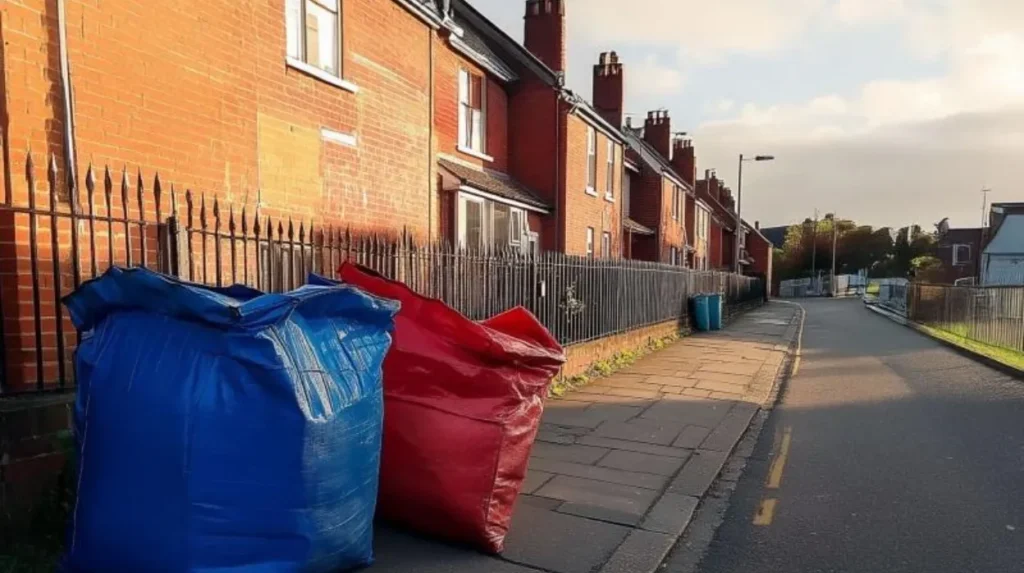
How do you report a problem using the Cardiff Gov app?
The Cardiff Gov app allows residents to report selected local problems by identifying a location on a map or entering a postcode. Users can add up to three photographs and supporting details, helping the relevant council team understand the issue.
The app provides a practical route for reporting everyday problems without making a telephone call. Its reporting tools cover street lighting, fly-tipping, parking issues, graffiti, litter, dog fouling and damaged roads or pavements.
Residents can follow these steps:
- Open the official Cardiff Gov app.
- Select the relevant reporting service.
- Enter a postcode or locate the problem using the map.
- Place the map pin at the correct location.
- Add a description and up to three photographs where supported.
- Submit the report and retain any confirmation or reference details provided.
The location information is important because the council needs to identify the affected road, pavement, public space or neighbourhood. A photograph helps illustrate the problem, but the written description should explain its nature and severity.
Cardiff Council also provides many equivalent digital services through its website. Residents who do not use the app can visit the official Cardiff Gov app and services page to identify available reporting options.
How can you report a missed bin collection in Cardiff?
Residents can report missed waste and recycling collections through Cardiff Council’s dedicated online service. A missed collection must be reported within 48 hours of the scheduled collection, and residents should check the collection status and presentation rules first.
Cardiff Council operates a specific process for waste and recycling problems. The service covers household collections and provides guidance about damaged containers, fly-tipping and other waste concerns.
Before submitting a missed collection report, check the scheduled collection date and make sure the bags or bins were presented correctly. Cardiff Council instructs residents to put their containers out by 6am on collection day, but not before 4:30pm on the previous day. The council does not collect recycling and waste on Saturdays, Sundays or Mondays under its published collection arrangements.
The online status system distinguishes between collections that have been completed, are still due and have not taken place. A report cannot be submitted for an item marked as due or recorded as not collected, because the system provides the relevant status or instructions.
Residents should also check whether the collection was missed because the waste was presented incorrectly, the bin was overfilled, the wrong container was used or access was blocked.
Use the official Cardiff Council missed collection and waste reporting service to find the relevant option. Reporting within the required period gives the council an opportunity to investigate the missed collection and arrange a return where appropriate.
How do you report potholes and damaged pavements in Cardiff?
Report potholes, damaged pavements, broken kerbs and unsafe road surfaces through Cardiff Council’s highways reporting service. Provide the exact location, describe the defect and include photographs where possible. Contact the council directly when the defect presents a serious accident or injury risk.
Cardiff Council maintains a substantial local highway network. Its published highway statistics record approximately 1,132.22 kilometres of adopted highway, covering urban and rural roads. The council also records public rights of way and other walking routes across the city.
This network supports commuting, deliveries, public transport and pedestrian access. Damaged surfaces can create hazards for drivers, cyclists, wheelchair users and people walking.
The council’s reporting service accepts information about potholes, damaged paving, kerbs, sunken surfaces and tree-root damage. Separate options cover drainage defects, missing covers and street furniture.
A useful report identifies the road name, nearby property number or landmark, direction of travel and approximate size of the defect. Photographs taken from a safe position help the highways team assess the condition.
For a road or pavement defect, use the official Cardiff Council roads and highways page. For pavement damage, the dedicated pavements reporting service directs submitted reports to the highways team for investigation.
If the defect presents an immediate danger, do not rely solely on an online form. Follow the council’s instructions for urgent highways reports and use emergency services if there is an immediate threat to life.
How can you report fly-tipping, litter or environmental problems?
Cardiff residents can report fly-tipping, litter accumulation, overflowing public bins, dog fouling, discarded needles and similar street-cleanliness problems through the council’s waste reporting service. Give the exact location and describe the waste or hazard without touching potentially dangerous materials.
Fly-tipping means the illegal dumping of waste on land or in places not authorised to receive it. It can affect residential streets, public spaces, private land and roadside areas.
Cardiff Council provides dedicated options for fly-tipping, litter and related waste issues. The Cardiff Gov app also supports reports about graffiti, broken litter bins, glass, dead animals and other street-cleanliness concerns.
A useful report explains what was discarded, where it was found and when it was first noticed. Photographs can help the council assess the scale of the incident and identify the location.
Residents should never open dumped bags or containers to look for evidence. If waste includes needles, suspected chemicals or other hazardous material, keep a safe distance and explain the potential danger in the report.
The council also publishes information about waste enforcement. Its guidance states that littering is a criminal offence and that a £100 fine can apply. Reporting an incident allows the council to assess the issue; it does not guarantee that an offender will be identified or prosecuted.
How do you report noise pollution or anti-social behaviour in Cardiff?
Residents can report qualifying noise complaints through Shared Regulatory Services, which investigates noise from homes and businesses for Cardiff and neighbouring local authorities. Reports of anti-social behaviour follow the relevant council or police route, depending on the conduct and the immediate risk.
Shared Regulatory Services is a partnership involving Bridgend County Borough Council, Cardiff Council and the Vale of Glamorgan Council. It investigates noise complaints, including qualifying disturbances from residential and commercial premises.
Examples include persistent loud music, repeated late-night noise and certain business-related disturbances. The appropriate response depends on the type, frequency and circumstances of the noise.
Residents can begin with the Cardiff Council noise complaint service. The council also publishes an out-of-hours noise reporting number, 0300 123 6696, through its emergency contact information. Check the current official guidance before calling.
Anti-social behaviour is conduct that causes harassment, alarm or distress, or otherwise disrupts a neighbourhood in circumstances covered by the relevant reporting process. Examples include threatening behaviour, persistent serious disturbances and criminal activity affecting residents.
Cardiff Council distinguishes between anti-social behaviour involving council tenants and other reports. Its published guidance identifies the Anti-Social Behaviour Team as a contact for relevant cases, with the telephone number 029 2053 7199.
Residents should record dates, times, the nature of the incident and its impact. For an immediate threat, violence or crime in progress, contact South Wales Police. Call 999 in an emergency; use 101 for non-emergency police matters.
How can Cardiff residents report a housing problem?
The correct housing reporting route depends on whether the problem concerns a Cardiff Council tenancy, private rented accommodation, homelessness or a housing-related council decision. Council tenants should use Cardiff Housing services for repairs and tenancy concerns, while private housing issues require the appropriate council service.
Housing problems can affect a property’s safety, living conditions and the wider residential environment. Cardiff Council provides different routes for council tenants, people experiencing homelessness and residents reporting issues with private housing.
Council housing repairs and communal spaces
Council tenants should report repair needs through Cardiff Housing’s repairs service. For problems in shared spaces, residents can report concerns involving litter, graffiti, fly-tipping and dog fouling.
Cardiff Housing also identifies caretaking responsibilities across 857 low-rise blocks of flats, eight high-rise blocks, 11 community living schemes and 13 supported accommodation schemes. These figures describe the council’s published service responsibilities, rather than every residential property in Cardiff.
Private rented housing
Problems in privately rented accommodation require a route suited to the issue. Residents can use the council’s complaint form to identify the private housing category and the relevant reporting procedure.
Describe the property, the nature of the problem, the dates involved and any previous communication with the landlord or letting agent. For serious hazards, explain the risk clearly and use the appropriate urgent contact route.
Homelessness and housing support
Residents who have nowhere safe to stay or face homelessness should contact Cardiff Council’s housing support services rather than treating the situation as a routine service complaint.
A request for housing assistance is different from a complaint about how an earlier housing application was handled. Making this distinction helps the council identify whether the resident needs a new service, an assessment or an investigation into previous service delivery.
How do you make a formal complaint against Cardiff Council?
Residents can make a formal complaint through Cardiff Council’s official complaints form or the relevant department’s complaints process. Explain what went wrong, when it happened, which service was involved and what outcome you want. Use a separate appeal route when challenging a formal decision.
A service request and a formal complaint serve different purposes. A service request asks the council to take action, such as emptying a missed bin or inspecting a pothole. A complaint expresses dissatisfaction with a service, decision-handling process or failure to act.
Cardiff Council’s complaints form provides dedicated options for issues such as school services, adult and children’s social care, councillors, noise, private housing and anti-social behaviour. Selecting the correct category helps direct the complaint to the appropriate organisation or department.
To make a complaint:
- Visit the Cardiff Council complaints form.
- Select the category that matches the problem.
- Explain what happened and identify the service involved.
- Include relevant dates, correspondence and reference numbers.
- State the action or outcome you are requesting.
- Keep a copy of your submission and any acknowledgement.
Be specific about the outcome you want. For example, you can request an explanation for a delayed repair, an investigation into repeated missed collections or a review of how staff handled an enquiry.
Not every disagreement belongs in the corporate complaints process. Cardiff Council states that parking fine appeals and council tax reduction appeals follow separate procedures. Residents should follow the instructions on the relevant notice or decision letter.
What information should you include when reporting a Cardiff Council problem?
A useful report identifies the exact location, describes the problem, states when it occurred and explains its impact. Add photographs or supporting documents when relevant, provide contact details for follow-up, and retain any confirmation number issued by the council.
Clear reporting helps the relevant team understand the situation and decide what action is appropriate. Incomplete information can make it harder to locate a defect, verify a missed service or investigate a complaint.
Include the following information when relevant:
- Location: the street name, postcode, property number or nearby landmark.
- Problem description: the specific defect or service failure, such as a deep pothole or an uncollected recycling bin.
- Date and time: when the issue occurred or when you first noticed it.
- Impact: the safety risk, disruption or effect on residents.
- Evidence: photographs, previous correspondence or relevant reference numbers.
- Contact information: details the council needs to clarify the report or communicate its response.
For example, a report stating that a pothole is present on a particular street near a named junction gives the highways team a clearer starting point than a report stating only that a road is damaged.
Photographs should show the problem clearly without putting the person taking them at risk. Avoid photographing people unnecessarily or including sensitive personal information.
Residents reporting a problem on behalf of someone else should provide only the information necessary to investigate it. Some services require consent before discussing another person’s confidential case.
How can you contact Cardiff Council if you cannot report a problem online?
Residents who cannot use an online reporting form can contact Cardiff Council by telephone, webchat, post or in person at a Council Hub. The appropriate method depends on the service, the urgency of the problem and the support the resident needs.
Cardiff Council offers several ways to access its services. These options support residents who lack internet access, require help navigating an online form or prefer speaking directly to council staff.
Postal correspondence
Cardiff Council, County Hall, Atlantic Wharf, Cardiff, CF10 4UW. Use the relevant department’s instructions when sending a formal complaint.
The council also provides British Sign Language access through SignVideo and publishes a text contact number, 079 6722 2087. Its contact page explains the available communication options.
Residents should choose a route that creates a clear record of the issue. For formal complaints, written submissions help preserve the original description and requested outcome.
What should you do if a Cardiff Council problem is an emergency?
An immediate threat to life or serious danger requires an emergency response rather than a routine council report. Call 999 for police, fire or ambulance emergencies. For urgent council issues, use Cardiff Council’s published emergency contact arrangements and follow the instructions for the relevant service.
Some problems need action before a standard online report receives attention. Examples include a dangerous highway defect, a housing repair threatening life or an urgent social care situation.
Cardiff Council publishes out-of-hours instructions for several emergency categories. These include housing repairs that threaten life, adult or child social care emergencies, parks and highways emergencies, noise pollution and traffic control issues.
The published contact guidance includes the following routes:
- Emergency services: call 999 for an immediate threat to life, serious injury or a crime in progress requiring an urgent police response.
- Urgent council housing repairs: use the council’s emergency contact arrangements and follow the housing repair instructions.
- Parks and highways emergencies: follow the out-of-hours telephone instructions provided by Cardiff Council.
- Noise pollution: consult the council’s emergency contact page for the appropriate reporting number.
For non-emergency crime, South Wales Police can be contacted on 101. Dangerous parking and other police matters should be directed to the appropriate authority rather than automatically reported as council maintenance issues.
An emergency report should explain the immediate danger and give the precise location. Do not wait for an online confirmation email if doing so would place someone at risk.
What happens after you report a problem to Cardiff Council?
After receiving a report, Cardiff Council directs it to the relevant service for assessment, investigation or further action. The next steps depend on the problem, available evidence, service responsibilities and urgency. Keep the confirmation details and follow up if the issue remains unresolved.
A report does not automatically mean that the council will carry out immediate repairs or resolve the issue on the day it is submitted. Some reports require an inspection, additional information or coordination with another organisation.
For example, a pothole report is sent to the highways team for investigation. A missed waste collection follows the waste service’s collection-status process. A complaint about council housing is handled through the relevant housing complaints procedure.
Residents should save the acknowledgement, reference number and any correspondence. If the issue remains unresolved, these details help the relevant department identify the original report.
Where a report concerns an immediate safety hazard, explain if the risk has worsened since the initial submission. Use the appropriate urgent reporting route if the circumstances justify it.
How long does Cardiff Council take to respond to a complaint?
Response times differ between council services and complaint procedures. Cardiff Housing states that it aims to acknowledge housing complaints within five working days and respond within 20 working days where possible.
Adult Services operates a separate process. Its published guidance states that it sends an acknowledgement within two working days and aims to resolve complaints within 15 working days. More complex cases can require additional time, with further information provided to the complainant.
These are service-specific targets, not a universal deadline for every report made to Cardiff Council. A pothole report, noise complaint and formal housing complaint follow different processes.
Residents should check the relevant service page for the latest response arrangements and contact the department if the stated timeframe passes without an update.
What can you do if Cardiff Council does not resolve your problem?
If Cardiff Council does not resolve a reported issue, review the original submission, contact the responsible department and provide the reference number. If the problem concerns poor service, use the appropriate formal complaints process. For eligible unresolved complaints, external review options are available.
The next step depends on whether the original issue remains outstanding or whether the complaint concerns the council’s handling of it.
If a pothole remains dangerous, provide an update through the highways reporting route. If a missed collection remains unresolved, follow the waste service’s instructions. If a housing repair or tenancy complaint has not been handled satisfactorily, contact Cardiff Housing through its complaints service.
For council housing complaints, the council publishes an acknowledgement target of five working days and an aim to respond within 20 working days where possible. Residents should refer to the department’s current process if those targets are not met.
Some complaints have an external escalation route. The Public Services Ombudsman for Wales investigates eligible complaints about public services and certain conduct matters involving councillors. Its involvement depends on its jurisdiction and the circumstances of the case.
Residents should generally give the council an opportunity to address a service complaint first and keep copies of relevant responses. A complaint about a councillor’s conduct has a separate route, and the council directs qualifying complaints to the Ombudsman.
An appeal is not the same as a complaint. If a resident disagrees with a parking penalty or a council tax reduction decision, the relevant appeal procedure must be followed instead of relying on the corporate complaints process.
Explore More Area Guide
Cardiff Council Housing: Applications, Eligibility and Support
Cardiff Benefits and Financial Support: Grants and Eligibility
How can Cardiff residents make their reports more effective?
Residents can improve the usefulness of council reports by selecting the correct service, providing an accurate location, explaining the impact and keeping evidence of communication. Following the relevant reporting procedure helps the council assess the issue and identify appropriate next steps.
A clear report focuses on one identifiable problem and includes the information required by the responsible department. It avoids unrelated complaints, unclear descriptions and unsupported allegations.
For example, a report about overflowing litter bins should identify the street or public space, describe the condition and explain whether waste is spilling onto a pavement. A report about repeated noise should include the dates, times and nature of the disturbance.
Residents should also distinguish between a one-off inconvenience and an ongoing problem. Repeated incidents are easier to assess when the report includes a concise record of dates and previous attempts to obtain assistance.
Use the council’s official reporting tools whenever possible. These services help direct the issue to the responsible team and provide a record of the information submitted.
Where can you find official Cardiff Council reporting services?
The official Cardiff Council website provides dedicated pages for general enquiries, formal complaints, waste problems, highways defects, noise complaints and housing concerns. Residents should use the page matching their issue and verify service-specific instructions before submitting a report.
These official pages provide the most direct starting points for residents seeking to report local problems. Service availability, response targets and contact arrangements should always be checked against the latest council guidance.
Cardiff Council reporting services help residents raise concerns about public spaces, waste, roads, housing and service delivery. Providing accurate details, using the correct reporting route and keeping a record of correspondence gives the council the information needed to assess each issue and determine the appropriate response.
How do I report a problem to Cardiff Council?
You can report a problem through the official Cardiff Council website, Cardiff Gov app, telephone contact centre or a local Council Hub. Choose the service that matches your issue.