Choosing a Welsh-medium school in Cardiff is an important decision for parents who want their children to learn through the Welsh language while receiving a full school education. Understanding the school system, admissions process, language development, catchment arrangements and available support helps families make informed decisions.
- What Is Welsh-Medium Education in Cardiff?
- Why Do Parents Choose Welsh-Medium Schools in Cardiff?
- What are the educational benefits of learning through Welsh?
- How does Welsh-medium education support Welsh culture?
- Does attending a Welsh-medium school improve future opportunities?
- How Does the Welsh-Medium School System Work in Cardiff?
- What role does Welsh-medium nursery education play?
- How does Welsh-medium primary education develop children’s skills?
- What happens when children move to Welsh-medium secondary school?
- Which Welsh-Medium Schools and Areas Should Cardiff Parents Consider?
- How can parents identify their nearest Welsh-medium school?
- Which named schools should families research?
- What should parents check when comparing schools?
- How Does the Cardiff Welsh-Medium School Admissions Process Work?
- When should parents apply for a school place?
- Does a child need to speak Welsh before starting school?
- How do catchment areas and oversubscription affect applications?
- What happens if a family moves to Cardiff?
- How Can Children Learn Welsh if Their Parents Do Not Speak It?
- How can parents support Welsh-language development at home?
- What support is available for children who start without Welsh?
- Can children become bilingual while learning other languages?
- What Should Parents Know About the Welsh Language and Education Act 2025?
- What changes does the Act introduce?
- What is the Welsh in Education Strategic Plan?
- How will the policy affect future school choices?
- How Can Parents Choose the Right Welsh-Medium School in Cardiff?
What Is Welsh-Medium Education in Cardiff?
Welsh-medium education is a school system in which Welsh is the main language used to teach children across the curriculum. In Cardiff, it is open to families regardless of their home language, background or previous experience of speaking Welsh.
Welsh-medium education, known in Welsh as addysg cyfrwng Cymraeg, teaches children through Welsh rather than limiting the language to a single subject. Pupils learn areas such as mathematics, science, humanities and creative subjects using Welsh as the language of instruction.
English also forms part of children’s education. Pupils develop English literacy alongside their Welsh-language skills, supporting their ability to communicate in both languages.
Cardiff Council confirms that Welsh-medium education is available to families who already speak Welsh and those who speak English or another language at home. Parents do not need to be fluent in Welsh to apply for a school place.
This accessibility makes Welsh-medium schools relevant to established Cardiff residents, families relocating from other parts of the United Kingdom and international households settling in the Welsh capital.
How does Welsh-medium learning differ from learning Welsh as a subject?
In an English-medium school, Welsh is generally taught as a language subject, while most other lessons take place in English. In a Welsh-medium school, Welsh is used to teach most subjects, giving children regular opportunities to listen, speak, read and write in the language.
This difference affects how children acquire vocabulary and language confidence. They use Welsh to understand instructions, discuss classroom activities, complete assignments and communicate with teachers and classmates.
Regular exposure to Welsh across the school day supports language development beyond formal grammar lessons. Children also encounter Welsh through assemblies, school activities, reading materials and everyday conversations.
Why Do Parents Choose Welsh-Medium Schools in Cardiff?
Parents choose Welsh-medium schools in Cardiff to develop bilingual skills, access Welsh-language culture and give children opportunities to use Welsh in education and everyday life. These schools welcome children from Welsh-speaking and non-Welsh-speaking households across the city.
The decision involves educational priorities, family circumstances and long-term plans. Parents assess how a school supports language development, academic progress, wellbeing and transition to secondary education.
What are the educational benefits of learning through Welsh?
Children attending Welsh-medium schools develop academic knowledge through Welsh while building English-language literacy. Learning through two languages gives pupils experience of understanding information, communicating ideas and applying vocabulary in different linguistic contexts.
Cardiff Council explains that working with school subjects in two languages can help children understand what they are studying. It also notes that learning Welsh does not prevent children from learning additional languages.
The outcomes depend on teaching quality, individual learning needs, attendance, language exposure and educational support. Bilingual education does not remove the need for effective literacy teaching or additional help when a pupil experiences difficulties.
How does Welsh-medium education support Welsh culture?
Welsh is one of Wales’s official languages and has a significant role in the country’s cultural identity, literature, music and public life. Welsh-medium schools provide structured opportunities for children to engage with this cultural heritage through education.
Pupils encounter Welsh-language books, songs, traditions, local place names and community events. School activities also provide opportunities to use Welsh outside formal lessons.
Cardiff’s position as the Welsh capital connects children with Welsh-language cultural institutions, public services and educational opportunities. Families can extend school learning through local libraries, community activities and Welsh-language events.
Does attending a Welsh-medium school improve future opportunities?
Welsh proficiency supports access to further education, cultural activities and employment where Welsh-language communication is useful. Welsh-speaking skills are relevant in sectors such as education, public services, broadcasting, healthcare and customer-facing roles.
The Welsh Government’s Cymraeg 2050 strategy aims to increase the number of Welsh speakers and expand opportunities to use Welsh in daily life and the workplace. The strategy places education among the main ways of developing future Welsh speakers.
A school place does not guarantee a particular career outcome. However, developing strong Welsh and English skills gives pupils additional language capabilities to use as they progress through education and employment.
How Does the Welsh-Medium School System Work in Cardiff?
Cardiff’s Welsh-medium school system includes early-years provision, primary education and secondary education. Children build Welsh-language skills across these stages, progressing from early communication and literacy to subject learning and more advanced academic work.
The system is designed to support progression throughout a child’s education. Parents should consider the transition between stages when selecting a primary school, rather than focusing only on the first year of attendance.
What role does Welsh-medium nursery education play?
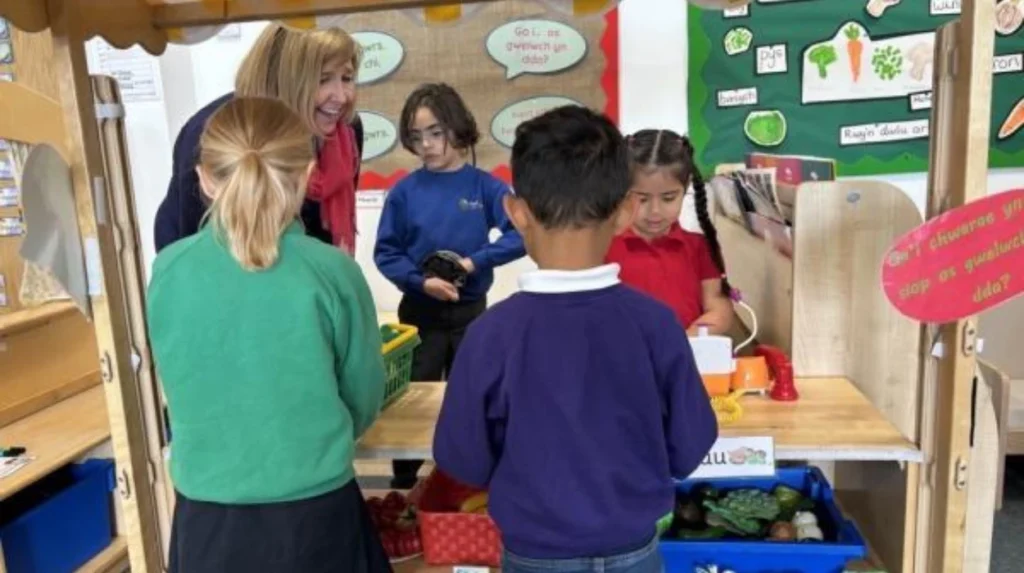
Welsh-medium nursery education introduces children to Welsh through play, communication, stories, songs and everyday routines. Children hear and use the language in a structured setting before beginning formal primary education.
Cardiff Council states that children become eligible for a part-time nursery place from the start of the term after their third birthday. They normally remain in nursery school until the September after their fourth birthday, when they begin reception class. Exact arrangements depend on the relevant admissions rules and provision.
Nursery attendance is useful for children who have little previous exposure to Welsh. It allows them to become familiar with common expressions, classroom routines and communication with Welsh-speaking practitioners.
Parents should check whether the nursery is attached to a primary school, how applications are managed and whether nursery attendance has any effect under the school’s published admission arrangements. A nursery place does not automatically guarantee a reception place unless the applicable policy explicitly provides for it.
How does Welsh-medium primary education develop children’s skills?
Welsh-medium primary schools develop speaking, listening, reading and writing while teaching the wider primary curriculum. Children learn to use Welsh for classroom communication and academic tasks rather than treating it only as a separate subject.
Early learning focuses on oral communication, vocabulary, listening comprehension and foundational literacy. As pupils progress through primary school, they develop reading comprehension, written expression, subject-specific vocabulary and the ability to explain ideas.
English literacy is also an important part of the learning journey. Parents should ask how the school introduces and develops English reading and writing, how it monitors progress in both languages and how it supports children who need extra help.
What happens when children move to Welsh-medium secondary school?
Welsh-medium secondary education builds on the language foundation established in primary school. Pupils study a broader range of subjects, develop more advanced academic vocabulary and prepare for qualifications through the school’s language provision.
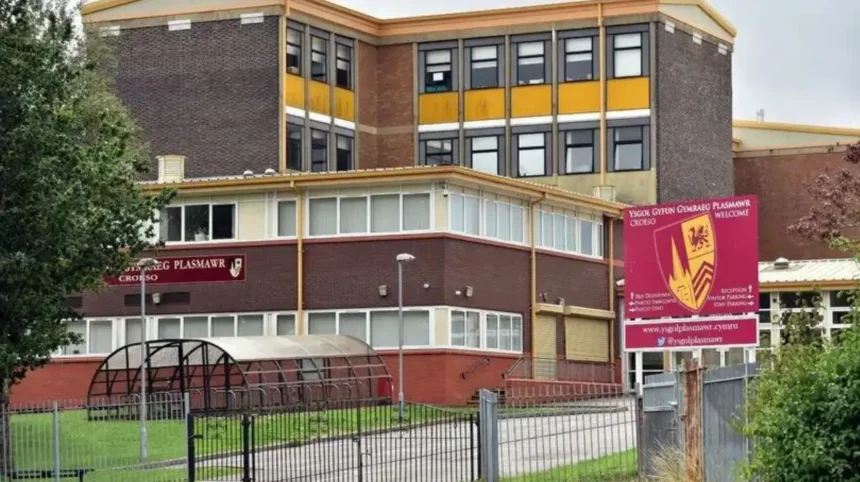
Cardiff families researching secondary education should explore the council’s information about schools, admissions criteria, available places and transition arrangements. The city’s Welsh-medium secondary provision includes Ysgol Gyfun Gymraeg Glantaf, which is referenced in Cardiff Council’s secondary admissions information.
Parents should confirm which secondary schools are appropriate for their home address, what admission criteria apply and how the school manages transition from primary education. A preferred secondary school is not guaranteed solely because a child attends a particular primary school.
Which Welsh-Medium Schools and Areas Should Cardiff Parents Consider?
Parents should compare Cardiff’s Welsh-medium primary and secondary schools using official school directories, admissions policies, travel arrangements and educational information. The most suitable school depends on the child’s needs, the family’s location and the availability of places.
Cardiff Council provides information about school admissions and nearby schools, helping parents identify local provision and check the arrangements for applying.
How can parents identify their nearest Welsh-medium school?
The council’s primary admissions service provides a nearest-schools facility and information about catchment areas. Parents can use these resources to identify schools serving their address and compare practical travel options.
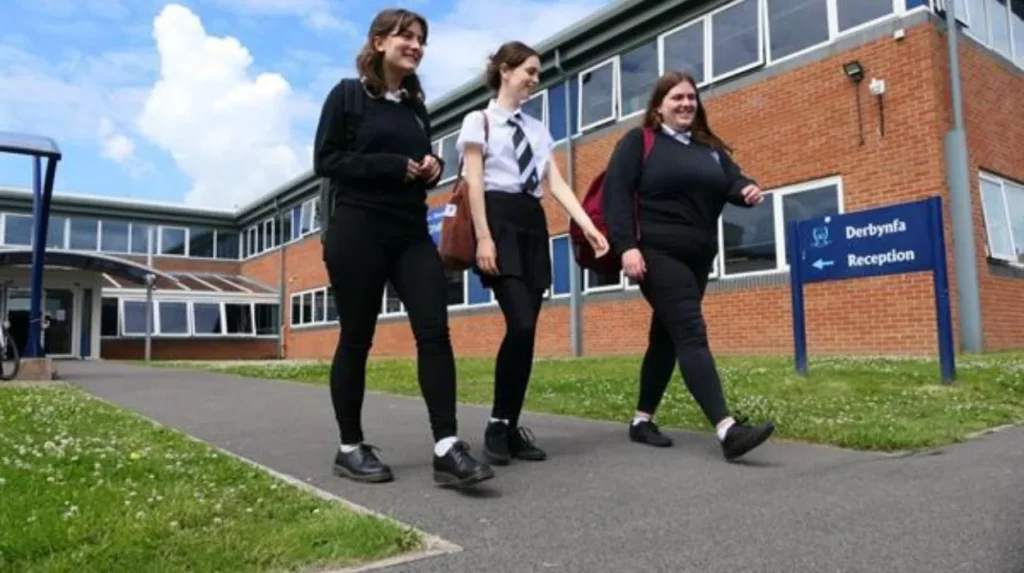
However, a school shown as geographically nearest is not necessarily the easiest to reach safely. Cardiff Council notes that distances displayed for nearest schools are measured directly rather than along walking routes. Parents should check the actual route, crossing points, public transport and journey time before deciding.
Families moving to Cardiff should investigate school options before committing to a property. The location of Welsh-medium primary and secondary provision can affect daily travel, childcare arrangements and the time required to collect children.
Which named schools should families research?
Ysgol Gyfun Gymraeg Glantaf is one named Welsh-medium secondary school that parents can investigate through Cardiff Council’s admissions information. The council’s published arrangements also identify a temporary increase in the Year 7 admission number to up to 300 pupils for the 2027–28 intake. Parents applying for that year should verify the latest approved arrangements before submitting an application.
For primary education, parents should use Cardiff Council’s official school directory and nearest-schools service to identify Welsh-medium schools relevant to their address. They should confirm each school’s current name, age range, location, admission arrangements and availability directly through official sources.
This approach avoids relying on outdated third-party lists or assuming that every school has the same admissions policy. It also allows families to assess the full journey from nursery through primary and secondary education.
What should parents check when comparing schools?
Parents should assess the curriculum, teaching approach, language support, pastoral care and communication with families. They should also ask how the school monitors academic progress, supports pupils with additional learning needs and helps children who begin with limited Welsh.
School visits offer an opportunity to observe classrooms, discuss expectations and understand how teachers develop language skills. Parents should ask about transition arrangements, homework, reading support, attendance, extracurricular activities and communication with families who do not speak Welsh.
Published school information and inspection reports provide additional evidence. Parents should consult the relevant school profile and the latest available inspection information from Estyn, the education and training inspectorate for Wales.
How Does the Cardiff Welsh-Medium School Admissions Process Work?
Cardiff parents apply for Welsh-medium school places through the relevant council admissions process or the school’s designated procedure. Applications are assessed under published admission arrangements, and families must check deadlines, eligibility, oversubscription rules and the requirements for their chosen school.
The admissions process varies according to the child’s age, the type of school and the year of entry. Nursery, reception, secondary transfer and in-year applications have different procedures and deadlines.
When should parents apply for a school place?
Parents should check Cardiff Council’s admissions timetable well before their child is due to start school. The council publishes information about application dates, school admission arrangements and late applications.
For reception, children generally start in September after their fourth birthday. Nursery eligibility follows a separate timetable based on the child’s third birthday. Secondary applications are linked to the transfer from primary school into Year 7.
The application window for a particular school year can close months before the child starts. Parents should therefore check the timetable for the exact intake year rather than relying on dates published for a previous year.
Does a child need to speak Welsh before starting school?
No. Cardiff Council confirms that Welsh-medium education is available regardless of the language spoken at home. Parents do not need to speak Welsh themselves for their child to attend a Welsh-medium community school.
Children entering reception without Welsh experience learn through classroom interaction, teacher guidance, repetition, stories and structured activities. Teachers introduce vocabulary within meaningful situations and help pupils understand instructions and participate in lessons.
Parents should tell the school about their child’s language background during the admissions or induction process. This information helps staff understand the child’s starting point and explain how they support early language development.
How do catchment areas and oversubscription affect applications?
A catchment area identifies the geographical area associated with a school for admissions purposes. Catchment arrangements and oversubscription criteria help determine how applications are prioritised when demand exceeds the number of available places.
Cardiff Council provides information about catchment areas and nearest schools. Parents must read the admission policy for the specific school and intake year because distance, sibling connections and other published criteria affect decisions according to the applicable arrangements.
Living near a Welsh-medium school does not automatically guarantee admission. Similarly, a child attending a particular nursery should not assume that a primary place is reserved without checking the published policy.
If a child does not receive the preferred school, parents should read the offer information carefully and contact the admissions team about the available options. Depending on the circumstances, they can investigate other schools, late applications, waiting-list arrangements and the right to appeal.
What happens if a family moves to Cardiff?
Families relocating to Cardiff should identify Welsh-medium provision before moving, particularly when children are approaching reception or secondary transfer. They should contact the relevant admissions service to establish whether the application must follow the normal timetable or the in-year procedure.
An in-year application is an application for a school place outside the usual main intake. Places depend on current availability and the school’s admission arrangements.
Parents should prepare the child’s details, current school information and proof of address where required. They should also discuss the child’s existing Welsh proficiency with the receiving school to plan a suitable transition.
How Can Children Learn Welsh if Their Parents Do Not Speak It?
Children can develop Welsh proficiency at a Welsh-medium school even when their parents do not speak the language. Teachers provide Welsh-language instruction, while families support progress through reading, school communication, digital resources and opportunities to hear Welsh outside lessons.
A parent’s lack of Welsh is not a barrier to applying for a Welsh-medium school. The important considerations are the child’s educational needs, consistent attendance and the family’s willingness to support learning.
How can parents support Welsh-language development at home?
Parents can support learning without becoming fluent speakers themselves. Regular reading, interest in school activities and positive communication with teachers help children practise what they learn during the school day.
Practical approaches include sharing Welsh-language picture books, listening to children’s songs, watching suitable Welsh-language programmes and asking children to explain familiar words or expressions. Families can also use school-provided reading materials and language resources.
Parents should avoid turning every activity into a test. Instead, they can encourage children to describe what they learned, read aloud when comfortable and use new vocabulary in everyday situations.
Cardiff Council identifies Hwb as a source of nationally provided digital learning tools and resources. Parents can ask their child’s school which Hwb materials and Welsh-language learning resources are appropriate for the child’s age.
What support is available for children who start without Welsh?
Schools introduce language through structured teaching, classroom routines and interaction with other pupils. Support can include visual resources, repeated instructions, guided reading and activities that develop listening and speaking skills.
Parents should ask the school how it assesses a new pupil’s Welsh proficiency and how teachers monitor progress over the first terms. They should also establish how the school communicates with families who need information in English or another language.
Children enter school with different levels of language experience. Some have heard Welsh at home or attended Welsh-medium childcare, while others encounter the language for the first time at school. The school should explain how teaching responds to these differences.
Can children become bilingual while learning other languages?
Yes. Welsh-medium education supports the development of Welsh and English, and learning those languages does not prevent children from studying additional languages. Cardiff Council explains that developing one language can reinforce learning in another.
Language development still requires effective teaching and practice. Parents should monitor reading, writing, listening and speaking in both Welsh and English, and raise concerns with teachers when progress does not match the child’s needs.
Explore More Area Guide
Best Areas to Live in Cardiff for Families: Top Neighbourhoods
Moving to Cardiff With Children: A Family Guide
What Should Parents Know About the Welsh Language and Education Act 2025?
The Welsh Language and Education (Wales) Act 2025 establishes a statutory framework for Welsh-language education, including school language categories, national and local planning, and language-learning goals. Its implementation shapes the longer-term direction of Welsh-medium education across Cardiff and Wales.
The Act received Royal Assent in July 2025. It forms part of the Welsh Government’s wider aim of reaching at least one million Welsh speakers by 2050 and strengthening opportunities to learn and use Welsh.
What changes does the Act introduce?
The Act sets out three statutory school language categories: primarily Welsh language, dual language, and primarily English language with some Welsh. These categories provide a framework for defining how schools deliver Welsh-language education.
The legislation also provides for a National Framework for Welsh Language Education and Learning Welsh, local Welsh in Education Strategic Plans and school-level Welsh-language education delivery plans.
These arrangements connect national policy with local education planning. They also establish a structure for setting expectations about Welsh-language provision and supporting pupils’ language development.
Parents choosing a Welsh-medium school should understand that the Act covers the wider education system, not only schools where Welsh is the main teaching language. Its framework also addresses the development of Welsh in schools that teach primarily through English.
What is the Welsh in Education Strategic Plan?
A Welsh in Education Strategic Plan, commonly shortened to WESP, is a local authority plan for developing Welsh-language education. It helps councils plan provision, support access and work towards Welsh-language education objectives.
Welsh Government guidance states that the existing WESPs began operating in September 2022 and run within a longer-term planning framework. Their commitments include establishing 23 new Welsh-medium primary schools and expanding 25 existing Welsh-medium primary schools by 2032 across Wales. These are national commitments, not a statement that every project is located in Cardiff.
For Cardiff families, local planning is relevant because demand for school places, suitable buildings, teacher recruitment and early-years provision all affect access to Welsh-medium education.
Parents should monitor Cardiff Council announcements for local projects, consultation documents and changes to school capacity. National targets alone do not confirm when a particular school opens or whether additional places are available in a specific year.
How will the policy affect future school choices?
The policy direction places greater emphasis on access to Welsh-language learning and progression through the education system. The Welsh Government’s 2026–27 action plan includes work on the implementation of the Act, a revised language strategy and a national framework.
For parents, the practical priority is to check current admissions arrangements rather than assume that planned reforms have already changed a school’s admission criteria. School categories, local provision and implementation dates should be verified through current official guidance.
The policy also highlights the importance of a suitably skilled workforce. Welsh-medium schools need teachers and support staff who can teach effectively through Welsh. Workforce development therefore remains an important part of expanding provision and maintaining educational quality.
How Can Parents Choose the Right Welsh-Medium School in Cardiff?
Parents can choose a suitable Welsh-medium school by comparing teaching quality, admissions criteria, location, language support, pupil wellbeing and progression to secondary education. Reviewing official information and visiting schools helps families assess whether the provision meets their child’s educational needs.
The decision should account for both immediate requirements and long-term education. A convenient location is important, but parents should also examine the school’s approach to literacy, additional learning needs, communication and academic development.
Before submitting an application, families should:
- Check Cardiff Council’s current admissions timetable and school directory.
- Review the admission policy for the intended intake year.
- Compare travel routes, journey times and childcare arrangements.
- Ask how the school supports children who do not speak Welsh at home.
- Review inspection information and the school’s published performance information.
- Confirm transition arrangements from nursery to primary and from primary to secondary.
Families should also consider whether Welsh-medium education fits their longer-term plans. Children benefit from continuity between educational stages, regular opportunities to use Welsh and support from teachers and family members.
Cardiff offers Welsh-medium education to families from different linguistic backgrounds. Parents do not need to speak Welsh before their children start. By researching schools early, understanding admissions rules and establishing a practical plan for supporting language development, families can make an informed decision about their child’s education.
What are Welsh-medium schools in Cardiff?
Welsh-medium schools in Cardiff teach most subjects through Welsh rather than English. Pupils learn the curriculum in Welsh while also developing English literacy and communication skills.