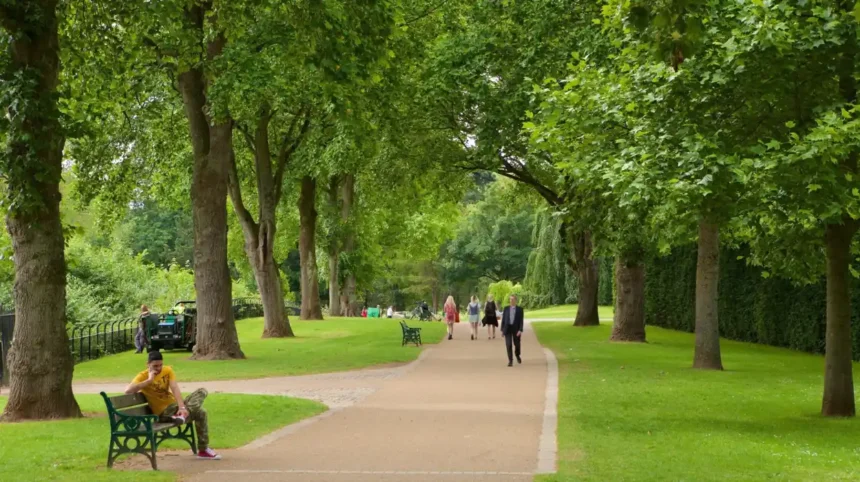
Cardiff, the capital city of Wales, has a network of public parks, historic gardens, riverside paths, recreation grounds and nature reserves. These green spaces provide opportunities for walking, cycling, family activities, wildlife observation, sports and outdoor recreation. They also preserve historic landscapes and support urban biodiversity.
- Why Are Cardiff’s Parks Important to the City?
- Which Parks Are the Best to Visit in Cardiff?
- Why Is Bute Park One of the Best Parks in Cardiff?
- What Makes Roath Park a Must-Visit Cardiff Park?
- Is Victoria Park a Good Choice for Families in Cardiff?
- What Can Visitors Expect at Sophia Gardens?
- Why Should You Visit Thompson’s Park in Cardiff?
- Is Heath Park Worth Visiting in North Cardiff?
- Where Can You Find Woodland and Natural Landscapes in Cardiff?
- What Makes Parc Cefn Onn Special?
- Why Visit Forest Farm Nature Reserve?
- What Can You Do at Hailey Park?
- Which Cardiff Parks Are Best for Walking and Running?
- Which Parks in Cardiff Are Best for Children and Family Activities?
- When Is the Best Time to Visit Cardiff’s Parks?
- How Do Cardiff’s Parks Support Wildlife and the Environment?
- How Can You Travel to Cardiff’s Parks?
- What Should Visitors Know Before Exploring Cardiff’s Parks?
- Why Do Cardiff’s Parks Remain Important for Residents and Visitors?
The best parks in Cardiff include Bute Park near Cardiff Castle, Roath Park with its ornamental lake, Victoria Park in Canton, and Heath Park in north Cardiff. Each destination has a distinct landscape, location and range of facilities. Some parks suit visitors seeking landscaped gardens and historic landmarks, while others provide playgrounds, sports facilities, woodland paths or quieter natural habitats.
Cardiff’s parks also form part of the city’s wider environmental infrastructure. Trees provide shade, vegetation supports wildlife, and open spaces offer routes for walking and everyday exercise. Understanding each park’s location, facilities and character helps residents and visitors choose the right green space for their needs.
Why Are Cardiff’s Parks Important to the City?
Cardiff’s parks are public green spaces that support recreation, biodiversity, heritage conservation and urban wellbeing. They provide accessible places for walking, sports, family activities and relaxation while preserving trees, habitats and historic landscapes across residential neighbourhoods and the city centre.
Cardiff’s park network developed through different periods of urban growth, landscape design and public investment. Historic estates, landscaped gardens and former private grounds became important components of the city’s public realm. Later developments expanded recreational provision through neighbourhood parks, playgrounds, sports pitches and community green spaces.
Parks serve several functions beyond leisure. Trees and vegetation help regulate local temperatures, absorb rainfall and provide habitats for birds, insects and other wildlife. Grassland and woodland support ecological diversity, while paths connect neighbourhoods to recreational destinations.
Public parks also provide settings for informal physical activity. Walking, jogging, cycling on permitted routes and outdoor games make green spaces useful throughout the year. Families use playgrounds and open lawns, while birdwatchers and nature enthusiasts visit lakes, woodlands and wetland habitats.
Cardiff Council manages many of the city’s principal parks and publishes information about local facilities and services. Natural Resources Wales also provides information about protected habitats and nature conservation, including sites around Cardiff.
Which Parks Are the Best to Visit in Cardiff?
The best parks in Cardiff include Bute Park for riverside walks, Roath Park for its lake and gardens, Victoria Park for family recreation, and Heath Park for woodland and sports. Sophia Gardens, Thompson’s Park and Parc Cefn Onn offer additional outdoor experiences.
The right park depends on location, available time and planned activities. Visitors staying in central Cardiff have convenient access to Bute Park and Sophia Gardens. Residents in the north can explore Heath Park and Parc Cefn Onn, while Roath Park serves the eastern residential districts.
Cardiff’s parks vary in landscape and purpose. Some preserve formal Victorian designs, while others prioritise sports, playgrounds or semi-natural habitats. The following destinations provide a practical starting point for exploring the city’s green spaces.
Why Is Bute Park One of the Best Parks in Cardiff?
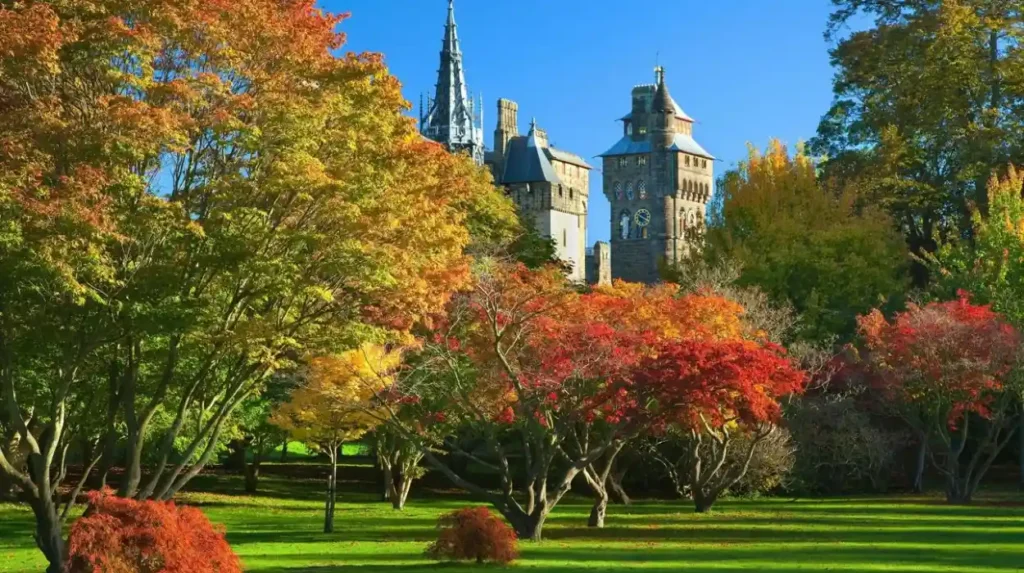
Bute Park is a large historic park beside Cardiff Castle and the River Taff in central Cardiff. It combines landscaped gardens, mature trees, riverside paths and historic features, making it a convenient destination for walking, nature observation and exploring the city’s heritage.
Bute Park is one of Cardiff’s most recognisable green spaces. Its position immediately north of Cardiff Castle makes it easy to combine a park visit with sightseeing in the city centre. The River Taff runs alongside the park, creating a natural corridor through the urban landscape.
The park’s history extends back to medieval Cardiff, when the castle grounds and surrounding land supported agricultural, religious and industrial activities. During the nineteenth century, the Bute family developed the grounds into landscaped pleasure gardens. Head gardener Andrew Pettigrew worked on the landscape from 1873, helping establish its distinctive planting and layout.
The fifth Marquess of Bute presented the castle and grounds to the people of Cardiff in 1947. Bute Park opened as a public park on 15 April 1949. A major restoration programme between 2010 and 2014 received £3.1 million from the Heritage Lottery Fund.
What Can Visitors Do at Bute Park?
Bute Park supports several outdoor activities, including walking, running, cycling on permitted routes, photography and wildlife observation. Its extensive paths accommodate visitors who want a short stroll as well as those planning a longer walk along the River Taff.
The park contains an arboretum, a collection of trees cultivated for their scientific, educational and ornamental value. Its mature trees provide habitat for birds and other wildlife. Visitors exploring quietly can look for woodpeckers, herons and other bird species, although sightings depend on conditions.
Historic features add another dimension to the visit. The Animal Wall, designed by architect William Burges, stands near Cardiff Castle. Other architectural and landscape features reflect the park’s Victorian development.
The visitor centre provides information about the park and its heritage. Visitors should check current opening arrangements for indoor facilities, refreshments and any organised activities before travelling.
Where Is Bute Park Located?
Bute Park sits beside Cardiff Castle, with entrances accessible from the city centre and surrounding riverside routes. Cardiff Central railway station and the central shopping district are within walking distance, depending on the entrance selected.
The park suits visitors who want green space without travelling far from central attractions. A visit also connects naturally with nearby Sophia Gardens and Pontcanna Fields, allowing a longer walk through adjoining open spaces.
What Makes Roath Park a Must-Visit Cardiff Park?
Roath Park is a historic Victorian public park in north-east Cardiff, known for its large ornamental lake, landscaped gardens, walking paths and Scott Memorial lighthouse. It is particularly suitable for lakeside walks, photography, family outings and observing waterbirds.
Roath Park is among Cardiff’s most important historic parks. The development began after land was donated for public recreation in the late nineteenth century. Work started in 1889, and the park officially opened on 20 June 1894. It was Cardiff’s first publicly owned park.
The park was designed to provide recreation, sport and educational opportunities for a growing urban population. Its Victorian landscape includes the lake, formal gardens, promenades and planted areas. Cadw, the Welsh Government’s historic environment service, designated Roath Park a Grade I registered historic park and garden in February 2022.
What Are the Main Attractions at Roath Park?
The lake is the park’s central feature. A path beside the water provides a route for walking and viewing the surrounding landscape. Waterbirds are a familiar feature, and the lake’s islands provide habitat for wildlife.
The Scott Memorial lighthouse stands beside the lake. It commemorates Captain Robert Falcon Scott’s Antarctic expedition, which departed from Cardiff aboard the Terra Nova in June 1910. The ship’s connection with Cardiff reflects the city’s maritime history.
Roath Park also contains formal gardens, including areas planted with ornamental flowers. These gardens offer seasonal displays and quieter places to sit. The northern part of the park includes more naturalistic planting, providing a different experience from the formal lakeside promenade.
In May 2026, a ten-stop heritage trail was highlighted to help visitors discover the park’s history through on-site interpretation and QR codes. This adds an educational element to a visit.
Is Roath Park Suitable for Families?
Roath Park provides a spacious setting for family walks, outdoor observation and time beside the water. Children can explore the gardens with adult supervision, while the lake offers opportunities to learn about waterbirds and historic landmarks.
Families should keep children away from the water’s edge unless they are closely supervised. Activities and facilities vary across different sections of the park, so visitors should check current local information before planning a specific activity.
Roath Park is also useful for people who want to combine exercise with scenery. Its established paths support leisurely walking, while the lake and gardens provide natural stopping points.
Is Victoria Park a Good Choice for Families in Cardiff?
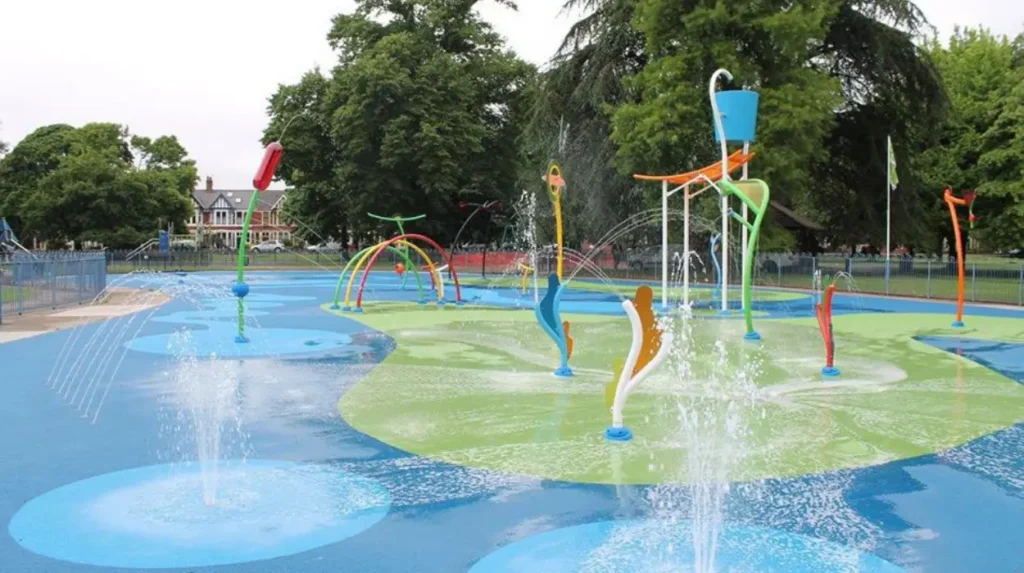
Victoria Park is a historic neighbourhood park in Canton, west Cardiff, known for its open lawns, walking paths, mature trees and children’s splash pad. Its accessible residential location makes it a practical choice for families seeking outdoor play and informal recreation.
Victoria Park was developed between 1894 and 1897 on land formerly associated with Ely Common. It covers approximately 19 acres, or 7.7 hectares, and retains much of its historic urban park layout. The park’s paths, lawns and tree planting create a structured green space within a residential neighbourhood.
One of its best-known family facilities is the splash pad, which replaced an earlier paddling pool. Water play is seasonal and subject to local operating arrangements, so families should confirm whether it is running before making a special trip.
What Facilities Are Available at Victoria Park?
Victoria Park provides space for walking, sitting outdoors and informal play. Its paths connect the different parts of the grounds, while grassy areas support casual recreation when conditions allow.
The playground and splash pad make the park particularly relevant to families with younger children. Mature trees also provide shaded areas during warmer weather, although the amount of shade changes with the time of day and season.
The park’s Canton location makes it convenient for nearby residents. Visitors travelling from elsewhere in Cardiff should check public transport options and current facility information before setting out.
Victoria Park is a strong choice for a shorter family outing rather than a day devoted to extensive woodland walking or nature trails.
What Can Visitors Expect at Sophia Gardens?
Sophia Gardens is a green space beside the River Taff, close to Bute Park and Cardiff’s city centre. Its open setting and location near sporting venues make it useful for walking, attending events and connecting central Cardiff with riverside recreational routes.
Sophia Gardens forms part of a wider central Cardiff landscape that includes Bute Park and Pontcanna Fields. Its history is connected to the development of public recreation during the nineteenth century. The Bute family opened Sophia Gardens to the public in 1857, providing access to green space after restricting access to other grounds.
The area is also associated with Sophia Gardens Cricket Ground, an international cricket venue known as the home of Glamorgan Cricket. Visitors attending matches should distinguish the sporting venue from the surrounding outdoor areas and check event arrangements before travelling.
Sophia Gardens works well as part of a longer riverside walk. Its proximity to Bute Park gives visitors access to mature trees, landscaped paths and additional open space without needing to travel between separate districts.
For visitors interested in Cardiff’s sporting and cultural identity, the area offers a combination of public green space and established sporting infrastructure.
Why Should You Visit Thompson’s Park in Cardiff?
Thompson’s Park is a traditional public park in the Canton area of Cardiff, featuring landscaped grounds, mature planting, paths and places to sit. Its neighbourhood setting suits visitors seeking a quieter alternative to the city’s larger and busier green spaces.
Thompson’s Park, also written as Thompson’s Park or locally called Thompson’s Park in Canton, is a smaller urban green space with a distinctive landscaped character. It offers a more compact visit than Bute Park or the extensive grounds surrounding Roath Park Lake.
The park is useful for residents seeking a nearby outdoor space for a short walk or a break from busy streets. Its planting and established trees contribute to the character of the surrounding residential area.
What Makes Thompson’s Park Different?
The park’s appeal lies in its scale and setting. Visitors can enjoy landscaped surroundings without needing to plan a long walking route. Its paths provide a straightforward way to explore the grounds, and its planted areas create visual interest across the seasons.
Thompson’s Park is also part of Cardiff’s historic municipal park network. Its neighbourhood role illustrates how smaller parks complement major destinations by providing convenient access to outdoor space close to home.
Visitors should check Cardiff Council’s current information for access arrangements and available facilities.
Is Heath Park Worth Visiting in North Cardiff?
Heath Park is a substantial green space in north Cardiff, with woodland, open grassland, ponds and sports facilities. It provides a useful destination for walking, outdoor exercise and informal recreation, particularly for residents of Heath and neighbouring northern districts.
Heath Park occupies approximately 37 hectares, according to information published by the Heath Residents Association. The area includes open spaces, wooded sections, ponds and facilities for recreational activities. University Hospital of Wales occupies land within the wider Heath Park area.
The site’s history includes use as a racecourse during the eighteenth and early nineteenth centuries. Cardiff Council acquired the land in 1938, and parts of it were used for military training during the Second World War. These historical changes contributed to the site’s modern character.
What Activities Can Visitors Enjoy at Heath Park?
Heath Park provides space for walking and outdoor exercise. Its combination of open grassland and wooded areas creates a different experience from the formal gardens at Roath Park.
Sports facilities make the park relevant to people looking for recreational space close to home. Visitors should confirm arrangements for organised sports, pitch use and any facilities requiring advance booking.
The park is also useful for people who prefer to explore green space in north Cardiff without travelling to the city centre. Its varied landscape supports a range of visit lengths, from a brief walk to a longer outdoor session.
Where Can You Find Woodland and Natural Landscapes in Cardiff?
Parc Cefn Onn, Forest Farm Nature Reserve and Hailey Park provide contrasting natural landscapes around Cardiff. They offer woodland walks, wildlife observation, riverside routes and open recreational space, making them useful alternatives to formal parks and ornamental gardens.
Cardiff’s green spaces extend beyond its best-known Victorian parks. Woodland areas, nature reserves and riverside corridors provide opportunities to explore habitats that differ from landscaped lawns and flower gardens.
These destinations are particularly useful for visitors interested in birds, trees, wetland environments and longer walking routes. Each has a different management purpose, so nature reserves and ordinary public parks should not be treated as interchangeable.
What Makes Parc Cefn Onn Special?
Parc Cefn Onn is a woodland park in north Cardiff, near Lisvane and the northern edge of the city. Its wooded paths and seasonal planting make it a destination for visitors seeking a more enclosed landscape than the open lawns of central Cardiff.
The park is especially suitable for woodland walks and observing changes in vegetation across the seasons. Spring visits bring attention to flowering plants, while autumn highlights changing leaf colours.
Visitors should wear suitable footwear after rain because woodland paths become muddy. Keeping to established paths also helps protect planted areas and sensitive habitats.
Why Visit Forest Farm Nature Reserve?
Forest Farm Nature Reserve is an important destination for wildlife observation in north-west Cardiff. Its natural habitats include wetland and riverside environments, which support birds and other wildlife.
The reserve differs from a conventional recreation park because habitat conservation and wildlife observation are central to the experience. Visitors benefit from moving quietly, avoiding disturbance and following local access guidance.
Birdwatchers should bring binoculars if they want to observe wildlife at a distance. Sightings change according to season, weather and habitat conditions, so no particular species is guaranteed on every visit.
Forest Farm also demonstrates the value of connected natural areas within an urban environment. Wetlands and river corridors provide feeding, shelter and movement opportunities for wildlife, while visitors gain access to nature close to residential neighbourhoods.
What Can You Do at Hailey Park?
Hailey Park is a green space in north-west Cardiff, near Llandaff North and the River Taff. Its open grounds and connections to local walking routes make it useful for outdoor recreation.
The park’s position near the Taff corridor also makes it relevant to people exploring Cardiff on foot or by bicycle. Visitors should follow route signs and observe restrictions where paths are shared with other users.
Hailey Park suits informal exercise and short outdoor visits. People seeking a formal garden, a major ornamental lake or extensive visitor facilities should consider Bute Park or Roath Park instead.
Which Cardiff Parks Are Best for Walking and Running?
Bute Park, Roath Park, Sophia Gardens and Hailey Park are strong choices for walking and running in Cardiff. Their established paths, green surroundings and connections to wider routes accommodate short exercise sessions, relaxed strolls and longer outdoor journeys.
The best park for walking depends on the route length, terrain and surroundings preferred. Bute Park offers riverside paths and mature woodland planting. Roath Park provides a defined circuit around its lake, while Sophia Gardens connects with the wider central green-space network.
Hailey Park offers access to the River Taff corridor, which is useful for visitors planning a longer route through north-west Cardiff.
How Can You Plan a Park Walk in Cardiff?
Choose a starting point close to the intended route and check a current map before setting out. Park entrances, path surfaces and the distance between facilities vary, so route planning helps visitors avoid unnecessary detours.
Wear comfortable footwear and carry water for longer walks. After heavy rain, expect muddy sections on woodland and less formal paths. Cyclists should use designated or permitted routes and give pedestrians adequate space.
Visitors seeking a shorter walk can explore a section of Bute Park or the gardens at Roath Park. People planning a longer outing can link adjoining green spaces where signed public paths allow it.
Which Parks in Cardiff Are Best for Children and Family Activities?
Victoria Park is particularly useful for playground visits and seasonal splash-pad activities, while Bute Park and Roath Park provide space for family walks and nature discovery. Heath Park offers additional open space for outdoor recreation across north Cardiff.
Family visits are easier to plan when facilities match children’s ages and interests. Younger children often benefit from playgrounds and short walking routes. Older children can engage with wildlife observation, historic landmarks and longer walks.
Victoria Park is a practical option for families prioritising play facilities. Roath Park combines open space with an ornamental lake and gardens, while Bute Park provides opportunities to learn about trees, rivers and Cardiff’s history.
What Should Families Check Before Visiting?
Confirm the current status of playgrounds, toilets, cafés and seasonal facilities before travelling. Splash pads operate according to local arrangements and weather conditions. Not every park provides the same services, and some amenities have separate opening hours.
Adults should supervise children around lakes, ponds, rivers and road crossings. Feeding wildlife and leaving litter can harm habitats, so visitors should follow signs and use available waste bins.
Families with pushchairs or mobility requirements should review the intended route and surface conditions. Established paths are generally easier to navigate than muddy woodland trails, but access varies between park sections.
When Is the Best Time to Visit Cardiff’s Parks?
Spring and summer are suitable for flower displays, longer walks and outdoor family activities, while autumn offers changing foliage and winter provides quieter walking opportunities. The best time depends on weather, daylight, seasonal facilities and the type of landscape visitors want to explore.
Cardiff’s parks change throughout the year. Spring brings fresh growth and flowering plants to landscaped gardens and woodland areas. Summer provides longer daylight hours for walking, picnics and outdoor recreation, although popular locations attract more visitors.
Autumn brings changing colours to mature trees, particularly in Bute Park and Parc Cefn Onn. Winter provides opportunities for quieter walks, but wet weather makes some paths slippery or muddy.
What Should Visitors Know About Seasonal Facilities?
Seasonal attractions, including Victoria Park’s splash pad, depend on operating arrangements. Refreshment outlets, visitor centres and organised activities also have their own schedules.
Check current information from Cardiff Council or the relevant park’s official website before visiting for a specific facility. Weather forecasts are also useful when planning longer walks or visits to woodland and riverside areas.
How Do Cardiff’s Parks Support Wildlife and the Environment?
Cardiff’s parks support urban biodiversity through mature trees, grassland, ponds, wetlands and riverside habitats. These environments provide food, shelter and breeding areas for wildlife while helping manage rainfall, provide shade and connect natural areas across the city’s built environment.
Urban parks play an important environmental role because they preserve vegetation within developed areas. Trees provide shade and contribute to local cooling, while plants absorb carbon dioxide as they grow. Vegetated ground also allows rainfall to infiltrate the soil, depending on soil conditions and drainage.
Different habitats support different wildlife. Roath Park’s lake provides an environment for waterbirds, while Bute Park’s mature trees support woodland-associated species. Forest Farm’s wetland and riverside habitats provide additional opportunities for wildlife observation.
How Can Visitors Protect Cardiff’s Green Spaces?
Responsible park use helps protect habitats and maintain access for other visitors. Practical measures include staying on established paths in sensitive areas, removing litter, keeping dogs under control where required and avoiding disturbance to wildlife.
Visitors should follow signs around ponds, lakes and nature reserves. Picking plants, damaging trees or disturbing nesting birds can affect habitats. Dogs should be kept away from wildlife and livestock where relevant, and local rules should be followed.
Parks also depend on ongoing maintenance, habitat management and public investment. Respectful use helps preserve their recreational and environmental value for future generations.
How Can You Travel to Cardiff’s Parks?
Cardiff’s major parks are accessible through a combination of walking, public transport, cycling and driving. Bute Park and Sophia Gardens are convenient for central visitors, while Roath Park, Victoria Park, Heath Park and Parc Cefn Onn serve different residential districts.
Visitors staying in central Cardiff can reach Bute Park and Sophia Gardens on foot from major city-centre destinations. Roath Park is farther east, while Victoria Park lies in Canton. Heath Park and Parc Cefn Onn are located in northern parts of the city.
Public transport options depend on the starting point and destination. Check current bus and rail information before travelling, particularly if the visit requires a connection or a walk from the nearest stop.
Cycling is another option for visitors using designated routes and shared paths responsibly. Drivers should check parking arrangements, restrictions and any event-related changes before setting out.
How Should Visitors Choose the Right Park?
Consider the main purpose of the visit before selecting a destination. Bute Park suits people combining a walk with central Cardiff sightseeing. Roath Park suits visitors interested in lakeside scenery and historic gardens. Victoria Park is useful for families seeking play facilities, while Forest Farm suits people prioritising wildlife observation.
For longer outdoor outings, consider whether adjoining paths connect the chosen parks. A route through Bute Park, Sophia Gardens and nearby riverside areas creates a broader exploration of central Cardiff’s green spaces.
Visitors with accessibility requirements should check the relevant route, entrance and facility information in advance. Path surfaces, gradients and available amenities differ between destinations.
Explore More Area Guide
Cardiff Advice Hubs: Services, Housing and Benefits Support
Cardiff Community Centres: Activities, Services and Local Guide
What Should Visitors Know Before Exploring Cardiff’s Parks?
Visitors should check park access, facility opening arrangements, weather conditions and transport options before travelling. Cardiff’s parks serve different purposes, from formal gardens and playgrounds to woodland and nature conservation, so choosing a destination around planned activities improves the visit.
Most park visits require little preparation, but checking practical details prevents avoidable problems. Public access does not mean every building, café, sports facility or seasonal attraction remains open throughout the day.
Visitors planning photography should consider daylight and weather conditions. People planning longer walks should check route length and surfaces, while families should confirm the availability of toilets and play facilities.
Cardiff’s parks also host organised activities and events at selected times. Event days can affect parking, access or crowd levels around particular locations. Checking official updates is useful when travelling to a park for a specific reason.
Why Do Cardiff’s Parks Remain Important for Residents and Visitors?
Cardiff’s parks preserve historic landscapes, provide outdoor recreation and support wildlife across the Welsh capital. From Bute Park’s riverside setting to Roath Park’s Victorian lake and Forest Farm’s natural habitats, these spaces contribute to the city’s environment and everyday quality of life.
The best parks in Cardiff offer different experiences rather than a single standard of outdoor recreation. Bute Park provides central access, heritage features and extensive tree planting. Roath Park combines a historic lake with gardens and promenades. Victoria Park supports neighbourhood recreation, while Heath Park and Parc Cefn Onn provide options in the north.
Sophia Gardens and Hailey Park connect visitors with wider riverside landscapes, while Forest Farm Nature Reserve offers a stronger focus on wildlife and natural habitats. Thompson’s Park provides a smaller neighbourhood green space.
Together, these destinations demonstrate the importance of public parks in a growing city. They preserve historic features, support biodiversity and provide places for residents and visitors to walk, exercise and spend time outdoors. Choosing the right park depends on location, interests, facilities and the season.
What are the best parks in Cardiff?
The best parks in Cardiff include Bute Park, Roath Park, Victoria Park, Heath Park, Sophia Gardens and Parc Cefn Onn. Each offers different features, including riverside walks, ornamental gardens, playgrounds, woodland and open recreational areas.