Key Points
- Jamey Heath, chief executive of Wayfarer Studios and a producer of It Ends with Us, addressed the Blake Lively lawsuit publicly at a 12 November 2026 Los Angeles premiere.
- Heath denied the allegations made by Lively against him and Justin Baldoni.
- He urged supporters not to ridicule or demonise Lively, even while disputing her account.
- The legal dispute was settled on 4 May 2026 after a judge dismissed most of Lively’s claims, according to reported coverage.
- The remarks may influence audiences who remain divided over the film, the lawsuit and public discussions about alleged workplace misconduct.
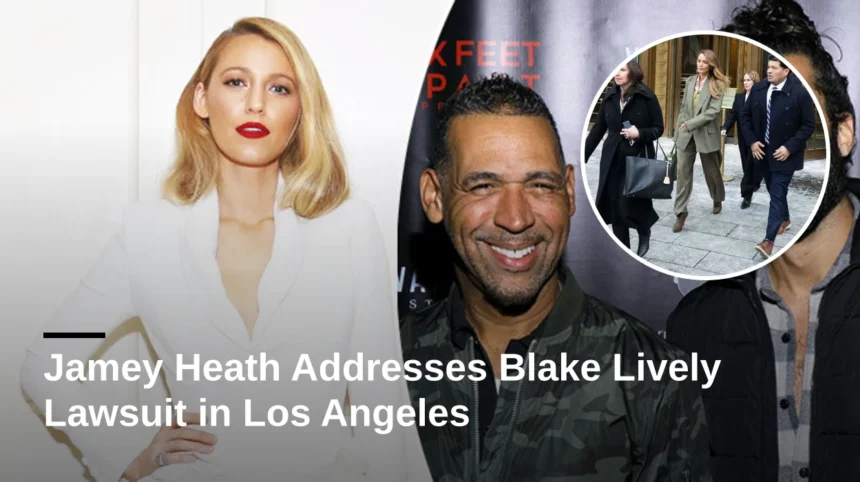
Los Angeles (Cardiff Daily) November 17, 2026 – Jamey Heath, chief executive of Wayfarer Studios and producer of It Ends with Us, has spoken publicly about the legal dispute involving Blake Lively, Justin Baldoni and the film’s production. Heath addressed the audience at the 12 November premiere of It Ends with Justice, a documentary examining the controversy. He said he believed the allegations against him and Baldoni were untrue, while urging the public not to ridicule or demonise Lively. The remarks came months after the parties settled the case.
What did Jamey Heath say about Blake Lively?
According to USA Today, Heath told the Los Angeles audience that people who supported Lively should not be ridiculed. He also said that the dispute should not be handled by demonising her, arguing that public opposition to perceived injustice could coexist with compassion.
TMZ reported that Heath said he believed Lively was not telling the truth during the legal dispute, but nevertheless cautioned against turning her into a target. He said he hoped she would heal and that her children would continue to see her as a good mother.
Heath maintained that neither he nor Baldoni had committed the conduct alleged by Lively. His comments therefore combined a denial of the allegations with a call for restraint in public discussion.
What happened in the Blake Lively lawsuit?
Lively filed a lawsuit in December 2024 alleging sexual harassment during filming and retaliation through public-relations tactics. The claims also involved Heath and Wayfarer Studios.
Reported coverage stated that the parties reached a settlement on 4 May 2026, shortly before the case was scheduled to go to trial. A judge had dismissed most of Lively’s claims, including claims involving defamation and sexual harassment, although the reported dismissal of the sexual-harassment claims was described as procedural.
Lively’s lawyers, Esra Hudson and Michael Gottlieb, said the decision showed that she had brought her claims in good faith and had not acted with malice. The settlement did not produce a public trial verdict establishing either side’s full account.
How did other people respond to Heath’s remarks?
TMZ quoted It Ends with Justice producer Andy Signore as saying that people who believe they were harmed are entitled to seek accountability before being asked to forgive. The response highlighted the continuing divide between Heath’s defence of himself and Baldoni and concerns about how allegations should be treated publicly.
Other reports said Heath described himself as relieved that he and Baldoni had survived the legal and public fallout. He also said that condemning women who speak up could discourage others from reporting their experiences.
What is the background to the development?
It Ends with Us, based on Colleen Hoover’s novel, starred Lively and Baldoni, who also directed the film. The working relationship between the principal figures deteriorated during and after production. Lively’s December 2024 lawsuit alleged sexual harassment, boundary violations and retaliation, while Baldoni and his representatives denied wrongdoing. The dispute ended in a settlement in May 2026, leaving Heath’s premiere remarks as one of the first public comments from a senior producer directly involved in the controversy.
How could the remarks affect audiences of It Ends with Us?
Heath’s comments may appeal to viewers who support Baldoni or want the public debate to continue without harassment of Lively. At the same time, his denial of the allegations may disappoint audiences who regard Lively’s account as credible or who expect stronger accountability from the film’s producers. The remarks are unlikely to resolve the competing narratives because the case ended in settlement rather than a public trial verdict. They could, however, encourage audiences to separate support for the film from judgments about the disputed allegations and to avoid personal abuse while discussing the case.