Cardiff, the vibrant capital of Wales, boasts an impressive array of parks that blend natural beauty, historical significance, and recreational opportunities, making it one of the greenest cities in the UK. These green spaces offer timeless escapes for locals and visitors alike, perfect for leisurely strolls, family outings, or quiet reflection amid urban life.
- Why Cardiff’s Parks Stand Out
- Bute Park: The Heart of Historic Cardiff
- Roath Park: Victorian Splendor by the Lake
- Heath Park: Sports and Serenity Combined
- Victoria Park: Family-Friendly Classic
- Pontcanna Fields: Riverside Retreat
- Hailey Park: Urban Adventure in Llandaff
- Thompson’s Park: Timeless Tranquility
- Cathays Park: Civic Green Elegance
- Forest Farm Nature Reserve: Wild Heritage Haven
- Tips for Enjoying Cardiff’s Parks Year-Round
Why Cardiff’s Parks Stand Out
Cardiff’s parks are more than just patches of greenery; they represent a deliberate commitment to preserving nature within a bustling cityscape. From Victorian-era designs to modern conservation areas, these spaces have evolved over centuries while retaining their evergreen appeal. Many hold prestigious Green Flag awards, recognizing their high standards in maintenance, biodiversity, and accessibility, ensuring they remain relevant for generations.
The city’s parks cater to diverse interests, whether you’re seeking historic landmarks, wildlife spotting, or active pursuits like cycling along trails. Their central locations near landmarks such as Cardiff Castle enhance their allure, providing seamless integration with cultural exploration. This blend of history, ecology, and convenience positions Cardiff’s parks as perennial favorites in searches for urban oases.
Bute Park: The Heart of Historic Cardiff
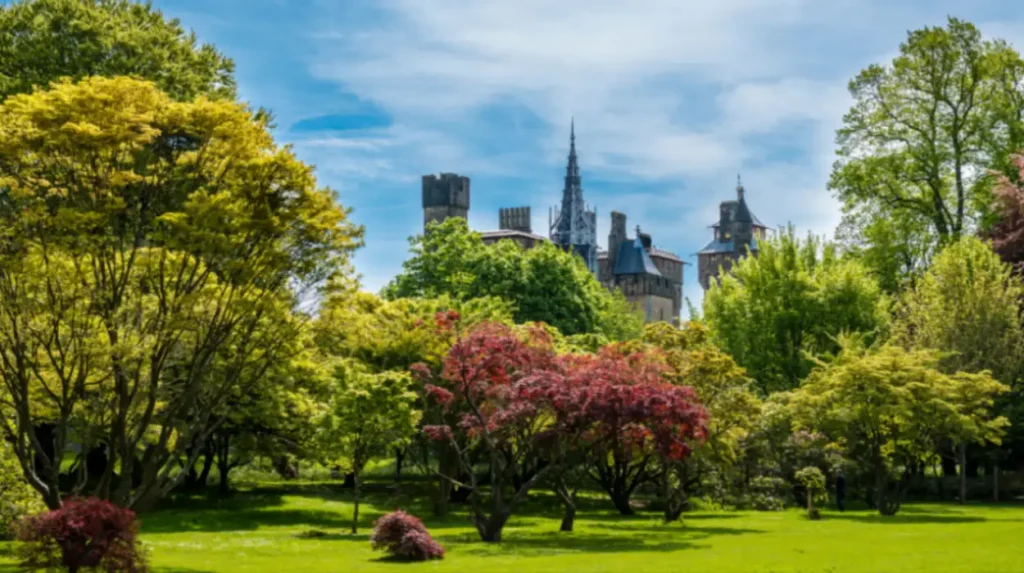
Nestled along the River Taff and overshadowed by the majestic Cardiff Castle, Bute Park spans over 130 acres and serves as one of the city’s crown jewels. Established in the 19th century as part of the castle grounds gifted by the Bute family, it was opened to the public in 1873, transforming private estate land into a communal haven. Today, it holds Grade I listed status for its historic landscape value, drawing crowds year-round.
Wander its winding paths to discover the Arboretum, home to a stunning collection of over 2,000 trees, including rare species like the Champion London Plane. The park’s Sculpture Trail features contemporary works alongside ancient remnants such as the Gorsedd Stones, erected for the 1899 National Eisteddfod, evoking Wales’ cultural heritage. Families appreciate the Animal Wall with its whimsical stone carvings of lions, monkeys, and seals, while fitness enthusiasts follow the dedicated trails for jogging or cycling.
Seasonal highlights keep Bute Park eternally vibrant: spring cherry blossoms create a pink canopy, summer hosts flower displays and picnics, autumn leaves paint fiery hues, and winter offers stark beauty against frost. Accessibility features like wide paths and nearby parking make it ideal for all ages, solidifying its status as Cardiff’s premier green lung.
Roath Park: Victorian Splendor by the Lake
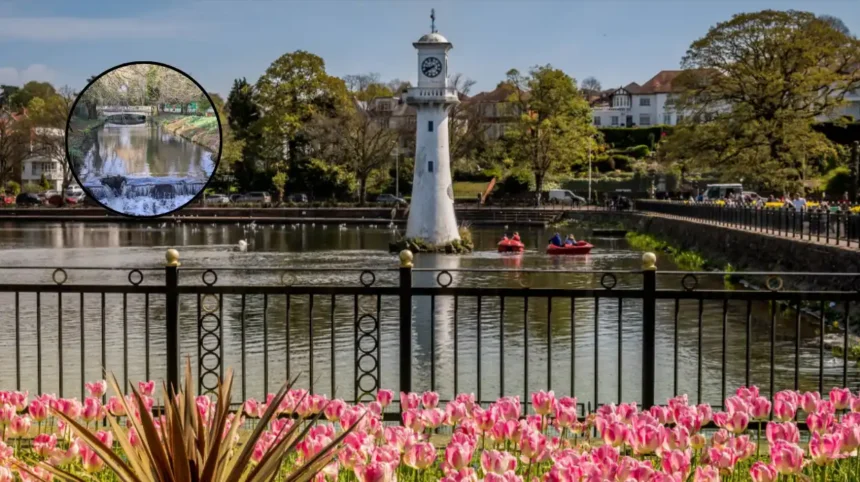
Roath Park, often hailed as one of Britain’s finest late Victorian parks, covers 100 acres in the northeast of Cardiff and centers around a striking 30-acre lake formed from the Nant Fawr stream. Opened in 1894, it was designed by William Sutherland Harbutt and quickly became a symbol of civic pride, earning Grade I listing and Green Flag status for its preserved layout and biodiversity.
The lake dominates the scene, where visitors can rent rowboats or pedalos to glide past the iconic Scott Memorial Lighthouse, a granite tribute to Captain Robert Falcon Scott erected in 1916 using stones from his Antarctic ship, Terra Nova. Surrounding themed gardens—the Botanic Garden with exotic plants, the Pleasure Garden for formal bedding, and the Wild Garden for untamed meadows—offer distinct experiences in one visit. Birdwatchers delight in spotting herons, kingfishers, and swans, supported by the park’s rich wetlands.
Recreational facilities abound, from tennis courts and a bowling green to the Scott Memorial Hub for community events. Its evergreen charm lies in year-round appeal: ice skating on the frozen lake in winter (when safe), boating in summer, and foliage displays in fall. Proximity to public transport ensures easy access, making Roath Park a staple for both relaxed afternoons and active days out.
Heath Park: Sports and Serenity Combined
Spanning 91 acres near Cardiff University and the Heath Hospital, Heath Park balances athletic facilities with natural tranquility, holding Green Flag accreditation for its well-managed ecosystems. Developed in the early 20th century on former common land, it now features woodlands, ponds, and wetlands teeming with wildlife like otters and bat species, providing a vital urban habitat.
Sports enthusiasts flock to its floodlit 3G pitches, rugby fields, and pay-and-play golf course offering pitch-and-putt, footgolf, and footrugby. The Sensory Garden, linked to the hospital, stands out with tactile plants, scented herbs, and braille signage, designed for therapeutic visits. Walking trails meander through ancient trees and wildflower meadows, ideal for those seeking peaceful hikes.
What elevates Heath Park’s timeless quality is its adaptability: students use it for casual games, families picnic by the ponds, and nature lovers explore at dusk for nocturnal sightings. Events like summer fairs add community vibrancy without overwhelming its serene core, ensuring it remains a multifaceted gem.
Victoria Park: Family-Friendly Classic
In Canton, Victoria Park has charmed visitors since 1894, when it opened as Cardiff’s first public playground-equipped park, spanning 20 acres of rolling lawns and mature trees. Its Grade II listing celebrates the historic layout by C.F. Voysey, with features like the ornate bandstand hosting summer concerts.
Central to its appeal is the expansive playground, boasting climbing frames, zip wires, spinning bowls, and a rotating rope structure for various ages. From May to September, the refurbished splash pad activates with water jets, tipping buckets, and zones for toddlers and older kids, drawing families on sunny days. Tennis and volleyball courts cater to adults, while a kiosk provides refreshments.
The park’s evergreen status stems from its consistent role as a social hub: picnics under shady oaks, sunbathing on manicured lawns, and winter walks along perimeter paths. Its location near Cowbridge Road East enhances convenience, blending nostalgia with modern amenities for enduring popularity.
Pontcanna Fields: Riverside Retreat
Adjacent to Bute Park, Pontcanna Fields offers 110 acres of meadows and woods along the River Taff, forming part of the Taff Trail for cyclists and walkers. This open space, enhanced in recent years with native plantings, provides a raw, expansive contrast to more manicured parks, ideal for dog walkers and kite flyers.
Forested sections hide bare rock outcrops and wild riverside paths, fostering biodiversity with butterflies and foraging birds. Sports pitches host local matches, while the flat terrain suits pram pushes or gentle runs. Its position near Pontcanna village adds cafes for post-stroll treats.
Evergreen in its simplicity, Pontcanna Fields shines across seasons—wildflowers in spring, golden grasses in autumn—offering uncrowded nature just minutes from the city center.
Hailey Park: Urban Adventure in Llandaff
Tucked in Llandaff North, Hailey Park’s 40 acres mix sports with street art, featuring rugby pitches, tennis courts, and a play area alongside the Taff Trail. Its claim to fame is Wales’ longest legal graffiti wall, where artists create vibrant murals under supervision, adding cultural edge.
Wooded edges and meadows support wildlife, while the trail links to broader networks for longer outings. Families enjoy the playground swings and slides, and events like fun days amplify community ties. Its evergreen draw lies in this fusion of activity and expression, remaining fresh through evolving art.
Thompson’s Park: Timeless Tranquility
One of Cardiff’s oldest parks, dating to 1891, Thompson’s Park in Canton spans 15 acres around a historic fountain sculpted by Sir William Goscombe John, depicting the “Joyance” figure in joyful repose. Donated by industrialist Charles Thompson, it retains Edwardian charm with rose gardens and serene lawns.
Quiet paths invite contemplation, perfect for reading or yoga, while a small playground engages younger visitors. Birdsong fills the air from resident robins and finches, enhanced by mature chestnuts. Its compact size suits short escapes, with evergreen allure in the fountain’s constant sparkle and floral cycles.
Cathays Park: Civic Green Elegance
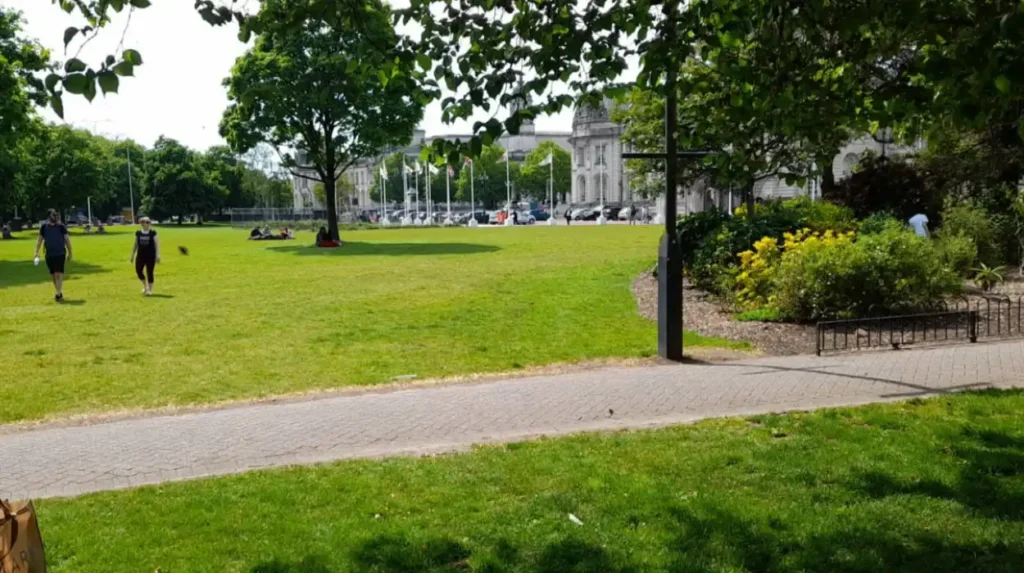
Though more formal, Cathays Park’s gardens—Alexander, Gorsedd, and Friary—offer refined beauty amid civic buildings. Centered on the Welsh National War Memorial unveiled in 1928, it commemorates sacrifices with poignant sculptures. Blackweir friary ruins add historical depth.
Ideal for cultured strolls, it hosts festivals like the Welsh Eisteddfod, blending nature with nationalism. Lawns provide picnic spots, and proximity to museums extends visits. Its evergreen prestige as a ceremonial space ensures lasting relevance.
Forest Farm Nature Reserve: Wild Heritage Haven
In the north, Forest Farm’s 60 acres preserve industrial relics like the Glamorganshire Canal and Melingriffith Waterpump, the world’s oldest working steam pump. Taff Trail access and meadows bursting with orchids make it a biodiversity hotspot.
Exploration reveals heronries and bat roosts, with boardwalks over wetlands. Volunteer-led tours highlight ecology, appealing to conservationists. This reserve’s timeless wildness contrasts city parks, offering profound nature immersion.
Tips for Enjoying Cardiff’s Parks Year-Round
To maximize these spaces, visit early for solitude or evenings for golden light. Pack picnics with local Welsh cheeses, follow trails via apps like ‘Love Exploring’ in Bute Park, and check Green Flag sites for events. Dogs thrive on leads in most areas, and bikes suit trail parks. Weatherproof layers ensure all-season enjoyment, from blossom hunts to leaf-peeping.