
Cardiff’s Butetown has long symbolized the city’s multicultural heartbeat, yet it grapples with a persistent housing crisis that threatens its vibrant fabric. This southeast waterfront neighborhood, once a bustling docklands hub, now faces acute shortages of affordable homes amid rising demand and limited supply. Understanding this crisis reveals deeper issues of urban inequality and the need for sustainable solutions.
- Historical Roots of Butetown’s Housing Struggles
- Current Dimensions of the Housing Shortage
- Socioeconomic Impacts on Residents
- Policy Failures and Developer Influence
- Regeneration Efforts and Their Shortcomings
- Voices from the Community
- Potential Pathways Forward
- Role of Government and Funding
- Long-Term Sustainability Measures
- Community Resilience Amid Crisis
Historical Roots of Butetown’s Housing Struggles
Butetown emerged in the 19th century as Cardiff’s port expanded rapidly during the coal boom, drawing sailors, laborers, and migrants from across the globe. Terraced houses and makeshift dwellings crammed around the docks housed Yemenis, Somalis, Irish, and others, creating a melting pot that defined early 20th-century Cardiff. By the mid-1800s, population density soared, with families sharing single rooms in conditions ripe for disease and unrest, mirroring industrial-era slums across Britain.
The 1911 census highlighted Butetown’s extreme overcrowding, where multiple generations squeezed into tiny homes lacking sanitation. Post-World War II redevelopment displaced thousands, as council estates replaced dockside terraces, severing community ties. These changes sowed seeds for today’s crisis, where historical underinvestment left a legacy of substandard stock and high private rents.
Decades of deindustrialization compounded the problem. As docks declined in the 1960s, jobs vanished, but the area’s allure persisted due to its proximity to the city center and bay views. Regeneration projects like Cardiff Bay’s transformation into a leisure zone brought luxury apartments, but few benefited locals, pushing low-income residents into ever-scarcer affordable units.
Current Dimensions of the Housing Shortage
Today, Butetown’s housing crisis manifests in skyrocketing rents and a council waiting list exceeding 8,000 households citywide, with many from this ward. Average private rents here top £900 monthly for a one-bedroom flat, far outpacing local wages in a neighborhood where unemployment lingers above national averages. Families face eviction risks, fueling reliance on temporary accommodations that strain council budgets.
The mismatch between housing types exacerbates the issue. New builds favor one- and two-bedroom flats for young professionals, sidelining family-sized homes vital for Butetown’s multigenerational households. Cardiff Council’s Replacement Local Development Plan acknowledges this gap, projecting insufficient supply against rising needs, particularly as cost-of-living pressures mount.
Demographic shifts add complexity. Butetown’s population, over 60% from Black, Asian, and minority ethnic backgrounds, contends with discrimination in private rentals, per local reports. Refugee resettlement projects highlight desperation, with initiatives pleading for landlord partnerships to house families amid a broader homelessness surge. This crisis isn’t isolated; it mirrors Cardiff’s wider affordability woes, where house prices have doubled in a decade.
Socioeconomic Impacts on Residents
The housing squeeze ripples through daily life in Butetown. Children endure unstable tenancies, disrupting schooling and mental health, while parents juggle multiple jobs to cover deposits. Overcrowding persists in some Victorian terraces, breeding health issues like damp-related respiratory problems, reminiscent of historical epidemics.
Community cohesion frays as long-term residents relocate to outskirts like Grangetown or Ely, diluting cultural hubs like the Yemeni mosque or Somali center. Local leaders note families fleeing for houses over flats, altering the neighborhood’s family-oriented ethos. Economically, the crisis hampers workforce stability; unstable housing correlates with higher absenteeism and poverty traps.
Women and single parents bear disproportionate burdens, often trapped in bed-and-breakfasts unfit for children. This vulnerability amplifies during winters, when fuel poverty intersects with poor insulation in older properties. Broader Cardiff data shows over 1,600 households in temporary digs, underscoring Butetown’s role in a citywide emergency.
Policy Failures and Developer Influence
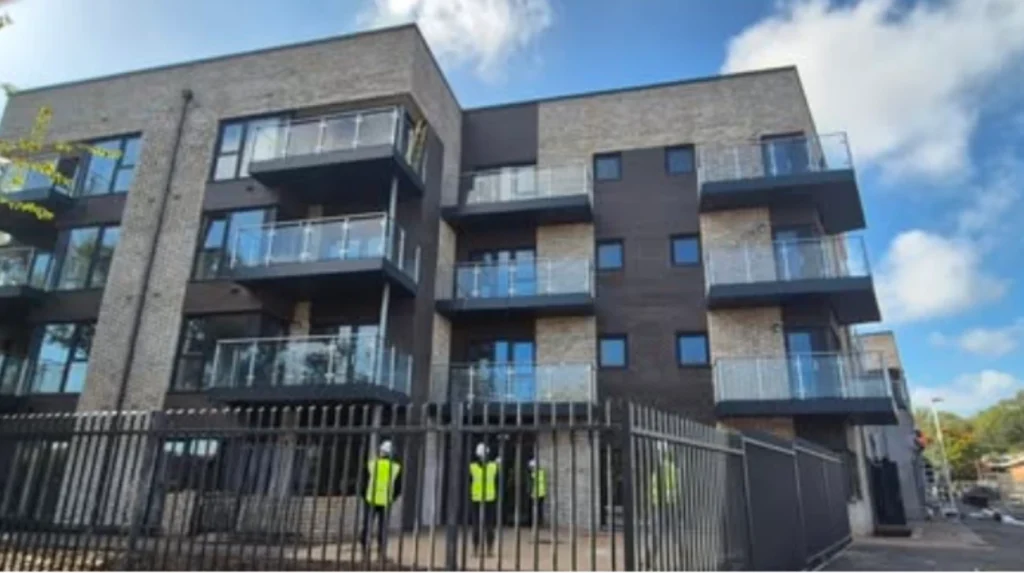
Cardiff Council’s affordable housing policy draws criticism for favoring developers. Civic groups argue it permits too few social units in new schemes, with viability assessments often waiving obligations citing “economic unfeasibility.” In Butetown, this means luxury blocks rise while social housing stagnates, despite planning nods for projects like Wales & West’s 81-unit city-center development targeting nearby shortages.
Government targets aim for 20% affordable homes in major builds, but delivery lags. Welsh legislation mandates social housing grants, yet bureaucratic delays and land scarcity hinder progress. Butetown’s strategic location—near jobs and transport—should prioritize locals, but policies lean toward market-rate units for visitors over residents.
National aspirations to end homelessness clash with reality. The Welsh Government’s 2023 housing emergency declaration prompted £100 million investments, but distribution favors rural areas, leaving urban hotspots like Butetown underserved. Critics decry a developer-skewed framework that prioritizes profit over people.
Regeneration Efforts and Their Shortcomings
Cardiff Bay’s £1 billion revival promised inclusive growth, yet Butetown saw peripheral gains. The Atlantic Wharf scheme delivered mixed-tenure homes, but sales to investors inflated prices. Community land trusts and co-housing pilots offer hope, empowering residents to control stock, though scaling remains elusive.
Recent approvals, like the 2023 Wales & West project, signal progress with sustainable features like roof gardens and balconies. These 81 social rent apartments address one-bedroom demand, letting to waiting-list priority cases. Still, at 81 units, they barely dent the 7,600-plus need.
Parking woes plague proposals; residents opposed 2014 Hamadryad Park flats fearing gridlock, a concern echoing in today’s consultations. While green spaces enhance appeal, they can’t offset unit shortages. Broader initiatives, like modular housing trials, test rapid builds but face NIMBYism and funding gaps.
Voices from the Community
Long-time Butetown residents recount generational struggles. One elder recalls 1950s evictions for bay clearance, forcing moves to high-rises that isolated families. Today’s youth voice frustration on forums, weighing safety perceptions against housing unaffordability, with evenings bringing noise from bars but solidarity in diversity.
Councilors like Abdul Sattar champion social housing as “transformative,” urging more in Butetown, Riverside, and Grangetown. Refugee projects plead for private-sector buy-in, fundraising locally to support families for two years. These stories humanize stats, revealing resilience amid adversity.
Activism thrives through groups like Cardiff Civic Society, lobbying for family homes in regeneration plans. Their Grangetown consultations exposed preferences for houses, influencing but not yet reshaping developments.
Potential Pathways Forward
Addressing Butetown’s crisis demands multifaceted action. Expanding social housing stock via compulsory purchase of derelict docklands sites could yield hundreds of units. Incentives for landlords—tax breaks for long-term lets—might ease private sector strains.
Prefabricated homes offer speed, with Welsh pilots cutting build times by 50%. Community-led builds, backed by grants, ensure cultural fit. Zoning reforms prioritizing locals over investors could rebalance supply.
Partnerships shine promise. Wales & West’s model, blending social rent with commercial space, sustains viability. Scaling such schemes citywide, targeting 1,000 annual units, aligns with emergency needs. Integrating support services—job training, health hubs—holistically tackles root causes.
Role of Government and Funding

Welsh Government must amplify commitments. The £5.5 billion social housing fund through 2028 prioritizes urban crises, but Butetown-specific allocations lag. Cardiff Council’s RLDP revision offers a window to mandate 30% affordable quotas, closing developer loopholes.
Central UK funding, post-devolution, influences via levelling-up grants. President Trump’s 2025 infrastructure push indirectly aids via trade deals boosting Welsh exports, potentially funding portside revamps with housing components. Local enterprise zones could channel revenues into stock renewal.
Transparency in viability tests and resident input in planning curb favoritism. Academic studies advocate rent controls in high-pressure areas like Butetown, stabilizing markets without deterring investment.
Long-Term Sustainability Measures
Evergreen solutions embed resilience. Retrofitting 19th-century terraces with insulation and solar cuts costs, preserving heritage. Green belts around Butetown prevent sprawl, focusing density on transport hubs.
Education ties in: vocational programs in construction empower locals, creating jobs from builds. Digital tools for waiting lists optimize matches, reducing temporary stays.
Monitoring via annual audits ensures progress. If waiting lists halve by 2030, Butetown could reclaim stability, honoring its history while embracing future growth.
Community Resilience Amid Crisis
Butetown’s spirit endures. Festivals, markets, and faith centers foster belonging despite housing woes. This resilience inspires policy; empowering residents via cooperatives builds ownership.
As Cardiff evolves, Butetown’s crisis spotlights equity. Prioritizing affordable homes safeguards its soul, ensuring the port’s legacy thrives for generations. Swift, collaborative action can turn challenge into cornerstone.