In the heart of Cardiff’s vibrant Butetown, a proposed tunnel project stirs deep emotions among locals. Once a bustling multicultural hub known as Tiger Bay, this area has long battled the impacts of urban redevelopment. The Butetown tunnel plans aim to link the district more seamlessly to the city centre, promising better traffic flow and economic boosts. Yet, residents remain sharply divided some see it as vital progress, others as another threat to their community’s fabric. This article unpacks the history, the proposals, the arguments on both sides, and what it means for Cardiff’s future.
Historical Context of Butetown
Butetown, Cardiff, sits on the city’s southern waterfront, a district shaped by centuries of migration, maritime trade, and industrial muscle. Known in Welsh as Tre-biwt, the area was originally developed in the early 19th century by the 2nd Marquess of Bute, giving both the docks and the neighbourhood their name. Sailors from Yemen, Somalia, Greece, and across the globe settled along Bute Street, Cardiff through the 1800s, making Butetown one of the UK’s first truly multicultural communities long before that term existed.
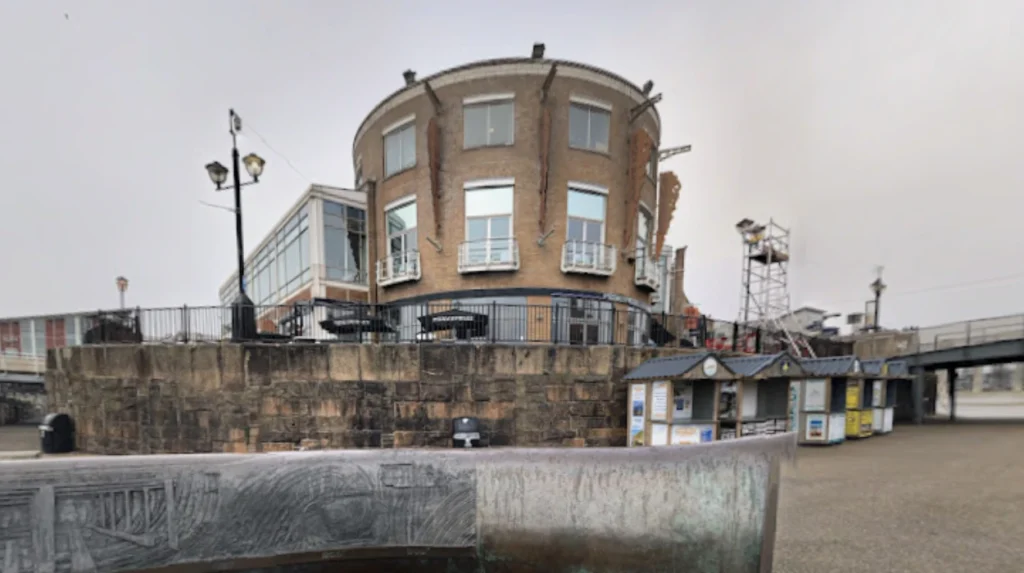
By the early 20th century, over 50 nationalities had settled in the area around Cardiff’s docks. The district became known as Tiger Bay Cardiff, a nickname that stuck for its lively, diverse, and fiercely independent spirit. By 1911, Cardiff’s proportion of Black and Asian residents was second only to London, concentrated almost entirely in the Butetown docks area. The district was also one of the flashpoints of the 1919 South Wales race riots, a largely forgotten chapter of British history that exposed deep racial tensions of the era.
The Welsh-speaking community had deep roots here too. By the 1891 census, 15% of Butetown residents spoke Welsh, well above the Cardiff average. Three Welsh-language chapels served the area through the 19th century, and community identity remained layered and complex across every generation.
In the 1960s, the original heart of Butetown, including the historic Loudoun Square, was demolished and replaced with low-rise housing courts. Then came the major blow: the Cardiff Bay Development Corporation, established in 1987, poured billions into transforming decaying docklands into a tourist and business waterfront. The regeneration created Cardiff Bay as the world now knows it, but it compressed Butetown into a tighter boundary, erected psychological and physical barriers, and shifted economic activity away from long-standing minority-run businesses. By 2019, child poverty in Butetown had reached 46%, the highest rate in all of Cardiff, a figure that haunts every new infrastructure conversation to this day.
What Are the Tunnel Plans?
The Butetown tunnel Cardiff project is not a new idea. Its roots lie in early 1970s planning by South Glamorgan County Council, which envisioned a road network that would relieve Butetown, Grangetown, and East Moors of heavy through-traffic while connecting Cardiff to the M4 motorway network. The result was the A4232, also called the Peripheral Distributor Road (PDR) or Cardiff Link Road, a dual carriageway ring road built in stages between 1978 and 2017.
The most significant infrastructure element of this network is the Queen’s Gate Tunnel, officially known in Welsh as Twnnel Porth y Frenhines, and more commonly referred to as the Bute tunnel Cardiff or Butetown tunnel. It runs for 715 metres beneath southern Butetown, following a line directly underneath the Wales Millennium Centre. Built using the cut-and-cover method, where a trench is excavated and then roofed over with reinforced concrete, the twin tunnel is separated by a central wall, carrying eastbound and westbound traffic independently. Piles supporting the structure extend up to 20 metres deep, built to handle the constraints of dense urban ground.
A 600-metre viaduct over the River Taff estuary, known as the Taff Viaduct or Butetown Link Road Bridge, connects to the tunnel as part of the same corridor. Bridges over Ferry Road complete the multi-level crossing network in this section of the A4232. The tunnel was opened on 27 March 1995 by Neil Kinnock, then serving as European Commissioner for Transport. The Butetown Link Road section, of which the tunnel forms the core, was the last major link road built before the Eastern Bay Link Road phase opened in 2017.
The 1990s design was forced underground only after sustained community protests. Cardiff Bay Development Corporation and local Butetown residents objected strongly to an earlier plan to carry the road on an elevated structure, described as being built “on stilts” through the neighbourhood, which would have physically divided the community. That pressure worked and the road went underground instead.
Cardiff Council continues to issue notices for Butetown tunnel road closures, including temporary night closures for resurfacing and maintenance works running through 2024 and into 2025. These are managed under the A4232 Butetown Tunnel Closures Temporary Orders, maintained on behalf of Cardiff Council by EI·WHS Ltd, who have managed the tunnel’s electrical, mechanical, and water pumping systems since its original construction.
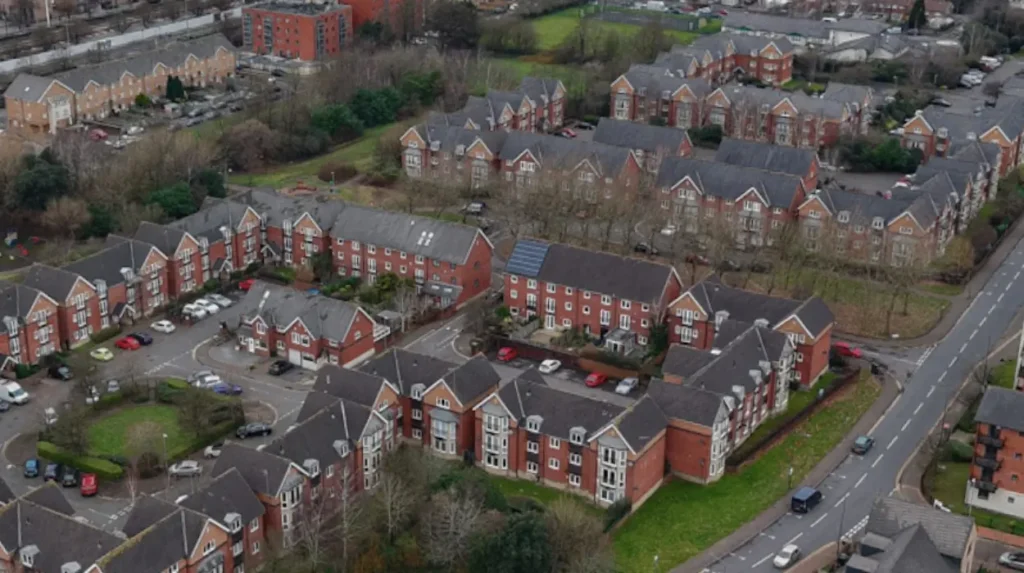
Proponents highlight how it maintains operations during construction while meeting strict environmental standards. Piles up to 20 meters deep support the structure, designed for urban constraints. If completed, it could cut journey times and support nearby developments like housing and business parks.
Economic Promises and Job Creation
Supporters of the Butetown tunnel Cardiff infrastructure argue that better road connectivity is essential to Cardiff’s economic future. The city’s population is expanding rapidly, with 7,000 new homes planned at Plasdwr alone, and existing routes through south Cardiff are increasingly strained. Improved access via the A4232 corridor and tunnel network is seen as a prerequisite for unlocking further investment in Cardiff Bay and the Central Cardiff Enterprise Zone.
The tunnel’s broader transport network was always intended to increase accessibility from east Cardiff to major employment sites in East Moors, Cardiff Bay, and the enterprise zone, an aim explicitly stated when the road was first approved. Adjacent projects reinforce the case: Cardiff Parkway, a major business park and sustainable transport hub approved in 2025, is expected to bring 6,000 jobs to the region. Tunnel advocates draw direct parallels, arguing that connected road infrastructure is what makes such schemes viable.
Council data from comparable UK infrastructure projects suggests road improvements of this type can boost property values in connected areas by 10 to 15%, benefiting homeowners across Butetown and neighbouring Grangetown. Local businesses, particularly the cafes, independent shops, and service providers along Bute Street, stand to gain from reduced bottlenecks drawing more foot traffic from Cardiff Bay.
However, the economic case runs into a hard wall of local memory. Past Bay regeneration created jobs and value, but the benefits flowed largely to developers and incoming businesses rather than Butetown’s existing community. Locals with 46% child poverty rates ask a pointed question: will training programmes and apprenticeships tied to Cardiff tunnel construction contracts actually prioritise Butetown’s young people? Without legally binding local hire commitments, economic gains risk bypassing the community for a third consecutive generation.
Opposition to the Butetown tunnel Cardiff project, and to Cardiff infrastructure development more broadly, is rooted not in resistance to progress but in lived experience of what progress has historically delivered to this community. Residents recall the 1980s Butetown redevelopment that demolished homes, broke up communities, and left families with little compensation and fewer options. “Butetown is being constrained,” one councillor has stated plainly, and many residents feel the geography of Cardiff’s development consistently squeezes their neighbourhood rather than opening it.
Construction disruption is a front-line concern. Butetown tunnel road closures, including the March 2025 temporary closure notices issued by Cardiff Council, directly impact small businesses still recovering from post-pandemic economic hits. For minority-run shops that lack the financial cushion of larger chains, months of reduced access can be the difference between survival and closure.
Gentrification is the deeper fear. As Cardiff Bay property values rise, Butetown faces the classic pressure of a desirable location meeting poor residents. Higher rents push out long-time families, including the Somali, Yemeni, and Greek communities whose ancestors built the neighbourhood. The cladding scandal, which left some Cardiff Bay residents in unsafe buildings for years while councils focused on approvals elsewhere, has not helped trust in institutional promises of safeguarding.
Community Concerns and Divisions
Health concerns have a direct precedent in this community. The original elevated road plan through Butetown was scrapped specifically because of campaigns highlighting air pollution risks to children in a deprived area with already high asthma rates. The cut-and-cover tunnel design avoids that skyline scar, but construction phases involving bored piles, diaphragm walls, and soil disruption near the River Taff estuary raise legitimate concerns about particulate pollution and groundwater impacts during the build period.
The divide is not simply between residents and the council. It runs through Butetown itself. Younger residents, facing youth unemployment and limited local opportunity, are more open to the jobs and modernity that tunnel-linked development could bring. Older residents, who remember Tiger Bay’s era of genuine racial harmony and community density before the 1980s demolitions, are more guarded. Community murals, school projects, and the legacy work of the Butetown History and Arts Centre reflect a neighbourhood proud of its identity and fiercely protective of what remains of it.
Environmental and Social Impacts
The tunnel promises greener outcomes long-term. By diverting traffic underground, it could lower emissions in residential zones. Viaducts and bridges use prefabricated beams for efficiency, minimizing site time. This aligns with Welsh Government goals for net-zero infrastructure.
But short-term hits are real. Bored piles and diaphragm walls disrupt soil, risking groundwater near the estuary. Sites of Special Scientific Interest nearby demand mitigation, as seen in Parkway delays until Natural Resources Wales approves offsets.
Socially, it tests Cardiff’s equity. Butetown’s diversity—once a haven of intermarriage and tolerance—now grapples with poverty. Projects must include community funds or housing safeguards. Practical tip: Locals can join consultations via council portals to demand impact assessments.
How does division persist? Developers often prioritize timelines over engagement. Transparent town halls, like those forcing the tunnel design, build trust. Without them, resentment festers, as in recent park sewage uproars where 24/7 works ignored pleas.
Lessons from Past Projects
Cardiff’s infrastructure history is instructive. The Cardiff Bay Development Corporation invested billions in transforming the docklands, creating a waterfront that draws millions of visitors annually. But the psychological and physical barriers between the gleaming Cardiff Bay waterfront and the Butetown community behind it have never fully dissolved. Jobs created by Bay regeneration went predominantly to incomers, while Butetown residents received disruption and rising rents.
The cladding crisis, which affected Cardiff Bay apartment buildings for years, illustrated how council planning processes can approve developments that ultimately fail residents, with accountability distributed so broadly that no one is held responsible. Parkway’s planning approval, granted only after years of community debate and with strict ecology conditions attached, shows that sustained community pressure does produce riders and safeguards that would not otherwise exist.
The 1990s Butetown tunnel protests are the clearest lesson of all: the road went underground because residents organised, made their case publicly and consistently, and refused to accept the first proposal. UK data shows that communities actively engaged in infrastructure consultation secure approximately 20% more local hire commitments in construction contracts than those that are not. For Butetown, those commitments matter enormously given the 46% child poverty rate in the ward.
Practical steps for residents: monitor planning notices on Cardiff Council’s public portal and the Public Notice Portal; form community alliances early, as Butetown has done throughout its history; attend or submit written representations to every public consultation; and demand that any apprenticeship or local employment commitments are legally embedded in contract terms, not left as voluntary pledges.
Navigating the Debate
Cardiff Council must lead with transparency if it wants this project to rebuild rather than deepen community distrust. Publishing phased construction timelines, air quality monitoring data, groundwater impact models, and clear job pipeline commitments before works intensify is not just good practice. It is the minimum required to operate credibly in a community with Butetown’s history. Virtual consultation forums, accessible outside standard working hours, will reach the shift workers and parents who cannot attend daytime town halls.
For local businesses on Bute Street and across Butetown, the practical priority is diversifying customer reach now, ahead of any further disruption from Cardiff tunnel road closures. Building an online presence targeting Cardiff Bay visitors, through local search visibility for terms like Butetown cafes, Butetown restaurants, and Cardiff Bay independent shops, creates resilience against the foot traffic disruption that construction phases inevitably bring. Homeowners should investigate Cardiff Council disruption grants and check eligibility for noise or vibration mitigation support during active construction periods.
The Butetown tunnel debate mirrors tensions playing out in cities across the UK: economic growth versus community heritage, connectivity versus displacement, infrastructure timelines versus lived human experience. What makes Butetown’s story nationally significant is its specificity, a community with a 150-year documented history of multicultural life, now at the intersection of Cardiff’s ambition and its obligations. The outcome here will be studied.
The Bute tunnel Cardiff is more than a road project. It is a referendum on what kind of city Cardiff intends to be. The engineering facts are clear: a 715-metre reinforced concrete cut-and-cover tunnel beneath the Wales Millennium Centre, part of the A4232 Cardiff Link Road, connecting Butetown to the wider city. The human facts are equally clear: a community shaped by over 50 nationalities, carrying 46% child poverty, and holding a justified wariness of infrastructure promises.
Success requires binding local employment commitments, genuine ecological safeguards approved by Natural Resources Wales, transparent phased communication from Cardiff Council, and affordable housing protections that prevent gentrification from doing quietly what the 1980s demolitions did loudly. Tiger Bay survived the docks era, the race riots, the 1960s demolitions, and the Bay regeneration. Whether the Butetown tunnel heals or repeats those wounds depends entirely on whether Cardiff treats this as a community project or merely a construction one. Stay engaged through planning portals, public consultations, and community alliances, the most powerful tools Butetown has ever had.
Why is the Butetown tunnel controversial in Cardiff?
The Butetown tunnel is controversial because it sits at the centre of a long and painful history of infrastructure projects that promised economic benefits to the community but delivered little to local residents. Butetown, formerly known as Tiger Bay, has a 46% child poverty rate and decades of experience watching regeneration projects bypass the community in favour of developers and incomers.
Is the Butetown tunnel in Cardiff currently open or closed?
The Butetown tunnel on the A4232 in Cardiff is operational but subject to periodic temporary closures for maintenance and resurfacing works. Cardiff Council issues Temporary Closure Orders for the tunnel, with night closures running through 2024 and into 2025 for both eastbound and westbound directions at scheduled intervals. Drivers affected by closures are typically diverted via Dunleavy Drive, Ferry Road, Clarence Road, and James Street into the city centre.
How does the Butetown tunnel connect to Cardiff’s wider road network?
The Butetown tunnel forms part of the A4232, Cardiff’s Peripheral Distributor Road, a dual carriageway ring road running west, south, and east of the city between M4 Junction 33 and M4 Junction 30. The tunnel connects to the Taff Viaduct, also known as the Butetown Link Road Bridge, which crosses the River Taff estuary, and links via the Queen’s Gate Roundabout to the Eastern Bay Link Road and the broader Cardiff Bay and Central Cardiff Enterprise Zone network. The road was built in stages between 1978 and 2017 and is maintained jointly by the South Wales Trunk Road Agent and Cardiff Council.
Where will the new Cardiff Arena be built?
The new Cardiff Arena will be built in the Atlantic Wharf area of Cardiff Bay. This is a major redevelopment site located near the Wales Millennium Centre, and it forms part of a large regeneration project designed to transform the bay into a leading entertainment and cultural hub.