The Butetown History and Arts Centre is a cultural institution in Cardiff, Wales, dedicated to preserving the history of the Tiger Bay docklands. It functions as a research facility, archive, and gallery space to document multicultural contributions to the region.
- When was the Butetown History and Arts Centre established?
- What are the primary objectives of the Butetown History and Arts Centre?
- Who are the key figures associated with the Butetown History and Arts Centre?
- What historical periods are covered by the centre’s archives?
- Where is the Butetown History and Arts Centre located?
- Why is the Butetown History and Arts Centre significant for Welsh history?
- How does the centre utilize oral history in its research?
- What types of exhibitions does the centre host?
- How has the redevelopment of Cardiff Bay impacted the centre?
- What resources does the centre provide for researchers?
- What is the future of the Butetown History and Arts Centre?
The Butetown History and Arts Centre operates as a central repository for the oral histories and visual records of the diverse communities in Cardiff. It was established to counter the marginalization of the local history belonging to the working-class and immigrant populations of the docklands. The institution focuses on the historical narrative of Butetown, a district recognized globally for its role in the coal trade and maritime industry during the nineteenth and twentieth centuries.
It maintains an extensive collection of photographs, recorded interviews, and primary documents that detail the daily lives of residents from over 50 different nationalities. The centre serves as an educational resource for schools and researchers interested in the socio-economic evolution of South Wales. It emphasizes the importance of community-led archiving to ensure that the representation of the area remains authentic and accurate. The facility acts as a bridge between the historical legacy of the docks and the modern development of Cardiff Bay.
When was the Butetown History and Arts Centre established?
The Butetown History and Arts Centre was established in 1987 by Dr. Glenn Jordan and local community members. It was created to record the experiences of the immigrant populations who settled in the Tiger Bay area during the nineteenth century.
The founding of the centre was a response to the rapid urban regeneration projects occurring in Cardiff during the late 1980s. Dr. Glenn Jordan, an academic and photographer, collaborated with local residents to ensure that the physical transformation of the docks did not erase the cultural memory of the people. The project initially began as the Butetown Community History Project, which focused on gathering oral testimonies from the elders of the community. This initiative sought to document the era of the coal boom when Cardiff was the busiest coal-exporting port in the world.
The centre officially incorporated artistic elements into its mission to provide a platform for local creators to express their heritage through visual media. Over several decades, the institution expanded its reach by publishing books and hosting international exhibitions that highlighted the unique social fabric of Butetown. It received support from various heritage lotteries and arts councils to maintain its operations as a non-profit organization.
What are the primary objectives of the Butetown History and Arts Centre?
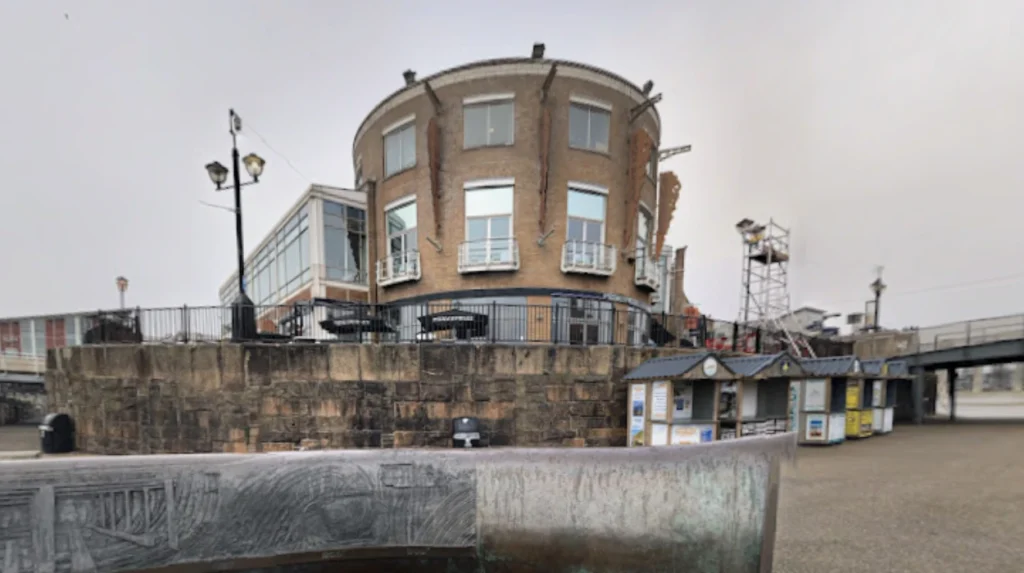
The primary objectives of the Butetown History and Arts Centre include the preservation of multicultural heritage and the promotion of social justice through education. It aims to provide an accurate historical record of the diverse immigrant communities in Wales.
One of the core missions of the centre is to challenge stereotypes associated with the Tiger Bay district by presenting factual historical data. It achieves this through the curation of permanent and temporary exhibitions that showcase the industrial and domestic lives of the residents. The centre prioritizes the collection of oral histories, which are recorded and transcribed to serve as primary source material for future generations. It also functions as an educational hub, offering workshops and curriculum-aligned programs for students to learn about migration and industrialization.
By providing a space for community engagement, the centre fosters a sense of identity and pride among the descendants of the original dockworkers. The organization works to ensure that the history of black and ethnic minority individuals is integrated into the broader narrative of Welsh national history. This objective is met through collaborative projects with museums and academic institutions across the United Kingdom and Europe.
Who are the key figures associated with the Butetown History and Arts Centre?
The key figures associated with the Butetown History and Arts Centre include founder Dr. Glenn Jordan and various local community leaders. These individuals worked collectively to secure the archives and manage the artistic direction of the cultural institution.
Dr. Glenn Jordan, an anthropologist and historian, served as the director for many years and was instrumental in capturing the visual history of the area. He utilized photography as a tool for social documentation, creating a massive archive of portraits and candid shots of Butetown residents. Local leaders and activists from the Tiger Bay community also played vital roles in the governance and daily operations of the centre. These individuals provided the necessary connections to the older generation of residents who held the oral traditions and personal artifacts of the community.
Artists such as those involved in the local jazz scene and maritime workers also contributed their personal stories to the institutional records. The board of trustees often included historians, educators, and community representatives who ensured the mission remained focused on the people of Butetown. Their collective efforts allowed the centre to remain a grassroots organization while gaining international recognition for its specific archival methods.
What historical periods are covered by the centre’s archives?
The archives of the Butetown History and Arts Centre cover the period from the mid-nineteenth century to the present day. This timeframe encompasses the peak of the Welsh coal trade and the subsequent decline of the industrial docklands.
The historical records focus heavily on the Victorian and Edwardian eras when the Bute West Dock and Bute East Dock were constructed. During this time, Cardiff became a global shipping hub, attracting sailors and laborers from regions such as the Caribbean, West Africa, and the Middle East. The centre documents the growth of the community during the 1880s and 1890s when Butetown became one of the first multi-ethnic settlements in Britain.
It also covers the period of the First and Second World Wars, highlighting the contributions of merchant seamen from the docklands. The archives contain significant information regarding the 1919 race riots in Cardiff, providing a critical perspective on the social tensions of that era. Furthermore, the centre tracks the post-war decline of the shipping industry and the eventual redevelopment of the area into Cardiff Bay in the 1990s. This comprehensive timeline allows researchers to analyze the long-term demographic and economic shifts within a single urban locality.
Where is the Butetown History and Arts Centre located?
The Butetown History and Arts Centre is located in the Butetown district of Cardiff, near the revitalized Cardiff Bay area. Its location is strategically significant as it sits within the historic heart of the old Tiger Bay docklands.
The physical presence of the centre in Butetown allows it to remain accessible to the community whose history it documents. The building serves as a landmark for visitors exploring the maritime heritage of South Wales and the contemporary developments of the capital city. Its proximity to the Wales Millennium Centre and the Senedd building places the institution in a high-traffic cultural corridor. This location enables the centre to engage with both local residents and international tourists who are interested in the industrial history of the port.
The surrounding architecture reflects a mix of Victorian commercial buildings and modern residential apartments, illustrating the changing face of the district. Being situated in Butetown ensures that the archive is housed within the very geography it describes, maintaining a tangible link to the past. The facility has historically occupied different spaces within the neighborhood, always maintaining a commitment to staying within the boundaries of the original dockland settlement.
Why is the Butetown History and Arts Centre significant for Welsh history?
The Butetown History and Arts Centre is significant because it provides a rare and detailed record of the multicultural foundations of modern Wales. It documents the contributions of ethnic minority communities to the Welsh industrial and social landscape.
Before the establishment of the centre, much of the history of the black and minority ethnic populations in Wales was underrepresented in official national records. The institution changed this by elevating the stories of sailors, miners, and domestic workers who arrived in Cardiff from across the British Empire. It highlights the fact that Wales has been a diverse society for over a century, challenging the notion of a monolithic cultural identity.
The centre’s work has influenced the way history is taught in Welsh schools, introducing themes of migration and global trade into the curriculum. It also serves as a model for community-based archiving, demonstrating how local people can take ownership of their own historical narratives. The preservation of these records ensures that the impact of the coal industry is understood through the human experiences of those who built it. Its existence validates the heritage of thousands of Welsh citizens whose ancestors contributed to the economic success of the nation.
How does the centre utilize oral history in its research?
The centre utilizes oral history by conducting structured interviews with long-term residents of Butetown and the surrounding docklands. These testimonies are recorded, transcribed, and archived to provide a first-hand account of the community’s social and economic life.
Oral history is the primary methodology used by the centre to fill the gaps left by traditional written records. Many of the experiences of working-class immigrants were not documented in newspapers or government reports of the nineteenth and twentieth centuries. By interviewing elderly residents, the centre captures details about family life, religious practices, and the informal economies of Tiger Bay. These recordings preserve the unique dialects and linguistic influences that characterized the multicultural port.
The interviews often focus on specific themes, such as the role of women in the community or the experiences of sailors during wartime. This data is then used to create immersive exhibitions and educational publications that resonate with the public. The process of gathering oral history also serves as a form of community engagement, as it honors the knowledge of the participants. The digital preservation of these voices ensures that the nuances of the Butetown experience are available for academic study and public appreciation.
What types of exhibitions does the centre host?
The Butetown History and Arts Centre hosts exhibitions focusing on photography, maritime artifacts, and social history. These displays are designed to educate the public on the diverse heritage of the Cardiff docklands through visual and auditory media.
The exhibitions often feature the work of Dr. Glenn Jordan, who documented the people of Butetown over several decades. One recurring theme in the displays is the representation of the “Tiger Bay” identity, showcasing the pride and resilience of the local community. Other exhibitions focus on specific immigrant groups, such as the Somali, Yemeni, and West Indian communities that shaped the district.
These displays include personal items such as ship logs, traditional clothing, and family photographs donated by the residents. The centre also hosts contemporary art exhibitions that explore themes of race, identity, and urban change in modern Britain. Many of the exhibitions are touring displays, meaning they travel to other museums and galleries across the United Kingdom to share the Butetown story. The use of interactive elements, such as listening stations for oral histories, enhances the visitor experience by providing multiple layers of context. These exhibitions serve as a vital tool for public outreach and historical education.
How has the redevelopment of Cardiff Bay impacted the centre?
The redevelopment of Cardiff Bay has impacted the centre by changing the physical and social environment of the surrounding district. It has created both opportunities for increased tourism and challenges regarding the preservation of the original community.
During the 1990s and early 2000s, the Cardiff Bay Development Corporation transformed the old industrial docks into a modern leisure and commercial waterfront. This process, often referred to as gentrification, led to the demolition of some historic structures and the displacement of some original residents. The Butetown History and Arts Centre played a critical role during this transition by advocating for the preservation of the area’s cultural identity. While the redevelopment brought more visitors to the region, it also highlighted the stark contrast between the wealthy new developments and the historic Butetown neighborhood.
The centre became a site of resistance against the erasure of the docklands’ working-class history. It provided a space where the original inhabitants could assert their presence and history amidst the changing landscape. The increased foot traffic in Cardiff Bay has allowed the centre to reach a broader audience, though it has required constant effort to maintain its grassroots focus. The institution continues to navigate the complexities of being located in a high-growth urban area while serving a historically marginalized community.
What resources does the centre provide for researchers?
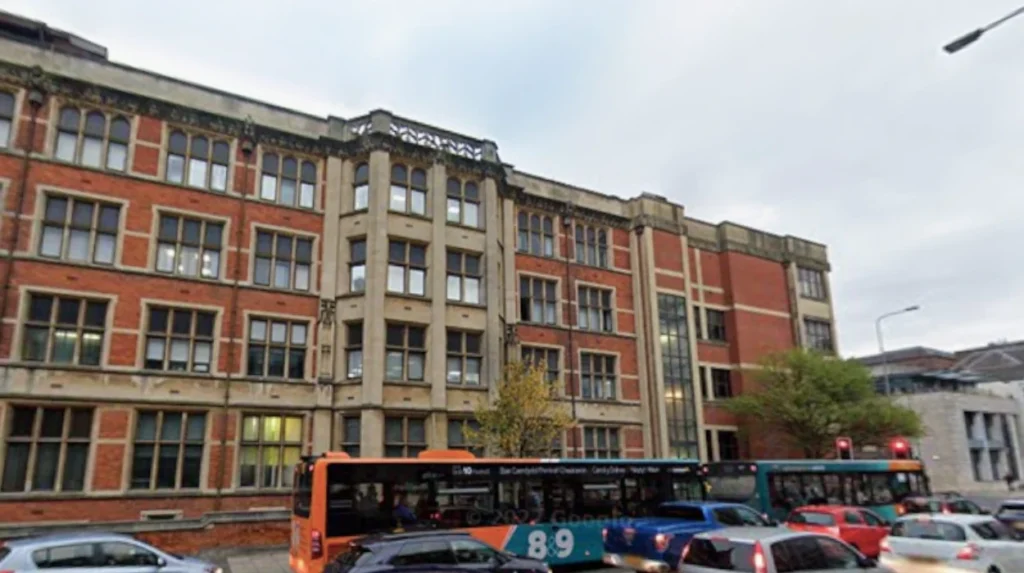
The Butetown History and Arts Centre provides researchers with access to an extensive archive of photographs, oral history transcripts, and rare publications. These resources are essential for those studying maritime history, migration, and the social dynamics of urban Wales.
The photographic archive contains thousands of images documenting every aspect of life in Butetown from the late nineteenth century onwards. Researchers can find visual evidence of the changing dockland infrastructure, local businesses, and social gatherings. The oral history collection offers a rich dataset for sociologists and linguists interested in the diverse voices of the port. The centre also maintains a library of books and papers specifically related to the history of black and ethnic minority communities in the United Kingdom. Many of these publications were produced by the centre itself, summarizing years of community-led research.
Academic students and professional historians frequently visit the centre to consult these unique primary sources for their dissertations and books. The staff at the centre provide guidance on navigating the archives and offer context that is not available in larger, more generalized national institutions. These resources make the centre a critical hub for specialized research into Welsh multiculturalism and industrial heritage.
What is the future of the Butetown History and Arts Centre?
The future of the Butetown History and Arts Centre involves digital preservation and continued partnership with national heritage organizations. It aims to ensure that its vast archives remain accessible to a global audience through online platforms and digital media.
As physical archives face challenges related to storage and environmental control, the centre is focusing on digitizing its collections. This initiative will allow researchers and the public to access oral histories and photographs from anywhere in the world. The organization is also seeking to strengthen its collaborations with institutions like the National Museum Wales and the Glamorgan Archives. These partnerships help secure the long-term viability of the collection and integrate Butetown’s history into larger national projects.
The centre continues to apply for grants and funding to support new exhibitions and community outreach programs. There is an ongoing focus on engaging the youth of Butetown to ensure that the next generation takes an interest in their local heritage. By modernizing its approach to archiving and education, the centre aims to remain a relevant and vital cultural institution. Its commitment to telling the story of Tiger Bay remains unchanged as it adapts to the technological and social shifts of the twenty-first century.
Why was Tiger Bay demolished?
Tiger Bay was demolished during the mid-twentieth century as part of a widespread urban renewal strategy known as slum clearance. Local authorities aimed to replace dilapidated Victorian housing with modern flats, fundamentally altering the historic social fabric of the docklands.
What is the posh suburb of Cardiff?
Cyncoed is widely recognized as the most affluent suburb in Cardiff. Characterized by high property values, large detached houses, and proximity to Roath Park, it remains the primary residential area for the city’s most wealthy professionals and business leaders.
Where do celebs stay in Cardiff?
Celebrities visiting Cardiff typically stay at the St. David’s Hotel and Spa in Cardiff Bay or the Parkgate Hotel in the city centre. These luxury establishments provide high-end amenities and privacy required by high-profile guests and international performers.
Where did Harry Styles play in Cardiff?
Harry Styles performed at the Principality Stadium in Cardiff during his Love On Tour global residency. The massive venue hosted two sold-out shows in June 2023, attracting thousands of fans to the city’s largest sports and entertainment arena.
Did the Beatles ever play in Cardiff?
The Beatles performed in Cardiff on several occasions during the 1960s. Their most notable appearances occurred at the Capitol Theatre, where they played to screaming crowds in 1963, 1964, and during their final UK tour in December 1965.