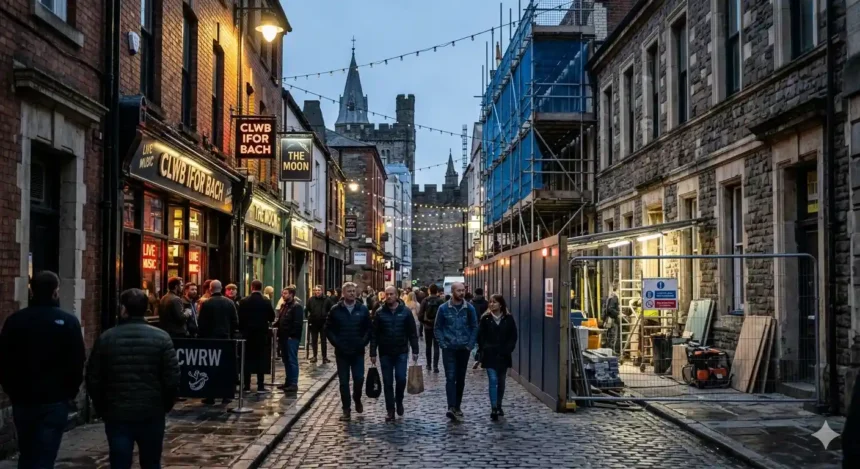
Womanby Street in central Cardiff is undergoing a quiet but profound transformation. Often described as “Cardiff’s music street,” it is no longer just a late‑night shortcut between St Mary Street and the Cardiff Castle area; it has become a focal point for cultural regeneration, creative economies, and city‑centre planning. What many Cardiff residents and visitors see as a row of bars, clubs, and small‑business offices is actually part of a much larger, evolving story about how Cardiff is trying to protect its live‑music scene while updating its heritage buildings and night‑time economy.
- A Brief Overview of Womanby Street
- The Current Physical Changes Taking Place
- Womanby Street as Cardiff’s “Music Quarter”
- The “Save Womanby Street” Campaign and Ongoing Debates
- The Balance Between Heritage, Development, and Nightlife
- The Clwb Ifor Bach Redevelopment: A Microcosm of the Street’s Future
- Everyday Life and Atmosphere on Womanby Street Today
- Noise, Licensing, and the “Night‑Time Economy” Question
- Long‑Term Outlook: What the Future Holds for Womanby Street
- Why This Matters for Cardiff’s Identity
This article explains what is actually happening in Womanby Street right now, from physical redevelopment and ongoing construction to wider policy debates about noise, licences, and “cultural night‑time economy” status. It is written as an evergreen, SEO‑optimised guide for people who want to understand the street’s place in Cardiff’s future, not just a snapshot of a single news week.
A Brief Overview of Womanby Street
Womanby Street is one of the oldest thoroughfares in Cardiff, running from St Mary Street up to the castle area and parallel to Quay Street. Historically it was closely tied to the city’s maritime and market life, and in more recent decades it has become known as the heart of the city’s alternative music and nightlife scene. The street is a short, narrow lane lined with low‑rise buildings, many of which date from the 19th and early‑20th centuries, giving it a dense, “village‑within‑the‑city” feel.
In architectural and planning terms, Womanby Street now sits within the Castle Quarter of Cardiff city centre, an area that was pedestrianised and repaved as part of a wider £15 million redevelopment that began around 2010–2011. Today, access is largely restricted to pedestrians, with limited authorised vehicle traffic for deliveries and disabled‑badge holders, which makes the street feel more like an outdoor room than a through‑route.
The Current Physical Changes Taking Place
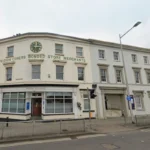
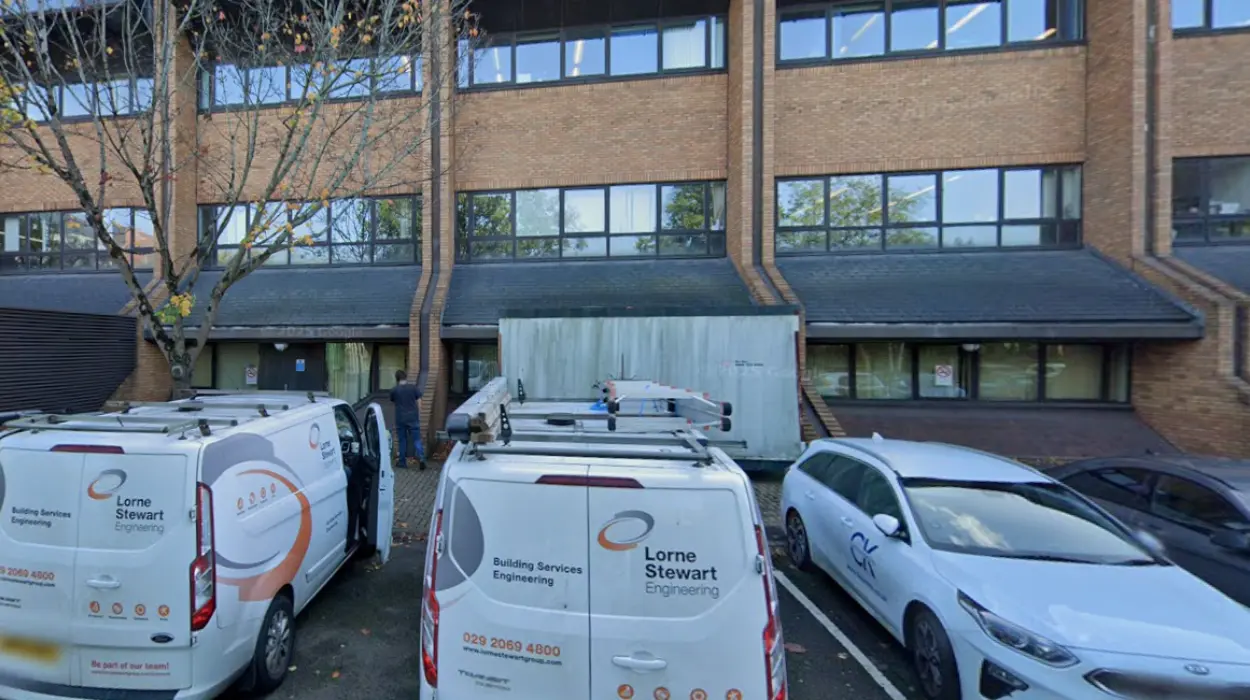
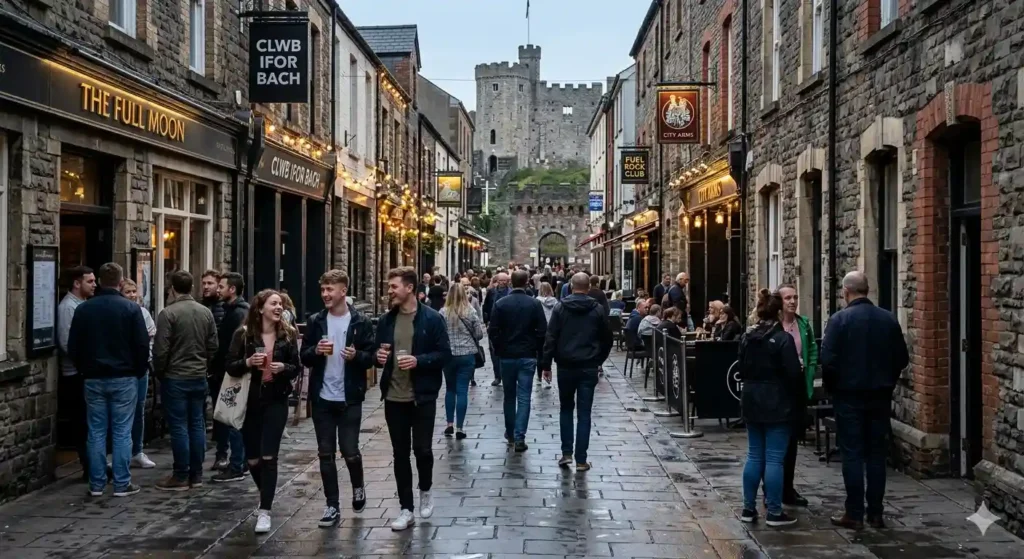
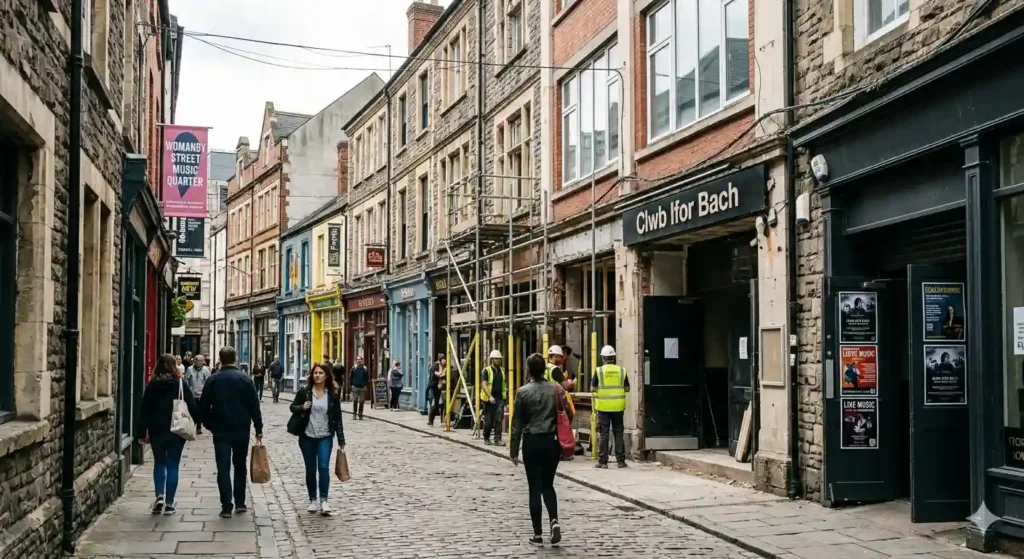
Recent years have brought a wave of refurbishment and redevelopment projects along Womanby Street, although many of them are being done in stages rather than as one big, single “event.” In 2022, a heritage office estate on the street—comprising several Georgian and Victorian‑era buildings—was sold for £7.5 million, marking a clear vote of confidence in the street’s long‑term value as office and creative workspace. A comprehensive refurbishment programme was carried out on three of the four buildings, modernising interiors while keeping the original facades, and these spaces now house a mix of small and medium‑sized enterprises, including architectural practices, digital agencies, and professional services firms.
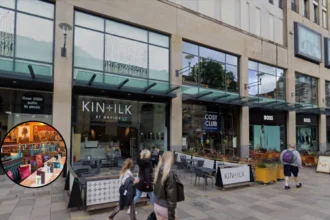
At the same time, major changes are underway at Clwb Ifor Bach, one of the most iconic music venues in Wales, which sits on Womanby Street. The club has begun a significant redevelopment that includes partial demolition of an adjacent derelict building and the creation of a larger, multi‑room venue with improved accessibility and facilities. This work is not just cosmetic; it is designed to secure the venue’s future for the next several decades while retaining the “character and charm” that have made it a Cardiff institution.
Across the street, the long‑running campaign to protect Womanby Street as a music quarter has pushed the city council and developers to think carefully about how new or converted buildings are used. There have been proposals in the past to introduce hotels or heavily residential uses in prominent sites on the street, which drew strong opposition from live‑music campaigners and local musicians who feared that noise‑complaint culture would squeeze out late‑night venues. Today, those debates are still present, but they are being channelled into broader planning and licensing decisions rather than single‑building fights.
Womanby Street as Cardiff’s “Music Quarter”
City‑level documents and Cardiff Council’s own communications describe Womanby Street as the “most loved music street” in the city and as a key candidate for formal designation as a “music quarter” or “cultural night‑time economy” zone. This is not just branding; it implies that the council is trying to embed the street’s identity as a live‑music and cultural hub into its long‑term planning documents, licensing frameworks, and investment strategies.
The idea is that a “music quarter” status would help protect the street from the most damaging kinds of over‑commercialisation or overly restrictive noise policies. In practice, this could mean:
- Prioritising affordable or subsidised rents for music venues and rehearsal spaces.
- Discouraging residential‑heavy developments that rely on rigid noise‑complaint regimes.
- Ensuring that licensing decisions take cultural value into account, not just traffic and noise.
These principles are already visible in how Cardiff Council has handled appeals and objections around proposals for hotels or flats on the street. Although the exact powers of a “cultural night‑time economy” label are still being tested, the fact that it is being discussed at all signals that Womanby Street is being treated differently from many other city‑centre streets.
Even beyond policy documents, the lived experience of Womanby Street is still intensely musical. Grassroots gigs, open‑mic nights, and small‑scale club events continue to run in venues and bars along the lane, and the street remains a common meeting point for local bands, promoters, and music‑fans. The ongoing redevelopment of Clwb Ifor Bach is, in effect, an investment in that same culture, reinforcing the idea that Womanby Street is not being allowed to “quieten down” simply because the city centre is being modernised.
The “Save Womanby Street” Campaign and Ongoing Debates
Perhaps the most visible sign that something is truly “happening” in Womanby Street is that it has inspired a sustained campaign. In 2017, the “Save Womanby Street” movement gathered more than 7,000 signatures on a petition aimed at protecting the street’s music venues from redevelopment and restrictive licensing. The trigger was a proposal to convert a key building into Cardiff’s first Wetherspoons hotel, which many believed would bring stricter noise controls and eventual pressure on existing clubs and bars.
The campaign succeeded in pressing Cardiff Council to seriously consider designating the street as a cultural night‑time economy, and although that label has not yet been implemented in full, the threat actors and residents have achieved several quieter victories. For example, when nearby venues such as Dempseys and The Point closed or were redeveloped, the council and local activists learned hard lessons about what happens when a city loses its small‑venue music infrastructure. These experiences have fed directly into the current five‑year plan for the city centre, which explicitly singles out Womanby Street for special attention as a music quarter.
Right now, the campaign is less about a single headline‑grabbing development and more about making sure that every new project on the street—whether an office refurbishment, a hotel, or a residential‑led scheme—has to answer the question: “How will this affect the music and culture of Womanby Street?” That is, in fact, “what is happening” right now in a political and planning sense: every planning application and every licence review is being weighed against that background of past closures and community pressure.
The Balance Between Heritage, Development, and Nightlife
Womanby Street sits at a tricky intersection of heritage, commercial development, and nightlife. On one level, the buildings are historically valuable; several are listed or sit within conservation‑area‑style frameworks, which means any major changes require careful handling. Developers and investors have shown interest in the street precisely because it combines historic character, pedestrian‑friendly layout, and adjacency to major attractions such as Cardiff Castle, the Principality Stadium, and Cardiff Central Station.
At the same time, the same qualities that attract offices and creative businesses also make the street attractive for nightlife. The narrow, sheltered layout works well for bars and clubs, and the proximity to the city’s transport hubs means that people can easily walk in from the station or the castle area. However, that also means that sensitive neighbours—whether new residents, hotel guests, or office workers—can be more likely to complain about noise, litter, or late‑night footfall.
Cardiff Council’s current city‑centre strategy tries to navigate this by:
- Promoting “creative uses” in empty or under‑used spaces, including pop‑up art and music projects.
- Encouraging “meanwhile uses” in vacant buildings to keep the street socially active, even between major developments.
- Supporting the artist‑in‑residence and “music quarter” ideas, which give cultural operators a formal foothold in the planning conversation.
In practical terms, this means that new or refurbished buildings on Womanby Street are being asked to consider whether they can host or support some kind of cultural or creative activity, rather than simply being turned into standard offices or purely residential units. This is not legislated in stone, but it is becoming a kind of de‑facto expectation for major projects in the area.
The Clwb Ifor Bach Redevelopment: A Microcosm of the Street’s Future
The most concrete, visible project encapsulating all of these themes is the redevelopment of Clwb Ifor Bach. The club, which has hosted generations of Welsh and international bands, is being expanded by taking over a neighbouring derelict building and integrating it into a unified, multi‑room music venue with improved accessibility and infrastructure. This is not just a nightclub upgrade; it is a statement that Cardiff is willing to invest in upgrading its grassroots music infrastructure instead of letting it decay or be replaced by generic commercial uses.
The club’s own messaging emphasises “character, charm and heritage” as non‑negotiable elements of the project, which suggests that the developers and operators are aware that diluting the venue’s identity would be seen as a betrayal of the street’s wider culture. For people who care about what is happening in Womanby Street, the Clwb Ifor Bach project is a useful barometer: as long as a major project like this can proceed with community support and planning approval, it is a sign that the street’s music legacy is still being treated as valuable, not expendable.
From a visitor’s perspective, the changes may be felt gradually: a slightly expanded venue footprint, new internal layouts, and updated facilities, but the same crowds of music fans will likely still spill out into Womanby Street after gigs. The broader impact, however, is psychological and political: it tells other developers and investors that “music‑friendly” projects can be financially viable and socially beneficial, not just financially risky nuisances.
Everyday Life and Atmosphere on Womanby Street Today
For people who actually walk down Womanby Street today, the changes are often subtle rather than radical. The street remains crowded most evenings, especially on weekends and match days at the Principality Stadium, when fans spill over from the castle area and the stadium itself. The mix of bars, small clubs, and casual eateries gives it a relaxed, slightly chaotic feel that sits in contrast to the more polished shopping streets nearby, such as St Mary Street and St David’s.
Businesses along the street span several categories:
- Music venues and late‑night clubs, including Clwb Ifor Bach and other smaller bars that host live acts.
- Creative and professional offices, including architecture firms and digital agencies, which have moved into the refurbished heritage buildings.
- Ancillary services such as small cafés, snack bars, and convenience‑style outlets that cater to both office workers and night‑time visitors.
Although the street is still compact, this mix creates a kind of “day‑and‑night” economy where the same lane can feel very different in the morning, afternoon, and late evening. During the day, it can appear almost sleepy, with a few office workers and the odd tourist, but by 8–9 pm it transforms into a busy nightlife corridor, often blocked off to through‑traffic by security and stewards on busy nights.
This duality is also a policy challenge: planners and residents have to decide whether they want to lean more into the street’s daytime‑office character or its night‑time‑music identity—or try to sustain both. The current direction, as reflected in Cardiff Council’s documents and the Clwb Ifor Bach redevelopment, suggests a deliberate attempt to keep the music‑focused, night‑time character alive rather than allowing the street to become a purely corporate or residential corridor.
Noise, Licensing, and the “Night‑Time Economy” Question
One of the most pressing ongoing issues on Womanby Street is noise. Because the street is narrow and surrounded by historic buildings, sound does not disperse easily, and amplified music, late‑night crowds, and nearby traffic can create a significant acoustic footprint. Over the past decade, several venues on or near the street have closed or been redeveloped, often because of complaints from new residents or because of changes in alcohol licensing rules.
The “Save Womanby Street” campaign and other local initiatives have argued that the city should treat this part of Cardiff as a formal night‑time economy and cultural district, rather than a generic residential or commercial zone. In practice, this would mean adjusting expectations around noise and late‑night activity, similar to how other cities designate “music districts” or “cultural quarters” where late‑night operations are expected and legally accommodated.
At present, the debate is still evolving. Cardiff Council has acknowledged the importance of protecting the street’s music character, but it must also balance that against obligations to residents, visitors, and other stakeholders. As new developments and refurbishments are completed, the council and licensing authorities will likely face more test cases over how many late‑night venues the street can support and how much noise is considered “acceptable” in a historically rooted but commercially active corridor.
For regular visitors, this means that the feel of Womanby Street can change subtly from year to year. A new building might open with a quieter bar on the ground floor, or a residential‑led scheme might lead to stricter noise controls. What is happening right now is that policymakers, residents, businesses, and musicians are all negotiating, in real time, what kind of street Womanby Street should be in the 2020s and beyond.
Long‑Term Outlook: What the Future Holds for Womanby Street
Looking ahead, Womanby Street is likely to remain a small but symbolically important corridor within Cardiff’s city centre. The combination of heritage, music, and creative work is unlikely to be undone entirely, because it is now embedded in the council’s own planning language and in the expectations of the people who care about the city’s culture. At the same time, the street will continue to face pressure from real‑estate markets that see historic city‑centre locations as attractive for offices, hotels, or flats.
Two plausible long‑term scenarios are emerging:
- A “music‑first” vision, in which the street is increasingly recognised as a cultural night‑time economy, with more venues, more live‑music events, and more explicit protections in planning and licensing.
- A “mixed‑use” vision, in which offices, creative businesses, and music venues share the street more evenly, with some loss of late‑night density but greater financial stability and diversity.
What is happening right now is that Cardiff appears to be steering toward a version of the second scenario, but with strong safeguards for music and culture. The refurbishment of heritage buildings as office‑and‑creative spaces, the partial demolition and expansion of Clwb Ifor Bach, and the ongoing discussion of “music quarter” status all point in the same direction: Womanby Street is being upgraded, formalised, and partially gentrified, but not simply sterilised into a quiet, purely commercial lane.
For Cardiff residents and visitors, that means that the experience of walking down Womanby Street in the next five or ten years will probably still feel recognisably “musical” and slightly edgy, even if the buildings look a bit cleaner and more modern. The street will continue to host debates about noise, licensing, and development, but those debates are themselves part of the story that gives Womanby Street its ongoing significance in the city’s life.
Why This Matters for Cardiff’s Identity
Ultimately, what is happening in Womanby Street right now is not just about one lane of historic buildings; it is about how Cardiff chooses to treat its creative and musical communities in an era of rapid city‑centre change. The street has become a kind of test case: can a small, historic corridor be upgraded and modernised without killing its music scene or its grassroots character?
The current pattern—careful refurbishment, selective densification, and explicit recognition of the street as a “music quarter”—suggests that Cardiff is trying to answer that question with a cautious “yes.” The £7.5 million office‑estate sale, the Clwb Ifor Bach redevelopment, and the city’s wider five‑year plan all indicate that stakeholders are willing to invest in both heritage and culture, not just in generic commercial uses.
For readers of Cardiff Daily and anyone interested in the city’s future, that makes Womanby Street a useful place to watch. It may be small on the map, but its story is large: it reflects how Cardiff balances tourism, heritage, nightlife, and residential life in a confined, historic core. As long as the street continues to host live music, creative work, and late‑night crowds, it will remain a living part of Cardiff’s identity, not just a relic on a heritage trail.