
Cardiff’s Canton neighborhood grapples with a deepening housing crisis that mirrors broader challenges across Welsh cities. Soaring property prices outpace wages, leaving many residents priced out of this once-affordable Victorian suburb. This evergreen issue stems from rapid population growth, limited supply, and historical development patterns, affecting families, young professionals, and long-time locals alike.
- Canton’s Historical Roots
- Population Boom and Demand Surge
- Skyrocketing Property Prices
- Rental Market Strains
- Supply Shortages Exposed
- Impact on Families and Communities
- Role of Investors and Speculation
- Flood Risks and Development Barriers
- Government and Council Responses
- Community-Led Initiatives
- Future Outlook and Solutions
- Preserving Canton’s Soul
Canton’s Historical Roots
Canton emerged in the 19th century as a working-class enclave west of Cardiff city center, named after the Chinese city due to early trade links. Its grid of terraced houses, built for industrial workers near the River Taff, defined its character—tight-knit streets lined with red-brick homes that now fetch premium prices. By the early 20th century, Canton housed coal miners, dockworkers, and families drawn to its proximity to factories and railways, fostering a resilient community spirit that persists today.
This history shaped Canton’s housing stock: predominantly two- and three-bedroom terraces from the 1880s, with minimal high-rise or modern builds until recent decades. Government records from Cardiff Council highlight how post-war slum clearances preserved much of this Victorian fabric rather than replacing it wholesale, unlike inner-city areas. Academic studies on Welsh urban history note that Canton’s stable housing base initially buffered it against decline, but globalization and Cardiff’s economic boom transformed it into a desirability hotspot.
Population Boom and Demand Surge
Cardiff’s population has swelled by over 20% since 2001, reaching around 370,000 by recent estimates, with Canton absorbing much of this influx due to its schools, parks like Sophia Gardens, and easy access to the city center. Young families and professionals flock here for Cowbridge Road’s cafes, independent shops, and green spaces, driving rental and sales demand. Official Welsh Government data shows household formation rates exceeding new builds, exacerbating shortages in suburbs like Canton.
In Canton specifically, census figures reveal a shift from blue-collar roots to a diverse mix, including students from nearby Cardiff University and remote workers post-pandemic. This demographic pressure intensified as Cardiff’s tech and media sectors grew, pulling in high-earners who compete for limited stock. Housing charity reports underline how net migration into Wales, combined with low emigration, has stretched Canton’s infrastructure, turning modest family homes into multi-generational rentals or investor flips.
Skyrocketing Property Prices
Average house prices in Canton have climbed to over £350,000 in recent years, more than double the Welsh average, with terraces starting at £300,000 and semi-detached properties pushing £450,000. This escalation, twice the rate of wage growth over 15 years, stems from Cardiff’s 5-9% annual price hikes in sought-after areas like Canton and neighboring Pontcanna. Rightmove and Zoopla trends confirm semi-detached homes here rose 8% year-on-year, fueled by low inventory—fewer than 50 properties listed at any time.
Wage stagnation compounds the issue; median Cardiff household income hovers around £38,000, requiring over 9x annual earnings for a typical Canton home, far above the UK’s 8x affordability threshold. Cardiff Council’s Local Housing Market Assessment details how second-home buyers and buy-to-let investors, attracted by 5-6% rental yields, inflate prices further. Historical comparisons show prices were under £100,000 in the 1990s, a stark reminder of how speculative demand has eroded accessibility.
Rental Market Strains

Rents in Canton average £1,400 monthly for a two-bedroom property, up 15% in two years, per SpareRoom and council data. Private landlords dominate, with few council homes available—only about 10% of stock compared to 25% citywide. Tenants face bidding wars, short tenancies, and deposits equaling six weeks’ rent, pushing many into homelessness or shared housing.
No-fault evictions under Section 21 have surged, with Shelter Cymru reporting Canton among Cardiff’s hotspots for disputes. The Welsh Government’s Renting Homes Act offers some protections, but enforcement lags. Young professionals, priced out of buying, compete with families, leading to overcrowding in Victorian conversions split into HMOs (houses in multiple occupation).
Supply Shortages Exposed
Cardiff aims for 1,500 new homes annually through its Local Development Plan, but delivery lags at 1,000, with Canton seeing sporadic infill rather than large sites. Greenfield expansions on city edges provide affordable units via Section 106 agreements, mandating 35-40% low-cost homes from developers, yet urban Canton lacks space for such scale. Brownfield sites like former gasworks in nearby Grangetown yield 500 units, but transport links bottleneck distribution to Canton.
Planning delays, nimbyism from residents protecting Canton’s low-rise charm, and developer viability assessments often reduce affordable quotas. Council leader statements emphasize a “historic” 4,000-home build program since 2019, including Canton schemes, but only 600 completed so far. Research from the Joseph Rowntree Foundation highlights Wales’ chronic underbuilding—10,000 shortfall yearly—mirroring Canton’s micro-crisis.
Impact on Families and Communities
Families bear the brunt, with Canton Primary and Radnor Primary oversubscribed amid child poverty rates at 25%, per Welsh Index of Multiple Deprivation. Longer commutes emerge as buyers retreat to outskirts, straining Pontyclun trains and A4119 traffic. Mental health strains rise; studies link housing insecurity to higher GP visits in deprived wards like Canton West.
Social fabric frays as long-term residents sell to cash buyers, eroding community ties forged in pubs like the Jamaica Inn or events at Canton RFC. Diversity enriches Canton—home to Somali, Eastern European, and South Asian communities—but competition fosters tensions over resources. Women’s refuges and youth services report spikes in housing-related stress.
Role of Investors and Speculation
Buy-to-let portfolios dominate, with 20% of Canton homes rented privately, per council tax data. Institutional investors snap up ex-council properties, converting them to Airbnbs yielding 7% returns amid tourism from Principality Stadium. Government caps on second homes in Wales aim to curb this, but exemptions for student lets persist, indirectly hitting family supply.
Viability loopholes let developers like those at Cathedral Gardens pay minimal Section 106 fees—£12,000 instead of £500,000—prioritizing luxury over social housing. Academic papers on UK housing bubbles critique this “financialization,” where Canton’s stable yields attract funds from London, sidelining locals.
Flood Risks and Development Barriers
Canton’s River Taff proximity amplifies challenges; 2020 floods displaced hundreds, deterring insurers and banks from terraced zones. Environment Agency maps classify much of Canton as high-risk, mandating costly elevations for new builds. Historical floods in 1879 and 1960 inform strict planning rules, limiting densification.
Climate projections warn of worsening events, clashing with housing targets. Cardiff’s flood defense investments help, but retrofitting Victorian stock proves uneconomic for landlords, stalling supply.
Government and Council Responses
Cardiff Council pursues 1,000 social homes by 2030, with Canton pilots like Bute Street community living blending market and affordable units. Welsh Labour’s 2021-2026 strategy promises rent controls and more council builds, backed by £100m devolved funds. The 2025 Social Housing Grant accelerates this, targeting carbon-zero homes.
Yet critiques persist: opposition parties decry greenbelt erosion for edge developments, while plaudits go to 18,000 homes delivered since 2006, hitting 30% affordable targets via rural sites. Cross-party consensus urges reforming Section 106 for urban areas like Canton.
Community-Led Initiatives
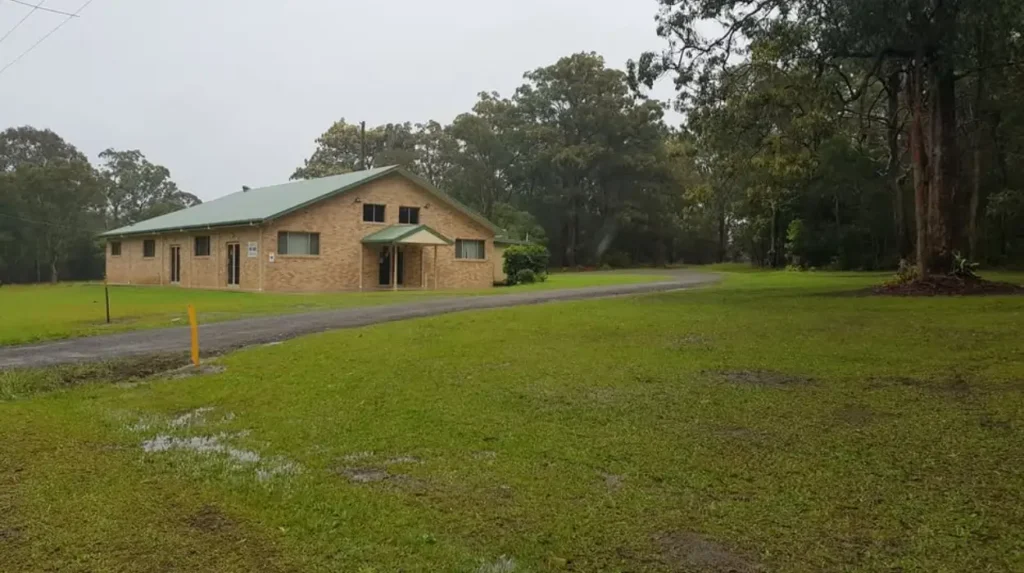
Grassroots efforts shine: Canton Community Housing Association runs workshops on shared ownership, helping 50 families yearly via equity loans capped at local incomes. Co-operatives like those in Riverside push for resident-led retrofits, blending heritage preservation with affordability.
Food banks at Lansdowne Community Centre and tenant unions advocate against evictions, fostering solidarity. Partnerships with Crisis aid rough sleepers transitioning to stable lets.
Future Outlook and Solutions
Sustaining Canton’s appeal demands bold action: mandatory 50% affordable in all new builds, expanded HMOs with family priorities, and vacant property levies to unlock 500 empty homes citywide. Welsh Government’s vacant land tax could release Canton plots for modular housing, deployable in months.
Tech like Cardiff’s digital planning portal streamlines approvals, while incentives for live-work units suit gig economy residents. Long-term, integrating Canton with Metrolink expansions could unlock density without cars. Experts forecast stabilization if supply hits 2,000 annually, but inertia risks gentrification spillover from Pontcanna.
Preserving Canton’s Soul
Beyond numbers, Canton’s crisis tests its identity as Cardiff’s “village within a city.” Balancing growth with heritage—think Llandaff Cathedral views and chapter arts buzz—requires inclusive planning. Residents’ views, gathered in council consultations, prioritize quality over quantity: play areas over high-rises, stable tenancies over flips.
Evergreen solutions lie in policy evolution: devolved powers enable Wales to pioneer rent stabilization nationwide, potentially capping Canton’s hikes at inflation. Collaborative models, drawing from Vienna’s social housing success, could reclaim 30% stock for locals. As Cardiff evolves, Canton’s resilience offers hope amid crisis.