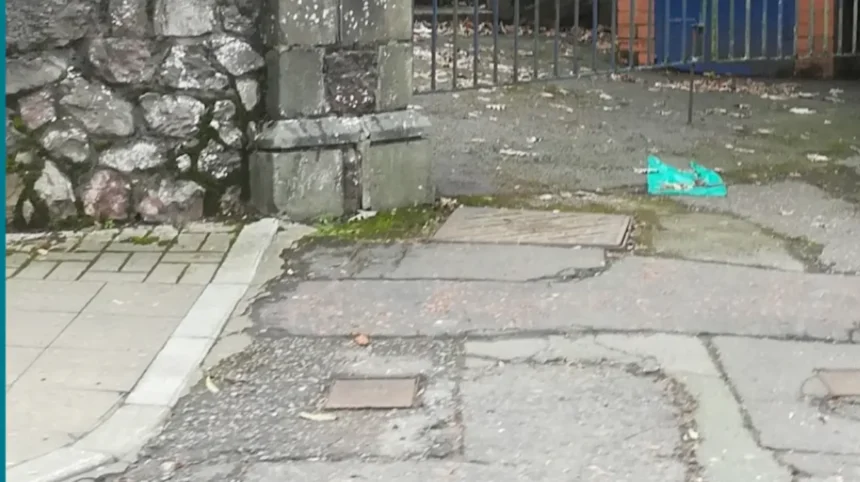
Cardiff’s roads form the backbone of daily life in this vibrant Welsh capital, connecting historic neighborhoods to bustling city centers. Local road repairs address wear from heavy traffic, harsh weather, and urban growth, ensuring safety for residents and visitors alike. This evergreen guide delves into the evolution, challenges, and solutions surrounding road maintenance in Cardiff.
- Historical Roots of Cardiff’s Roads
- Current Road Repair Challenges
- How Cardiff Council Manages Repairs
- Reporting a Road Issue Effectively
- Innovative Repair Techniques in Use
- Impact on Daily Life and Safety
- Future Plans for Cardiff’s Infrastructure
- Resident Tips for Road Safety
- Economic Role of Quality Roads
- Community Involvement in Maintenance
Historical Roots of Cardiff’s Roads
Cardiff’s road network traces back centuries, evolving from medieval tracks to modern highways. In the 19th century, as the city expanded with industrialization, streets like City Road—once known as Plwca Lane—saw early repair efforts by local commissioners. These officials coordinated with parishes to fix rutted paths, often quarrelling over materials like stolen stones for maintenance. The Cardiff Improvement Act of 1875 marked a turning point, incorporating areas like Roath and empowering the council to pave and channel streets systematically.
By the late 1800s, tramways spurred further upgrades. Castle Road, renamed City Road in 1874, received kerbing, channelling, and rolling to handle omnibuses and emerging traffic. Council minutes from 1877 detail ongoing works by contractors like Jones and Jepson, addressing dust, flooding, and uneven surfaces before metalling became standard. This era laid the groundwork for today’s structured repairs, blending manual labor with growing municipal oversight.
Urbanization accelerated in the 20th century, with post-war rebuilding introducing asphalt surfaces prone to weathering. Historic paths in Roath, dating to medieval times, highlight how repairs have long battled natural erosion and human use. These foundations explain persistent challenges, as old alignments still influence modern pothole hotspots.
Current Road Repair Challenges
Cardiff drivers face notorious potholes, exacerbated by wet winters and heavy vehicles. From 2022 to 2025, the council repaired 67,662 potholes, underscoring the scale of the issue. Roads like those in densely populated areas report the highest incidents, with residents noting daily new faults or botched fixes.
Heavy rain, a Cardiff staple, infiltrates cracks, freezing and expanding to create hazards. Aging infrastructure from the 1960s-1980s compounds this, as tarmac deteriorates under bus and delivery traffic. The council’s interactive map on roadworks.org tracks live closures, revealing clusters in suburbs like Roath and Canton. Faulty repairs, where patches fail quickly, frustrate locals, echoing 19th-century disputes over shoddy work.
Economic pressures limit budgets, prioritizing major arteries over residential lanes. Climate change intensifies these woes, with more extreme weather predicted to boost repair needs. Despite progress, public complaints highlight gaps between fixes and lasting quality.
How Cardiff Council Manages Repairs

Cardiff Council oversees repairs through its Highways team, responding to reports via an online portal. Residents submit pothole claims with photos, triggering inspections within days. Urgent hazards get temporary fixes like cold patching, while permanent resurfacing follows surveys.
Annual programs target high-risk routes, using techniques like surface dressing—applying new chippings to seal cracks. The council collaborates with utilities to minimize digs that weaken roads. Funding from Welsh Government grants supports multi-million-pound schemes, such as the Strategic Roads Programme for key corridors.
Monitoring relies on data from traffic sensors and resident feedback. Roadworks.org provides real-time updates, helping commuters plan around closures. Community liaison officers engage neighborhoods during big projects, addressing concerns proactively. This structured approach ensures repairs align with safety standards set by Transport for Wales.
Reporting a Road Issue Effectively
Spotting a pothole or uneven pavement? Cardiff residents can report via the council’s Fix My Street portal, integrated with their website. Provide precise location, size details, and photos for swift action. GPS pins speed up verification, turning reports into work orders.
Timing matters—flag dangers immediately via the council’s 24/7 hotline for emergency patches. Follow up online to track progress. For non-urgent cracks or drainage faults, batch reports to highlight problem stretches. Collective neighborhood submissions amplify priority.
Evidence boosts success: measure depth (over 40mm qualifies as hazardous) and note risks like near schools. The council aims for five-day responses on urgents, fostering community vigilance. This empowers locals, reducing accident risks proactively.
Innovative Repair Techniques in Use
Modern methods elevate Cardiff’s repairs beyond basic tarmac. Resin-based treatments fill potholes durably, resisting water better than traditional fills. Microsurfacing applies thin polymer layers to rejuvenate surfaces, extending life without full rebuilds.
Recycled materials feature prominently, with rubberized asphalt from tires cutting costs and noise. Welsh Government pilots infrared patching, reheating existing surfaces for seamless blends. These reduce downtime, vital for busy routes.
Drone surveys map damage precisely, prioritizing budgets. Permeable pavements in new developments combat flooding, channeling water away. Such innovations promise sustainable, resilient roads amid climate shifts.
Impact on Daily Life and Safety
Pothole-prone roads spike accidents, with swerves causing collisions. Cardiff data shows thousands of claims yearly, straining insurance and emergency services. Cyclists and pedestrians suffer most, navigating cracked pavements and hidden dips.
Delays from repairs disrupt commutes, inflating fuel use and stress. Businesses near closures lose trade, while school runs turn hazardous. Enhanced maintenance correlates with fewer incidents, underscoring investment value.
Safety campaigns urge caution: slow speeds, wide berths around patches. Improved roads boost mental well-being, easing frustration in this traffic-heavy city.
Future Plans for Cardiff’s Infrastructure
Vision 2050 outlines £100m+ investments, focusing smart tech like sensors for predictive fixes. Partnerships with private firms accelerate resurfacing, targeting 80% good-condition roads by 2030.
Net-zero goals drive electric vehicle charging integrations during upgrades. Active travel schemes widen paths alongside repairs, promoting walking and cycling. Community funds allocate for local priorities, voted by wards.
Digital twins—virtual road models—simulate wear, optimizing schedules. These forward steps ensure Cardiff’s network endures growth sustainably.
Resident Tips for Road Safety
While awaiting fixes, drivers should scan ahead, avoiding sudden maneuvers. Pump tires regularly to absorb shocks, preserving vehicles. Cyclists fit wider tires and lights for visibility on uneven patches.
Report proactively, but prepare for detours using apps like Waze. Support council campaigns by sharing pothole-free routes online. Homeowners maintain private drives to prevent spillover issues.
Engage locally: join ward forums pushing for better upkeep. These habits minimize risks, bridging gaps until systemic improvements prevail.
Economic Role of Quality Roads
Smooth roads underpin Cardiff’s economy, ferrying goods and workers efficiently. Pothole damage costs drivers millions yearly in repairs and delays. Robust networks attract investment, supporting ports and tech hubs.
Tourism thrives on accessible routes to castles and bays. Jobs in construction boom during big projects, injecting funds locally. Prioritizing maintenance yields long-term savings, averting costly emergencies.
Community Involvement in Maintenance
Neighborhood watch groups map issues, pressuring for action. Annual clean-ups clear debris, easing drainage. Schools teach pothole spotting, building civic duty.
Petitions sway budgets toward underserved areas. Volunteers monitor post-repair quality, holding authorities accountable. This collaboration strengthens Cardiff’s resilience.
Cardiff’s road repairs blend heritage with innovation, tackling timeless challenges head-on. Ongoing efforts promise safer journeys for all.
Can you seal concrete in 40 degree weather?
Sealing concrete in 40°F (about 4°C) weather is usually not recommended because the sealant may not cure properly. Most manufacturers suggest applying sealers when temperatures are above 50°F (10°C) for best results.
Who is responsible for local road repairs?
In Cardiff, local road repairs are typically handled by the city council or local highway authority. They maintain public roads, fix potholes, and ensure road safety.
Do councils pay out for pothole damage?
Yes, councils may compensate drivers for pothole damage if it can be proven that the authority failed to maintain the road properly. Claims usually require evidence such as photos, repair receipts, and the exact location of the pothole.
Can I repair asphalt myself?
Yes, small asphalt cracks or minor potholes can be repaired using DIY asphalt repair kits available at hardware stores. However, large or deep damage is better handled by professional road repair services.
How cold is too cold to seal a driveway?
Most driveway sealers should not be applied when temperatures drop below 50°F (10°C). Cold weather slows the curing process and may cause the sealant to fail or peel prematurely.