Cardiff Bay stands as one of the Welsh capital’s most iconic waterfront destinations, a shimmering expanse where history meets modern ambition. As 2026 unfolds, ambitious redevelopment plans promise to reshape this vibrant area, blending cutting-edge infrastructure with community-focused enhancements that residents must understand to fully engage with the changes ahead.
- Historical Evolution of Cardiff Bay
- Key 2026 Redevelopment Initiatives
- Infrastructure and Transport Upgrades
- Housing and Residential Impacts
- Economic and Job Opportunities
- Environmental Sustainability Features
- Community Engagement and Resident Concerns
- Timeline and Milestones for 2026
- What Residents Should Do Next
- Lasting Legacy for Cardiff Bay
Historical Evolution of Cardiff Bay
The transformation of Cardiff Bay traces back to the late 20th century, when what was once a declining industrial dockland began its remarkable rebirth. In the 1980s and 1990s, the area suffered from post-industrial decline, with abandoned warehouses and tidal mudflats dominating the landscape south of Cardiff’s city center. The Cardiff Bay Development Corporation, established in 1987, spearheaded the initial regeneration, investing heavily to reconnect the city with its waterfront heritage.
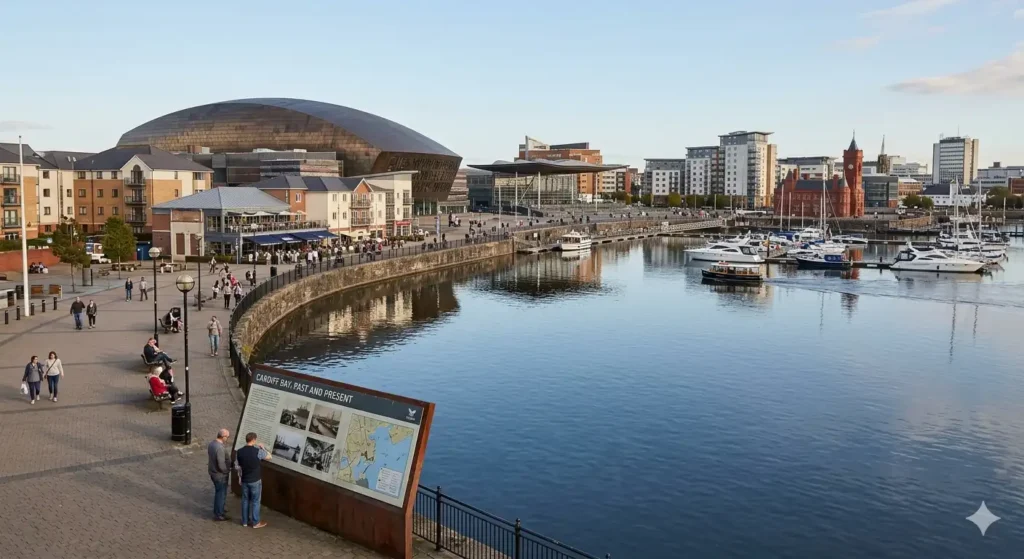
A pivotal moment came with the construction of the Cardiff Bay Barrage in the late 1990s, a engineering marvel that sealed off the mouth of the River Taff and Ely to create a 200-hectare freshwater lake. This not only stabilized the environment but also paved the way for residential, commercial, and leisure developments. By the early 2000s, landmarks like the Wales Millennium Centre, the Senedd (Welsh Parliament), and Mermaid Quay had emerged, turning the bay into a cultural and economic hub that generated thousands of jobs and homes.
This foundational regeneration set the stage for ongoing evolution. Over the past two decades, the bay has attracted over £2.4 billion in public-private investment, fostering 20,000 jobs, 10,000 new homes, and 80 hectares of green space. Yet, as Cardiff grows, the waterfront demands further innovation to meet contemporary needs, leading directly into the 2026 redevelopment agenda.
Key 2026 Redevelopment Initiatives
The 2026 waterfront redevelopment plans build on earlier masterplans, with a focus on Atlantic Wharf and the broader Cardiff Peninsula as flagship projects. Urban Strategies, commissioned by Cardiff Council in 2014, outlined a comprehensive Waterfront Master Plan to position Cardiff Bay as a world-class tourism and leisure destination. This vision, now accelerating into 2026, emphasizes completing the bay’s southern edge with mixed-use developments.
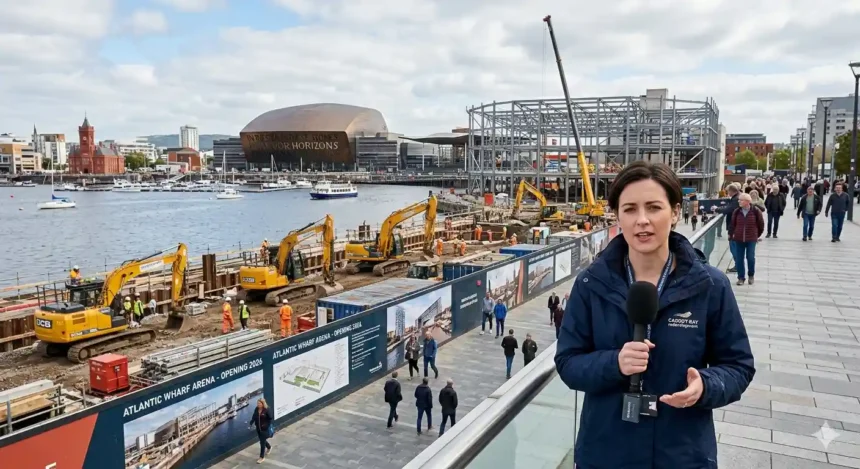
Central to these plans is the £250 million Atlantic Wharf Arena project, a 15,000-seat venue slated for completion in late 2026. This state-of-the-art facility will host concerts, sports events, and conferences, drawing an estimated 1.5 million visitors annually. Surrounding infrastructure includes enhanced hotels, restaurants, and transport links, revitalizing 30 acres from County Hall to the Red Dragon Centre and Roald Dahl Plass.
Further north, the Cardiff Peninsula Consortium, appointed as master developer in 2023, is breathing life into long-vacant sites near the International Sports Village. Approved plans envision a bustling high street lined with cafes, shops, restaurants, and a marketplace, complemented by a bayside promenade, new housing, an innovation hub, business quarter, and parking. A hotel, public gardens in partnership with the National Botanic Garden of Wales, and a water taxi service linking the peninsula to the main bay will enhance accessibility and appeal.
These initiatives align with broader Welsh government efforts, including a £12.6 million regeneration boost announced in March 2026 for town centers across Wales, indirectly supporting Cardiff Bay’s connectivity. Together, they aim to create a seamless waterfront corridor that integrates residential living, employment, and recreation.
Infrastructure and Transport Upgrades
Residents will notice significant improvements in how the bay connects to the rest of Cardiff. The 2026 plans prioritize sustainable transport, with expansions to cycling paths, pedestrian promenades, and public transit hubs. The water taxi service, for instance, will offer eco-friendly links between key zones, reducing road congestion while showcasing the lake’s beauty.
Atlantic Wharf’s redevelopment includes upgraded rail and bus interchanges, tying into Cardiff Central Station just minutes away. Enhanced electric vehicle charging stations and bike-sharing schemes reflect Cardiff Council’s commitment to net-zero goals by 2030. These upgrades not only ease daily commutes for bay residents but also accommodate the influx of tourists expected from the new arena.
Flood defenses remain a cornerstone, building on the barrage’s success. Recent engineering reviews ensure resilience against climate challenges, with permeable landscapes and smart water management systems integrated into new builds. This forward-thinking approach safeguards homes and businesses while preserving the bay’s aesthetic allure.
Housing and Residential Impacts
For Cardiff Bay’s growing residential community, the 2026 plans herald a surge in housing options tailored to diverse needs. Atlantic Wharf alone promises thousands of new units, from affordable apartments to luxury waterfront homes, addressing the city’s housing shortage amid population growth. The Cardiff Peninsula project adds family-oriented dwellings alongside innovation-led co-living spaces for young professionals.
These developments prioritize quality of life, incorporating green roofs, communal gardens, and direct lake access. Public gardens, designed with botanic expertise, will serve as communal oases, fostering neighborhood cohesion. Rental yields are projected to rise sharply due to the arena’s draw, benefiting property owners while pressuring first-time buyers to act early.
Local authorities emphasize inclusive planning, with mandates for affordable housing quotas—typically 20-30% of new builds. Residents should monitor consultations to voice preferences on density, amenities, and green space preservation, ensuring the bay remains a livable enclave rather than an overdeveloped tourist trap.
Economic and Job Opportunities
The waterfront’s evolution will supercharge Cardiff’s economy, creating ripples far beyond the bay. The arena alone is forecast to inject millions into local businesses through visitor spending on hospitality, retail, and events. Combined with the innovation hub and business quarter, these projects could generate thousands of jobs in tech, creative industries, and services.
Small businesses stand to gain from the high street revival, with spaces for independent shops and eateries drawing foot traffic. The Welsh government’s recent funding infusion underscores a national push for vibrant high streets, positioning Cardiff Bay as a model for balanced growth. For residents, this translates to shorter commutes, upskilling programs tied to new employers, and a more dynamic job market.
Long-term, the bay’s status as a top UK visitor attraction will bolster tax revenues, funding public services. However, council leaders like Cllr Russell Goodway stress the need for equitable benefits, warning against gentrification that prices out existing communities.
Environmental Sustainability Features
Sustainability weaves through every facet of the 2026 plans, reflecting global imperatives and local pride in Wales’ green credentials. New developments mandate high energy-efficiency standards, with solar panels, heat pumps, and passive design principles reducing carbon footprints. The bayside promenade incorporates native planting and biodiversity corridors to support local wildlife.
Public gardens on the peninsula, co-created with the National Botanic Garden of Wales, will feature biophilic elements like rain gardens and wildflower meadows, enhancing urban ecology. Water quality in the lake benefits from advanced filtration tied to the barrage, while low-emission transport options cut pollution.
Cardiff Council’s masterplan aligns with Wales’ net-zero ambitions, using recycled materials and circular economy principles in construction. Residents can expect cleaner air, cooler microclimates from green infrastructure, and community-led initiatives like clean-up events to maintain the bay’s pristine appeal.
Community Engagement and Resident Concerns
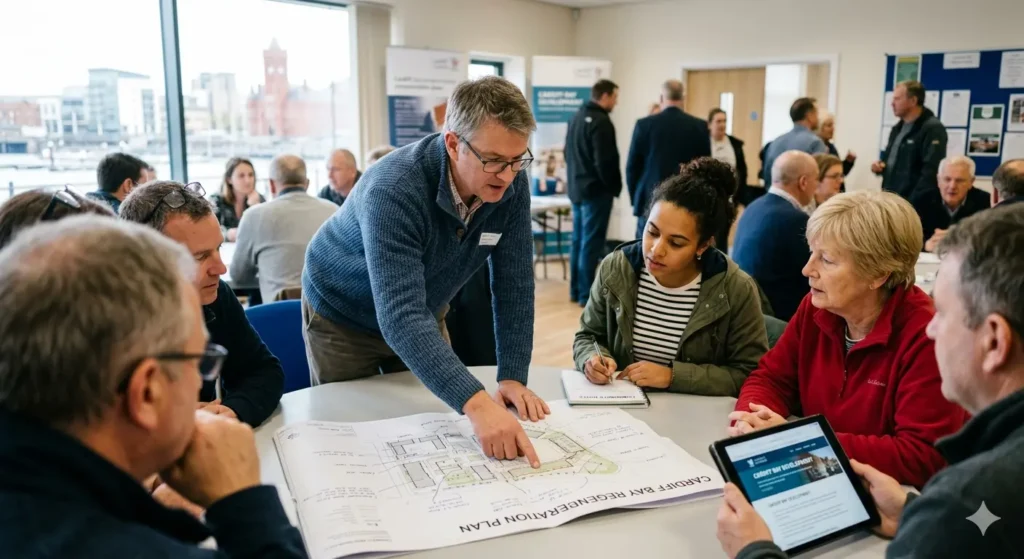
Cardiff Bay’s residents have actively shaped these plans through public consultations, a process that continues into 2026. Forums hosted by the council and developers like the Cardiff Peninsula Consortium allow input on everything from traffic flow to cultural preservation. Early feedback has influenced designs, such as expanded public realms over commercial dominance.
Common concerns include construction disruptions—noise, dust, and access issues during the arena build—and rising living costs from increased demand. The council mitigates this with phased timelines, community funds for affected households, and transparent updates via online portals. Preserving the bay’s artistic soul, home to venues like the Millennium Centre, remains paramount.
Residents are encouraged to join stakeholder groups or attend planning meetings at venues like County Hall. This participation ensures the redevelopment enhances rather than erodes the community fabric that makes Cardiff Bay special.
Timeline and Milestones for 2026
The roadmap kicks off with groundbreakings in early 2026, starting with Atlantic Wharf site preparations. By mid-year, visible progress on the arena structure and peninsula high street foundations will emerge, with water taxi pilots launching in summer. Full arena completion targets late 2026, coinciding with opening events to celebrate.
Interim milestones include transport upgrades by Q2 and garden installations by Q3, minimizing long-term disruption. Welsh government oversight, bolstered by the March 2026 funding announcement, accelerates approvals and delivery. Delays, if any, would stem from supply chain issues or weather, but robust contingency plans are in place.
What Residents Should Do Next
To stay informed, bookmark Cardiff Council’s dedicated Cardiff Bay webpage and sign up for newsletters. Attend virtual or in-person consultations, track planning applications on the council’s portal, and connect with neighborhood associations. Early engagement empowers residents to influence outcomes, from advocating for more green space to securing priority access to new amenities.
Consider the opportunities: invest in property before values peak, upskill for arena-related jobs, or launch bay-side ventures. By understanding these plans, residents position themselves at the heart of Cardiff Bay’s next golden era.
Lasting Legacy for Cardiff Bay
These 2026 waterfront redevelopment plans cap decades of visionary renewal, cementing Cardiff Bay as a beacon of urban excellence. From economic vitality to environmental stewardship, the changes promise a brighter future for all who call it home. Residents equipped with this knowledge can champion, contribute to, and thrive amid the transformation.
What is the new Cardiff Bay arena project?
The new arena is a major indoor entertainment venue planned at Atlantic Wharf, designed to host concerts, sports, and large-scale events.