
Cardiff schools near new housing developments are an important consideration for families buying homes, renting properties or relocating to the Welsh capital. As residential construction expands across Cardiff, school capacity, admissions arrangements, Welsh-medium education and transport links influence how well new neighbourhoods serve families with children.
- Why Are Schools Important Near New Housing Developments in Cardiff?
- Which Cardiff Areas Have Major New Housing Developments Near Schools?
- How Does Cardiff Council Plan School Places for New Housing?
- Assessing Existing School Capacity
- Coordinating School Construction With Housing Occupation
- Monitoring Population and Birth Rates
- Which Primary Schools Serve Cardiff’s New Housing Estates?
- Checking the Correct School for an Address
- Understanding Nursery and Reception Places
- Planning for Siblings
- Are Welsh-Medium Schools Available Near New Cardiff Developments?
- How Do School Catchment Areas Affect Families Buying New Homes?
- What Happens When Existing Schools Cannot Meet Demand?
- How Do Developer Contributions Help Fund Schools Near New Housing?
- How Can Parents Check School Availability Before Moving to Cardiff?
- How Will Cardiff’s Future Housing Growth Affect School Provision?
- What Should Families Consider When Choosing a Cardiff Development Near Schools?
- Finding Schools Near New Housing Developments in Cardiff
Cardiff Council coordinates housing growth and education planning through its development policies, school-place assessments and infrastructure planning. The council’s strategic development approach identifies eight major development sites containing at least 500 homes or significant employment uses. These sites require coordinated planning for supporting infrastructure, including schools, community facilities, sustainable transport and green spaces. Cardiff Council’s major development monitoring programme provides information about development activity and planning history.
For parents, however, the presence of a proposed school in a development plan does not automatically guarantee an available place. Families need to distinguish between existing schools, approved projects, schools under construction and future proposals. Understanding these differences helps parents assess school access before committing to a new property.
Why Are Schools Important Near New Housing Developments in Cardiff?
Schools are essential infrastructure for new Cardiff neighbourhoods because additional homes increase the potential demand for nursery, primary and secondary education. Coordinating school capacity with housing construction helps families access education while reducing pressure on existing schools and local transport networks.
Housing developments change the number and distribution of children living in a community. A new residential estate attracts households with different needs, including families with nursery-age children, primary pupils and teenagers approaching secondary education.
When several hundred homes are occupied within a short period, nearby schools experience additional admissions enquiries. The effect depends on household composition, the number of children moving into the area and whether residents transfer from other Cardiff neighbourhoods.
Cardiff Council addresses this relationship through its Local Development Plan and major development monitoring. The existing Local Development Plan was adopted on 28 January 2016, while the Replacement Local Development Plan covers the planning period from 2021 to 2036. The replacement plan is intended to guide future development and infrastructure across the city. the planning process.
School planning must also consider whether new residents create additional demand across the city or simply move children between local schools. This distinction affects the number of additional places required and the timing of new education facilities.
Which Cardiff Areas Have Major New Housing Developments Near Schools?
Cardiff’s major development locations include northwest Cardiff, St Edeyrn’s Village and other strategic sites identified through the city’s planning framework. Families should check the latest development status, nearby schools, proposed education facilities and admissions arrangements for their specific neighbourhood.
Cardiff’s housing growth is distributed across several parts of the city. The relationship between each development and its surrounding schools differs according to construction progress, local geography, existing school capacity and the type of housing being delivered.
Northwest Cardiff and Plasdŵr
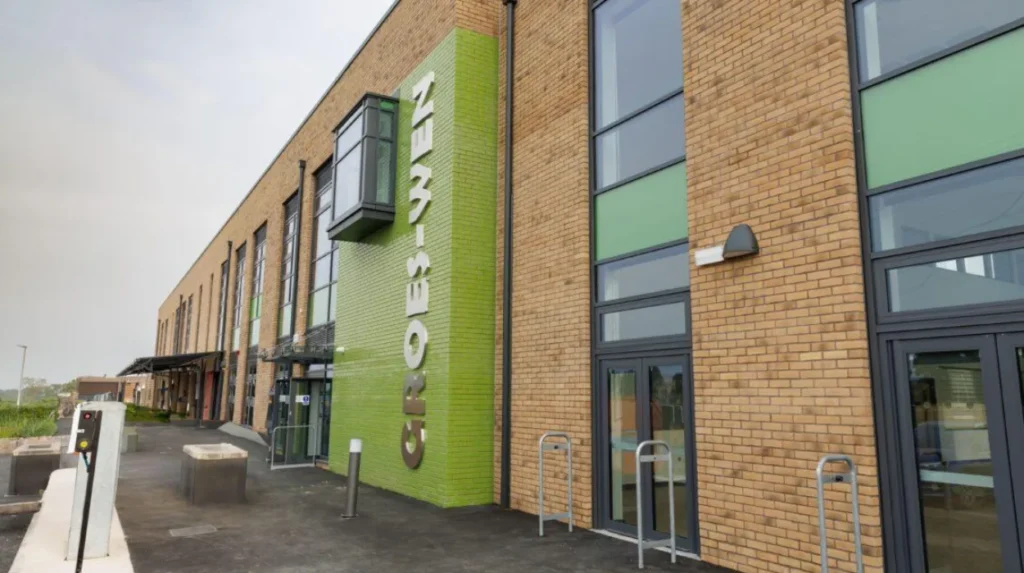
Plasdŵr is a major housing development in northwest Cardiff. Its planned residential growth has created a specific requirement for additional primary school provision serving new and existing communities.
Cardiff Council approved the establishment of primary school provision for the early phases of Plasdŵr on 24 June 2020. The approved proposal described a two-form-entry school with 420 primary places, divided between two language streams. Each stream provides 30 places per year group, with one Welsh-medium stream and one predominantly English-medium stream incorporating significant Welsh-language use.
The plan also included 48 part-time nursery places for each language stream, giving 96 part-time nursery places in total. The council identified demand from housing growth in Creigiau, St Fagans, Radyr, Morganstown and Fairwater as part of the wider planning context.
The development demonstrates how education provision can be incorporated into a large housing scheme rather than relying exclusively on existing schools. Families should consult the official Plasdŵr school provision information for the proposal’s details and check current admissions and opening arrangements separately.
St Edeyrn’s Village
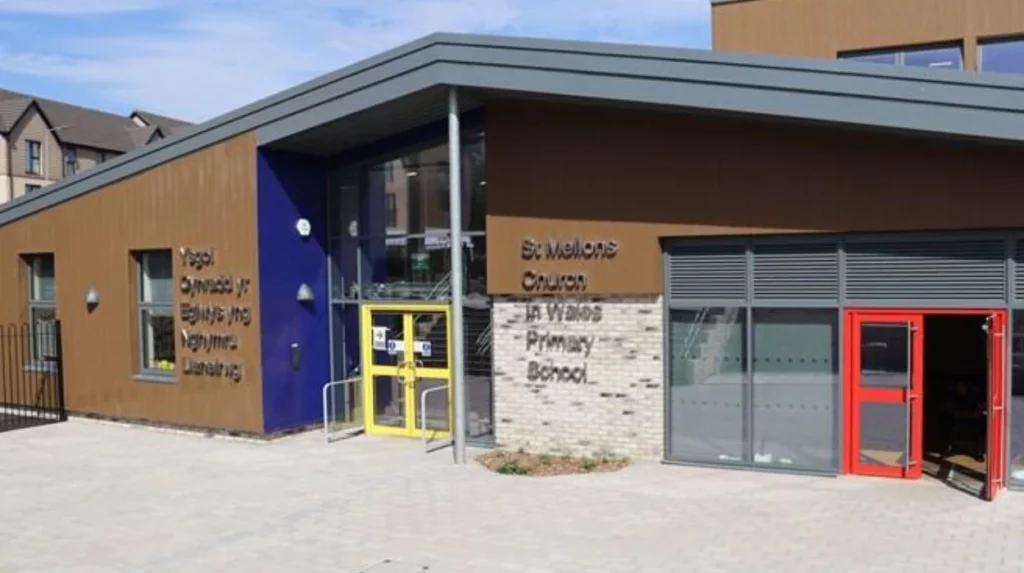
St Edeyrn’s Village is another important example of housing growth linked to new primary school provision. Cardiff Council’s development monitoring and planning documents identify a new primary school established at St Edeyrn’s Village, alongside additional provision in northwest Cardiff.
This approach recognises that the effect of new housing is not limited to the immediate development boundary. Children living in nearby established neighbourhoods also form part of the education planning picture, and school capacity must reflect the wider population.
Parents considering homes in the area should confirm which schools serve their address, whether their preferred language medium is available and whether admissions are managed through a defined catchment area or another published criterion.
Other Strategic Development Locations
Cardiff’s strategic sites are planned with supporting infrastructure, but individual projects progress at different speeds. A site identified in a development plan is not necessarily a completed neighbourhood, and a proposed school is not necessarily accepting pupils.
The council’s major development activity monitoring page is the appropriate starting point for checking planning histories and construction progress. Property buyers should then match the exact development address to the council’s education and admissions information.
How Does Cardiff Council Plan School Places for New Housing?
Cardiff Council assesses school-place demand alongside housing growth, population changes and existing capacity. Planning decisions consider where homes will be built, how many children are expected to need education and whether existing schools or new facilities can accommodate that demand.
School-place planning involves more than counting new homes. Education planners need to estimate how many children will live in each development, their ages, the schools they are likely to attend and the number of available places in surrounding communities.
A development containing family-sized houses produces a different potential education demand from a scheme dominated by studios and one-bedroom flats. Even within family housing, pupil numbers change as households move, children grow older and new residents arrive.
Assessing Existing School Capacity
Existing school capacity is a central part of the planning process. Cardiff Council considers whether nearby schools have sufficient places and whether their capacity remains sustainable as developments become occupied.
An existing school with vacant places does not automatically remove the need for a new school. Distance, admissions arrangements, language medium, additional learning needs and projected housing growth all influence the assessment.
Similarly, a new school should not be planned solely on the assumption that every new home will contain children. Some households move from elsewhere in Cardiff, and some children remain in their existing schools after their families relocate.
Coordinating School Construction With Housing Occupation
The timing of school provision affects families directly. If a development becomes occupied before its planned school opens, children need suitable alternatives while permanent provision is completed.
Cardiff Council’s strategic approach identifies schools and other community facilities as part of the infrastructure required for well-planned development. Planning agreements and developer contributions help coordinate these requirements with construction.
Families should therefore ask about the current delivery stage rather than relying on an estimated completion date in a property brochure. A planning permission, construction announcement and confirmed school opening are different milestones.
Monitoring Population and Birth Rates
Education demand changes as the population changes. Birth rates, household migration and the movement of families between neighbourhoods affect the number of children entering schools.
Cardiff’s planning documents have previously identified falling birth rates and changing migration patterns as factors affecting primary school demand. However, citywide trends do not necessarily reflect individual development areas. A neighbourhood experiencing rapid housing growth can face additional pressure even when total primary-school demand across Cardiff is declining.
The council must therefore assess local forecasts alongside wider population data. This helps it avoid both insufficient provision and unnecessary capacity that is difficult to sustain financially.
Which Primary Schools Serve Cardiff’s New Housing Estates?
The primary schools available to children in a new Cardiff housing estate depend on the property’s address, the school’s admissions arrangements and current capacity. Parents should verify their designated schools and application requirements through Cardiff Council before buying or renting a home.
Primary education is often the first school-related concern for families moving into a new development. Parents need to know which schools accept applications from their address and whether their preferred school has places available for the required academic year.
A school being geographically close does not guarantee admission. Schools operate under published admissions arrangements, and oversubscription criteria determine how applications are prioritised when demand exceeds available places.
Checking the Correct School for an Address
Parents should identify their exact property address before researching school access. Large developments often include several streets, phases and housing types, so general descriptions such as “near the local primary school” are not sufficient.
The next step is to consult Cardiff Council’s official education and school-admissions information. Families should confirm the relevant school, application deadline, required documents and any address-based criteria.
Parents buying a home before a school application opens should also check whether their circumstances qualify under the published admissions policy. They should not assume that buying a property automatically secures a place.
Understanding Nursery and Reception Places
Nursery provision and reception admission are separate matters. A nursery place does not automatically guarantee admission to reception at the same school unless the applicable arrangements explicitly provide otherwise.
Families should confirm the age at which a child becomes eligible, the application timetable and whether provision is full-time or part-time. For a new school, parents should also verify whether nursery and reception admissions begin at the same stage.
The Plasdŵr proposal illustrates this distinction by specifying primary capacity separately from part-time nursery provision. Its planned 420 primary places and 96 part-time nursery places describe different elements of the education offer.
Planning for Siblings
Families with more than one child should examine sibling-priority rules carefully. An admissions policy can give priority to eligible siblings, but the exact criteria depend on the authority’s published arrangements.
A place for an older child does not remove the need to apply for a younger sibling. Parents should check whether the children would attend the same school, whether a sibling criterion applies and how it interacts with other priorities.
Are Welsh-Medium Schools Available Near New Cardiff Developments?
Welsh-medium education is an important part of Cardiff’s school-planning process. Families considering new developments should check nearby Welsh-medium primary and secondary schools, language-stream availability, admissions criteria and the transport arrangements needed to reach their preferred school.
Welsh-medium education is delivered primarily through the Welsh language. English-medium education uses English as the main language of instruction, although schools can also teach Welsh as a subject and incorporate Welsh-language activities.
The availability of Welsh-medium places is especially relevant when housing growth changes demand within a particular part of Cardiff. A neighbourhood can have sufficient overall primary capacity while still experiencing pressure in one language stream.
How New Schools Support Language Choices
The Plasdŵr primary school proposal provides a practical example of language planning. The approved design included one Welsh-medium form of entry and one predominantly English-medium form of entry with significant Welsh-language use.
Each stream was planned to accommodate 30 pupils per year group. This created 60 primary entry places across the two streams for each year group, with 420 primary places across the school’s seven year groups.
The proposal also provided separate part-time nursery allocations for the two language streams. These figures describe the approved provision plan and should not be treated as proof of current vacancies or as a guarantee that every child will receive a place.
Checking Secondary School Progression
Primary and secondary school planning must be considered separately. A primary school near a new housing estate does not guarantee access to a particular secondary school later.
Cardiff Council has also addressed future demand for Welsh-medium secondary education. In July 2026, the council reported proposals intended to ensure that learners seeking Welsh-medium secondary places could access provision in the 2027/28 school year. The proposals included a temporary increase of 60 places at Ysgol Gyfun Gymraeg Glantaf for that year. Families should check the latest council decisions before relying on these arrangements.
Parents planning a long-term move should examine both primary and secondary options. They should also consider whether the available school transport arrangements suit their child’s age and the distance between home and school.
How Do School Catchment Areas Affect Families Buying New Homes?
School catchment areas and admissions criteria influence which schools families can apply to and how applications are prioritised. A property close to a school does not guarantee admission, so buyers should verify address-specific rules before making a housing decision.
A catchment area is a geographic area associated with a school for admissions or planning purposes. Its role depends on the local authority’s published arrangements, and it does not necessarily operate as an unconditional guarantee of a school place.
New housing developments can complicate school planning because their population grows in phases. A school that has sufficient capacity during the first phase can face different demand when more homes are occupied.
Why Boundaries and Capacity Matter
School boundaries and admissions arrangements help authorities distribute demand across available places. However, they must reflect actual capacity, local geography and changing residential patterns.
Cardiff Council has previously noted that repeated changes to catchment arrangements can disrupt families’ planning, particularly when housing construction and school provision change at different rates. The council’s education planning documents emphasise the importance of aligning additional provision with projected demand.
Parents should therefore use the latest published admissions information rather than relying on a developer’s marketing material, a neighbour’s experience or an older catchment map.
What Buyers Should Verify Before Exchange
Before exchanging contracts, buyers should check the school’s admissions criteria, current application timetable and the status of any proposed new school. Where access to a particular school is essential, they should obtain current information directly from the council.
Families should also check whether the home lies within the relevant area for the preferred school and whether oversubscription criteria affect their application. This is especially important when purchasing in an early phase of a large development, where future housing occupation changes the local population.
What Happens When Existing Schools Cannot Meet Demand?
When existing Cardiff schools cannot accommodate projected demand, the council assesses options such as new school construction, additional classrooms, expanded provision or alternative admissions arrangements. The chosen response depends on forecasts, available funding, site suitability and the timing of housing occupation.
Education authorities have several ways to respond to rising demand. The appropriate solution depends on whether pressure is temporary or long-term, whether nearby schools have room to expand and whether new residential phases will generate sustained pupil numbers.
Building a New School
A new school provides additional capacity in a growing community. It can reduce the distance children travel and support the development of a neighbourhood’s wider community infrastructure.
The Plasdŵr school proposal demonstrates how new primary provision can be incorporated into a housing development through planning arrangements. The council stated that the school was intended to serve the early phases of Plasdŵr, the wider area and some future housing developments.
A new school also requires a suitable site, construction funding, staffing, governance arrangements and a clear admissions process. These requirements mean that school delivery involves more than allocating land within a masterplan.
Expanding an Existing School
Expansion provides additional places at an established school. Depending on the site and project, this can involve additional classrooms, changes to buildings or wider improvements to facilities.
Expansion is not always the most suitable solution. Site constraints, traffic, outdoor space, school organisation and future demand affect whether an existing school can accommodate more pupils.
Managing Temporary Pressure
Temporary pressure occurs when demand rises for a limited period or when housing becomes occupied before permanent facilities are ready. Authorities assess the scale and expected duration of the pressure before deciding how to respond.
Families should check the latest official information if a development is still being built. A proposed future school does not itself establish that interim places, transport or temporary facilities have been confirmed.
How Do Developer Contributions Help Fund Schools Near New Housing?
Developer contributions help fund infrastructure needed to support new housing, including education facilities where planning requirements justify the investment. Cardiff’s planning framework uses infrastructure planning and relevant planning obligations to connect development growth with the needs of existing and future communities.
Developer contributions are payments, land transfers or other commitments associated with planning permission. They help address the additional infrastructure requirements generated by a development and can support facilities that serve both new and existing residents.
Cardiff’s adopted Local Development Plan states that major strategic housing developments must provide sufficient community facilities through planning obligations or the Community Infrastructure Levy, where applicable. The plan also identifies the need to negotiate land, buildings or financial contributions for community facilities associated with other significant residential developments.
The Community Infrastructure Levy is a planning charge used by participating authorities to help fund infrastructure. Planning obligations are legally binding commitments associated with specific developments. Their use and scope depend on the applicable planning framework and the circumstances of each proposal.
How Education Requirements Are Assessed
School-related contributions need to reflect the additional demand generated by development and the availability of existing or committed capacity. The assessment considers the number of pupils expected from new homes and the facilities needed to serve them.
The UK government’s planning guidance on education infrastructure explains the general principles of aligning development with school provision. Its guidance applies to England, so Cardiff’s specific decisions must be understood through the Welsh planning framework and the council’s own policies. The underlying planning principle remains that housing and essential infrastructure need coordinated delivery.
Families should not assume that every new housing development automatically funds a complete school. The amount and type of provision depend on the approved planning arrangements, projected demand and the infrastructure strategy for the area.
How Can Parents Check School Availability Before Moving to Cardiff?
Parents can check school availability by identifying the exact property address, reviewing Cardiff Council’s admissions guidance, contacting relevant schools and confirming the status of planned facilities. They should verify current vacancies, application deadlines, language provision and transport arrangements before finalising a move.
Reliable school research starts with official information rather than property advertisements. Developers can describe planned community facilities, but the local authority and individual schools provide the information families need for admissions and current availability.
Follow a Practical Verification Process
First, obtain the full address of the property. Check the surrounding schools and identify the primary and secondary options relevant to the family.
Second, review Cardiff Council’s current school-admissions guidance. Confirm application deadlines, eligibility rules, oversubscription criteria and the documents required to apply.
Third, contact the relevant schools or council admissions team. Ask about current places, waiting-list procedures, the admissions year and the status of any school planned for the development.
Fourth, check the preferred language medium and any additional learning support required. Families needing specialist provision should establish how those needs are assessed and which services are available.
Finally, investigate the journey to school. Walking routes, bus services, road crossings and school transport eligibility affect daily arrangements, particularly when the nearest suitable school is outside the immediate neighbourhood.
Distinguish Current Provision From Future Plans
School information should be classified by delivery stage. An existing school with published admissions arrangements is different from a school that has received planning approval or remains at proposal stage.
Parents should look for evidence of construction progress, confirmed opening arrangements and published admissions information. Where dates are not confirmed, they should ask the council for the latest position instead of assuming that a school will open before their child starts school.
How Will Cardiff’s Future Housing Growth Affect School Provision?
Cardiff’s future housing growth will continue to influence where education places are needed, how schools are funded and which neighbourhoods require additional facilities. Long-term planning must account for construction rates, household movement, birth rates, language preferences and changing demand.
Cardiff’s Replacement Local Development Plan covers the period from 2021 to 2036. It provides a framework for deciding where future development should take place and how the city’s infrastructure should support growth.
The council’s Local Housing Market Assessment identifies a need for additional housing over a 15-year period, including 14,407 affordable homes and 11,490 market homes. These figures represent assessed housing requirements rather than a count of completed homes or a direct forecast of school places. Cardiff Council’s housing assessment explains the purpose of this work.
Housing numbers alone do not determine school demand. Education planners must estimate the number of children generated by different types of homes, account for local population movements and consider how many pupils remain in existing schools after relocating.
Planning for Changing Family Needs
New neighbourhoods require more than school buildings. Families also need nursery provision, safe walking routes, transport links, accessible facilities and support for children with additional learning needs.
The infrastructure needed in a development changes over time. Early phases can attract younger households, while established neighbourhoods later experience children progressing from primary to secondary education. Planning must account for these transitions rather than focusing exclusively on the first years of occupation.
Monitoring Delivery and Demand
Ongoing monitoring helps the council compare planned infrastructure with actual housing construction and population changes. If fewer homes are built than expected, the projected timing or scale of school demand can change. Faster construction can create pressure earlier than anticipated.
Cardiff’s major development monitoring programme provides information about strategic sites and their progress. Parents and homebuyers should consult these records alongside school admissions information when assessing future access to education.
Explore More Area Guide
School Costs in Cardiff: A Parent’s Budget Guide
Cardiff School Holidays and Term Dates 2026–2027: Full Guide
What Should Families Consider When Choosing a Cardiff Development Near Schools?
Families choosing a new Cardiff home should assess school access, admissions eligibility, language preferences, travel time and the confirmed status of future facilities. Comparing these factors with the property’s location helps parents make informed decisions about education and long-term residential suitability.
School proximity is an important part of a family housing decision, but distance alone does not determine whether a property meets educational needs. Parents should assess the entire journey from home to school and the likelihood of securing a suitable place.
Families with nursery-age children should check early-years provision and reception admissions separately. Those with primary-age children should investigate current availability and future secondary progression. Households seeking Welsh-medium education should confirm language-stream options at both education stages.
Transport also deserves attention. A school that appears close on a map can involve difficult road crossings, limited walking routes or a journey that becomes inconvenient during peak traffic. Families should assess the actual route and verify any school transport eligibility.
Finally, future plans should be treated as plans until delivery is confirmed. A new development’s masterplan can include land for a school without establishing its opening date or current admissions arrangements. Official council information provides the most reliable basis for checking the status of a project.
Finding Schools Near New Housing Developments in Cardiff
Cardiff’s new housing developments demonstrate the importance of coordinating residential growth with school capacity and community infrastructure. Plasdŵr and St Edeyrn’s Village provide examples of new primary provision linked to growing neighbourhoods, while the city’s wider planning framework connects housing delivery with education, transport and community facilities.
For families, the most important step is to verify school access for the exact property they are considering. Parents should confirm current admissions arrangements, available places, Welsh-medium options, transport needs and the delivery status of proposed schools.
Cardiff Council’s development monitoring and education information should remain the starting point for decisions. Checking official records before moving helps families distinguish confirmed provision from future proposals and make better-informed choices about where to live.
Which Cardiff schools are near new housing developments?
Plasdŵr in northwest Cardiff and St Edeyrn’s Village are examples of housing developments associated with new primary school provision. Families should check Cardiff Council’s latest school and admissions information for current availability.