Cardiff is one of Wales’s most accessible cities for exploring by bicycle, with riverside paths, dedicated cycle routes, traffic-free sections and connections to parks, residential neighbourhoods and nearby countryside. Cycling around Cardiff offers a practical way to commute, exercise and visit local attractions while reducing dependence on cars.
- What Makes Cardiff a Good City for Cycling?
- What Are the Best Cycling Routes Around Cardiff?
- How Can Cyclists Plan a Safe Journey Across Cardiff?
- What Are the Cycling Rules in Cardiff and Wales?
- Can You Cycle on Pavements in Cardiff?
- Are Cyclists Allowed to Use Cycle Lanes and Bus Lanes?
- What Lights and Safety Equipment Must a Bicycle Have?
- Must Cyclists Obey Traffic Lights and Road Signs?
- How Can Cyclists Stay Safe on Cardiff Roads?
- Where Can You Park a Bicycle in Cardiff?
- Is Cardiff Suitable for Family Cycling and Beginner Cyclists?
- How Does Cycling Support Cardiff’s Transport and Environment Goals?
- What Should You Know Before Cycling Around Cardiff?
The city’s cycling network includes the Taff Trail, routes alongside the River Taff, connections through Bute Park and Cardiff Bay, and local cycling infrastructure managed by Cardiff Council and Transport for Wales. Each route offers a different experience, from short recreational rides to longer journeys beyond the city.
Understanding Cardiff’s cycling routes and local rules helps cyclists plan safer journeys. Riders need to know where shared paths operate, how cycle lanes work, which road rules apply, where bicycles can be parked and what equipment improves visibility. This guide explains the main routes, legal requirements and practical considerations for cycling in Cardiff.
What Makes Cardiff a Good City for Cycling?
Cardiff is suitable for cycling because its transport network includes dedicated cycle routes, riverside paths, parks and connections between residential areas and major destinations. The city also provides cycling infrastructure for commuting and recreation, although route conditions vary by location.
Cardiff is the capital of Wales and its largest city. It combines a compact central area with residential districts, waterfront destinations, parks and access to the wider South Wales countryside. These geographical features create opportunities for short urban journeys and longer recreational rides.
Cycling connects important destinations such as Cardiff city centre, Cardiff Bay, Cardiff University, Bute Park and residential communities along the River Taff. Riders also use bicycles for journeys to work, education, shopping and leisure activities.
The city’s cycling infrastructure includes segregated cycle tracks, painted cycle lanes, shared pedestrian and cycling paths, and quieter streets suitable for cycling. Segregated routes separate bicycles from motor traffic using physical barriers or dedicated space. Painted lanes mark cycling space on the road but do not provide the same physical separation.
Cardiff’s landscape also supports recreational cycling. The River Taff provides a natural corridor through the city, while parks and green spaces offer opportunities for quieter rides. Routes extending north connect the urban area with places such as Tongwynlais and the wider Taff Valley.
However, not every street provides dedicated cycling infrastructure. Busy junctions, narrow roads, roadworks and pedestrian activity require careful planning. Cyclists should check current route information before travelling, especially when using unfamiliar roads or planning longer journeys.
What Are the Best Cycling Routes Around Cardiff?
The best cycling routes around Cardiff include the Taff Trail, Bute Park paths, Cardiff Bay Trail and routes through Roath Park. Each offers different distances, scenery and traffic conditions, allowing commuters, families and experienced cyclists to choose suitable journeys.
Cardiff’s cycling routes vary from short park circuits to longer regional trails. The most suitable option depends on the rider’s experience, preferred distance, surface conditions and whether the journey is recreational or practical.
Taff Trail
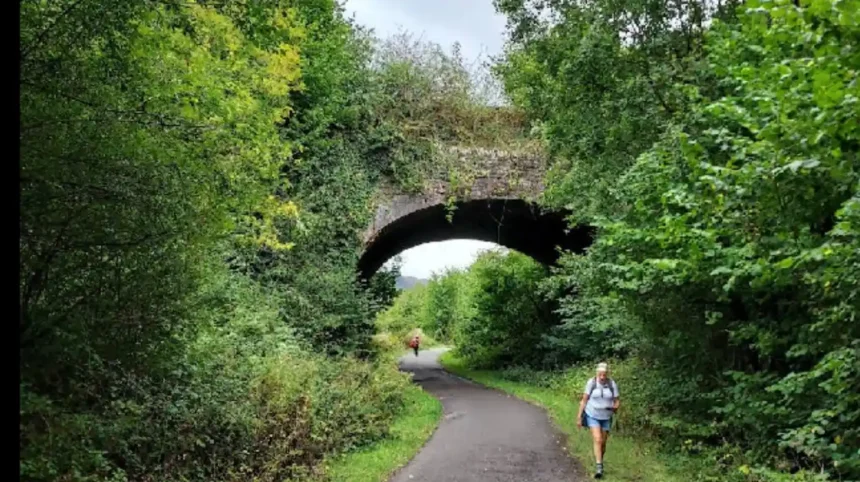
The Taff Trail is one of the best-known cycling routes in South Wales. It connects Cardiff with the Brecon Beacons area, now part of Bannau Brycheiniog National Park, passing through river valleys, towns and countryside. Sustrans lists the Cardiff-to-Brecon route at approximately 55 miles (88.5 kilometres).
The Cardiff section follows the River Taff and provides access to several green spaces and northern suburbs. Cyclists can begin near Cardiff city centre and follow the route towards Tongwynlais, where Castell Coch, a Victorian Gothic Revival castle, stands among wooded hills.
The trail includes traffic-free paths and sections where cyclists encounter roads or other users. Surface conditions vary, so riders should check the route before setting out. Beginners can choose a shorter ride along the river rather than attempting the entire Cardiff-to-Brecon journey.
Bute Park Cycling Routes
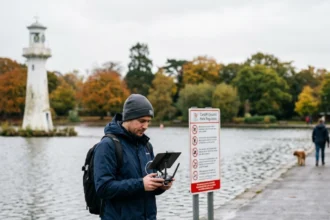
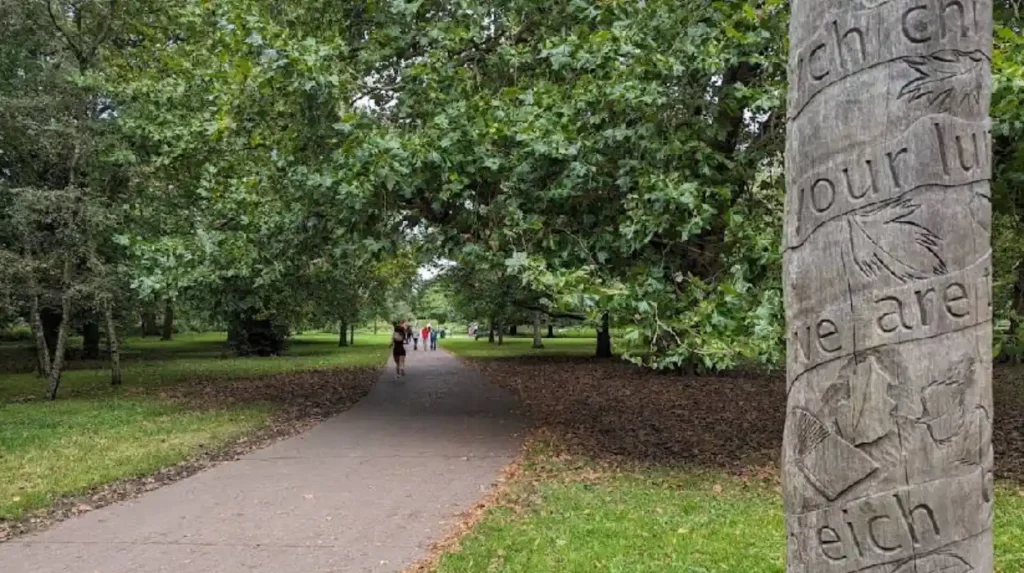
Bute Park is a large public park beside Cardiff Castle and the River Taff. Its paths connect the city centre with riverside green space, making it useful for short recreational rides and journeys through central Cardiff.
Cyclists should follow local signs and distinguish permitted cycling routes from pedestrian-only areas. Paths become busier during weekends, public events and periods of good weather. Slow riding and giving pedestrians sufficient space are essential on shared routes.
Bute Park also provides a convenient starting point for longer journeys towards Llandaff and the northern parts of Cardiff. Riders should check current park access arrangements and event restrictions before travelling.
Cardiff Bay Cycling Routes
Cardiff Bay offers cycling opportunities around the waterfront, the former docklands and nearby attractions. The area includes public spaces, pedestrian routes and connections towards the city centre.
A ride around Cardiff Bay can include views of the Wales Millennium Centre, the Senedd and the waterfront. The route is suitable for recreational cycling, but pedestrians are common near cafés, attractions and waterfront promenades.
Cyclists must follow signs identifying shared paths and restricted areas. Where cycling is not permitted, riders should dismount and walk their bicycles.
Roath Park and Eastern Cardiff
Roath Park provides a recreational destination in eastern Cardiff, with landscaped grounds, a lake and walking paths. The surrounding neighbourhoods of Roath, Penylan and Cyncoed connect with the city’s wider cycling network.
Cardiff Council’s proposed Cycleway 6 connects the city centre with Plasnewydd, Penylan, Cyncoed and Roath Park. The council has reported that the first phase of this route has started. The status of individual sections should be checked through the council’s latest cycleway information.
Cyclists should plan their approach using signed cycle routes and quieter streets where available. Paths within the park have significant pedestrian use, so riders should check local signs before cycling through particular sections.
How Can Cyclists Plan a Safe Journey Across Cardiff?
Cyclists can plan safe journeys across Cardiff by choosing suitable routes, checking current path conditions, inspecting their bicycles and allowing enough time for junctions and shared paths. Cardiff Council’s cycling map helps riders identify routes and connections before departure.
Route planning is important because Cardiff’s cycling network contains different types of infrastructure. A journey that starts on a protected cycle track can continue onto a shared path or ordinary road.
Cardiff Council publishes walking and cycling information, including a free map designed to help people plan journeys around the city. Its cycleway programme also outlines planned connections between residential communities, the city centre and Cardiff Bay.
Before leaving, cyclists should check whether roadworks, construction or public events affect their route. Digital maps are useful, but on-street signs and temporary diversions take priority when conditions change.
For longer rides, carrying water, a charged mobile phone, a repair kit and a suitable lock improves preparedness. Riders should check tyre pressure, brakes, lights and the chain before setting off.
Weather conditions also affect route choice. Rain increases the risk of slipping on painted road markings, metal covers and wet leaves. Strong winds can affect stability on exposed routes, especially around the waterfront.
What Are the Cycling Rules in Cardiff and Wales?
Cyclists in Cardiff must follow the Highway Code, traffic signs and applicable road laws in Wales. Key requirements include stopping at red lights, using required lights after dark, avoiding pavement cycling and giving pedestrians appropriate consideration on shared paths.
The Highway Code applies throughout Wales, including Cardiff. It explains legal obligations and recommended behaviour for cyclists, pedestrians and motor vehicle users. Rules using the words “MUST” and “MUST NOT” identify legal requirements.
Can You Cycle on Pavements in Cardiff?
Cycling on ordinary pavements is prohibited under the Highway Code, except where a specific legal arrangement permits it. Designated shared-use paths are different because signs identify areas where cyclists and pedestrians are allowed to travel together.
Rule 64 states that cyclists must not cycle on pavements. Rule 62 explains that cyclists using shared paths should keep to the designated cycling side where a separation exists and take care when passing pedestrians.
Cyclists should look for blue cycle signs, shared-use symbols and pavement markings. If signs indicate that a section is for pedestrians only, riders should dismount and walk.
Are Cyclists Allowed to Use Cycle Lanes and Bus Lanes?
Cyclists can use designated cycle lanes and tracks where permitted, while bus lanes are available to cyclists only when the relevant signs allow it. Riders must follow lane markings, traffic signals and restrictions applying to the specific road.
Cycle lanes are commonly marked with white lines, while cycle tracks can be physically separated from motor traffic. The Highway Code states that cyclists are not legally required to use every cycle facility, but they should choose facilities that make their journeys safer and easier.
Bus lane permissions vary by location and operating hours. Cyclists should read the signs at the entrance to a bus lane instead of assuming that every lane allows bicycles.
What Lights and Safety Equipment Must a Bicycle Have?
A bicycle ridden at night must have a lit white front light and a lit red rear light, together with the legally required rear reflector. Amber pedal reflectors are also required on bicycles manufactured after 1 October 1985, subject to the applicable lighting regulations.
The Highway Code recommends a correctly fitted helmet, visible clothing and reflective accessories. These recommendations improve visibility and protection but do not make every item compulsory under general cycling law.
Cyclists should check their lights before evening journeys, especially during winter when daylight hours are shorter. A steady front light is recommended on routes without street lighting.
Must Cyclists Obey Traffic Lights and Road Signs?
Cyclists must obey traffic lights, road signs and applicable traffic restrictions. Riding through a red light is prohibited, including at junctions with advanced stop lines designed to give cyclists space ahead of motor vehicles.
At an advanced stop-line junction, cyclists must not cross the final stop line while the signal is red. At a toucan crossing, which accommodates both pedestrians and cyclists, riders can cycle across when the appropriate green signal appears.
Cyclists should signal before turning when it is safe to do so and check behind them before changing position. At roundabouts, they need to watch for vehicles entering or leaving the junction and avoid riding in areas where large vehicles cannot see them.
How Can Cyclists Stay Safe on Cardiff Roads?
Cyclists can improve road safety in Cardiff by remaining visible, maintaining a predictable road position, checking for turning vehicles and leaving space beside parked cars. Extra caution is necessary at busy junctions, roundabouts, narrow streets and shared pedestrian routes.
Cardiff’s urban roads include buses, delivery vehicles, parked cars and pedestrians. Cyclists need to anticipate how these road users move, particularly around junctions and shopping areas.
The Highway Code recommends leaving approximately one metre, or a door’s width, when passing parked vehicles to reduce the risk of a suddenly opened car door. It also advises cyclists to look for potholes, drains and other road obstructions before changing position.
At junctions, cyclists should make eye contact with drivers when possible, signal clearly and avoid positioning themselves in vehicle blind spots. Large vehicles require particular care because drivers have restricted visibility around their sides and rear.
On shared paths, cyclists should reduce speed near pedestrians and give clear warning before passing. A bell helps communicate an approaching bicycle, but riders must still allow sufficient space and stop when necessary.
Group cycling is permitted, including riding two abreast where appropriate. Cyclists should remain considerate of traffic behind them and move into single file when this allows a safe overtake.
Where Can You Park a Bicycle in Cardiff?
Cyclists in Cardiff should use designated cycle stands or secure cycle parking rather than obstructing pavements, entrances or pedestrian routes. Cardiff Council also provides secure cycle lockers at selected locations, with booking and pricing information available online.
Suitable bicycle parking helps prevent theft and keeps public spaces accessible. Riders visiting the city centre should look for fixed cycle stands or secure facilities near their destination.
Cardiff Council lists secure cycle lockers operated through Spokesafe and Bikedok at locations including Cardiff Castle, Churchill Way, Queen Street and Central Square. Availability depends on the facility, and the council’s published information provides booking options and prices.
A strong lock remains important when using ordinary cycle stands. Cyclists should secure the frame and, where possible, a wheel to a fixed stand. They should avoid leaving bicycles where they obstruct wheelchair users, people with pushchairs or people with limited vision.
For longer visits, check the current opening arrangements, booking requirements and charges for the chosen facility. Secure cycle lockers are particularly useful for commuters who need to leave a bicycle in the city centre during working hours.
Is Cardiff Suitable for Family Cycling and Beginner Cyclists?
Cardiff offers family cycling opportunities through selected park routes, riverside paths and quieter connections between neighbourhoods. Beginners should start with short, familiar journeys, choose suitable traffic-free sections and check signs before entering shared-use paths.
Families can consider sections of the Taff Trail, suitable paths around Bute Park and routes near Roath Park. However, not every park path is open to cycling, and traffic-free sections still contain pedestrians and other path users.
Children should use bicycles that fit properly and have working brakes. Adults should choose routes based on the youngest rider’s confidence, the surface, crossing points and access to rest stops.
Parents should explain how to stop safely, look for pedestrians and approach road crossings. Younger children need close supervision, particularly where paths meet roads or become crowded.
Beginners can also practise starting, stopping and signalling in a quiet, open area before using shared routes. When planning a family ride, check the return journey as well as the outward route, especially if the route includes hills or longer distances.

Explore More Area Guide
Park and Ride vs Driving Into Cardiff: Costs and Benefits
Cardiff Train Stations With Parking: A Complete Travel Guide
How Does Cycling Support Cardiff’s Transport and Environment Goals?
Cycling supports Cardiff’s transport goals by offering an alternative to short car journeys, improving access to local destinations and reducing traffic-related emissions when it replaces motor vehicle travel. The city’s cycleway programme aims to improve connections between communities and key destinations.
Cardiff Council is developing proposals for six cycleways linking neighbourhoods with destinations such as the city centre, Cardiff Bay, Roath Park and areas in north-west Cardiff. These proposals form part of the city’s wider active travel planning.
Active travel refers to journeys made through physical activity, particularly walking and cycling. A connected network makes it easier for residents to travel to work, education, shopping and leisure destinations without relying entirely on cars.
Replacing a car journey with a bicycle reduces the direct emissions associated with that journey. The overall environmental benefit depends on the journey being replaced, the transport alternatives available and how the bicycle is used.
Cycling infrastructure also supports access to public transport. Riders can use bicycles for the first or last part of a journey, provided they follow station access rules and arrange suitable bicycle parking.
Future improvements depend on funding, construction schedules, consultation and local transport priorities. Riders should check Cardiff Council’s current cycleway updates instead of assuming that every proposed route is already complete.
What Should You Know Before Cycling Around Cardiff?
Cyclists should choose a route suited to their ability, check local signs, maintain their bicycles and follow the Highway Code. Cardiff’s riverside trails, parks, waterfront routes and developing cycleways offer varied options for commuting and recreation.
Cardiff provides cycling opportunities for different experience levels, from short rides through green spaces to longer journeys along the Taff Trail. The best route depends on the destination, distance, surface and amount of interaction with motor traffic.
The Taff Trail is a strong option for riders seeking a longer journey, while Bute Park and Cardiff Bay provide convenient destinations for shorter rides. Routes towards Roath Park offer further options in eastern Cardiff, subject to local path restrictions.
Before each journey, check the weather, bicycle condition, route diversions and parking arrangements. Follow traffic signals, use lights at night and give pedestrians priority on shared paths.
For current route information, consult Cardiff Council’s official walking and cycling pages and the Department for Transport’s Highway Code. These resources help cyclists understand the city’s infrastructure and the rules that apply across Wales.
Cycling around Cardiff is most practical when route planning, road awareness and consideration for other people are part of every journey.
What are the best cycling routes around Cardiff?
The best cycling routes around Cardiff include the Taff Trail, Bute Park, Cardiff Bay and routes near Roath Park. These options provide riverside scenery, green spaces and connections to local attractions for recreational cyclists and commuters.