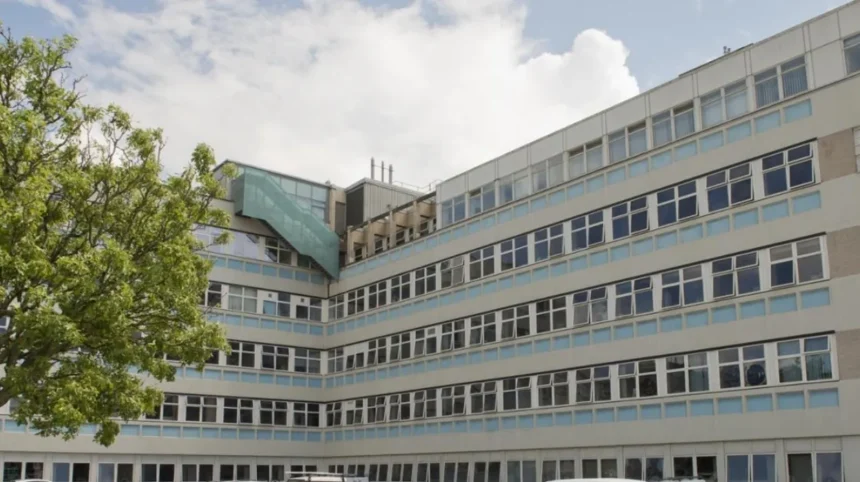
Dental services in Cardiff provide preventive, diagnostic, emergency and restorative treatment for children, adults and older residents. These services operate through NHS Wales, private dental practices, community dental clinics and specialist hospital departments. Residents can access routine examinations, fillings, tooth extractions, root canal treatment, dentures, crowns and emergency dental care according to their clinical needs and eligibility.
- What Dental Services Are Available in Cardiff?
- How Can Cardiff Residents Find an NHS Dentist?
- How the Wales Dental Access Portal Works
- Contacting Existing Dental Practices
- What Should New Patients Check?
- What NHS Dental Charges Apply in Cardiff in 2026?
- Current NHS Dental Treatment Prices
- Who Qualifies for Free NHS Dental Care?
- How Can Residents Check Their Eligibility?
- Where Can Cardiff Residents Get Emergency Dental Treatment?
- How Does the Cardiff Emergency Dental Helpline Work?
- Which Dental Problems Require Emergency Attention?
- What Should Patients Do Outside Normal Dental Hours?
- What Dental Treatments Can Cardiff Residents Receive?
- Preventive Dental Treatment
- Restorative Dental Treatment
- Gum Disease Treatment
- Cosmetic Dental Treatment
- Orthodontic Treatment
- Which Dental Facilities and Specialist Services Are Available in Cardiff?
- University Dental Hospital Cardiff
- Community Dental Services in Cardiff
- Dental Practices Across Cardiff
- What Changes Did the New NHS Dental Contract Introduce in Wales?
- A Shift Towards Preventive Dentistry
- Changes to Dental Practice Payments
- What Does the Reform Mean for Cardiff Residents?
- How Can Cardiff Residents Maintain Good Oral Health?
- Follow a Consistent Brushing Routine
- Clean Between the Teeth
- Reduce Sugar Consumption
- Attend Dental Assessments
- Protect Children’s Dental Health
- How Should Residents Choose Between NHS and Private Dental Care in Cardiff?
- Understanding NHS Dentistry
- Understanding Private Dentistry
- Questions to Ask Before Selecting a Dentist
- What Is the Future of Dental Services in Cardiff?
Cardiff’s dental care system is part of the wider Welsh NHS healthcare network. Cardiff and Vale University Health Board oversees local NHS dental services, including emergency dental provision and community-based care. Private dental practices also operate throughout the city, providing additional appointment options and treatments.
Understanding how dental services work helps Cardiff residents choose appropriate treatment, understand NHS charges, identify emergency services and maintain good oral health. The introduction of a new NHS dental contract on 1 April 2026 also changed how dental practices organise patient care and preventive appointments across Wales.
What Dental Services Are Available in Cardiff?
Cardiff residents can access NHS and private dental services covering routine examinations, preventive care, fillings, extractions, root canal treatment, crowns, dentures and emergency appointments. Specialist services also support patients who need orthodontic, oral surgery or additional clinical care.
Dental services in Cardiff form an important part of the city’s primary healthcare system. General dental practices provide the first point of contact for most oral health concerns. These practices assess dental conditions, identify potential problems and recommend appropriate treatment.
The main providers include NHS general dental practices, private dental clinics, community dental services and hospital-based specialist departments. Each provider serves different patient requirements.
NHS General Dental Practices
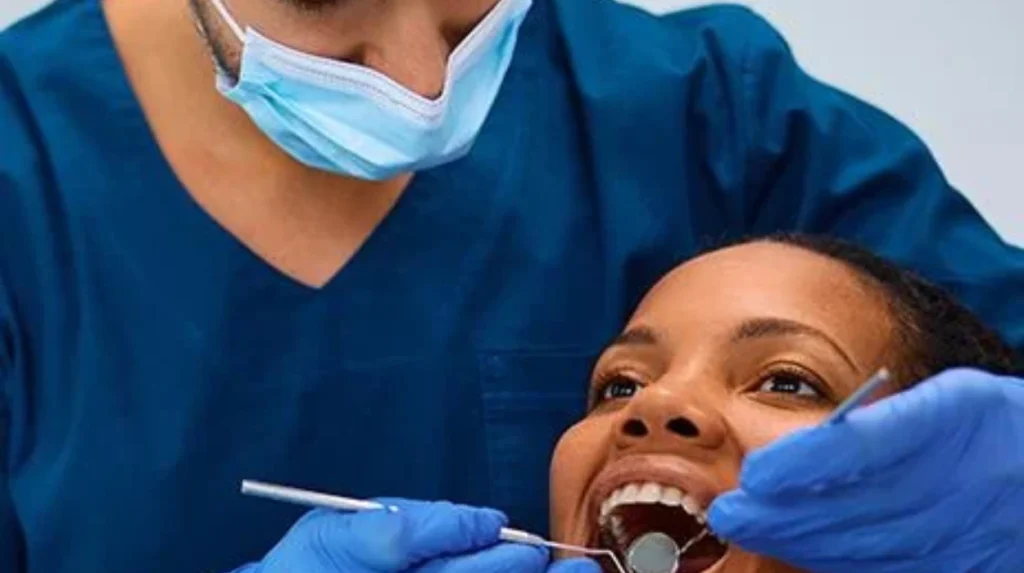
NHS general dental practices provide dental treatment funded partly or fully through the Welsh NHS system. Patients receive clinically necessary treatment under NHS arrangements, subject to eligibility, availability and applicable charges.
Common NHS treatments include:
- Dental examinations and diagnostic assessments.
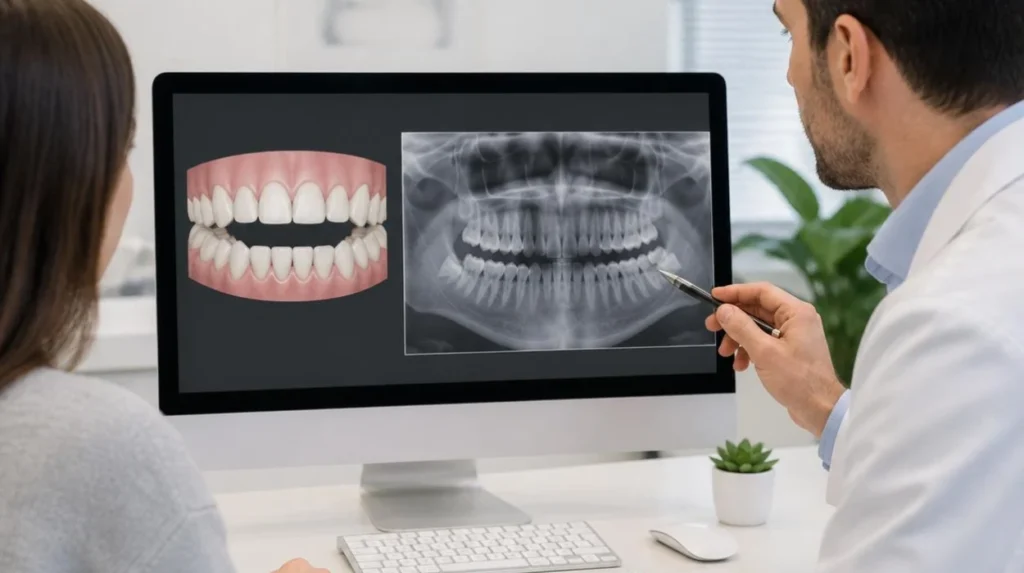
- Dental X-rays where clinically necessary.
- Preventive oral health advice.
- Tooth fillings and restorations.
- Tooth extractions.
- Root canal treatment.
- Gum disease treatment.
- Dentures and clinically appropriate crowns.
NHS dental practices prioritise treatment according to clinical need. Patients should contact individual practices to confirm whether they accept new NHS patients.
Private Dental Clinics
Private dental clinics provide treatment outside NHS-funded arrangements. Patients pay the practice directly according to its treatment fees.
Private dentistry commonly includes routine examinations, cosmetic dentistry, dental implants, teeth whitening, orthodontics and advanced restorative procedures.
Some Cardiff practices also offer flexible appointment times and treatment packages. Prices, available procedures and payment arrangements differ between providers.
Community Dental Services
Community dental services support patients who experience difficulties accessing ordinary dental practices.
These services are particularly important for people with additional healthcare needs, disabilities, complex medical conditions or significant anxiety that affects dental treatment.
Cardiff and Vale University Health Board provides community dental services for eligible patients. Referrals and access arrangements depend on individual clinical requirements.
Hospital Dental Services
Hospital dental departments provide specialist assessment and treatment for conditions requiring hospital-based facilities or multidisciplinary clinical support.
The University Dental Hospital in Cardiff is an important specialist dental facility. Hospital services support patients referred for specialist assessment, oral surgery and complex dental treatment.
How Can Cardiff Residents Find an NHS Dentist?
Cardiff residents seeking routine NHS dental treatment should contact existing dental practices or register their interest through the Wales Dental Access Portal. The portal helps health boards allocate available NHS dental places to eligible people who need routine care.
Finding an NHS dentist is an important concern for residents who need affordable dental treatment. However, NHS dental practices do not automatically accept every patient who requests registration.
The Welsh Government introduced the Dental Access Portal to provide a national route for people seeking routine NHS dental care.
How the Wales Dental Access Portal Works
The Dental Access Portal is an online registration service developed by Digital Health and Care Wales.
It allows people without an NHS dentist to register their interest in receiving routine dental treatment. Health boards use the register to help allocate available places at participating dental practices.
Applicants must meet the eligibility requirements.
For individual applications, residents must:
- Be aged 16 or over.
- Live at an address in Wales for more than six months of the year or attend a Welsh GP practice.
People can also submit applications on behalf of children under 16, relatives, friends and individuals they support.
Registering interest does not guarantee an immediate appointment. Applicants receive contact when an appropriate NHS dental place becomes available.
Contacting Existing Dental Practices
Residents who previously received NHS treatment from a dental practice should contact that practice directly.
Welsh Government guidance states that patients who received NHS dental treatment within the previous three years should approach their former practice for routine or emergency appointments.
If returning to the previous practice is not possible, residents can register through the Dental Access Portal.
What Should New Patients Check?
Before accepting an appointment, residents should confirm whether the practice offers NHS or private treatment.
They should also ask about:
- Availability of new NHS patient places.
- Appointment waiting times.
- Initial assessment charges.
- Treatment costs and exemptions.
- Emergency appointment arrangements.
- Accessibility and communication support.
These checks help patients understand their treatment options before attending a dental practice.
What NHS Dental Charges Apply in Cardiff in 2026?
NHS dental charges in Cardiff follow the Welsh Government’s national pricing system. Since 1 April 2026, charges have been organised into treatment-based care packages, with a maximum patient charge of £384 for qualifying courses of treatment delivered together.
NHS dental charges in Wales differ from those in England. Cardiff residents receive dental treatment under Welsh NHS regulations rather than the English NHS dental band system.
The Welsh Government introduced revised charges alongside its new general dental services contract in April 2026.
Current NHS Dental Treatment Prices
These prices represent patient charges rather than the full cost of providing treatment.
The simple restorative package covers fillings, temporary crowns, Hall crowns and extractions involving up to four teeth. Extensive restorative treatment covers similar procedures involving five to eight teeth.
The periodontal package provides treatment for eligible patients with gum disease. The denture package includes upper and lower dentures, although laboratory charges can apply separately.
The crown and bridge package includes specified restorative work, subject to clinical requirements and package conditions.
The maximum charge for a course of treatment, or multiple courses delivered at the same time, is £384. Some laboratory charges are excluded from this limit.
Who Qualifies for Free NHS Dental Care?
Certain groups qualify for free NHS dental treatment in Wales.
These include:
- Children under 18.
- People aged 18 who receive full-time education.
- Pregnant women.
- Women who have given birth within the 12 months before treatment begins.
- Eligible NHS hospital dental patients.
- People receiving qualifying benefits, including certain Universal Credit and Pension Credit recipients.
- People who qualify through the NHS Low Income Scheme.
- People holding a valid NHS tax credit exemption certificate.
Dental examinations are also free for people under 25 and those aged 60 or over in Wales.
However, free examinations do not automatically mean that every subsequent treatment is free. Patients should confirm their eligibility and the charges for any additional treatment.
Residents claiming an exemption should provide the required evidence. Incorrect exemption claims can result in penalty charges.
How Can Residents Check Their Eligibility?
Residents can use the official NHS eligibility checker to establish whether they qualify for free dental treatment or financial assistance.
The Welsh Government also provides guidance on claiming refunds for dental charges when patients discover that they were entitled to financial support.
Checking eligibility before treatment helps prevent unexpected dental expenses.
Where Can Cardiff Residents Get Emergency Dental Treatment?
Cardiff residents experiencing severe toothache, facial swelling, dental injuries or excessive bleeding can contact the Cardiff and Vale emergency dental helpline on 0300 10 20 247. The service operates 24 hours a day, seven days a week.
Emergency dental services provide assessment and treatment for conditions requiring prompt clinical attention. They help patients manage severe pain, dental trauma, infections and other urgent oral health problems.
Cardiff and Vale University Health Board operates the CAV 24/7 emergency dental advice service.
How Does the Cardiff Emergency Dental Helpline Work?
Residents can call 0300 10 20 247 when they experience an urgent dental problem.
The service covers Cardiff and the Vale of Glamorgan.
A call handler initially collects information about the patient’s symptoms and checks for potentially life-threatening concerns. A clinician then assesses the situation and determines the appropriate care pathway.
Depending on the clinical assessment, patients receive:
- Advice about managing dental pain.
- Guidance on appropriate pain relief.
- An urgent dental appointment when necessary.
- Referral to a community dentist.
- Referral to a primary care dental practice.
- Referral to the University Dental Hospital or maxillofacial team when appropriate.
Urgent appointments are available between 08:00 and 17:00, seven days a week, when clinically appropriate. The telephone advice service remains available overnight, but dental appointments are not provided overnight.
Which Dental Problems Require Emergency Attention?
Several dental conditions require urgent assessment.
Severe toothache: Persistent or intense tooth pain that does not respond to ordinary pain relief requires professional assessment. Causes include tooth decay, dental infections and damaged teeth.
Facial or gum swelling: Swelling around the mouth, jaw or face can indicate a dental infection. Rapidly increasing swelling requires urgent attention.
Knocked-out teeth: A permanent tooth knocked out during an accident requires immediate dental advice. Prompt treatment improves the possibility of successful reimplantation.
Uncontrolled bleeding: Excessive bleeding following a dental extraction or injury requires urgent clinical assessment.
Dental trauma: Broken teeth, damaged restorations and injuries to the mouth require assessment to prevent further complications.
Breathing difficulties, serious swallowing problems or rapidly spreading swelling involving the neck require emergency medical assistance through 999 or an emergency department. These symptoms indicate a potentially serious medical emergency rather than an ordinary dental appointment.
What Should Patients Do Outside Normal Dental Hours?
Patients experiencing dental pain outside normal practice hours should contact the CAV 24/7 helpline.
The clinician assesses symptoms and provides advice while determining whether an urgent appointment or hospital referral is necessary.
Residents already registered with an NHS dentist should also contact their practice directly when it provides emergency appointment arrangements.
What Dental Treatments Can Cardiff Residents Receive?
Dental practices in Cardiff provide preventive, restorative, periodontal, cosmetic and specialist treatments. The appropriate procedure depends on clinical examination, oral health history, tooth condition and the patient’s treatment requirements.
Dental treatment aims to prevent oral disease, preserve natural teeth and restore normal dental function.
General dental practices provide many procedures, while specialist clinics and hospital departments manage complex conditions.
Preventive Dental Treatment
Preventive dentistry focuses on reducing the risk of tooth decay and gum disease.
Common preventive procedures include professional examinations, plaque removal, oral hygiene advice and fluoride applications.
Dentists also assess dietary habits, smoking and other factors associated with oral disease.
Fluoride strengthens tooth enamel and helps protect against decay. Dentists recommend appropriate fluoride toothpaste according to age and individual risk.
Children can also receive fissure sealants. These protective coatings cover the grooves of back teeth and reduce the risk of decay.
Restorative Dental Treatment
Restorative dentistry repairs damaged or decayed teeth.
Dental fillings are among the most common restorative procedures. Dentists remove decayed material and restore the affected tooth using suitable filling materials.
Other restorative treatments include:
- Dental crowns, which cover damaged teeth.
- Bridges, which replace missing teeth using supporting teeth.
- Inlays and onlays, which restore damaged tooth structures.
- Dentures, which replace several missing teeth.
- Root canal treatment, which addresses infection inside a tooth.
The dentist recommends treatment according to the condition of the affected tooth.
Gum Disease Treatment
Periodontal dentistry focuses on the gums and supporting structures surrounding teeth.
Gum disease develops when plaque accumulates around the teeth and causes inflammation. Early gum disease is called gingivitis. More advanced disease is known as periodontitis.
Common symptoms include bleeding gums, persistent bad breath, gum recession and loose teeth.
Treatment includes professional cleaning, improved oral hygiene and periodontal maintenance. Advanced cases require additional specialist assessment.
Cosmetic Dental Treatment
Cosmetic dentistry focuses on improving the appearance of teeth and smiles.
Private Cardiff clinics commonly offer procedures such as:
- Professional teeth whitening.
- Cosmetic veneers.
- Tooth-coloured restorations.
- Smile makeover treatments.
- Clear aligner treatment.
Cosmetic treatment is generally privately funded unless a procedure also meets NHS clinical requirements.
Patients should receive an assessment before undergoing cosmetic procedures because untreated decay and gum disease need attention first.
Orthodontic Treatment
Orthodontics is the dental speciality concerned with correcting tooth alignment and bite problems.
Orthodontic treatment uses appliances to move teeth into more appropriate positions.
Common options include fixed braces, removable appliances and clear aligners.
NHS orthodontic treatment for children and young people is available when clinical assessment establishes sufficient treatment need under the relevant eligibility criteria. Adults generally access orthodontic treatment privately unless exceptional NHS criteria apply.
Which Dental Facilities and Specialist Services Are Available in Cardiff?
Cardiff has general dental practices, community dental facilities and hospital-based specialist services. Cardiff and Vale University Health Board coordinates local NHS dental provision, while the University Dental Hospital provides specialist assessment and treatment for patients requiring advanced dental care.
The city serves a diverse population, including families, university students, working professionals, older residents and people with additional healthcare needs. Different dental facilities support these groups through primary and specialist services.
University Dental Hospital Cardiff
The University Dental Hospital is an important centre for specialist dental care in Wales. It is associated with Cardiff and Vale University Health Board and provides hospital-based dental services.
Its clinical services support patients requiring specialist assessment, complex dental treatment and oral surgery.
Hospital dental departments also contribute to dental education and professional training. Patients generally access specialist services through referral or an appropriate clinical pathway rather than treating the hospital as an ordinary walk-in dental practice.
Community Dental Services in Cardiff
Community dental services provide care for patients whose needs require additional support.
These services help people who experience barriers to accessing conventional dental surgeries. Examples include patients with learning disabilities, physical disabilities, complex medical conditions and severe dental anxiety.
A referral or clinical assessment determines whether community dental care is appropriate.
Dental Practices Across Cardiff
Residents can find general dental practices in different parts of Cardiff, including:
- Cardiff city centre and surrounding neighbourhoods.
- Roath and Cathays.
- Canton and Riverside.
- Heath and Llanishen.
- Whitchurch and Llandaff.
- Splott and Rumney.
- Pontprennau and surrounding residential areas.
The availability of NHS and private appointments differs between practices. Living near a dental surgery does not automatically guarantee access to NHS treatment.
Residents should check individual practice arrangements before travelling.
What Changes Did the New NHS Dental Contract Introduce in Wales?
The new NHS general dental services contract came into effect on 1 April 2026. It replaced the previous activity-based payment approach with a needs-led system that places greater emphasis on prevention, individual oral health requirements and continuity of dental care.
The contract represents a major reform of NHS dentistry in Wales.
Before the reform, NHS dental practices operated under a system based on Units of Dental Activity, commonly called UDAs. This approach linked practice payments to activity targets and treatment categories.
The previous arrangements attracted criticism because they did not always support preventive care and continuity of treatment effectively.
A Shift Towards Preventive Dentistry
The revised contract gives greater importance to preventing oral disease rather than focusing mainly on treatment after problems develop.
Dentists assess patients according to their oral health needs and individual risk factors.
For example, someone with healthy teeth and gums does not automatically require the same recall frequency as someone with active gum disease or repeated tooth decay.
The new system supports personalised recall arrangements based on clinical assessment.
Changes to Dental Practice Payments
The new contract also changes how NHS practices receive funding.
Welsh Government announced increased NHS payments, with general fee rates rising to £150 per hour under the new arrangements.
The reforms aim to encourage dental practices to provide appropriate treatment and improve access for patients requiring NHS care.
What Does the Reform Mean for Cardiff Residents?
The changes are designed to improve access, prevention and continuity of care.
Residents should understand that contract reform does not automatically mean every Cardiff dental practice has immediate capacity for new NHS patients.
Appointment availability continues to depend on local provision, workforce capacity and clinical demand.
Patients seeking NHS treatment should continue using the Dental Access Portal or contacting their existing dental practice.
How Can Cardiff Residents Maintain Good Oral Health?
Cardiff residents can maintain good oral health through twice-daily fluoride toothbrushing, daily cleaning between teeth, reduced sugar consumption and regular dental assessments. Early identification of tooth decay and gum disease helps prevent complications and reduces the need for extensive treatment.
Oral health affects eating, speaking, comfort and general wellbeing. Preventive care is important for children, adults and older people.
The NHS recommends practical daily habits to protect teeth and gums.
Follow a Consistent Brushing Routine
Residents should brush their teeth twice daily using fluoride toothpaste.
Each brushing session should last approximately two minutes. Brushing before bedtime is particularly important because it removes plaque accumulated throughout the day.
Adults should generally use toothpaste containing at least 1,350 parts per million of fluoride.
Children require age-appropriate fluoride toothpaste and supervision to help them brush correctly.
Clean Between the Teeth
Toothbrushes do not effectively clean every space between teeth.
Dental floss or interdental brushes help remove food particles and plaque from these areas.
Daily interdental cleaning reduces plaque accumulation and supports gum health.
Reduce Sugar Consumption
Frequent consumption of sugary foods and drinks increases the risk of tooth decay.
Sugar-feeding bacteria produce acids that damage tooth enamel. Repeated exposure increases the likelihood of cavities.
Residents should reduce sugary snacks and drinks between meals.
Water and unsweetened drinks are preferable to sugary alternatives.
Attend Dental Assessments
Dental examinations help identify oral health problems before symptoms become severe.
Dentists examine teeth, gums and other soft tissues inside the mouth. They also assess risk factors and recommend preventive measures.
The appropriate recall interval depends on individual clinical needs. Regular six-monthly appointments are not necessary for every patient under the current needs-based approach.
Protect Children’s Dental Health
Children need appropriate dental care from an early age.
Parents should supervise brushing and encourage healthy dietary habits. They should also seek dental advice when a child develops tooth pain, visible decay or gum problems.
Early dental visits help children become familiar with clinical examinations and preventive treatment.
Explore More Area Guide
Urgent Healthcare in Cardiff: NHS 111, A&E and GP Services
Pharmacies in Cardiff: Local Guide to NHS Services and Chemists
How Should Residents Choose Between NHS and Private Dental Care in Cardiff?
Choosing between NHS and private dentistry in Cardiff depends on treatment requirements, eligibility, appointment availability and personal budget. NHS services provide clinically necessary treatment under national arrangements, while private practices offer additional treatment choices and individually priced services.
Both options support dental health, but their funding and treatment arrangements differ.
Understanding NHS Dentistry
NHS dental care focuses on clinically necessary treatment.
It provides access to examinations, preventive care and restorative procedures according to clinical need.
Eligible patients receive free treatment, while other patients pay the relevant Welsh NHS charges.
The Dental Access Portal provides an official route for residents seeking routine NHS dental care without an existing NHS dentist.
Understanding Private Dentistry
Private dentistry allows patients to purchase treatment directly from dental practices.
Services commonly include cosmetic procedures, dental implants, advanced orthodontics and elective aesthetic treatments.
Private prices vary according to the dentist, treatment complexity, materials and laboratory requirements.
Before accepting treatment, patients should request a written estimate explaining the proposed procedures and total cost.
Questions to Ask Before Selecting a Dentist
Residents should establish whether a practice provides NHS or private treatment and whether it accepts new patients.
They should also check the dentist’s professional registration, appointment availability, treatment fees and emergency arrangements.
The General Dental Council maintains the professional register for dentists and other regulated dental professionals in the United Kingdom.
Checking professional registration helps patients establish whether a dental professional is appropriately registered to practise.
What Is the Future of Dental Services in Cardiff?
The future of dental services in Cardiff depends on improving NHS appointment availability, strengthening preventive care, developing the dental workforce and supporting patients with complex needs. The 2026 Welsh dental contract establishes a needs-based framework for these improvements.
Access to NHS dentistry remains an important healthcare issue across Wales.
Demand for appointments, workforce availability and differences in local service capacity affect how quickly patients receive treatment.
The Welsh Government’s July 2026 update acknowledged continuing concerns about dental access, including difficulties in deprived communities and areas experiencing limited NHS provision.
Improving Access to NHS Appointments
The Dental Access Portal provides a central route for people seeking routine NHS treatment.
The system helps health boards understand demand and allocate available places.
Improving the number of practices accepting NHS patients remains important for reducing access difficulties.
Greater Emphasis on Prevention
Preventive dentistry is an important part of the new NHS contract.
Early assessment, oral hygiene education and personalised recall arrangements support long-term oral health.
This approach also helps identify patients who require additional support before dental conditions become more serious.
Digital Access and Dental Information
Digital services help residents identify available care pathways and understand treatment arrangements.
The Dental Access Portal is one example of how digital healthcare infrastructure supports NHS dental access.
Online information also helps patients check charges, exemption requirements and emergency contact details.
Supporting Cardiff’s Growing Population
Cardiff is a major employment, education and residential centre in Wales. Its population includes families, students, professionals and older residents with different dental healthcare requirements.
Dental services must respond to these varied needs through accessible primary care, community provision and specialist hospital services.
Maintaining a strong dental workforce and improving NHS service capacity remain important priorities for the city’s healthcare system.
Dental services in Cardiff provide essential healthcare for residents who need preventive examinations, restorative procedures, emergency treatment and specialist dental care. NHS general practices, private clinics, community dental services and the University Dental Hospital each contribute to the city’s dental healthcare network.
The introduction of the new NHS dental contract on 1 April 2026 represents an important development in Welsh dentistry. The needs-based approach places greater emphasis on prevention, individual treatment requirements and continuity of care.
Residents should understand NHS eligibility, current treatment charges and local emergency arrangements before choosing a dental service. For routine NHS appointments, the Wales Dental Access Portal provides an official registration route. For urgent dental problems, the Cardiff and Vale emergency helpline provides round-the-clock clinical advice.
Maintaining good oral hygiene, attending appropriate dental assessments and seeking early treatment remain essential steps towards better long-term dental health in Cardiff.
How can I find an NHS dentist in Cardiff?
Cardiff residents can register their interest through the Wales Dental Access Portal if they do not have an NHS dentist. Health boards allocate available places according to eligibility, clinical need and practice capacity.