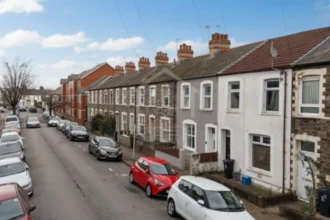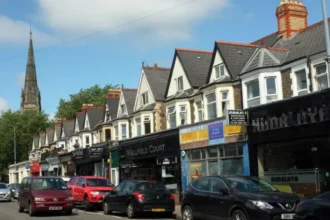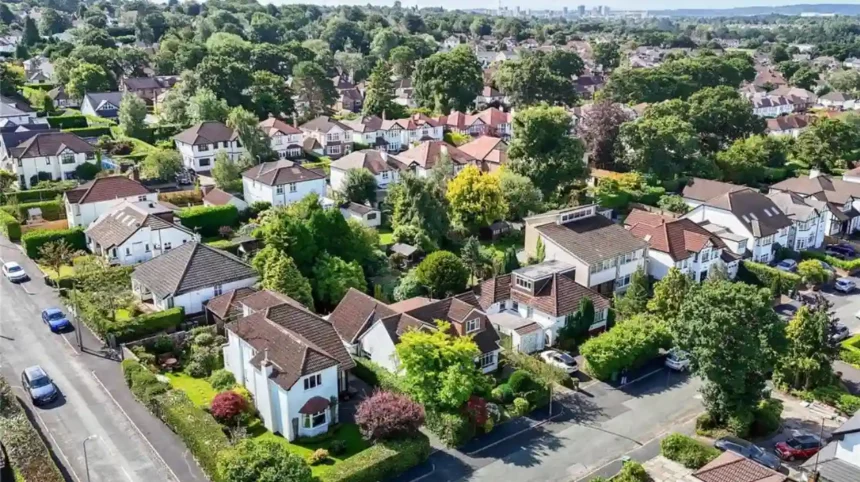
Cardiff is a compact capital city with a wide range of residential neighbourhoods, from established suburban communities in the north to newer housing developments in the north-west and family-oriented districts closer to the city centre. Choosing the right area depends on schools, childcare, green space, housing, transport, local services and everyday convenience.
- What makes an area one of the best places for young families in Cardiff?
- Why are Rhiwbina and Whitchurch strong choices for young families?
- Why is Lisvane attractive to families looking for a quieter Cardiff neighbourhood?
- Why does Cyncoed appeal to families prioritising schools, parks and established housing?
- Is Penylan one of the best Cardiff areas for young families?
- Why is Llandaff suitable for families seeking heritage and green space?
- Why is Radyr a popular choice for families wanting suburban space?
- Why is Pontprennau worth considering for families seeking newer housing?
- How does Cardiff’s school catchment system affect where families should live?
- Which Cardiff areas offer the strongest access to parks and outdoor activities?
- How important is transport when choosing a family area in Cardiff?
- What should families check before buying or renting in a Cardiff area?
- Which Cardiff areas are best for different types of young families?
- How will Cardiff’s family neighbourhoods change in the future?
The city had 17.5% of households made up of couples with dependent children in the 2021 Census, unchanged from 2011. Cardiff ranked eighth among Wales’s 22 local authorities for this household category in 2021.
For young families, the strongest areas are generally Rhiwbina, Lisvane, Cyncoed, Whitchurch, Llandaff, Radyr, Penylan and Pontprennau. Each has a different balance of housing, schools, parks, transport and access to amenities.
What makes an area one of the best places for young families in Cardiff?
The best family areas combine suitable homes, schools, childcare, parks, transport, local shops and practical services within a manageable daily routine. Cardiff’s strongest family neighbourhoods balance suburban space with access to employment, education, healthcare, recreation and the wider city.
Family suitability is not determined by one factor. A neighbourhood with highly regarded schools but limited transport can create difficult weekday routines. A neighbourhood with excellent transport but limited green space can provide a different family experience.
Cardiff Council currently operates 125 schools, covering nursery, primary, secondary and special education. The council recommends that parents research individual schools, inspect current Estyn reports and check school catchment areas before choosing a home.
Catchment is particularly important because living inside a catchment area gives children higher priority for the relevant catchment school, but does not guarantee admission. Cardiff Council provides postcode-based catchment searches for English-medium, Welsh-medium and bilingual community schools.
Childcare is another major consideration for families with younger children. Cardiff Council’s childcare sufficiency assessment identifies Cardiff North, Cardiff West, Cardiff South West, Cardiff East, Cardiff South East and Cardiff City and South as neighbourhood planning areas, while reporting that childcare is broadly sufficient across the city but that some localities and types of provision have unmet demand.
Green space also has a measurable role in neighbourhood quality. Cardiff Council maintains a citywide network of parks and play areas, while Cardiff has 18 historic parks and gardens registered by Cadw, including 12 public parks.
Why are Rhiwbina and Whitchurch strong choices for young families?
Rhiwbina and Whitchurch provide established suburban environments with schools, local shops, community facilities, green space and practical connections to wider Cardiff. Their mature housing stock also gives families access to established residential streets and varied property types.
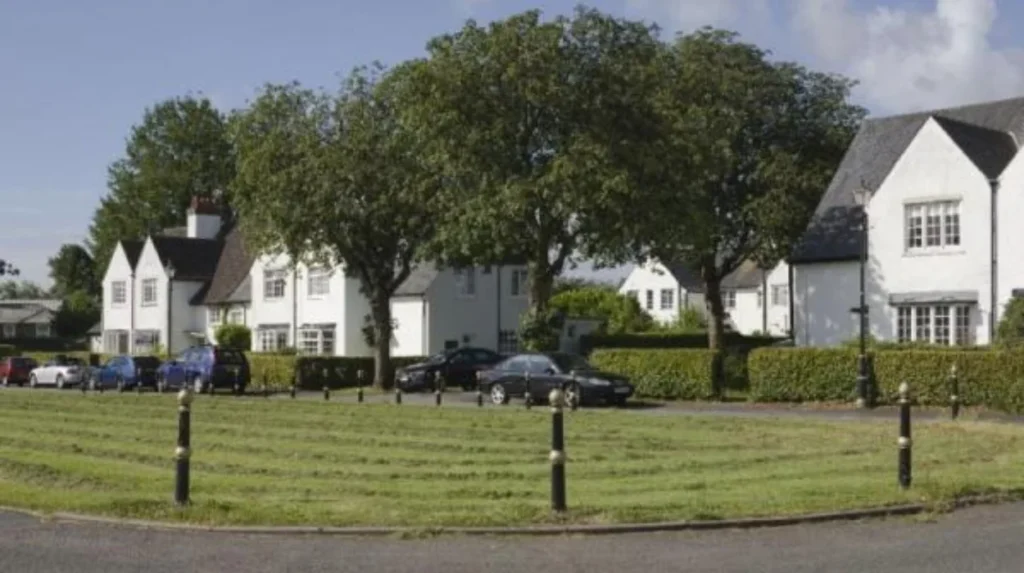
Rhiwbina is one of north Cardiff’s established residential districts. It includes the Rhiwbina Garden Village, a planned residential development recognised by Cardiff Council through its conservation framework. The area combines inter-war housing, landscaped streets and established community facilities.
Whitchurch has a village-centre character within Cardiff’s urban area. Its local high street provides everyday services, while nearby parks and recreation spaces give families access to outdoor activities.
The area also has established education provision. Cardiff Council’s current admissions information lists Whitchurch Primary School with an admission number of 90, while Rhiwbina Primary School has an admission number of 75 for the 2027/28 school year. These figures describe planned admission capacity rather than school quality.
Parents should examine each school’s current Estyn information rather than relying on neighbourhood reputation. Estyn is Wales’s education and training inspectorate and publishes inspection information for individual schools.
Whitchurch also benefits from local services and parking facilities. Cardiff Council lists Merthyr Road and Penlline Road car parks within the area, supporting access to local shops and services.
For families, Rhiwbina and Whitchurch work particularly well when priorities include a suburban environment, established community infrastructure and access to schools and parks without moving far from Cardiff’s main urban area.
Why is Lisvane attractive to families looking for a quieter Cardiff neighbourhood?
Lisvane is a predominantly residential north Cardiff community with established housing, green surroundings, schools and connections towards the city. It suits families prioritising space, quieter streets and suburban living while retaining access to Cardiff’s employment and education infrastructure.
Lisvane sits in north Cardiff alongside areas including Llanishen, Thornhill and Rhiwbina. It forms part of Cardiff’s northern residential belt and has a predominantly suburban character.
The area is particularly relevant to families looking for larger residential properties and access to open countryside. Its location also places it close to major routes serving north Cardiff.
Lisvane’s relationship with the surrounding countryside is an important part of its identity. The northern edge of Cardiff transitions into rural landscapes, giving residents access to outdoor environments beyond conventional urban parks.
Education remains a central consideration. Cardiff Council provides postcode-specific catchment information, and families should check the precise property address before making a purchase or signing a long-term tenancy.
Lisvane is also affected by wider development pressures in north-east Cardiff. Cardiff Council’s major development monitoring identifies significant housing and infrastructure activity in the wider north-east area, including land north and east of Lisvane and development west and east of Pontprennau.
That makes checking planning applications important for families considering a long-term move. New housing can bring additional schools, roads, community facilities and transport improvements, while construction activity can also change local traffic and access patterns.
Why does Cyncoed appeal to families prioritising schools, parks and established housing?
Cyncoed combines established suburban housing with access to schools, green spaces, local services and Cardiff’s north-eastern transport network. Its position near Roath Park, Penylan, Heath and major education facilities makes it practical for families with children.
Cyncoed occupies a strategic position between Cardiff’s established eastern neighbourhoods and northern suburbs. The district is close to Penylan, Roath, Llanishen and Heath.
One major advantage is proximity to Roath Park, one of Cardiff’s best-known historic parks. Cardiff Council identifies Roath Park, Roath Park Lake and Roath Park Gardens within its conservation information, reflecting their architectural, landscape and historic importance.
The park provides families with substantial outdoor space close to residential streets. Cardiff’s wider parks network also includes play areas, sports pitches, gardens and walking routes.
Cyncoed is also included in Cardiff Council’s active-travel planning. The proposed Cycleway 6 connects the city centre with Plasnewydd, Penylan, Cyncoed and Roath Park. Cardiff’s wider active-travel programme is based on a 15-year network plan for walking and cycling.
This is relevant for young families because school journeys are often short-distance journeys where walking, cycling and scooting can reduce reliance on cars.
Housing varies considerably within Cyncoed. Streets closer to major roads differ from quieter residential roads, so families should assess individual properties rather than treating the entire district as identical.

Is Penylan one of the best Cardiff areas for young families?
Penylan is a strong family-oriented district because it combines established housing with Roath Park, schools, local amenities and relatively direct connections towards central Cardiff. It particularly suits families seeking suburban characteristics without moving far from central neighbourhoods.
Penylan sits immediately north-east of central Cardiff and borders Roath and Cyncoed. Its location provides an important balance between residential space and access to central employment, shopping and cultural facilities.
The biggest family asset is access to Roath Park. The park includes gardens, recreational areas and the historic lake environment. Cardiff Council’s heritage information identifies Roath Park and Roath Park Lake and Gardens as protected historic areas.
Penylan also benefits from schools serving the surrounding residential population. Cardiff Council’s 2027/28 admissions policy lists Rhydypenau Primary School with an admission number of 60 and Roath Park Primary School with an admission number of 58.
Marlborough Primary School is another school located in the wider Roath-Penylan area. Estyn published a new inspection report for Marlborough Primary School on 1 September 2026.
Transport planning is another advantage. Cycleway 6 is planned to connect central Cardiff through Plasnewydd and Penylan towards Cyncoed and Roath Park.
Penylan therefore suits families who want green space and established housing while retaining relatively close access to Cardiff city centre.
Why is Llandaff suitable for families seeking heritage and green space?
Llandaff combines historic character, residential streets, schools, parks, local shops and transport connections. Its location near Llandaff Fields, the River Taff corridor and north-west Cardiff provides families with substantial outdoor space alongside established urban infrastructure.
Llandaff is one of Cardiff’s most historically significant communities. Its identity developed around Llandaff Cathedral and the historic settlement surrounding it.
Cardiff’s conservation framework protects historic buildings, archaeological remains and important open spaces. The council identifies 27 conservation areas across Cardiff, reflecting the city’s substantial historic environment.
For families, Llandaff’s main practical advantage is the combination of heritage and outdoor space. Llandaff Fields and nearby green corridors provide opportunities for walking, play and recreation.
The area also has a local centre around Llandaff High Street. Cardiff Council operates a car park there with 81 spaces, providing practical access to local services.
Llandaff is included in Cardiff’s planned active-travel network. Cycleway 4 is planned to connect the city centre with Llandaff, Danescourt and north-west Cardiff.
Families considering Llandaff should distinguish between individual streets. Historic properties can have conservation restrictions, while Cardiff Council states that conservation areas have additional planning controls and that some areas also have Article 4 Directions.
This matters when families plan extensions, loft conversions, replacement windows or other property alterations.
Why is Radyr a popular choice for families wanting suburban space?
Radyr provides established suburban housing, schools, green space and rail connections with a strong north-west Cardiff location. It suits families seeking more residential space while retaining practical access to central Cardiff and neighbouring communities.
Radyr and nearby Morganstown occupy the north-western side of Cardiff. The area has a suburban and semi-rural character, with residential development alongside open landscapes.
Radyr Primary School is listed by Cardiff Council with an admission number of 60 for the 2027/28 school year.
The wider north-west Cardiff area is also experiencing substantial development. Cardiff Council’s planning monitoring includes major housing proposals around Creigiau and the Plasdŵr area.
Plasdŵr is particularly important for families because its development has included new education infrastructure. Ysgol Gynradd Groes-wen Primary School opened in September 2023 to serve parts of north-west Cardiff. It provides Welsh-medium education alongside a dual-language stream and was planned with 420 primary places across its two streams.
This illustrates an important feature of new residential districts: education provision develops alongside housing.
Radyr also provides rail access through Radyr station, linking the area to Cardiff and the wider South Wales rail network. Families should check current timetables when evaluating commuting patterns.
Why is Pontprennau worth considering for families seeking newer housing?
Pontprennau is a modern north-east Cardiff residential community with schools, newer housing, local services and proximity to major road connections. Its ongoing development gives families access to newer neighbourhood infrastructure while creating changing transport and education requirements.
Pontprennau developed substantially through late twentieth-century and early twenty-first-century housing growth. Its built environment differs from Cardiff’s older Victorian and Edwardian suburbs.
The area’s newer housing stock appeals to families seeking modern layouts, contemporary insulation standards and planned residential streets. Individual developments vary, so property inspections remain essential.
Pontprennau Primary School has an admission number of 60 in Cardiff Council’s 2027/28 admissions policy.
Estyn’s 2026 inspection information for Pontprennau Primary School records a focus on supporting younger pupils and developing strong relationships between staff, children and families.
Pontprennau also sits within an area of significant planned development. Cardiff Council’s major-development monitoring identifies approximately 4,500 homes in the North East Cardiff area west of Pontprennau and approximately 1,300 homes east of the Pontprennau Link Road, alongside employment and community uses.
This scale of development makes future infrastructure an important consideration. Families should check current planning applications, road proposals, school-place information and construction phases before committing to a property. Cardiff Council provides an online system for reviewing planning applications and decisions.
How does Cardiff’s school catchment system affect where families should live?
Cardiff school catchments directly influence family house-hunting because catchment residence provides higher priority for the relevant school but does not guarantee admission. Families should check the exact postcode, school language, admission criteria and current capacity before choosing a property.
Cardiff Council operates separate catchment information for English-medium and Welsh-medium community schools. Families can enter a postcode to identify relevant primary and secondary catchments.
Catchments are not simply based on the nearest school. Cardiff Council explicitly states that the catchment school is not always the closest school to the home.
School capacity also changes over time. Cardiff Council publishes allocation information showing applications, places and refused preferences for individual primary schools. The published data demonstrates that demand varies between schools and admission years.
Parents should therefore complete school research before committing to a property.
The process should include checking the current catchment, reviewing the latest Estyn report, checking admission arrangements and considering the walking route.
School transport is also relevant. Cardiff Council provides free mainstream school transport for eligible pupils aged 5 to 16 who do not live within walking distance of their school, subject to the council’s eligibility rules.
For young families, living close enough to walk to school can simplify daily routines and support active travel.
Which Cardiff areas offer the strongest access to parks and outdoor activities?
Rhiwbina, Whitchurch, Cyncoed, Penylan, Llandaff and Radyr provide strong access to parks, recreation grounds, walking routes or wider green spaces. These areas give families practical opportunities for outdoor play, exercise and everyday recreation.
Cardiff has a substantial network of parks and green spaces. Cardiff Council maintains a searchable database covering parks and play areas throughout the city.
The historic importance of these spaces is also significant. Cardiff has 18 parks and gardens included in the Cadw Register of Landscapes, Parks and Gardens of Special Historic Interest. Twelve are public parks.
For families, the most relevant distinction is between parks that support everyday local use and larger destinations suitable for longer visits.
Roath Park is particularly important for Penylan and Cyncoed. Llandaff Fields serves Llandaff, Pontcanna and surrounding communities. Bute Park provides a major central green-space destination, while northern and western neighbourhoods provide access to countryside and larger open landscapes.
Cardiff Council also operates children’s play services for children aged 5 to 14, alongside holiday activities, leisure-centre programmes and cycling courses.
This makes access to recreation a citywide benefit rather than an advantage restricted to one suburb.
How important is transport when choosing a family area in Cardiff?
Transport affects school runs, commuting, childcare, shopping and access to healthcare. The strongest family locations combine local walking routes with bus, rail or cycle connections, reducing dependence on private cars for short everyday journeys.
Cardiff has an established public transport network involving buses and trains. Cardiff Council directs residents to Traveline Cymru for journey planning and Cardiff Bus for local bus information.
Active travel is becoming increasingly important. Cardiff’s Active Travel Network Map identifies existing and proposed walking, wheeling and cycling routes, while the council’s wider plan covers a 15-year period.
Cardiff is also developing six strategic Cycleways.
The routes include connections from the city centre towards Roath Park, north-east Cardiff, St Mellons Business Park, Cardiff Bay, north-west Cardiff and Caerau.
For families, the most relevant routes are those connecting residential districts to schools, parks, employment areas and local centres.
The transport picture also differs between neighbourhoods. Penylan and Cyncoed benefit from proximity to established eastern Cardiff routes. Llandaff and Radyr connect into the north-west transport network. Pontprennau and north-east Cardiff have stronger road-based connections but are also undergoing infrastructure development.
What should families check before buying or renting in a Cardiff area?
Families should check school catchment, admission capacity, childcare availability, transport, parking, local parks, property condition, planning applications and future development. These factors provide a more reliable assessment than neighbourhood reputation or property marketing alone.
The first check should be the exact school catchment. Cardiff Council’s postcode system provides current catchment information, but catchment status does not guarantee a school place.
The second check should be childcare. Cardiff’s childcare assessment identifies generally sufficient provision but also records localised unmet demand.
The third check should be transport. Families should test the actual weekday journey rather than relying on distance measured on a map.
The fourth check should be planning. Cardiff Council’s online planning system allows prospective residents to examine applications and decisions.
The fifth check should be property restrictions. Cardiff has conservation areas, listed buildings, tree preservation controls and other planning constraints. A local authority search forms an important part of the conveyancing process when buying property.
Parking should also be assessed at the individual street level. Cardiff Council operates controlled parking arrangements and car parks in several family-oriented districts, including Llandaff, Pontcanna, Heath, Roath and Whitchurch.
Explore More Area Guide
Where Families Play Sport in Cardiff: Family Sports Guide 2026
Public Basketball Courts in Cardiff: Complete Guide 2026
Which Cardiff areas are best for different types of young families?
Rhiwbina and Whitchurch suit established suburban living; Lisvane and Cyncoed suit families prioritising space and green surroundings; Penylan suits central suburban access; Llandaff suits heritage and parks; Radyr suits west-side commuting; Pontprennau suits newer housing.
Families prioritising established suburban neighbourhoods should examine Rhiwbina and Whitchurch. Their mature residential environments provide established schools, shops and community facilities.
Families prioritising larger suburban properties and green surroundings should examine Lisvane and Cyncoed. These areas provide access to northern and north-eastern open spaces while remaining within Cardiff.
Families prioritising central accessibility should examine Penylan. Its location provides a practical compromise between residential streets, parks and central Cardiff.
Families prioritising heritage and green space should examine Llandaff. The area combines historic architecture, local amenities and access to major open spaces.
Families prioritising north-west suburban living should examine Radyr. Its rail access and proximity to expanding north-west Cardiff make it relevant to commuters.
Families prioritising newer housing should examine Pontprennau and the wider north-east development area. New infrastructure is developing alongside housing growth, but families should investigate current construction and planning activity.
How will Cardiff’s family neighbourhoods change in the future?
Cardiff’s family neighbourhoods will continue changing through housing development, school provision, active-travel investment and transport infrastructure. North-east and north-west Cardiff face particularly significant development, making infrastructure and planning information increasingly important for long-term family decisions.
North-east Cardiff has major planned housing growth around Pontprennau and Lisvane. Cardiff Council’s development monitoring identifies thousands of planned homes alongside employment and community infrastructure.
North-west Cardiff is also changing through developments such as Plasdŵr. The opening of Ysgol Gynradd Groes-wen in 2023 demonstrates how education infrastructure is being added alongside residential expansion.
Transport infrastructure is another long-term factor. Cardiff’s Active Travel Network Map provides a 15-year framework for walking and cycling improvements, while six Cycleway corridors connect residential areas with major destinations.
The implication for families is straightforward: today’s neighbourhood conditions are not the only consideration. A property should also be assessed against planned schools, roads, cycle routes, housing schemes, community facilities and nearby development.
Cardiff therefore offers several strong family environments rather than one universally best suburb. Rhiwbina, Whitchurch, Lisvane, Cyncoed, Penylan, Llandaff, Radyr and Pontprennau each meet different family priorities.
The most reliable decision comes from matching the individual household’s requirements to the exact property, school catchment, transport route, childcare options and surrounding development plans.
What are the best areas in Cardiff for young families?
Rhiwbina, Whitchurch, Lisvane, Cyncoed, Penylan, Llandaff, Radyr and Pontprennau are among the strongest Cardiff areas for young families. They offer combinations of schools, parks, housing, childcare, transport links and local amenities.