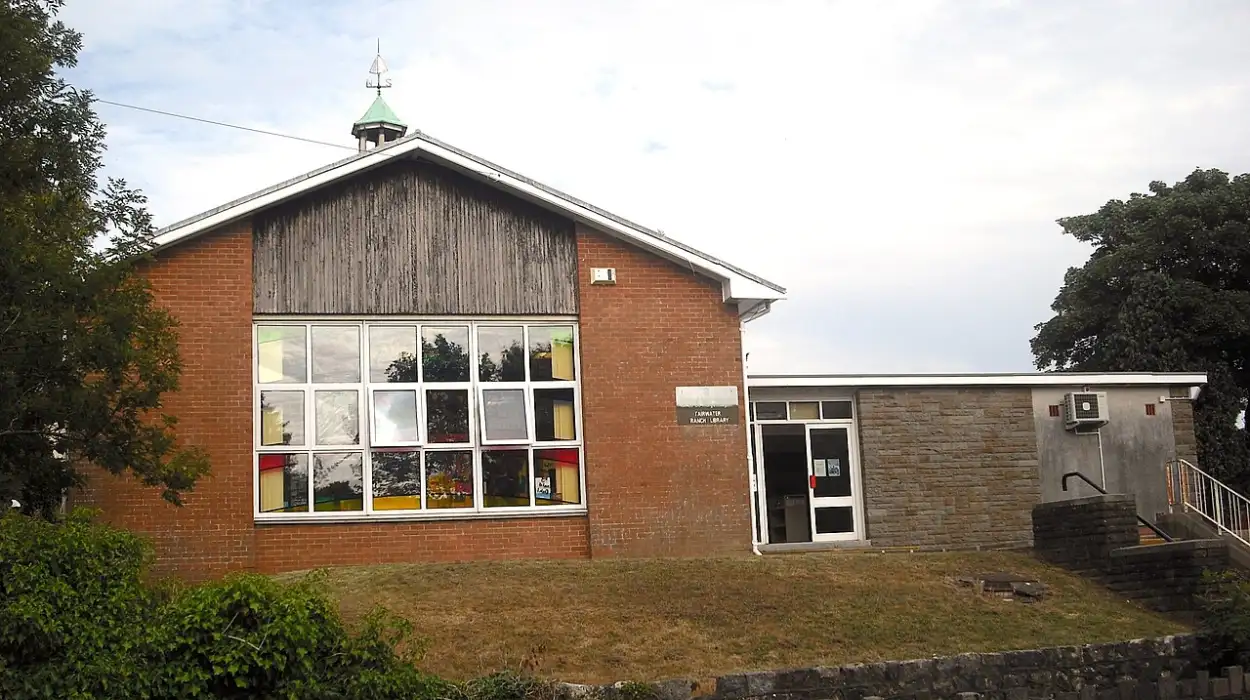
Fairwater forms part of the Fairwater ward, one of Cardiff’s long‑established residential suburbs in the west of the city, bordering Ely and Caerau. Over recent decades, local news, policing statistics and residents’ forums consistently highlight similar themes: neighborhood safety, anti‑social behaviour, service reliability, and at times strained relations with Cardiff Council and local politicians. These concerns matter beyond Fairwater itself because echoes of the same issues appear in other Cardiff communities, making Fairwater a useful lens through which to map wider urban challenges.
- Crime and Safety: A Persistent Concern
- Anti‑Social Behaviour and Young People
- Housing, Maintenance and Living Conditions
- Council Services, Refuse and Local Repairs
- Local Politics and Council Fights
- Parks, Open Spaces and Quality of Life
- Community Cohesion and Lived Experience
- Looking Ahead: What Next for Fairwater?
This article explores the key local‑level issues affecting Fairwater residents through the lenses of crime, policing, council services, housing, community cohesion, and local politics. By drawing on public crime‑rate data, council‑area context, and reports about local debates and council fights, it aims to give readers—whether lifelong residents or newcomers—an accurate, grounded, and evergreen understanding of what life feels like on the ground in this part of Cardiff.
Crime and Safety: A Persistent Concern
All recent crime‑rate snapshots put Fairwater in the medium‑risk band when compared with other wards in England and Wales, with violent and property‑related offences standing out. Data for the Fairwater ward over the 2023–24 reporting period shows a total crime rate of around 113 offences per 1,000 residents, matching Cardiff’s broader average of 124 per 1,000 but still sitting above lower‑crime suburbs. Breaking that down, violence and sexual offences score above 35 per 1,000, with anti‑social behaviour and public‑order offences also registering prominently.
Residents’ lived experiences often add nuance to the spreadsheets: reports of rowdy groups, street drinking, perceived lack of visible patrols, and sporadic vehicle‑related crime crop up in local discussions. These perceptions matter because, even when overall crime does not spike dramatically, the presence or absence of police visibility and responsive reporting channels can shape residents’ sense of security. In particular, younger residents and older people are frequently among the first to note how incidents involving public drinking or late‑night disturbances impact park usage, school‑run routes and walks to local shops.
Cardiff Council and South Wales Police have periodically launched ward‑level initiatives—surges in foot and bike patrols, reassurance‑visits, and Community Focus Teams—who have engaged specifically with Ely, Fairwater and Caerau over several years. Yet recurring comments in local news and social‑media threads suggest many residents still look for more consistent, long‑term action rather than short‑run operations that fade once media coverage drops. That gap between targeted campaigns and day‑to‑day reassurance is one of the enduring tensions in Fairwater’s crime‑and‑safety narrative.
Anti‑Social Behaviour and Young People
Within the broader crime figures, anti‑social behaviour stands out as one of the most commonly discussed concerns for Fairwater households. Cycle thefts around flats, graffiti on shared walls, littering on playing fields and, occasionally, reports of vandalism around school premises feed a perception that certain hotspots are difficult to keep orderly. Local commentators often link such behaviour to groups of teenagers and young adults moving between Cardiff’s west‑side estates, using Fairwater’s parks and pathways as informal meeting points.
Official ward‑level crime tables show that anti‑social behaviour and public‑order offences together represent a significant handful of the total recorded harms, even if violent incidents are numerically smaller. For households, however, the cumulative effect is often more noticeable than the statistics: a park that feels unsafe after dark, a shared stairwell disfigured by recent tagging, or a quiet road suddenly noisy and intimidating late at night. In some South Wales Police statements and consultation documents, practitioners explicitly signal that Fairwater sits within clusters of postcodes where anti‑social behaviour calls are elevated, prompting ongoing dialogue with community representatives.
How the area responds to adolescent and young‑adult behaviour is a sensitive topic. Experiences from other Cardiff communities show that successful interventions often combine tougher enforcement in targeted locations with genuinely accessible youth provision, safe spaces and mentoring schemes. Yet residents in Fairwater have at times questioned whether enough investment in activity‑based youth services and early‑intervention support matches the scale of complaints about loitering, noise and damage. Bridging that gap consistently—so that anti‑social‑behaviour complaints translate into sustained preventive programs rather than reactive patrols—is a core challenge for both the council and the force.
Housing, Maintenance and Living Conditions
Alongside crime and behaviour lie everyday concerns about housing stock, maintenance and environmental quality. Fairwater contains a mix of older local‑authority housing, newer council‑owned schemes, private rental blocks and owner‑occupied homes. Across that mix, variation in upkeep, insulation performance, and communal‑space quality can be visible, especially in blocks where vandalism or weather damage has gone unrepaired for months.
Data platforms and local commentary both highlight complaints about things such as poorly maintained communal areas, outdated window frames in some flats, and inconsistent refuse or recycling collection in nearby streets. These issues might seem less dramatic than street violence, but they shape residents’ day‑to‑day satisfaction more directly. Persistent damp, unreliable street‑lighting around estates, and overgrown green spaces are often cited in anecdotal feedback as symbols of neglect and of strained council‑landlord relations.

For Cardiff Council, managing such estates involves perennial balancing acts: limited housing budgets, competing priorities city‑wide, and the need to co‑ordinate with housing associations and private block‑managers. In Fairwater‑adjacent areas like Ely and Caerau, residents’ frustrations have occasionally spilled into local media and council forums, raising questions about responsiveness and transparency when repairs or environmental improvements appear delayed or deprioritised. That backdrop of housing‑maintenance strain underpins some of the more intense “council fights” residents refer to when describing tensions in the west of Cardiff.
Council Services, Refuse and Local Repairs
Cardiff Council highlights that it is one of the largest local authorities in the UK, responsible for everything from refuse collection to highways maintenance across a sizable urban area. Within that remit, Fairwater residents sometimes report perceived delays or inconsistencies in response, especially for non‑emergency repairs, missed or late bin collections, and street‑cleaning gaps around estates. Such issues rarely make headlines beyond neighborhood‑level forums, but repeated frustration can feed a broader narrative that the council is “slow,” “unresponsive,” or “prioritises other areas.”
From the council’s perspective, managing refuse collection in an evolving city with mixed‑density neighborhoods involves route reshuffling, vehicle‑availability calculations and attempts to standardise frequency and expectations across wards. When a particular road or block experiences repeated missed collections, residents can find it difficult to see that as part of a wider logistical exercise rather than a targeted neglect. This disconnect between behind‑the‑scenes operations and residents’ expectations is a classic source of friction in urban services.
In addition, small‑scale environmental issues—fly‑tipping pockets, overflowing bins at housing‑complex entrances, or potholes persisting beside alleyways—can become flashpoints for local pressure groups and ward‑level councillors. At times, these localized debates escalate into “council fights” when campaigns for faster, more visible improvements clash with budget constraints and labour‑availability explanations offered by the authority. Fairwater’s experience is not unique in this; similar dynamics recur across Cardiff’s inner and outer suburbs, where residents demand city‑centre‑level service smoothness at the district level.
Local Politics and Council Fights
Local‑government representation in Fairwater has evolved in recent years as Cardiff Council redefined its electoral map. Like other Cardiff wards, Fairwater elects councillors who sit on city‑wide committees, set budgets, and advocate for neighborhood‑specific concerns. Yet council‑level disagreements—sometimes over funding allocations, housing‑regeneration plans or policing priorities—can trickle down into what residents see as “fights” with the authority.
In public meetings and online discussions, Cardiff councillors from west‑side wards have occasionally voiced tensions with the council’s cabinet about perceived under‑investment or slow response in their areas. For instance, debates around street‑lighting upgrades, the pace of local IT improvements, or the rollout of new refuse‑collection contracts have at times highlighted different political viewpoints within the council itself. When those internal disagreements coincide with visible problems on the ground—say, persistent complaints about environmental quality or safety—residents may interpret them as evidence of broader dysfunction.
On the other hand, the ward‑based structure also gives Fairwater and nearby communities a direct channel to raise issues collectively. Local politicians, community councils, and ward‑committees can request updates, commission ward‑surveys, and flag areas where crime, housing or anti‑social behaviour are concentrated. Recent years have seen South Wales Police and Cardiff Council increasingly working together on ward‑level “local policing and community safety plans,” which are intended to feed resident feedback into formal strategy cycles rather than leaving concerns in ad‑hoc social‑media threads. How effectively Fairwater’s voice is embedded in those plans is one of the subtler but important issues on local residents’ minds.
Parks, Open Spaces and Quality of Life
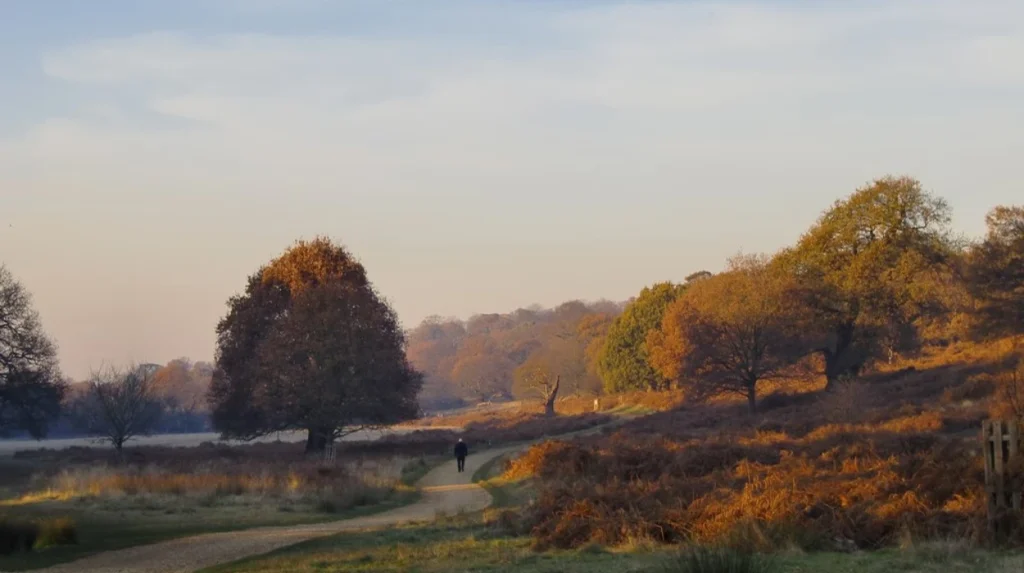
Fairwater is fortunate to have access to green space and recreation areas, including playing fields and informal parkland used heavily by children and families. Local crime charts show incidents such as bicycle thefts, criminal damage and occasional vandalism on or near these sites, which can weigh on parents’ and older residents’ sense of how safe and pleasant their surroundings are after school‑time or in the early evening. Vandalised park benches, anti‑social groups assembling on playing fields, and late‑night littering around entrances can all erode the community’s pride in these shared assets.
At the same time, there is a strand of local activity that actively seeks to protect and improve those spaces. Volunteer litter‑picks, school‑led litter‑reduction campaigns, and occasional community‑garden projects have been trialled or promoted in west‑Cardiff neighborhoods, including those adjacent to Fairwater. When such initiatives receive visible council backing—through free bags, street‑cleaning support or funding for plants and seating—they can forge powerful symbols of cooperation between residents and the authority. Conversely, when volunteers report that their clean‑ups are quickly undone by neglected public‑space responsibilities, that dynamic shifts into further disillusionment.
The quality of local parks and open areas sits at the intersection of crime, maintenance and local‑government responsiveness, making it a textbook example of how a single “soft” issue can embody several harder underlying problems for Fairwater residents.
Community Cohesion and Lived Experience
Beneath headline topics like crime stats and council disputes lies the more intangible question of community cohesion. Fairwater, like many Cardiff suburbs, is ethnically and socially mixed, with long‑time residents alongside newer families and students. Surveys and informal feedback across Cardiff’s west‑side show that communities often rate their “neighbourliness” positively, while simultaneously flagging worries about conflict, bullying, and social‑media‑fueled rows that spill from online space to local reputation.
Incidents such as public disputes in shared spaces, smear‑campaigns around individual households or debates about specific groups using certain walkways are periodically noted in online discussions and some local news snippets. In some cases, residents describe a sense that disagreements about behaviour, noise, or garbage generation harden into broader “we versus them” narratives that strain community cohesion. At the same time, community‑event pages and ward‑based Facebook groups also document clear efforts to promote inclusive activities, sports teams, and informal “kids friendly” evenings aimed at bridging generational and cultural divides.
For any policy‑maker or journalist observing Fairwater, that duality is central: a neighborhood that is fond of its children, schools, and community spaces, but acutely sensitive to how anti‑social behaviour, policing trends, and local‑government decisions affect those same elements. Understanding the emotional texture of these experiences can be as important as mapping statistics over time.
Looking Ahead: What Next for Fairwater?
As an evergreen topic, the suite of issues facing Fairwater residents is unlikely to vanish overnight. Elevated crime‑rate bands in England‑and‑Wales comparisons, ongoing housing‑maintenance demands, and the perennial tension between residents wanting faster services and councils needing to manage city‑wide budgets are structural features of modern Cardiff living rather than passing quirks.
What can evolve—and where residents, councillors and local organizations have the most leverage—is the pattern of dialogue and response. Improved ward‑level information sharing (e.g., clearer updates on how many repairs have been prioritised in Fairwater in a given quarter), more visible youth engagement outside school‑hours, and transparent reporting back from Cardiff Council and South Wales Police can help turn isolated “council fights” into sustained partnerships. Measuring progress will not turn on dramatic, one‑off headlines, but on quieter shifts: parks feeling safer after dark, communal stairwells staying cleaner between rounds, and residents feeling that their complaints trigger timely explanations and actions rather than silence.
For readers of Cardiff Daily, Fairwater offers a steady, grounded illustration of how local issues travel from the individual doorstep up through ward‑level forums, council chambers, and police command hubs. By tracking how this west Cardiff community navigates crime, services, and political friction, the city as a whole can learn lessons about what more‑responsive, community‑centred governance looks like in practice.