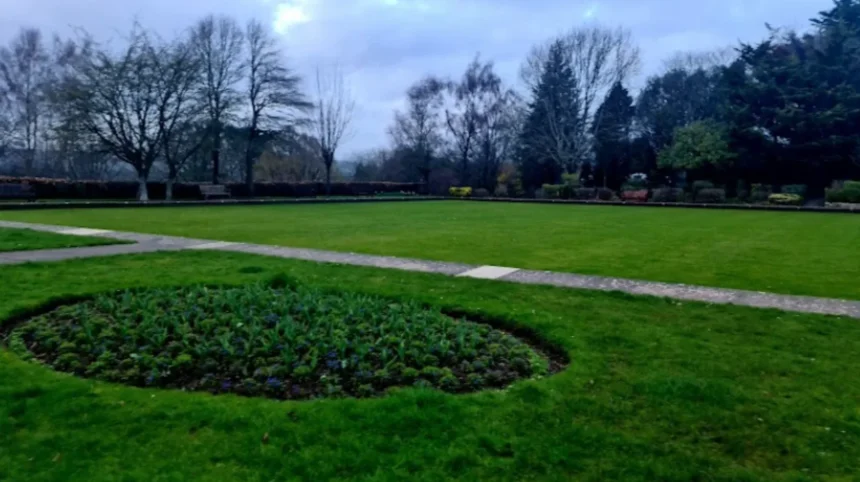
Fly-tipping in Rumney Parks represents a growing environmental challenge in Cardiff’s eastern suburbs, where illegal waste dumping undermines community spaces and strains local resources. Harris Avenue, a key access point to these parks, has become a focal point for this crisis, with recurring piles of household rubbish transforming scenic walkways into eyesores. This article delves into the roots of the problem, its wide-ranging effects, and practical strategies for restoration, drawing on historical context and official data to provide lasting insights for Cardiff residents.
- Rumney’s Green Legacy Under Threat
- Defining Fly-Tipping and Its Local Patterns
- Environmental Damage from Illegal Dumping
- Health and Safety Risks to Communities
- Economic Burden on Cardiff Taxpayers
- Historical Context of Waste Issues in Cardiff
- Council Responses and Cleanup Operations
- Community-Led Initiatives for Change
- Effective Prevention Strategies
- Long-Term Solutions and Policy Reforms
- Restoring Rumney Parks for Future Generations
Rumney’s Green Legacy Under Threat
Rumney, a historic ward in southeast Cardiff, has long cherished its parks as vital lungs for urban living. Established as a rural parish in the 19th century, the area evolved with post-war housing developments that integrated green spaces like Rumney Hill Gardens and nearby meadows, fostering a sense of community amid suburban growth. These parks offer residents trails for walking, picnic areas, and habitats for local wildlife, contributing to Cardiff’s reputation as a green city with over 4,000 hectares of public parks.
Yet, this idyllic setting faces degradation from fly-tipping, where individuals or groups illegally discard waste in public areas rather than using designated bins or recycling centers. In Rumney Parks, common dumps include builder’s rubble, discarded furniture, and black bags of household refuse, often appearing overnight along pathways like Harris Avenue. This avenue, a quiet residential street linking homes to park entrances, sees frequent dumping due to its secluded nooks and proximity to busy roads, making it an easy target for opportunists avoiding detection.
The persistence of this issue reflects broader urban pressures in Cardiff, where population density exceeds 500,000, amplifying waste generation. Historical records from Cardiff Council’s archives note early complaints about litter in the 1970s, but the scale has escalated with modern consumerism, turning cherished local assets into burdened zones.
Defining Fly-Tipping and Its Local Patterns
Fly-tipping, legally termed unauthorized deposit of waste under the Environmental Protection Act 1990, involves abandoning controlled waste in non-designated locations, punishable by fines up to £50,000 or imprisonment. In Wales, it differs from littering by volume—typically over 50 liters—encompassing everything from garden waste to commercial debris. Cardiff Council classifies incidents via reports to its fly-tipping portal, revealing hotspots in suburban wards like Rumney, where parks border residential streets.
Harris Avenue exemplifies these patterns: narrow lanes and overgrown verges provide cover for dumpers, who often arrive by van under darkness. Data from council reports indicate that household waste constitutes 71% of cases, with construction materials following closely, mirroring national trends from Natural Resources Wales. Unlike rural fly-tipping tied to agriculture, urban cases like Rumney’s stem from household overflows, renovation skips, or businesses evading disposal fees, which average £200 per ton at licensed sites.
Seasonal spikes occur post-spring cleans or holiday periods, but evergreen factors like inadequate bin capacity and lax enforcement perpetuate the cycle. Government studies from the Welsh Assembly highlight how proximity to recycling centers—Cardiff has six—should deter dumping, yet behavioral shortcuts prevail, especially in lower-income areas where cost barriers loom large.
Environmental Damage from Illegal Dumping
The ecological toll of fly-tipping in Rumney Parks extends beyond visual blight, poisoning soil and water systems critical to Cardiff’s biodiversity. Rubbish leaches toxins like heavy metals from batteries and paints into groundwater, threatening the park’s wildflower meadows and bird populations, including protected species like the skylark. Harris Avenue’s runoff during rains carries plastics into the Rhymney River nearby, contributing to microplastic pollution documented in Welsh Environment Agency reports.
Vegetation suffers as dumped mattresses and rubble smother grass, reducing oxygen for roots and inviting invasive weeds. A 2020 academic paper from Cardiff University on urban green spaces quantified such impacts, finding dumped waste reduces pollinator habitats by 30% in affected areas, disrupting food chains. Wildlife entanglement in netting or ingestion of sharp debris leads to higher mortality, with council ecologists noting increased fox and hedgehog injuries in Rumney.
Long-term, compacted soil from heavy dumps erodes park usability, turning paths into mudslides and deterring families. This degradation compounds climate vulnerability, as healthy parks absorb CO2 and mitigate flooding—a key concern in flood-prone southeast Cardiff. Restoration efforts must prioritize soil remediation, often involving lime treatments to neutralize acidity, underscoring the hidden costs of neglect.
Health and Safety Risks to Communities
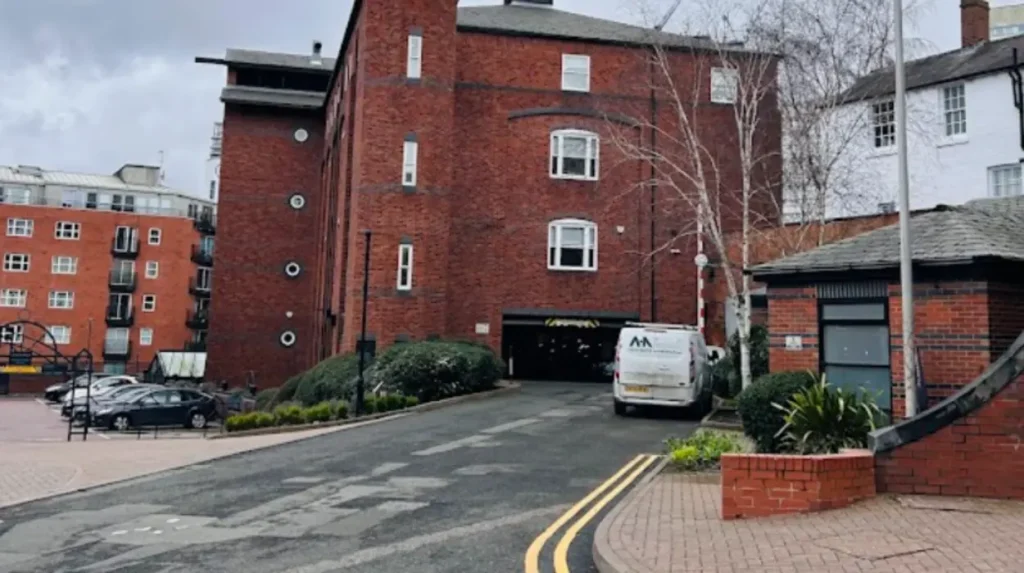
Residents near Harris Avenue face direct health hazards from fly-tipping, as rotting food attracts vermin like rats, vectors for diseases such as leptospirosis. Piles harbor bacteria, mold, and allergens, exacerbating respiratory issues in children and elderly park users, per public health guidelines from Public Health Wales. Sharp objects like broken glass and nails pose laceration risks on popular dog-walking routes, with council incident logs recording multiple injuries annually.
Psychological effects compound physical dangers; studies from the University of Wales Trinity Saint David link littered environments to heightened stress and reduced mental well-being, particularly in tight-knit communities like Rumney. Overgrown dumps block emergency access, delaying ambulances during peaks, while fire risks from discarded barbecues threaten adjacent homes.
Children playing in parks unknowingly ingest contaminants, with research papers citing elevated lead levels in soil samples from similar Cardiff sites. Businesses along Harris Avenue report fewer customers due to unkempt appearances, impacting local cafes and shops reliant on park footfall. These multifaceted risks demand vigilant community action beyond council cleanups.
Economic Burden on Cardiff Taxpayers
Fly-tipping exacts a steep financial toll, with Cardiff Council spending over £300,000 yearly on clearances, diverting funds from parks maintenance or youth programs. Each Rumney incident costs £500-£2,000 to remove, factoring labor, equipment, and disposal, according to official audits. Fixed Penalty Notices at £400 rarely cover full expenses, as only 10% result in prosecution due to evidential challenges like absent CCTV.
Wales-wide, 48,000 incidents in 2025 marked a 17-year high, per Keep Wales Tidy statistics, pressuring budgets amid rising council taxes. In Rumney, repeated Harris Avenue cleanups strain the £1.2 million annual waste budget, with private contractors charging premiums for hazardous loads. Landlords face notices for boundary dumps, risking license revocations and legal fees.
Economically, degraded parks lower property values by 5-10%, per Royal Institution of Chartered Surveyors data, affecting Rumney’s median home prices around £250,000. Tourism suffers too, as Cardiff’s green credentials draw visitors, yet littered parks deter repeats. Proactive investments in prevention yield returns, with pilot schemes showing 40% incident drops.
Historical Context of Waste Issues in Cardiff
Cardiff’s fly-tipping woes trace to industrial roots, when coal port prosperity generated vast refuse, managed informally until the 1950s Clean Air Acts formalized disposal. Rumney, annexed in 1922, shifted from farmland to suburbia, inheriting Victorian attitudes toward waste as “out of sight.” Post-1990 legislation aimed to curb this, but enforcement lagged amid 1980s recycling infancy.
Wikipedia entries on Cardiff’s history note 1970s landfill crises prompting first tips, evolving into modern parks protected under unitary authority in 1996. Rumney’s parks, part of the Vale of Glamorgan countryside, saw early dumping in disused quarries, a precursor to Harris Avenue issues. Academic theses from Swansea University chart a 300% rise since 2000, linked to DIY booms and online marketplaces facilitating bulk waste.
Government white papers emphasize cultural shifts, from wartime salvages to throwaway society, framing today’s crisis as solvable through education inherited from heritage campaigns.
Council Responses and Cleanup Operations
Cardiff Council deploys rapid-response teams to Harris Avenue, clearing reports within 48 hours via the Cardiff Gov app, restoring access swiftly. Notices under Section 80 compel landlords to remove boundary waste, with non-compliance triggering council action and cost recovery. Investments include gated lanes in hotspots, CCTV in 20 parks, and bin upgrades reducing access points.
Fly-Tipping Action Wales coordinates national drives, partnering with councils for awareness vans patrolling Rumney. Prosecutions yield £1,000+ fines, with drones aiding evidence collection per 2025 pilots. Harris Avenue saw gates installed post-2024 complaints, halving incidents, though vigilance persists.
Official sites stress reporting accuracy, using GPS for targeted cleanups, blending enforcement with prevention.
Community-Led Initiatives for Change
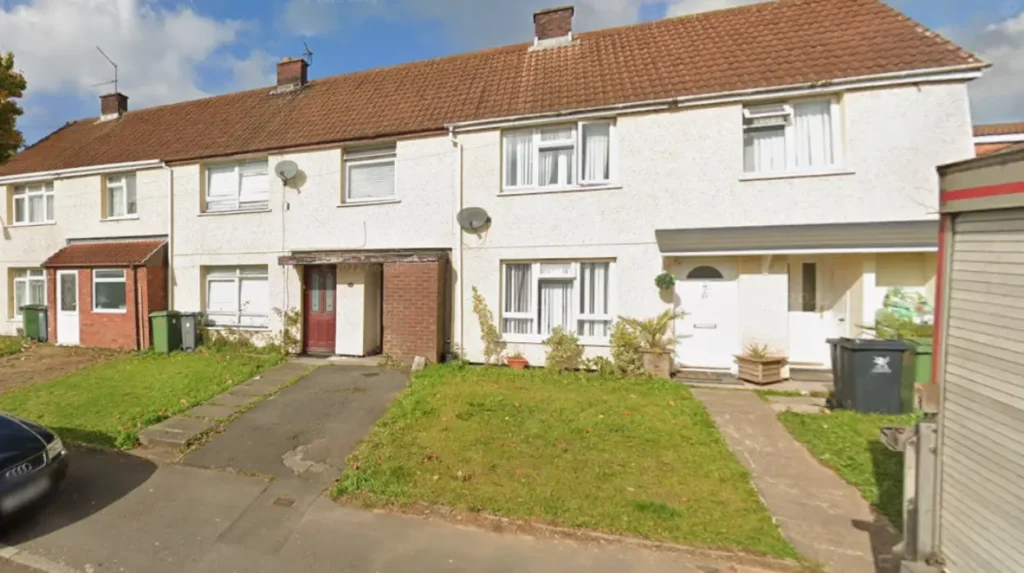
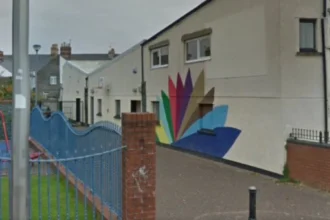
Residents in Rumney form cleanup groups, organizing monthly Harris Avenue sweeps with council gloves and bags, fostering pride. Neighborhood watch apps alert to suspicious vans, yielding tips for investigations. Schools integrate anti-dumping education, partnering with Keep Wales Tidy for park murals depicting clean futures.
Businesses sponsor bins branded “No Fly-Tipping,” while faith groups host litter picks, strengthening social bonds. Success stories from Roath, adjacent ward, show 60% reductions via similar efforts, per council case studies. Empowering locals transforms passive frustration into active stewardship.
Effective Prevention Strategies
Deterrence starts with infrastructure: secure bins, lighting, and signage warning of £1,000 fines along Harris Avenue. Education campaigns via flyers and social media debunk myths like “one bag’s okay,” promoting free council collections. Technology like smart CCTV with ANPR flags repeat vehicles, trialed successfully in Ely.
Policy-wise, expanding bulky waste services—three free collections yearly—addresses root causes. Community grants fund park wardens, patrolling peaks. Research from Loughborough University advocates “name and shame” boards, boosting reporting 25%.
Long-Term Solutions and Policy Reforms
Sustainable fixes demand integrated policies: Welsh Government’s 2025 Waste Strategy mandates zero-tipping by 2030, funding recycling hubs near Rumney. Cardiff’s Green Infrastructure Plan prioritizes parks, allocating £5 million for resilient designs. Collaboration with police enhances prosecutions, targeting organized dumpers via license plate databases.
Academic calls for deposit-return schemes on furniture echo EU models, curbing 20% incidents. Resident involvement in planning ensures tailored solutions, like Harris Avenue bollards. Monitoring via annual audits tracks progress, aiming for pristine parks.
Restoring Rumney Parks for Future Generations
Reviving Harris Avenue requires soil tests post-clearance, replanting natives to heal scars. Volunteer programs build skills, while grants beautify with benches and art. Metrics like visitor surveys gauge success, targeting 90% satisfaction.
This crisis, though daunting, spotlights community resilience. By blending enforcement, education, and innovation, Rumney Parks can reclaim glory, ensuring Harris Avenue pathways invite joy, not dismay. Cardiff’s collective resolve promises enduring green havens.