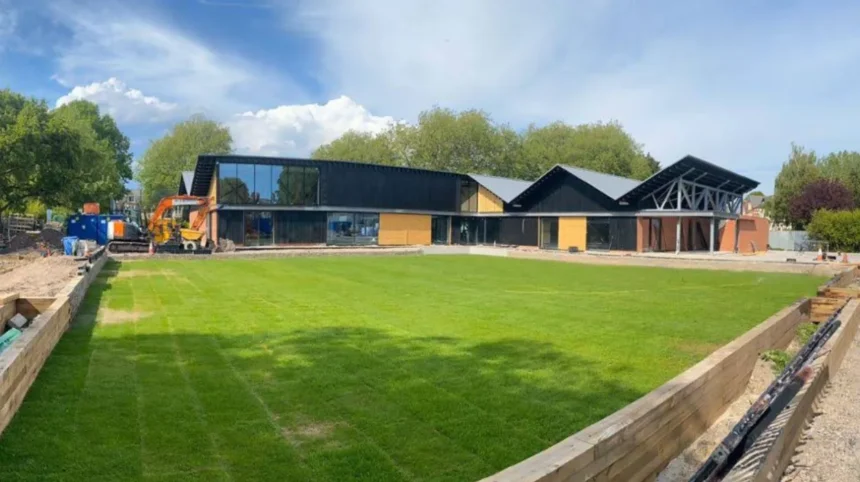
Grange Gardens is a public park located in the Grangetown area of Cardiff, Wales. The park serves as a central green space, a historic landmark, and a community hub for the local population. Established during the late nineteenth century, Grange Gardens provides essential recreational space, environmental benefits, and community facilities in an urban setting. This guide provides a detailed analysis of the park’s history, infrastructure, ecological features, management, and role within the urban landscape of Cardiff.
- What Is the History and Origin of Grange Gardens?
- Where Is Grange Gardens Located and How Is It Accessed?
- Geographic Coordinates and Boundaries
- Public Transport Connectivity
- Pedestrian and Cycle Infrastructure
- What Facilities and Infrastructure Are Available inside the Park?
- What Are the Ecological and Environmental Features of Grange Gardens?
- Urban Forestry and Canopy Cover
- Sustainable Urban Drainage Systems (SuDS)
- Biodiversity and Pollinator Initiatives
- How Is Grange Gardens Managed and Maintained?
- Local Authority Ownership and Statutory Responsibility
- Community-Led Co-Management
- Environmental Design and Security
- What Role Does Grange Gardens Play in the Local Community?
- Social Cohesion and Multicultural Integration
- Health and Wellbeing Impacts
- Educational Outreach and University Partnerships
- What Are the Future Challenges and Adaptation Plans for the Park?
- Climate Change Adaptation Strategies
- Managing High Footfall and Urban Density
- Funding and Financial Sustainability
- How Can Visitors Best Experience Grange Gardens?
What Is the History and Origin of Grange Gardens?
Grange Gardens is a historic public park established in 1886 on land donated by Lord Tredegar to provide public green space for the rapidly expanding industrial suburb of Grangetown. The park features a Grade II listed Victorian bandstand.
The Industrial Development of Grangetown
Grangetown developed rapidly during the mid-to-late nineteenth century. The growth of the Cardiff Docks and local industries, such as the iron foundries and rope works, triggered a massive influx of workers. Between 1850 and 1880, the population of Grangetown grew from fewer than 500 residents to more than 10,000 residents. The rapid construction of terraced housing created a densely populated urban environment with minimal private garden space.
Land Donation and Design
To address the lack of recreational space, Godfrey Morgan, the first Baron Tredegar, donated a rectangular plot of land measuring approximately 4 acres (1.6 hectares) to the Cardiff Corporation in the early 1880s. Lord Tredegar was a prominent landowner in South Wales who contributed significant portions of land for public use across Cardiff and Newport. The Cardiff Corporation officially opened Grange Gardens to the public in 1886. The initial design followed classic Victorian park principles, incorporating formal walkways, ornamental flower beds, a boundary wrought-iron fence, and a central focus for public performances.
Architectural Landmarks
In 1895, the Cardiff Corporation added a formal ornamental bandstand to the center of the park. The bandstand features a cast-iron structure with an octagonal roof, manufactured by the MacFarlane Exchange Lion Foundry in Glasgow, Scotland. The bandstand served as the structural focal point for community gathering and musical performances throughout the late nineteenth and early twentieth centuries. Due to its architectural significance and preservation of Victorian ironwork, Cadw, the historic environment service for the Welsh Government, designated the bandstand as a Grade II listed structure in 1975.
Where Is Grange Gardens Located and How Is It Accessed?
Grange Gardens is located in the northern sector of Grangetown, Cardiff, bounded by Corporation Road, Holmesdale Street, and Stockland Street. The park is highly accessible via public bus routes, nearby train stations, and designated cycling corridors.
Geographic Coordinates and Boundaries
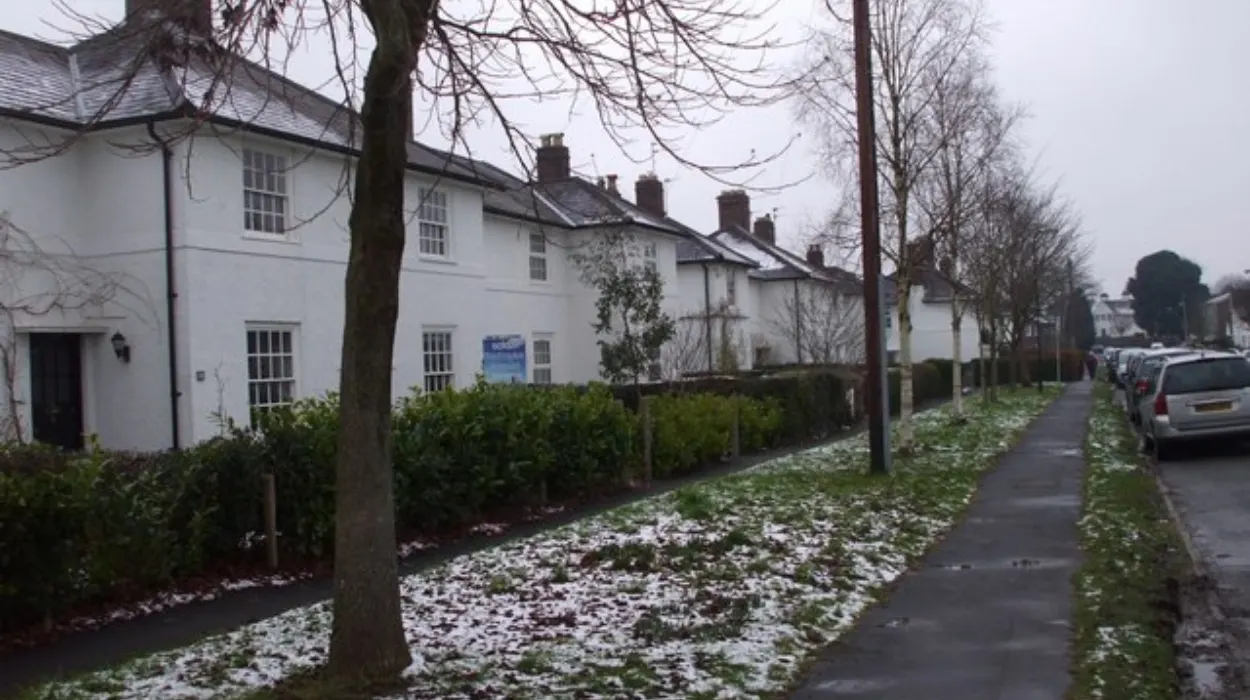
Grange Gardens sits within the grid system of Grangetown at latitude 51.4675° N and longitude 3.1834° W. The park occupies a flat, rectangular plot of land enclosed by residential terraced streets. The eastern boundary runs along Corporation Road, which is a major arterial route connecting Grangetown to the Cardiff Bay area and the city center. The northern boundary aligns with Holmesdale Street, while the southern and western boundaries border Stockland Street and residential properties.
Public Transport Connectivity
The park is integrated into Cardiff’s public transportation network. Cardiff Bus operates regular services that stop directly outside the park on Corporation Road. The specific bus routes serving this location include the number 1 and number 2 circular routes, as well as the 8 and 9 services connecting Cardiff Bay, the City Centre, and the University Hospital of Wales. For rail transport, Grangetown Railway Station sits 0.4 miles (0.64 kilometers) west of the park. This station provides regular services on the Vale of Glamorgan Line and the Merthyr Line, operated by Transport for Wales.
Pedestrian and Cycle Infrastructure
Grange Gardens features multiple pedestrian entrance gates located at each corner of its perimeter. The primary entrance is positioned on the corner of Corporation Road and Holmesdale Street. The park connects directly to Cardiff’s cycling infrastructure. The Taff Trail, a long-distance cycle path and walking route designated as part of National Cycle Network Route 8, runs approximately 0.3 miles (0.48 kilometers) east of the park along the River Taff. This proximity allows cyclists to safely transition from the city-wide trail network to the local paths within Grangetown.
What Facilities and Infrastructure Are Available inside the Park?
Grange Gardens contains a diverse range of facilities including the Grange Pavilion community hub, a children’s play area, an outdoor gym, multi-use games areas, formal walkways, and public seating designed to support multi-generational recreation.
The Grange Pavilion Community Hub
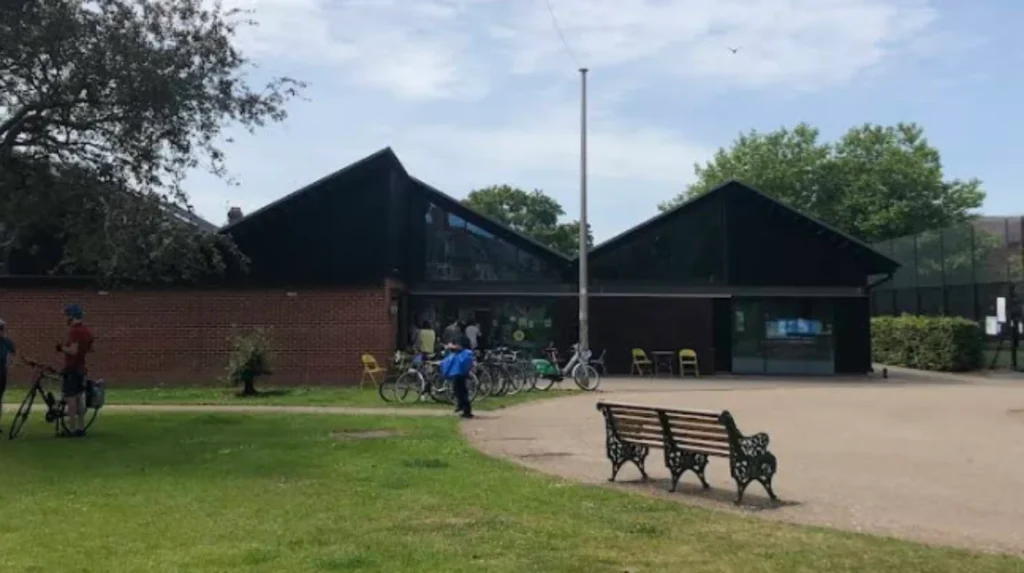
The most significant modern infrastructural development within the park is the Grange Pavilion. This facility developed from a multi-year partnership between local resident groups, Cardiff University, and organizations like the Grange Pavilion Youth Forum. The project secured £1.7 million in funding, primarily through the National Lottery Community Fund, to transform a former vacant groundskeeper’s bowls pavilion into a multi-use community center. Opened officially in 2020, the building features three rentable community rooms, an indoor cafe called the Hideout Cafe, public accessible toilets, and outdoor community allotment spaces. The building utilizes sustainable architecture, including rainwater harvesting systems and green roofs.
Sports and Fitness Facilities
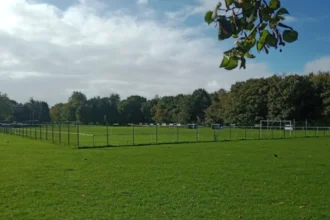
The park provides free access to outdoor sports infrastructure to promote physical health within the urban population. A modern Multi-Use Games Area (MUGA) occupies the northeastern section of the park. This asphalt-surfaced area is fully enclosed by high steel fencing and features integrated basketball hoops and five-a-side football goals. Adjacent to the MUGA, the park contains an outdoor adult gym zone. This fitness area includes weather-resistant resistance training equipment, such as chest presses, pull-down machines, parallel bars, and stationary bicycles, permanently anchored into safety surfacing.
Children’s Play Infrastructure
The children’s playground sits in the northwestern quadrant of Grange Gardens. The play area is separated from the rest of the park by safety fencing to prevent dog entry. The ground surface consists of impact-absorbing wet-pour rubber surfacing to mitigate fall injuries. The play equipment caters to different age groups, featuring toddler swings, junior swings, a multi-play climbing frame with slide attachments, spring seesaws, and sensory play panels designed for children with diverse physical capabilities.
What Are the Ecological and Environmental Features of Grange Gardens?
Grange Gardens functions as a vital green lung in an urban ecosystem, featuring mature trees, formal lawns, specialized rain gardens, pollinator-friendly planting schemes, and managed habitats that support urban biodiversity.
Urban Forestry and Canopy Cover
The park retains a selection of mature trees planted during its late Victorian development alongside mid-twentieth-century additions. The tree canopy comprises several key species:
- London Plane (Platanus x acerifolia): Positioned primarily along the perimeter paths, these trees provide substantial shade and intercept urban particulate air pollution.
- Common Lime (Tilia x europaea): These specimens line specific avenues, offering structural height and significant foraging resources for insects.
- Horse Chestnut (Aesculus hippocastanum): Located within the open lawn areas, contributing to the structural diversity of the canopy.
- Ornamental Cherry (Prunus species): Integrated into internal beds to provide early spring blossoms for pollinators.
These trees collectively reduce the local urban heat island effect, lower ambient air temperatures during summer months, and store atmospheric carbon.
Sustainable Urban Drainage Systems (SuDS)
During the construction of the Grange Pavilion, engineers integrated Sustainable Urban Drainage Systems (SuDS) directly into the landscape surrounding the building. The park features specialized rain gardens designed to manage surface water runoff. These rain gardens consist of shallow depressions filled with highly permeable soil mixtures and planted with water-tolerant native vegetation, including Yellow Iris (Iris pseudacorus) and Soft Rush (Juncus effusus). When heavy rainfall hits the roof of the pavilion and surrounding paved paths, the water routes into these gardens rather than entering the overloaded municipal sewer system. The plants and soil naturally filter pollutants like hydrocarbons and heavy metals before the water infiltrates into the underlying ground water table.
Biodiversity and Pollinator Initiatives
The management of Grange Gardens has shifted from intensive formal bedding toward biodiversity promotion. The park contains dedicated wildflower borders and unmown grass verges. These areas include native biennial and perennial plants, such as Oxeye Daisy (Leucanthemum vulgare), Red Campion (Silene dioica), and Common Knapweed (Centaurea nigra). These species provide constant nectar and pollen sources from spring through autumn for critical urban pollinators. Wild bee species, hoverflies, and butterflies rely heavily on these managed spaces within the urban core of Grangetown.
How Is Grange Gardens Managed and Maintained?
Grange Gardens is owned and managed by Cardiff Council Parks Service, which handles daily maintenance, horticulture, and safety, while working closely with community groups to ensure long-term sustainability.
Local Authority Ownership and Statutory Responsibility
Cardiff Council holds the statutory responsibility for the upkeep of Grange Gardens. The Parks Service deploys maintenance teams to execute routine operations throughout the calendar year. These activities include weekly grass cutting during the growing season (April to October), daily litter collection, clearance of public bins, seasonal tree pruning, and structural maintenance of the pathways and perimeter fencing. The council also conducts mandatory safety inspections on the children’s play equipment to comply with British Standard BS EN 1176 requirements.
Community-Led Co-Management
The management model of Grange Gardens stands as a leading example of community-led partnership in Wales. The Grange Pavilion CIO (Charitable Incorporated Organisation) handles the day-to-day operations of the pavilion building and its immediate outdoor grounds. This charity works under a long-term asset transfer agreement from Cardiff Council. This structure allows local residents to have a direct say in how the park facilities operate, manage room bookings, organize events, and apply for independent grant funding that is otherwise inaccessible to local government bodies.
Environmental Design and Security
To maintain public safety and deter anti-social behavior, the park follows standard urban design principles. The park operates under set opening hours; the gates are unlocked at dawn and locked at dusk daily by council rangers or designated security personnel. The open design of the park, featuring low-lying shrubbery and clear sightlines from the surrounding residential windows, maximizes natural surveillance. Lighting installations along the primary pathways adjacent to the Grange Pavilion ensure safe passage for pedestrians during late afternoon hours in winter.
Explore More Area Guide
Thompson’s Park Cardiff: Hidden History from Sir David’s Field to Victorian Park
Parc Cefn Onn Visitor Guide Cardiff: Trails, Wildlife, History and Access
What Role Does Grange Gardens Play in the Local Community?
Grange Gardens functions as the premier social anchor for Grangetown, providing space for health interventions, multicultural integration, educational outreach, and localized climate change adaptation initiatives.
Social Cohesion and Multicultural Integration
Grangetown is one of the most ethnically diverse electoral wards in Wales, with over 40% of the population identifying as Black, Asian, or Minority Ethnic (BAME). Grange Gardens serves as a shared canvas where various cultural groups interact. The Grange Pavilion regularly hosts community events, language classes, and cultural celebrations, such as Eid gatherings and Diwali festivals. By offering a neutral, accessible, and free public space, the park helps reduce social isolation and bridges cultural gaps among residents of differing backgrounds.
Health and Wellbeing Impacts
Public health data consistently indicates that access to high-quality green space correlates with lower levels of psychological distress and improved cardiovascular health. Grange Gardens provides the only accessible outdoor green space within a five-minute walking radius for approximately 5,000 Grangetown residents. The inclusion of the outdoor gym, sports fields, and walking paths facilitates regular physical activity. Furthermore, healthcare professionals in Cardiff utilize the park for “green prescribing,” a practice where patients suffering from anxiety, depression, or chronic illnesses are directed to outdoor activities and community volunteering groups within the park to improve their health.
| Facility Type | Core Function | Target Demographic | Access Model |
| Grange Pavilion | Community Hub & Indoor Cafe | All Residents | Free Access / Rental Fee for Rooms |
| Bandstand | Historic Structure & Gathering | Historians / General Public | Free Open Access |
| Playground | Children’s Physical Recreation | Toddlers to Pre-teens | Enclosed Free Access |
| Outdoor Gym | Adult Physical Fitness | Ages 16 and Above | Free Open Access |
| Rain Gardens | Sustainable Urban Drainage | Local Ecosystem | Environmental Utility |
Educational Outreach and University Partnerships
The proximity of Cardiff University has resulted in Grange Gardens becoming a live research site for urban studies and community engagement. The “Community Gateway” project, led by Cardiff University’s Welsh School of Architecture, directly supported the development of the park’s community hub. This partnership continues to deliver educational benefits. Architecture, social science, and environmental science students utilize the park for field research. In return, the university runs free educational workshops, youth mentoring schemes, and science festivals within the Grange Pavilion, providing local children with direct pathways to higher education resources.
What Are the Future Challenges and Adaptation Plans for the Park?
The future management of Grange Gardens must address the challenges of urban climate change, intense population density, funding limitations, and continuous infrastructural maintenance requirements.
Climate Change Adaptation Strategies
Climate projections for South Wales indicate an increase in intense winter rainfall events and prolonged summer heatwaves. Grange Gardens must adapt to these stressors. The success of the initial rain gardens has prompted plans to expand sustainable drainage across other sectors of the park. Future horticultural planning prioritizes drought-resistant tree species to replace aging Victorian specimens, ensuring the urban canopy survives rising temperatures. Increasing the total area of un-mown lawns will also help maximize groundwater absorption during sudden downpours.
Managing High Footfall and Urban Density
As Cardiff continues to densify, Grangetown faces ongoing residential developments, including the conversion of older commercial properties into high-density apartments. This population growth intensifies the pressure on Grange Gardens, which cannot physically expand its 4-acre perimeter. The high footfall leads to rapid wear and tear on turf surfaces, compaction of soil around tree roots, and accelerated degradation of play equipment. To mitigate this, Cardiff Council and the Grange Pavilion CIO must implement durable surfacing solutions, rotate lawn use during events, and schedule proactive maintenance cycles to preserve the park’s physical integrity.
Funding and Financial Sustainability
Public sector budgets face ongoing constraints, making the traditional model of total reliance on local authority funding risky for urban parks. The future viability of Grange Gardens depends heavily on the hybrid financial model established via the Grange Pavilion. The pavilion generates revenue through room rentals, corporate events, and cafe sales, which reinvests directly into the maintenance of the hub and its immediate grounds. Ensuring the long-term volunteer base remains active and securing corporate sponsorships from businesses operating in nearby Cardiff Bay will be essential to shield the park from municipal budget cuts.
How Can Visitors Best Experience Grange Gardens?
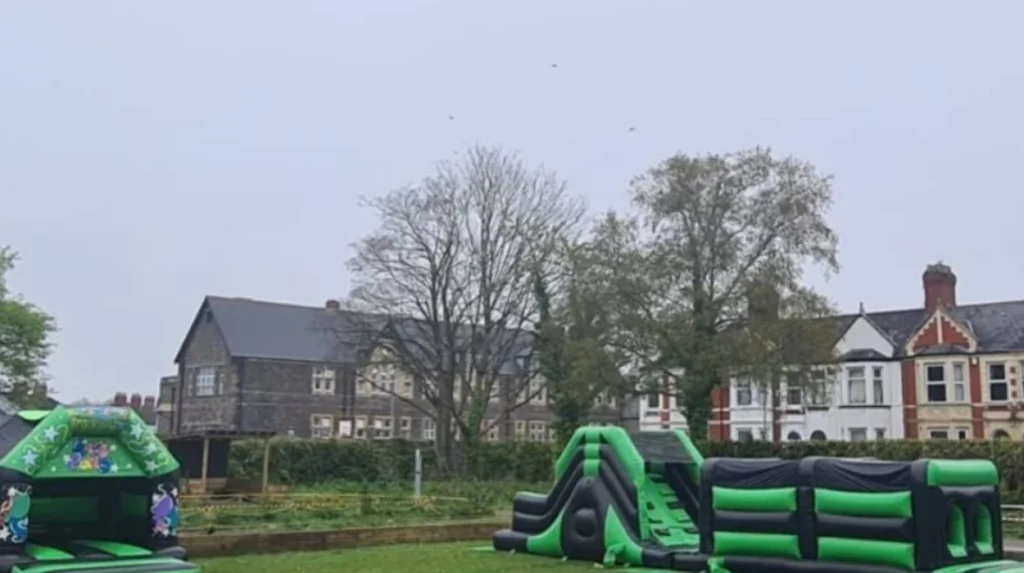
Visitors can experience Grange Gardens through daily leisure visits, participating in community-led workshops, attending seasonal events at the bandstand, or volunteering for local environmental initiatives.
Recreational Visiting and Amenities
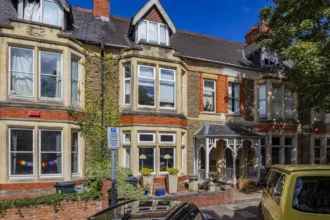
For general visitors, Grange Gardens is open 365 days a year, with specific seasonal closing times posted at the entrance gates. The park is optimized for walking, jogging, picnicking, and casual sports. The Hideout Cafe inside the Grange Pavilion provides hot food, beverages, and indoor seating options, making the park a usable space during inclement weather. The layout allows for self-guided historical tours focusing on the Victorian bandstand and the distinct architectural eras visible in the surrounding terraced streets.
Volunteering and Community Participation
The ongoing maintenance of the park’s biodiversity relies significantly on citizen involvement. The Grange Pavilion organizes regular volunteering sessions, which include:
- Community Gardening: Maintaining the raised allotment beds and pruning pollinator borders.
- Litter Picks: Organized neighborhood clean-up events to keep the park pristine.
- Youth Mentoring: Supporting youth-led programs at the pavilion.
These initiatives allow residents and visitors to contribute directly to the park’s sustainability while developing practical skills in horticulture and conservation.
Accessing Information and Event Calendars
To maximize a visit, individuals can access digital resources maintained by the community hub. The Grange Pavilion website provides up-to-date information regarding room availability, public workshop schedules, and special event listings. Cardiff Council’s parks portal offers broader updates concerning park maintenance schedules, safety notices, and statutory regulations governing the space. Utilizing these platforms ensures visitors align their attendance with the diverse cultural, educational, and recreational offerings available at Grange Gardens.
What is Grange Gardens?
Grange Gardens is a historic public park in the Grangetown area of Cardiff. Opened in 1886, it provides green space, community facilities, sports amenities, a children’s playground, and a Grade II listed Victorian bandstand, making it one of the area’s most important public parks.