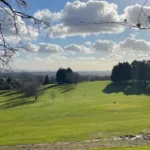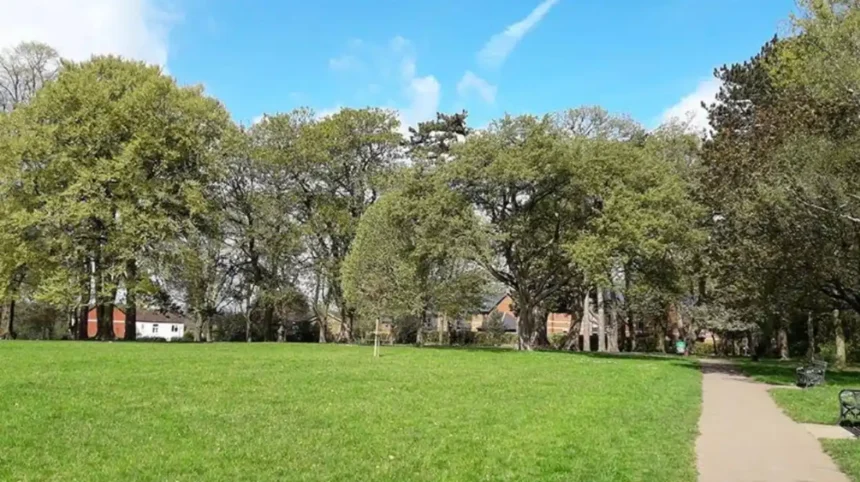
Thompson’s Park is a Grade II listed Victorian public park in the Canton area of Cardiff, originally known as Sir David’s Field, opened to the public in 1891 by philanthropist Charles Thompson and later gifted to Cardiff Council in 1912. Its hidden history lies in its medieval name, its 19th‑century transformation into ornamental gardens, and the Thompson family’s wider role in Cardiff’s milling, civic, and cultural life.
- What is Thompson’s Park and where is it in Cardiff?
- Why was Thompson’s Park originally called Sir David’s Field?
- Who was Charles Thompson and what did he do for the park?
- How did Sir David’s Field become a Victorian public park?
- What are the key historic features of Thompson’s Park?
- What additional land did Thompson buy to protect the park?
- How does Thompson’s Park relate to other Cardiff parks and open spaces?
- What is the current status and use of Thompson’s Park?
What is Thompson’s Park and where is it in Cardiff?
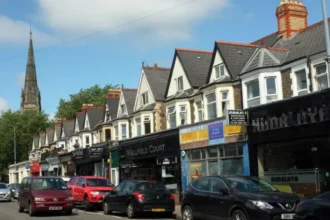
Thompson’s Park is a historic public park in Canton, west Cardiff, bordered by Romilly Road, Sir David’s Avenue and Pencisely Road. It sits near Victoria Park and Llandaff Fields and is managed by Cardiff Council as a listed heritage site.
Thompson’s Park occupies a defined urban green space in the Canton community, with its main entrance on Romilly Road to the south. The park is catalogued as a Grade II listed historic park and garden, reflecting its special architectural and historic interest under UK planning law. Its location close to the A4119 corridor makes it a key pocket of open space for residents of western Cardiff.
The site is accessible from several streets, including Sir David’s Avenue and Pencisely Road, and is served by multiple Cardiff Bus routes such as 25, 33A/B, 61, 62/62A, and local services like 32/320/322. This multi‑access layout supports daily use by families, older residents, and commuters who pass through Canton.
Why was Thompson’s Park originally called Sir David’s Field?
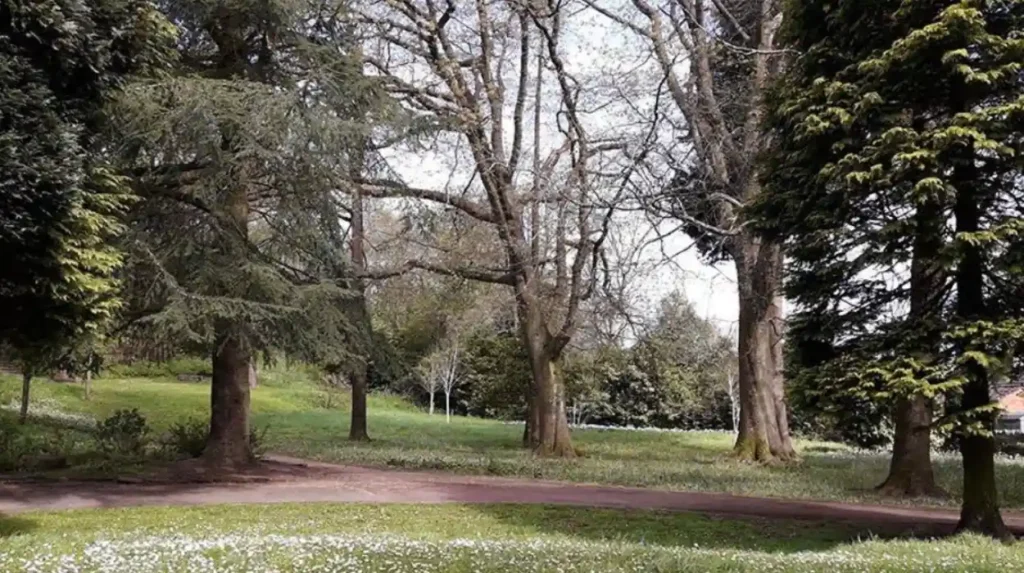
Thompson’s Park was historically known as Sir David’s Field (Cae Syr Dafydd), a name linked to 15th‑century landholder Syr Dafydd Matthew of Llandaff. The field name survived into the 19th century before the park became commonly known by the Thompson name.
The historic name Sir David’s Field derives from association with the Mathew family of Llandaff, who are believed to have owned the land during the 15th century. More specifically, the field is thought to take its name from Syr Dafydd Matthew, who lived in the 15th century and was granted land in the parish of Llandaff for services to King Edward IV. This medieval origins story connects the site to Cardiff’s broader manorial and parish history, beyond its Victorian redevelopment.
By the late 19th century, the land was still referred to as Sir David’s Field in local usage and maps, even as it formed part of Charles Thompson’s private estate. Charles Thompson himself wished that the park retain this older name, but public usage increasingly favoured “Thompson’s Park” after his gift to the city. The survival of the original name in records, local memory, and street names (such as Sir David’s Avenue) preserves a layer of hidden history beneath the modern title.
Who was Charles Thompson and what did he do for the park?
Charles Thompson (1851–1938) was a prominent Cardiff philanthropist and businessman from the Spillers milling family. He opened his private gardens at Sir David’s Field to the public in 1891, enlarged them in 1895, and transferred the park’s freehold to Cardiff Council in 1912.
Charles Thompson was a member of the Thompson family, originally from the West Country, who controlled Spillers Milling, a major Cardiff-based milling and dock enterprise that moved its head office to Cardiff in 1860. His father, Charles Thompson (1815–1889), became chairman of the company and lived at Preswylfa House in Clive Road, Canton. Charles Thompson (1851–1938) lived at Penhill Close and owned the land known as Sir David’s Field, which he developed as ornamental gardens.
In 1891, Charles Thompson opened these private gardens to the public of Cardiff, creating one of the city’s earliest examples of a privately owned garden given informal public access. He then commissioned the well-known garden designer William Goldring (sometimes recorded as William Goldring/Golding) to enlarge and formally lay out the gardens around 1895, adding structured planting, paths, and landscape features. In 1912, he conveyed the freehold of the park to Cardiff Council, while continuing to manage and fund its upkeep until 1924.
Thompson’s involvement extended beyond this single park. His brother Herbert Metford Thompson (1856–1939) served as a city councillor and alderman and helped enable the city to acquire Llandaff Fields as open space alongside Thompson’s Park. Another relative, James Pyke Thompson (1846–1897), was a benefactor of the National Museum of Wales and built the Turner House gallery in Penarth. This family network shows how industrial wealth, civic service, and cultural philanthropy shaped Cardiff’s public landscape.
How did Sir David’s Field become a Victorian public park?
Sir David’s Field was transformed from private land into a formal Victorian public park through Charles Thompson’s opening of his gardens in 1891, William Goldring’s 1895 landscaping, and the 1912 transfer of ownership to Cardiff Council. The park retained much of its original layout and tree planting.
The transformation began when Charles Thompson decided to open his private gardens at Sir David’s Field to the general public in 1891, converting what was essentially a domestic estate garden into a shared civic space. This act anticipated later municipal park schemes by making high-quality ornamental landscaping accessible without charge to all residents.
Around 1895, Thompson commissioned William Goldring, a prominent garden designer of the period, to enlarge and formally remodel the gardens. Goldring’s work added structured planting, defined pathways, and ornamental features that characterised Victorian public parks. Much of this original landscape layout, including tree planting and key features, was retained into the 20th and 21st centuries, giving the park its current historic character.
In 1912, the freehold of the park was conveyed to Cardiff Council, marking the formal transition from private philanthropy to public ownership and management. Thompson continued to manage and fund maintenance until 1924, after which Cardiff City took over full control. To protect the park from development, Thompson also purchased three additional strips of land in 1913, 1918 and 1919, reinforcing the site’s permanence as open space.
What are the key historic features of Thompson’s Park?
Thompson’s Park contains original Victorian landscape elements, ornamental planting, a pond, a fountain, and stone markers with Roman numerals from the 1912 land transfer. Later additions include a modern kiosk, flower beds, and a tree carving of a “green man”.
The southern end of the park historically featured a pond, a fountain, and the bronze sculpture “Joyance” by Sir William Goscombe John, which became a focal point for postcard imagery and public identity. The original fountain and sculpture have been subject to replacement or facsimiles over time; current features include a plastic facsimile of the “Joyance” statue at the fountain, alongside ornamental flower beds and a modern brick-built kiosk.
Square cross-section stones bearing Roman numerals are positioned around the park and relate to the original 1912 land transfer and boundary definitions. These markers serve as physical evidence of the legal and administrative process that converted Sir David’s Field into a council-owned park. They also provide visitors with a tangible link to the park’s early 20th‑century history.
Later enhancements include a large tree carving depicting a “green man”, which adds a contemporary artistic layer to the historic landscape. Ornamental flower beds and maintained planting continue the Victorian tradition of decorative horticulture within a public setting. The retention of much of the original tree planting and layout ensures that the park’s 19th‑century design remains legible today.
What additional land did Thompson buy to protect the park?
Charles Thompson purchased three extra strips of land in 1913, 1918 and 1919 to shield Thompson’s Park from surrounding development. These acquisitions reinforced the park’s boundaries and ensured its continued use as open space.
After transferring the park’s freehold to Cardiff Council in 1912, Thompson remained concerned about the risk of encroachment and development on adjacent land. In response, he bought three separate strips of land in 1913, 1918 and 1919, strategically positioned to buffer the park from potential housing or commercial expansion.
These purchases were part of a broader pattern of Thompson family involvement in protecting open space in Cardiff. Alongside Thompson’s Park, Herbert Metford Thompson worked with civic partners to enable the city to acquire Llandaff Fields as a complementary open space. The additional strips around Thompson’s Park helped maintain a coherent green corridor in Canton and reflected long-term thinking about urban planning and public amenity.
By retaining control over these boundary parcels until 1924, Thompson ensured that the park’s setting remained stable during a period of rapid urban growth in Cardiff. This proactive protection measures explains why the park still exists as a defined, largely unaltered Victorian landscape in a densely built area.
Explore More Area Guide
Forest Farm Nature Reserve Cardiff: Visit Guide & Wildlife
Bute Park Walking Routes: Best Cardiff Trails, Maps, and Family Paths
How does Thompson’s Park relate to other Cardiff parks and open spaces?
Thompson’s Park is one of Cardiff’s oldest parks and forms part of a network of western Cardiff open spaces including Victoria Park and Llandaff Fields. The Thompson family helped create or protect several of these sites.
Thompson’s Park is explicitly described as one of Cardiff’s oldest parks, placing it among the city’s earliest Victorian public gardens. Its location near Victoria Park and Llandaff Fields creates a cluster of substantial green spaces in west Cardiff, offering residents multiple options for recreation and quiet walks.
The Thompson family’s role extended beyond this single site. Herbert Metford Thompson, as a city councillor and alderman, was instrumental in enabling Cardiff to purchase Llandaff Fields as open space, complementing the earlier gift of Thompson’s Park. This coordinated approach to open space provision helped establish a pattern of civic philanthropy and municipal acquisition that shaped Cardiff’s park system.
Together, these parks form a significant part of Cardiff’s urban green infrastructure, supporting biodiversity, leisure, and community well-being. Thompson’s Park remains a smaller but historically rich element within this broader network, distinguished by its medieval name, private origin, and Grade II listed status.
What is the current status and use of Thompson’s Park?
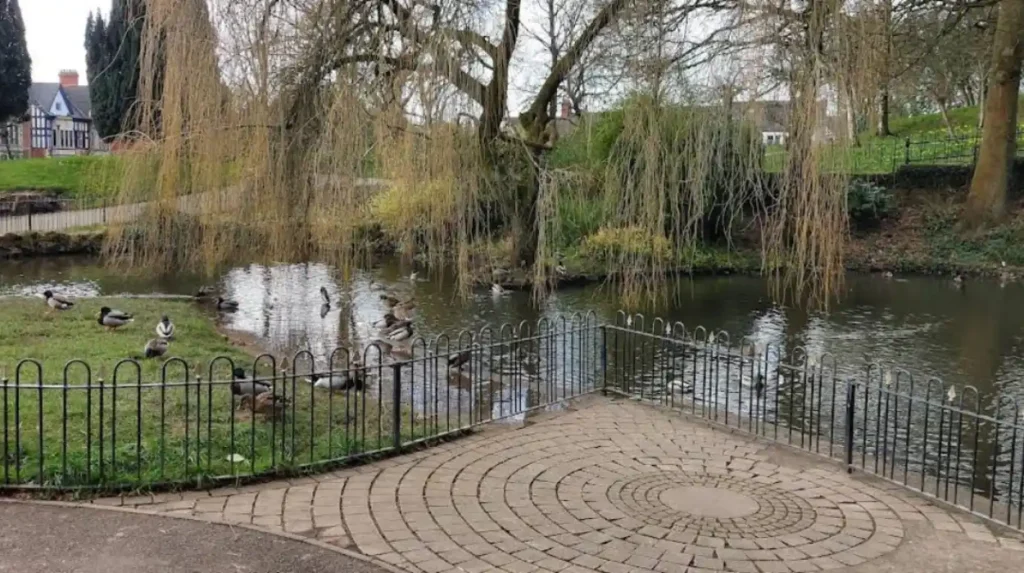
Thompson’s Park is a publicly accessible, Grade II listed park managed by Cardiff Council. It is open daily for general use and functions as a peaceful urban green space with ornamental gardens, woodland areas, and community amenities.
The park is designated as a municipal site open daily for general public use, managed by Cardiff Council through its parks and open spaces service. Visitors can access the park via Romilly Road, Sir David’s Avenue, and Pencisely Road, with multiple bus routes serving the area, making it suitable for daily recreation, family visits, and short breaks.
Current uses include walking, informal leisure, and quiet reflection in a setting that combines ornamental flower beds, woodland pockets, and open grassed areas. The presence of a modern kiosk, flower beds, and artistic features such as the green man tree carving supports contemporary community use while the historic layout and listed status ensure protection of its Victorian character.
As a listed historic park, Thompson’s Park is subject to planning controls that safeguard its special interest. Any significant changes to landscape features, structures, or access must consider its heritage value. This legal framework ensures that the park’s hidden history—from Sir David’s Field to Charles Thompson’s philanthropy—remains visible and preserved for future generations in Cardiff.
What is Thompson’s Park in Cardiff?
Thompson’s Park is a Grade II listed Victorian public park in the Canton area of Cardiff. Originally opened to the public in 1891 by philanthropist Charles Thompson, it features ornamental gardens, mature trees, woodland walks, a fountain, and open green spaces for recreation and relaxation.