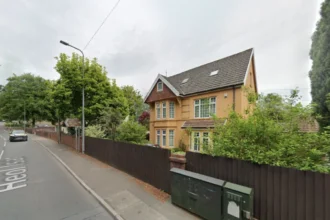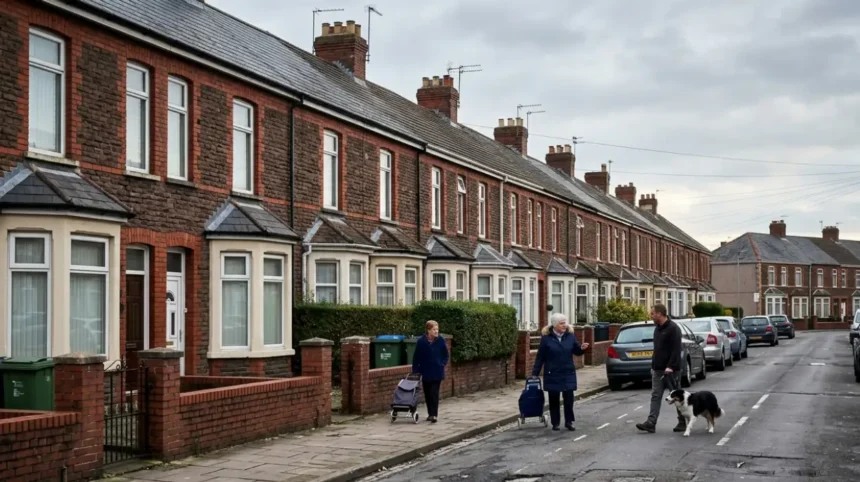
Splott is a historically industrial, working-class district located in the southeast of Cardiff, Wales. It serves as a residential hub characterized by high-density Victorian terraced housing, providing an accessible and central living environment for city workers.
- What is the historical background of Splott in Cardiff?
- What are the primary advantages of living in Splott?
- What are the common concerns voiced by residents regarding Splott?
- How does Splott compare to other Cardiff neighborhoods?
- What is the current state of infrastructure in the area?
- Is Splott considered a safe place for families?
- What future developments are expected to impact Splott?
What is the historical background of Splott in Cardiff?
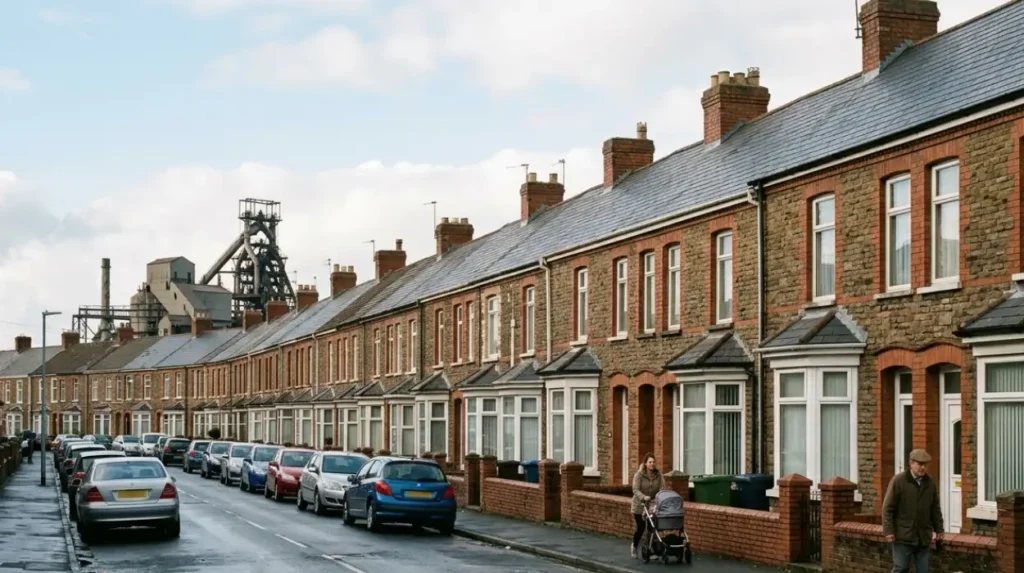
Splott evolved from rural agricultural land into a densely populated industrial suburb during the late 19th century to accommodate the workforce of the nearby East Moors Steelworks and the Cardiff Docks.
The area derived its name from the Middle English word “splott,” denoting a plot of land. Following the rapid expansion of the iron and steel industries in the 1880s, the district saw the construction of thousands of terraced houses. These structures provided immediate proximity to employment for manual laborers. Following the decline of heavy industry in the late 20th century, Splott transitioned into a predominantly residential area. Today, it remains defined by its architectural heritage and its evolution from an industrial heartland into a diverse community for modern Cardiff residents.
What are the primary advantages of living in Splott?
Residents identify affordability, central location, and strong community spirit as the primary advantages of living in Splott, offering significant value compared to more expensive, fashionable districts within the Cardiff city region.
The housing stock in Splott consists largely of traditional, solid Victorian terraced properties that often feature more floor space per pound compared to newer developments in Cardiff. Proximity to the city center allows residents to commute via walking or cycling, reducing reliance on private vehicles. The area includes several essential amenities, such as local grocery shops on Clifton Street, the Star Hub (which houses a library and swimming pool), and local parks. Furthermore, a dedicated community culture has emerged, led by local groups that organize litter picks, communal gardening projects, and neighborhood social gatherings.
What are the common concerns voiced by residents regarding Splott?
Common resident concerns in Splott include intense competition for on-street parking, noise disturbances from local social venues, and occasional perceptions of antisocial behavior in specific segments of the neighborhood.
Parking issues are frequently cited, particularly on streets near local primary schools or high-density housing blocks where the volume of vehicles exceeds available street capacity. Some residents report noise levels originating from social clubs or community venues during weekend evenings. While many long-term inhabitants describe the area as safe, others note that the reputation of adjacent areas—such as parts of Tremorfa and Adamsdown—occasionally influences public perception of the district’s safety. Furthermore, the lack of a diverse night-time economy, such as high-end restaurants or bars, is noted by individuals who prefer the amenities found in suburbs like Roath or the Cardiff Bay area.
How does Splott compare to other Cardiff neighborhoods?
Splott offers a grounded, working-class character that differs from the affluent, trend-driven environments of areas like Pontcanna or the recreational focus of Cardiff Bay, appealing primarily to residents prioritizing value and connectivity.
Neighborhoods in Cardiff exhibit distinct socio-economic profiles based on their historical development and current property market dynamics. For instance, areas like Pontcanna are characterized by high property values and a prevalence of independent boutiques and restaurants. In contrast, Splott maintains a more traditional residential feel with limited commercial development. While Penylan is known for its quiet, suburban streets and larger semi-detached houses, Splott retains its high-density terraced structure, which fosters a high degree of proximity between neighbors. The following characteristics differentiate these areas:
- Property Type: Splott is defined by Victorian terraces; Pontcanna features larger townhouses; Penylan is known for semi-detached residences.
- Economic Focus: Splott serves as an affordable residential base for commuters; Cardiff Bay focuses on leisure and waterfront dining; Roath offers a mix of student accommodation and family housing.
- Social Dynamics: Splott benefits from a strong, long-standing community spirit; more fashionable areas often experience higher turnover due to the transient nature of high-end renting.
What is the current state of infrastructure in the area?
Infrastructure in Splott centers on essential community services, including a library, leisure facilities, and local retail outlets, though the district’s aging street layout poses challenges for modern traffic and parking demands.
The Star Hub represents the primary infrastructure investment in the district, serving as a multifunctional community space for physical fitness, digital access, and social engagement. Local retail is concentrated along arterial roads like Splott Road and Clifton Street, providing basic necessities such as pharmacies, grocers, and bakeries. However, the road network, designed for a Victorian era of horse-drawn transport, struggles to accommodate the volume of modern private cars. This results in consistent challenges for residents attempting to park near their homes, particularly as nearby schools and local institutions draw additional traffic into residential streets.
Is Splott considered a safe place for families?
Data and resident feedback indicate that Splott is a typical working-class neighborhood where families express positive experiences regarding safety and neighborly relations, despite historical stigmas that may not reflect contemporary reality.
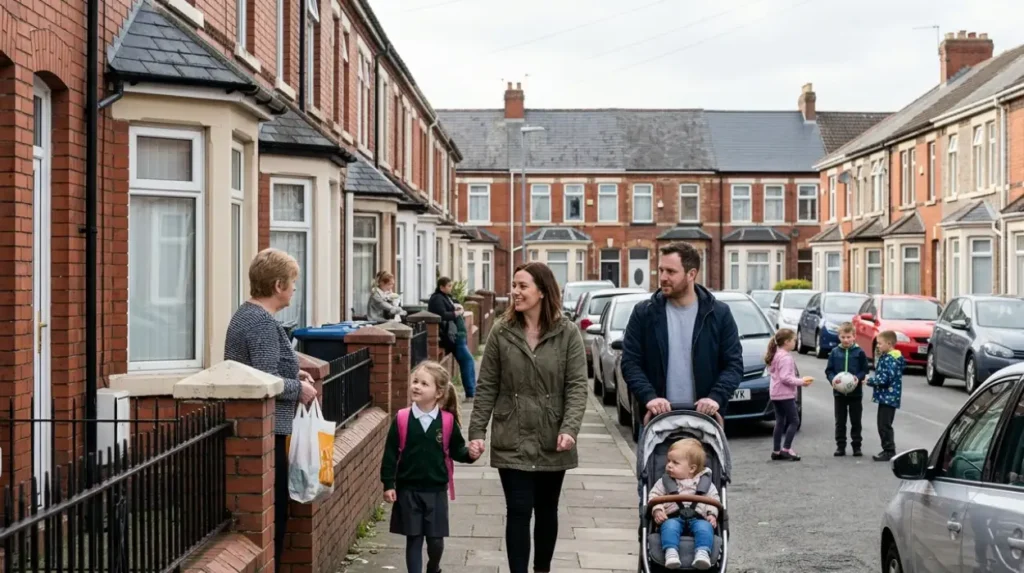
Many families choose to reside in Splott due to the availability of space and the relative affordability of the housing stock. While incidents of petty crime or antisocial behavior occur in urban centers across the United Kingdom, residents frequently report that they do not experience significant personal trouble within their immediate street environments. The presence of community-driven initiatives contributes to a sense of shared responsibility and local oversight. Families typically find that the area provides a stable environment, provided they navigate the specific logistical limitations regarding parking and local nightlife, which differ significantly from quiet suburban outskirts.
What future developments are expected to impact Splott?
Future impacts on Splott are linked to the ongoing expansion of the Cardiff metropolitan area, which continues to drive demand for affordable, centrally located housing, potentially leading to increased property values and demographic shifts.
As property prices rise in more established Cardiff suburbs, young professionals and first-time buyers increasingly view Splott as a viable alternative for home ownership. This demographic shift often precedes further investment in local services and private commercial ventures, such as independent cafes or creative workspaces. While such development can enhance the area’s profile, it simultaneously creates pressure on existing residents regarding housing costs and gentrification. The future relevance of Splott as a residential hub depends on its ability to modernize its physical infrastructure—particularly parking and green space access—while maintaining the community cohesion that currently defines the district.
What is Splott in Cardiff?
Splott is a working-class residential district in southeast Cardiff, known for its Victorian terraced housing and proximity to the city centre.