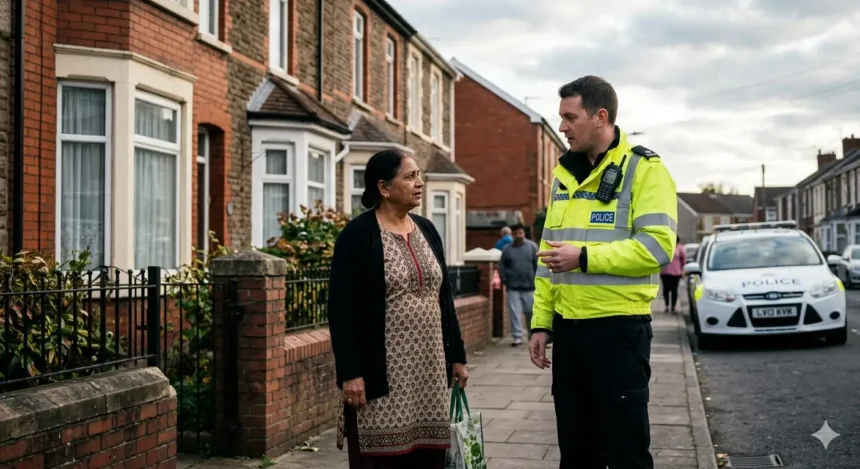
Grangetown, a resilient Cardiff neighbourhood, has long been a focal point for community stories that blend everyday life with moments of stark urgency. While specific investigations evolve, understanding the patterns of safety responses in this area offers timeless insight into how authorities maintain order and transparency.
- Grangetown’s Community Context
- Typical Police Procedures in Stabbing Cases
- What Authorities Routinely Confirm
- Historical Patterns in Cardiff Incidents
- Victim Support and Hospital Protocols
- Forensic Science in Modern Investigations
- Community Role in Resolutions
- Broader Safety Strategies in Cardiff
- Challenges in Urban Enquiries
- Media’s Influence on Public Perception
- Long-Term Impacts on Neighbourhoods
- Police Transparency Commitments
Grangetown’s Community Context
Nestled in Cardiff’s southern reaches, Grangetown embodies the city’s multicultural heartbeat, with its terraced homes, bustling streets like Penarth Road, and proximity to the docks shaping a tight-knit identity. This area has historically drawn families from diverse backgrounds, fostering a sense of solidarity amid urban challenges. Police efforts here often reflect broader strategies to build trust, as officers engage locals through visible patrols and public updates to address concerns proactively.
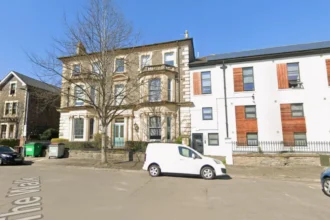
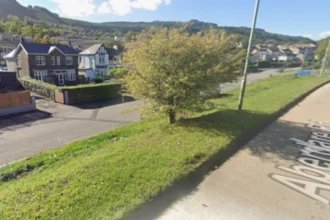
The neighbourhood’s layout, with key spots like Saeger Drive and Taff Embankment, influences how incidents unfold and are contained. Residential blocks and main thoroughfares create natural perimeters for inquiries, allowing swift action while minimising disruption. Such geography underscores why South Wales Police prioritises rapid cordons and community liaison in their protocols.
Typical Police Procedures in Stabbing Cases
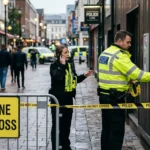
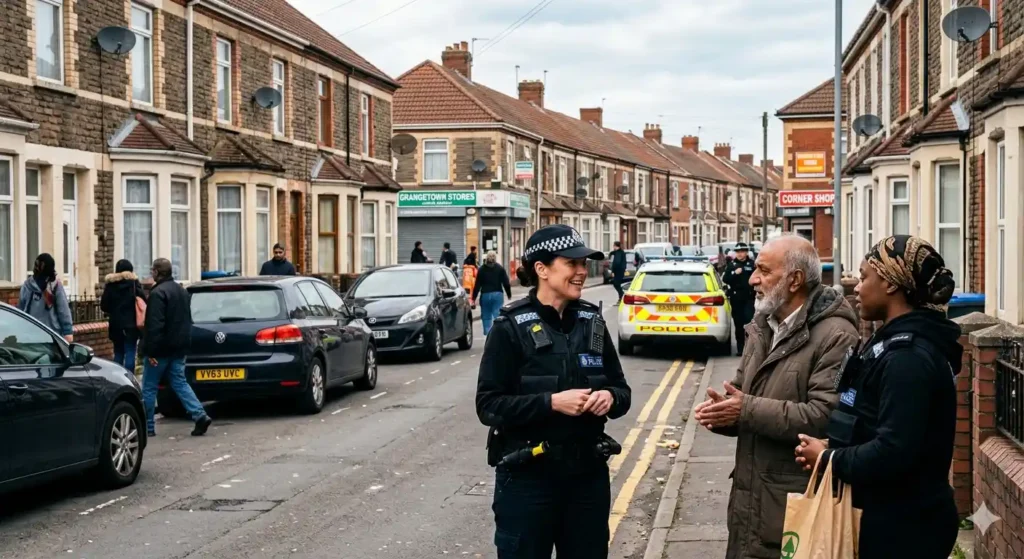
When a stabbing occurs, South Wales Police follows a structured protocol honed over years of service in high-density areas like Grangetown. Initial response teams secure the scene within minutes, establishing perimeters to preserve evidence such as footprints or discarded items. Medical prioritisation comes next, with victims directed to facilities like the University Hospital of Wales, just minutes away by ambulance.
Forensic units then sweep the area, collecting samples under controlled conditions to trace weapons or DNA. This methodical approach ensures chain-of-custody integrity, vital for court proceedings. Officers also canvass witnesses door-to-door, leveraging local knowledge to piece together timelines without speculation.
What Authorities Routinely Confirm
Police statements in Grangetown incidents consistently emphasise verified facts to counter rumours. They detail the victim’s condition, such as treatment for stab wounds, without naming individuals until family notifications. Location and time are pinpointed precisely, like “Saeger Drive at 21:50 BST,” to aid public recall.
No-arrest updates signal ongoing enquiries, reassuring residents while urging tips via non-emergency lines. South Wales Police often highlights multi-agency involvement, including forensics and specialists, to demonstrate thoroughness. These communications, released via press briefings, prioritise public safety over sensationalism.
Historical Patterns in Cardiff Incidents
Grangetown’s history reveals recurring themes in violence responses, from 2019 cases involving multiple suspects to earlier assaults on streets like Clydach Street. In one instance, a ferocious attack led to convictions after forensic links tied weapons to perpetrators, showcasing investigative rigour. Courts have jailed offenders based on eyewitness and 999 call evidence, reinforcing deterrence.
These precedents inform current tactics, where digital tools like facial recognition supplement traditional methods. Patterns show most incidents stem from altercations among known parties, resolved through persistent enquiries rather than immediate arrests. This continuity highlights police adaptability in a changing urban landscape.
Victim Support and Hospital Protocols
The University Hospital of Wales serves as Cardiff’s frontline for trauma, equipped with advanced surgical suites for stab injuries. Victims receive immediate stabilisation, followed by specialist care to address internal damage or infection risks. Police liaisons embed with medical teams to gather statements ethically, respecting recovery.
Family assistance from trained officers provides emotional scaffolding, a practice refined across decades. This holistic support extends to community hubs, where updates quell anxiety. Such measures not only aid healing but also gather crucial details for resolution.
Forensic Science in Modern Investigations
Forensic advancements have transformed Grangetown cases, with scene-of-crime officers using luminol for trace blood and digital imaging for 3D reconstructions. DNA swabbing from perimeters yields profiles within hours, cross-referenced against national databases. Weapon analysis, including blade trajectory, reconstructs events for prosecutors.
These techniques, drawn from academic protocols, minimise contamination risks in open-air scenes. Integration with CCTV from nearby businesses amplifies accuracy, turning vague reports into prosecutable evidence. Police training emphasises this precision, ensuring Grangetown’s complex environments don’t hinder justice.
Community Role in Resolutions
Residents often prove pivotal, with anonymous tips via Crimestoppers resolving stalled enquiries. Grangetown’s community forums and neighbourhood watches amplify calls for vigilance, fostering a culture of shared responsibility. Police encourage this through open days, detailing how public input shaped past outcomes.
Transparency builds cooperation; regular briefings on perimeters or road closures keep trust intact. This partnership model, evident in historical successes, underscores that investigations thrive on collective awareness rather than isolation.
Broader Safety Strategies in Cardiff
South Wales Police deploys targeted patrols in Grangetown, informed by crime data analytics predicting hotspots. Knife amnesty programmes and youth engagement reduce weapon prevalence, addressing root causes proactively. Collaboration with Cardiff Council enhances lighting and CCTV, deterring opportunists.
These layered defences create a resilient framework, where individual incidents inform city-wide prevention. Educational campaigns in schools demystify reporting, empowering youth to intervene safely.
Challenges in Urban Enquiries
Dense housing complicates scene security, as secondary contamination risks rise with foot traffic. Witness reluctance, tied to local loyalties, tests officer diplomacy. Yet, persistent canvassing and tech offsets these hurdles, as seen in multi-day operations yielding breakthroughs.
Resource allocation balances Grangetown with city demands, but specialised units ensure focus. This resilience turns potential setbacks into procedural evolutions.
Media’s Influence on Public Perception
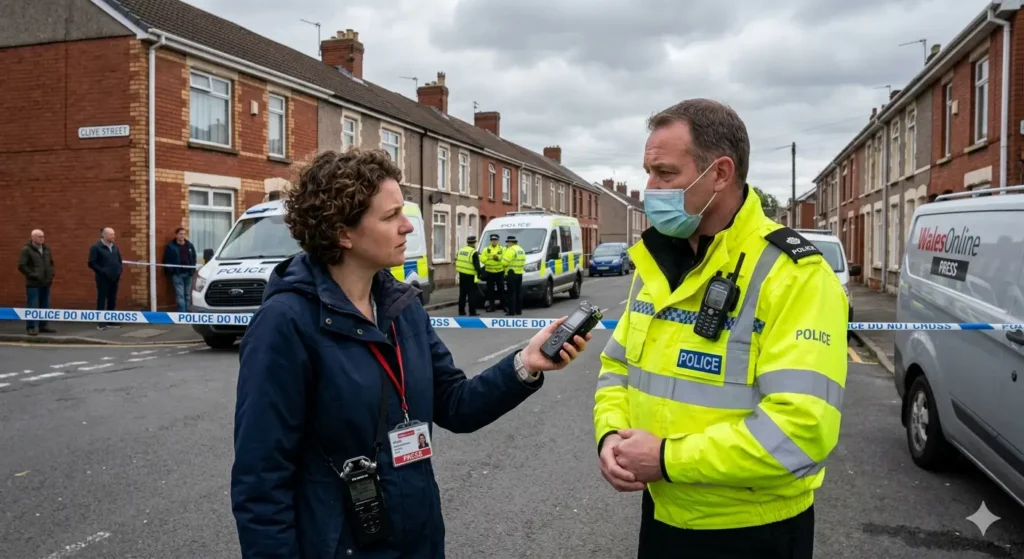
Local outlets like WalesOnline shape narratives, relaying police confirmations to curb misinformation. Balanced reporting details cordons and appeals without graphic speculation, aligning with force guidelines. This symbiosis ensures facts reach Grangetown swiftly, calming tensions.
Digital platforms amplify reach, though police caution against unverified shares. Responsible coverage has historically aided witness emergence, proving media’s constructive edge.
Long-Term Impacts on Neighbourhoods
Post-incident, Grangetown rebounds through community events reclaiming streets, bolstered by visible policing. Economic stability follows, as safety perceptions attract investment. Historical data shows violence dips after resolutions, validating proactive measures.
This cycle of response and renewal defines the area’s enduring spirit, where challenges forge stronger bonds.
Police Transparency Commitments
South Wales Police upholds a pledge to update via official channels, detailing enquiry progress without compromising operations. Public meetings dissect lessons, refining tactics for future efficacy. This openness, rooted in policy, sustains confidence across Cardiff.
Grangetown’s story illustrates how vigilance and verification intertwine for safer tomorrows.
What is Grangetown Cardiff known for?
Grangetown is known for its diverse community and is currently in focus due to a police investigation into a reported stabbing.