The Llanishen housing demolition project represents a major urban redevelopment initiative in north Cardiff, Wales. This comprehensive transformation involves the demolition of the former HMRC tax office complex and its replacement with a substantial residential and community development. The project encompasses the creation of up to 250 new houses, 70 retirement apartments, a care home, employment units, and a health centre on a significant urban brownfield site.
- When Did the Llanishen Housing Demolition Start?
- What Building Was Demolished in Llanishen?
- Why Was the Llanishen Tax Office Demolished?
- What Concerns Did Llanishen Residents Raise About the Demolition?
- Who Is Managing the Llanishen Housing Demolition Project?
- What Is the Historical Context of the Llanishen Site?
- What Are the Implications of the Llanishen Housing Redevelopment?
Llanishen is a district and community in north Cardiff with a 2011 census population of 17,417 residents. The demolition and redevelopment address the need for housing supply and community facilities in this established suburban area while revitalizing a landmark site that has remained vacant since 2020.
When Did the Llanishen Housing Demolition Start?
The demolition of the Llanishen HMRC tax office buildings received approval from Cardiff Council in August 2022, with initial demolition work commencing in 2023, though delays occurred due to resident safeguarding concerns that required addressing before proceeding with full-scale demolition operations.
The formal decision to demolish the Llanishen tax office complex occurred at a Cardiff Council meeting held in August 2022. This approval marked the culmination of planning discussions and stakeholder consultations regarding the future use of the site. The demolition process did not immediately begin following this approval decision. Original plans called for demolition work to commence in September 2022, but this timeline proved unrealistic and the project experienced significant delays.
Safeguarding concerns raised by local residents necessitated addressing multiple issues before demolition could proceed. These concerns encompassed resident safety considerations, protection of resident property from dust and debris, and preservation of local wildlife habitats. Additional concerns focused on anticipated increases in traffic from contractor vehicles and construction equipment operating throughout the neighbourhood. These legitimate resident concerns required formal responses and mitigation measures before work could legally commence.
The first stages of demolition operations began in 2023, with work continuing through the summer months of that year. By June 2023, the initial demolition phases were underway, confirming that the project had overcome regulatory and safeguarding obstacles. The demolition work progressed gradually throughout 2023 and into subsequent years. As of November 2024, demolition operations continued with full-scale dismantling of the former office complex.
Educational programmes were simultaneously integrated into the demolition process, with local schools including Christ the King Primary School, Ysgol Y Wern, and Llanishen High School organising supervised visits to the demolition site. These visits provided students with educational opportunities to observe high-reach demolition equipment in operation, engage with senior demolition team members, and participate in discussions covering local history, material recycling processes, environmental protection measures, planning procedures, and career pathways within the demolition industry.
What Building Was Demolished in Llanishen?
The demolished structure was the former HMRC tax office complex built in 1968 at Tŷ Glas, consisting of an 18-storey tower block (Phase 2) and an 11-storey building called Gleider House (Phase 1) that once employed over 2,700 staff members before HMRC relocated to Cardiff city centre in 2020.
The primary demolished building originated in 1968 when the 18-storey tower block was constructed to house government administrative functions. This distinctive structure dominated the Llanishen skyline for more than fifty years, becoming a recognizable landmark across north Cardiff due to its considerable height and prominent location. The building design reflected 1960s architectural standards with the vertical tower configuration typical of that era’s approach to office development. The structure required substantial physical infrastructure including mechanical systems, electrical installations, water supply networks, and waste management facilities servicing the large occupant population.
Gleider House, the 11-storey building constructed as Phase 1 of the complex, complemented the main tower and expanded the operational capacity of the government office site. The name “Gleider House” carried historical significance, directly referencing the glider training operations conducted by the Royal Air Force in Llanishen during the Second World War period. RAF personnel used nearby fields for training soldiers on piloting military gliders and practicing transport operations. The Americans Army subsequently used these same facilities for holding troops and conducting local training exercises, including basic flight training in Tiger Cub aircraft, before departing in June 1944 as preparations began for the D-Day invasion operations.
HM Revenue and Customs, the agency operating the tax office complex, employed the site to manage substantial portions of Welsh tax administration and collection operations. The presence of over 2,700 staff members represented significant employment within the Llanishen district. The site included ground floor inquiry centres where members of the public could access tax information and conduct official business with government representatives. The multibuilding complex provided offices, meeting facilities, processing areas, and administrative spaces necessary for operating a large government agency. HMRC vacated the Tŷ Glas site completely in 2020 when the organisation relocated its operations to Central Square in Cardiff’s city centre. This relocation left the buildings vacant and gradually deteriorating, becoming a neglected landmark rather than an active community asset.
Why Was the Llanishen Tax Office Demolished?
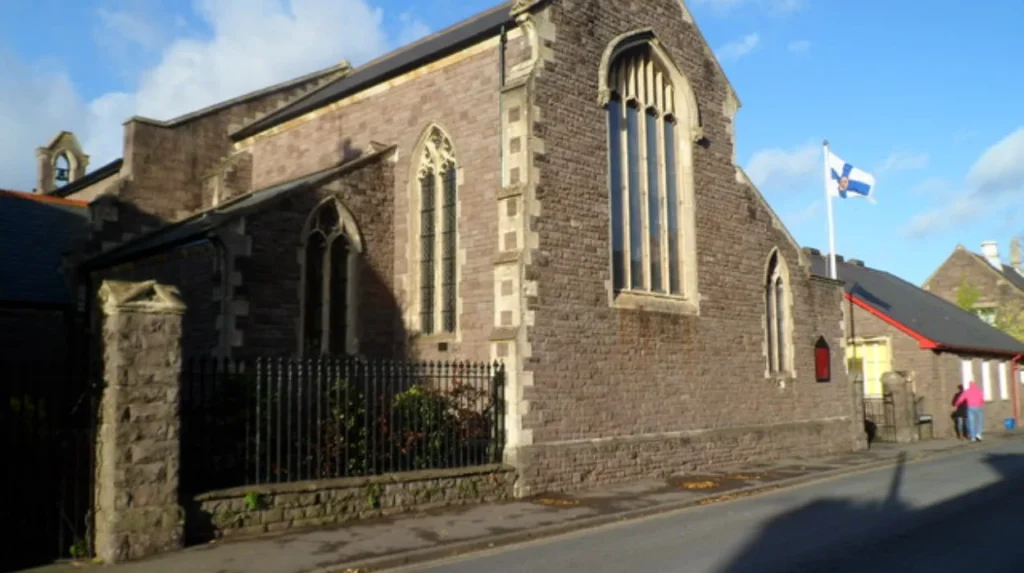
The HMRC tax office was demolished because HMRC vacated the site in 2020 upon relocating to Central Square in Cardiff city centre, leaving the buildings derelict and unsuitable for modern office requirements, and the site was targeted for regeneration to address Cardiff’s housing shortage and provide community facilities required by local residents.
The relocation of HMRC operations to Central Square represented a strategic decision by the government agency to consolidate operations in Cardiff’s city centre rather than maintain a separate north Cardiff complex. Central Square provided modern office infrastructure, integrated public transportation connectivity, and alignment with contemporary workplace standards and design principles. The Tŷ Glas buildings, constructed in 1968, had reached an age where renovation and modernisation would require substantial capital investment.
Modern office requirements including digital infrastructure upgrades, energy efficiency improvements, workplace flexibility, and contemporary health and safety standards would have necessitated comprehensive refurbishment. The cost and feasibility analysis apparently indicated that relocating to newer city centre facilities was more economically viable than upgrading the existing northside complex.
Following HMRC’s departure, the buildings remained empty and largely unused for several years. Vacant government properties typically deteriorate more rapidly than occupied buildings due to lack of regular maintenance and the absence of human activity that naturally identifies and addresses emerging structural issues. The site became increasingly problematic from an urban planning perspective as a large brownfield property (previously developed land contaminated or affected by previous industrial or commercial use) occupying prime residential development space.
Cardiff faces documented housing shortages and demand for additional residential accommodation. The Llanishen district, with its established infrastructure, transportation connections via railway stations, and community facilities, represents an appropriate location for residential development. Converting the derelict tax office site into housing responded directly to this housing need while regenerating a neglected urban area.
What Concerns Did Llanishen Residents Raise About the Demolition?
Llanishen residents raised multiple safeguarding concerns including personal safety risks from demolition activities, protection of residential properties from dust and debris, potential impacts on local wildlife populations, increased traffic from contractor vehicles, and noise disturbance from high-reach demolition equipment and machinery operations.
The resident safety concerns focused on the proximity of residential properties to active demolition operations. Large-scale building demolition involves high-reach excavators and specialist machinery removing structural elements from significant heights. Debris, dust, and loose materials can travel distances from the demolition site and potentially damage adjacent homes. Residents understandably worried about impacts on their property values, window integrity, and the cleanliness of their homes during extended demolition periods. Air quality concerns related to dust generation from demolition activities represented health considerations, particularly for residents with respiratory conditions, elderly residents, and young children whose developing lungs remain vulnerable to air quality degradation.
Property damage risks extended beyond dust concerns. Heavy vehicles and construction equipment required road access and working space in residential neighbourhoods. Contractor vehicles occasionally cause accidental collisions with parked cars or property structures. The vibrations from heavy equipment and explosive charges used in some demolition approaches can cause structural stress to nearby buildings. While properly conducted demolition includes substantial mitigation measures, resident concerns about these risks during the extended demolition process proved legitimate and understandable.
Local wildlife considerations proved particularly significant in this location. Llanishen includes green spaces, parks, and water features including Llanishen Reservoir, forming part of a Victorian water supply system that stretches from the Brecon Beacons to Cardiff. The reservoir and surrounding landscape provide habitat for various bird species, aquatic organisms, and small mammals. Demolition noise and vibrations can disturb wildlife, disrupt breeding cycles, and force animals away from traditional habitats. The site’s proximity to the green corridor connecting through the district means that demolition impacts extend beyond the immediate property boundary.
Traffic concerns related to the substantial increase in heavy vehicle movements during demolition and subsequent construction phases. Contractor vehicles, material transport trucks, waste removal lorries, and equipment deliveries would substantially increase traffic volumes on residential streets previously designed for local neighbourhood access rather than construction-scale vehicle movement. Residential neighbourhoods, particularly those with schools, parks, and community facilities, typically experience safety concerns when subjected to construction vehicle traffic. Increased traffic congestion, noise from heavy vehicles, and safety risks to pedestrians and cyclists represented legitimate quality-of-life concerns for established residents.
Who Is Managing the Llanishen Housing Demolition Project?
Erith Contractors Ltd serves as the principal demolition contractor selected to execute the demolition work, while Cardiff Council oversees the project governance, planning approvals, and future site redevelopment through the local government development framework and planning procedures.
Erith Contractors Ltd represents a specialist demolition company engaged to conduct the technical demolition operations at the Llanishen site. Demolition contractors possess specialised equipment including high-reach excavators capable of dismantling tall structures from significant heights, explosive specialists trained in controlled demolition of complex buildings, and environmental specialists managing dust suppression, noise control, and waste material handling. Erith’s involvement in managing educational site visits demonstrates their commitment to community engagement alongside technical demolition execution. The company coordinated visits from Christ the King Primary School, Ysgol Y Wern, and Llanishen High School, facilitating learning experiences for local students while demonstrating best practices in demolition operations.
Cardiff Council maintains overall project governance and decision-making authority. The council approved the demolition decision at its August 2022 meeting and established the framework for site redevelopment. The council engaged with resident concerns and required resolution of safeguarding issues before demolition could proceed. Cardiff Council’s planning department will review and approve future development proposals for the site, ensuring that the new housing, retirement apartments, care home, employment units, and health centre conform to local planning policies, urban design standards, and community facility requirements. The council’s role encompasses both enabling the demolition of the derelict structure and directing the subsequent redevelopment toward community benefits.
Multiple regulatory bodies exercise oversight across the demolition and redevelopment process. The Shared Regulatory Services, a joint service combining the environmental and regulatory functions of multiple councils, investigates and responds to resident complaints regarding dust, noise, pollution, and other environmental impacts. Local environmental health teams monitor compliance with air quality standards and pollution controls during demolition. Planning authorities ensure that future development adheres to approved designs and planning conditions. Health and safety regulators oversee contractor compliance with workplace safety requirements during active demolition operations.
What Is the Historical Context of the Llanishen Site?
Llanishen originated as a religious settlement founded by Saint Isan in approximately A.D. 535, evolved into farmland through medieval periods, underwent suburban development following 1922 incorporation into Cardiff, and served military functions during the Second World War before becoming an office complex in 1968.
The name Llanishen derives from Welsh linguistic roots where “llan” means church and “Isien” references Saint Isan, an early Christian monk. Around A.D. 535, two monks travelled eastward from Llandaff, a small religious settlement, seeking to establish new communities in the land below Caerphilly Mountain. Saint Isan selected the location near fresh water from the Nant Fawr stream and established a religious settlement on what is now modern Oval Park. This religious origin establishes Llanishen’s continuous human habitation and community identity extending back approximately 1,500 years.
Following the medieval period, Llanishen remained predominantly agricultural land with scattered farmsteads and rural communities. The Lewis family established significant presence in the area, with Llanishen House serving as their family seat for more than two centuries. In 1835, following Wyndham Lewis’s death, the family sold their Llanishen lands to the Marquis of Bute, one of Wales’s most prominent landowners. The Bute estate maintained control of substantial Llanishen property into the twentieth century, shaping the area’s development patterns.
Formal incorporation of Llanishen into Cardiff occurred in 1922 following expansion of the city boundaries northward and southward to encompass previously separate communities. The Llanishen Golf Club, established in 1905, predates formal incorporation and reflects the area’s transition from purely agricultural to suburban residential use. Following 1922 incorporation, Llanishen experienced rapid residential development as Cardiff expanded as a major South Wales port and industrial centre. Housing development converted former farming and military land into suburban neighbourhoods with roads, utilities, and residential properties.
The Second World War dramatically impacted the Llanishen site and surrounding area. The Royal Air Force established a glider training facility in nearby fields where RAF personnel trained soldiers in military glider operations and pilot training. The United States Army subsequently utilised these same facilities beginning in 1943, holding troops and conducting basic flight training in Tiger Cub aircraft before departing in June 1944 as D-Day preparations commenced. These military operations underscore Llanishen’s strategic wartime role and the historical significance of the landscape now being redeveloped.
The modern office complex was constructed in 1968 to house government administrative operations. The 18-storey tower block and supporting buildings represented 1960s approaches to office design and reflected post-war expansion of government services and bureaucratic functions. The site’s transformation from agricultural land to military facility to government office complex illustrates broader patterns of land use change across Cardiff and Wales.
What Are the Implications of the Llanishen Housing Redevelopment?
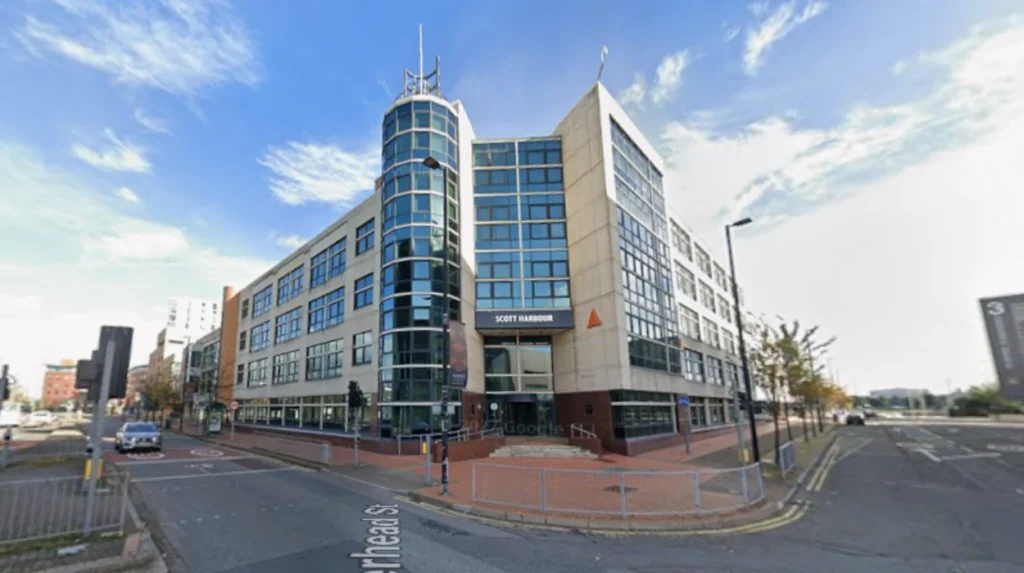
The Llanishen housing redevelopment addresses Cardiff’s housing shortage by delivering 250 homes and 70 retirement apartments, creates community infrastructure through a care home and health centre, generates employment opportunities via commercial units, and revitalises a long-vacant brownfield site, contributing to sustainable urban regeneration and improved quality of life for existing and new residents.
The housing supply implications prove particularly significant given documented shortages of residential accommodation across Cardiff. The 250 new houses directly increase housing stock available to households seeking properties in north Cardiff. These homes accommodate demographic diversity including young families seeking first homes, established families requiring multiple bedrooms, middle-aged households, and older residents downsizing from larger properties. The 70 retirement apartments address the specific and growing need for housing designed for older populations. The combination of house types and housing tenures (owner-occupied and rental properties) ensures accessibility across different income levels and financial circumstances.
The care home and health centre facilities strengthen the local community’s ability to serve older residents and individuals with health support needs. Rather than requiring travel to distant facilities for healthcare appointments or residential care, local residents gain access to services within their neighbourhood. The health centre improves preventive healthcare access and chronic disease management for the entire local population. This infrastructure development reflects recognition that sustainable communities require integrated housing, healthcare, and social support systems rather than isolated residential neighbourhoods disconnected from essential services.
Employment unit provision within the development supports local economic vitality. Small business owners and professional service providers gain accessible commercial space without requiring relocation to city centre locations. Retail and service businesses within the development serve residents’ daily needs and reduce travel distances for shopping and service access. Job creation through the development itself includes both permanent positions (care home staff, health centre employees, retail and business employees) and construction employment during the building phase.
The brownfield site redevelopment demonstrates sustainable urban planning principles. Rather than consuming undeveloped greenfield land (natural land with no previous development), the project revitalises previously developed urban property. This approach preserves natural landscapes and agricultural land while intensifying housing and facility density within existing urban areas. The mixed-use development model creates vibrant neighbourhoods where residents can access housing, employment, healthcare, and retail services without extensive travel.
The Llanishen housing demolition project represents a comprehensive transformation of a derelict government office complex into a mixed-use community addressing contemporary urban needs. The project timeline, scaled from 2022 approval through 2023 commencement and ongoing operations into 2024-2025, demonstrates the extended timeframe required for major urban regeneration. Community engagement has proven essential, with resident concerns regarding safety, property protection, and environmental impacts requiring formal responses and mitigation measures. The redevelopment’s completion will deliver housing, retirement living, healthcare, employment, and care facilities that strengthen Llanishen’s role as a vibrant community within Cardiff and contribute to broader urban sustainability and regeneration objectives across Wales.
What are they building down Cardiff Bay?
Major construction in Cardiff Bay includes the £300m Atlantic Wharf Music Arena and Travelodge Hotel. Other significant 2026 developments involve the Cardiff Peninsula senior living apartments and the Channel View regeneration project, which focuses on revitalizing housing and community infrastructure.
What is the history of Llanishen?
Llanishen originated in 537 AD when the monk Isan established a religious settlement. It remained a small hamlet for centuries until the railway’s arrival in 1871 and the 1887 reservoir construction. It officially became a Cardiff suburb in 1922.
What does llanishen mean?
The name Llanishen is derived from the Welsh “Llanisien.” “Llan” translates to “church” or “enclosure,” while “Ishen” refers to Saint Isan, the 6th-century monk who founded the original settlement. Therefore, the name literally means “Saint Isan’s Church.”
What was the capital city of Wales before 1955?
Technically, Wales had no official capital city before 1955. While Cardiff was the largest settlement, other towns like Caernarfon, Machynlleth, and Aberystwyth held historical or administrative significance. Cardiff was only formally proclaimed the capital on December 20, 1955.
How many council houses are there in Cardiff?
Cardiff Council manages approximately 13,800 social housing tenancies. While the total number of dwellings in the city fluctuates due to ongoing regeneration and demolition projects, the council remains the largest provider of affordable, managed rental accommodation in the region.