Cardiff has a strong baking heritage shaped by family businesses, traditional Welsh recipes, neighbourhood shops and independent food producers. The city’s bakery history includes businesses established more than a century ago, family-run food companies that passed skills between generations, and newer bakeries that preserve traditional techniques.
- Which Cardiff bakeries have the longest documented histories?
- How did family bakeries become important to Cardiff communities?
- What makes Brutons the Bakers significant in Cardiff bakery history?
- What is the history of Clark’s Pies in Cardiff?
- Why are Welsh cakes important to Cardiff’s baking heritage?
- How does Cardiff’s modern bakery scene preserve older traditions?
- What can visitors learn from Cardiff’s historic bakery businesses?
- How has Cardiff bakery culture changed over time?
- Why do generations of bakery history still matter in Cardiff?
- Which Cardiff bakery traditions are likely to remain important in the future?
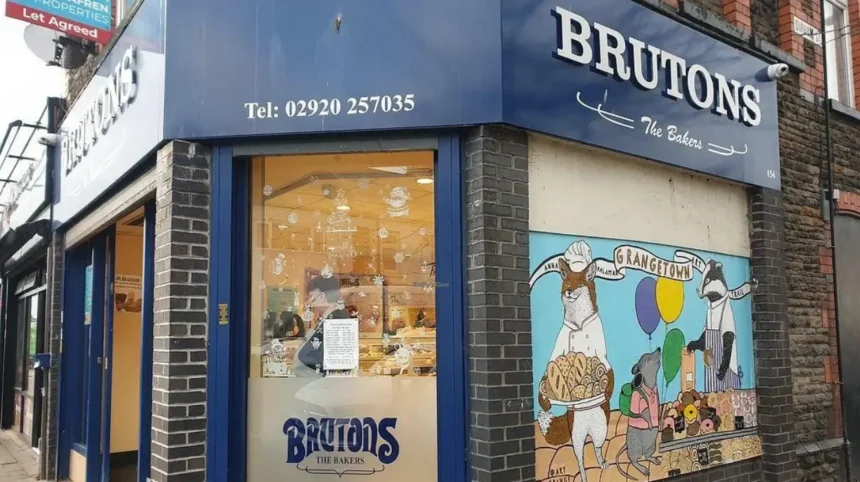
Among Cardiff’s strongest examples is Brutons the Bakers, established in Cardiff in 1898 by Harry Windsor Bruton. The business remained under four generations of the Bruton family before the Best family took over in 2002. It continues to operate as an independent family business from its bakery in Grangetown.
Cardiff’s wider baking story also includes Clark’s Pies, a family business whose Cardiff history stretches across several generations, alongside historic bakers such as Thomas Stevens, who established a Cardiff shop in 1887 and developed a substantial baking and confectionery business in the city.
The modern Cardiff bakery scene adds another layer. Businesses such as Pettigrew Bakeries and Brød – The Danish Bakery combine contemporary artisan production with traditional family knowledge. Pettigrew was founded in Cardiff in 2016 and became one of the city’s early craft-sourdough specialists, while Brød was established in 2015 and draws directly on Danish family baking traditions.
This combination of old and new gives Cardiff a distinctive bakery culture. Traditional bread, Welsh cakes, pies, pastries and confectionery remain connected to local communities while modern bakeries introduce new techniques and international influences.
Which Cardiff bakeries have the longest documented histories?
Brutons the Bakers has one of Cardiff’s clearest surviving family bakery histories, dating to 1898. Clark’s Pies also has a multi-generational Cardiff history, while Thomas Stevens represents an important nineteenth-century bakery tradition that helped establish Cardiff as a major commercial centre.
Brutons the Bakers provides the strongest documented example of a continuously recognised Cardiff bakery business with a family succession. Harry Windsor Bruton established the company in 1898. In 1946, the bakery moved to its present location in Grangetown. Four generations of the Bruton family subsequently managed the business.
The Bruton family period ended in 2002 when the Best family took over. This was not a complete break with the bakery’s working tradition because members of the Best family had already worked for Brutons for more than 20 years. The business therefore retained experienced management and continuity of production.
Clark’s Pies represents another important family food tradition connected with Cardiff. The business traces its Cardiff retail history through the Clark family and established a Grangetown shop in Bromsgrove Street in 1955. By the 1990s, the fourth generation had become actively involved, demonstrating the importance of family succession in Cardiff’s traditional food sector.
Thomas Stevens belongs to an earlier period. He opened a shop on Queen Street in Cardiff in 1887 after already developing experience in his father’s Wrexham business. By 1913, his Cardiff company employed more than 100 people and had become a major bakery and confectionery operation.
These examples show that Cardiff’s bakery history extends beyond individual recipes. It includes businesses that developed employment, retail networks, manufacturing capacity and long-term relationships with local communities.
How did family bakeries become important to Cardiff communities?
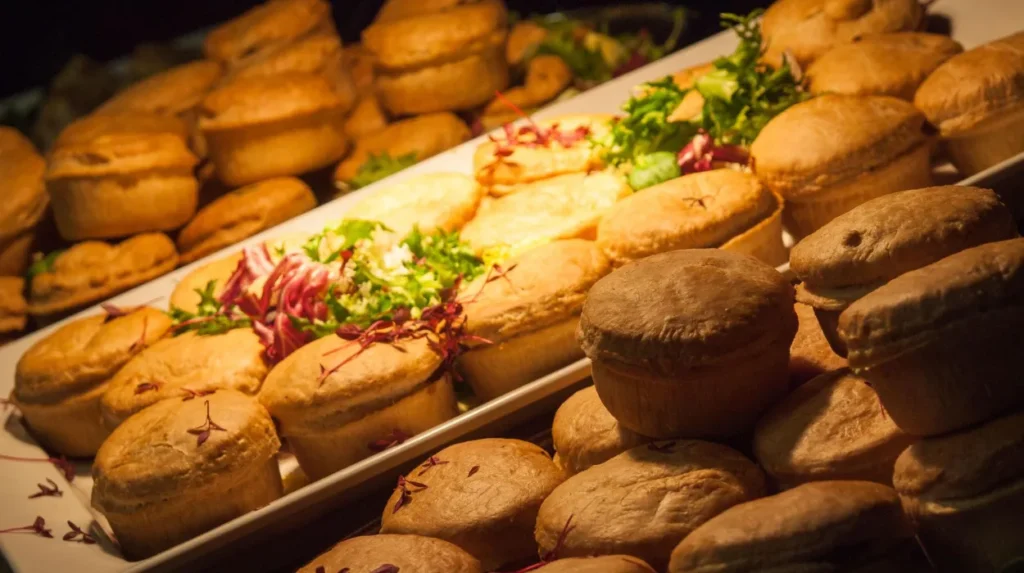
Family bakeries became important because they supplied everyday bread, cakes and savouries while operating close to residential communities. Their shops connected food production with local employment, neighbourhood trade and regular customer relationships, allowing baking knowledge and business practices to pass between generations.
Cardiff experienced major urban growth during the nineteenth and early twentieth centuries. Population expansion, industrial development and increasing commercial activity created demand for affordable everyday food.
Bread was especially important because it formed a central part of the British diet. Local bakeries provided fresh products without requiring customers to travel long distances. Retail bakeries therefore developed alongside residential neighbourhoods and commercial streets.
Brutons provides a documented example of this community role. The company’s history records a former Holmesdale Street shop where queues reportedly formed early in the morning and the day’s products could sell out quickly. This illustrates the demand for locally produced bread and bakery goods in Cardiff communities.
Family ownership added another dimension. A bakery operated by the same family over several generations accumulated practical knowledge about recipes, production, suppliers and customers. Employees also developed specialist skills that could remain within the business for decades.
The succession from the Bruton family to the Best family demonstrates that generational continuity does not always require biological succession. Business knowledge can also transfer through long-term employment and professional relationships.
Clark’s Pies provides another example of this model. The Cardiff business moved through several generations while maintaining its association with traditional pies and Grangetown. By the 2000s, Dennis Dutch’s daughters Beverley and Amanda were involved in the business, while the wider family continued its connection with the company.
This model helped traditional bakeries remain locally recognisable even as Cardiff’s retail landscape changed.
What makes Brutons the Bakers significant in Cardiff bakery history?
Brutons the Bakers is significant because it was established in Cardiff in 1898 and remained under four generations of the Bruton family before the Best family took over in 2002. Its Grangetown bakery continues supplying seven retail shops with traditional bakery products.
Brutons is particularly important for anyone researching Cardiff’s long-running bakery businesses because its history is clearly documented by the company itself and supported by Welsh business information.
Harry Windsor Bruton founded the bakery in 1898. The business later moved to Grangetown in 1946, where its production operation remains based. The Grangetown site supplies the company’s retail outlets with fresh bakery products.
The company currently produces bread, savouries, pastries, cakes, sandwiches and seasonal products. It also supplies wholesale customers such as caterers, cafés, sandwich bars and residential homes. This combination of retail and wholesale activity allows the business to operate beyond the traditional single-shop bakery model.
The four-generation Bruton period is central to the company’s historical identity. Four generations of the family managed the bakery before retiring in 2002. The Best family then assumed control after already having more than two decades of experience working with Brutons.
This succession demonstrates how traditional bakery businesses can survive major changes in retail, food production and consumer habits.
Brutons also demonstrates the importance of location. Grangetown has a long association with Cardiff’s working communities and remains part of the city’s established urban fabric. Keeping the bakery’s production operation in the area maintains a physical connection with Cardiff’s traditional food economy.
For visitors researching historic Cardiff food businesses, Brutons offers a particularly strong example because its history combines a nineteenth-century foundation, family succession, local production and an active modern retail network.
What is the history of Clark’s Pies in Cardiff?
Clark’s Pies is a long-running Cardiff family food business associated with traditional Welsh and South Wales pie culture. Its Grangetown shop opened in 1955, later involved a fourth generation, and remains an important surviving example of family-run traditional food production.
Clark’s Pies occupies a slightly different position from a conventional bread bakery. Its speciality is the traditional meat pie, making it part of Cardiff’s wider baking and savoury-food heritage.
The company’s Cardiff history developed through the Clark family. Dennis Dutch, one of Mary Clark’s grandchildren, opened a shop in Bromsgrove Street, Grangetown, in 1955. His brother Paul later joined the business.
Family succession continued through the twentieth century. Changes in the 1970s led Paul to take responsibility for another Cardiff shop, while the 1990s brought the fourth generation into active participation.
By the 2000s, Dennis Dutch’s daughters Beverley and Amanda were running the Grangetown business, while Dennis remained involved. The historical account also records the emergence of a fifth generation within the wider family business.
The Bromsgrove Street location is significant because Grangetown has remained strongly associated with the company. The shop provides a direct connection between traditional Cardiff food culture and a physical neighbourhood setting.
Clark’s Pies also illustrates the difference between a bakery’s historical importance and the age of its current premises. A food business can preserve a tradition through family succession even when ownership, locations or production arrangements change.
For Cardiff’s food heritage, Clark’s Pies therefore belongs alongside traditional bakeries rather than being treated separately from the city’s baking history.
Why are Welsh cakes important to Cardiff’s baking heritage?
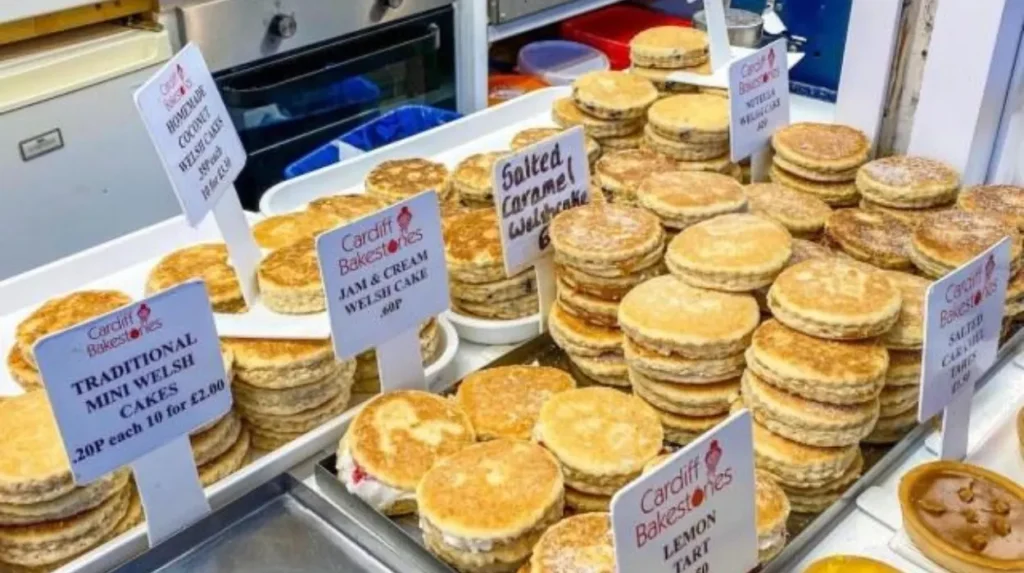
Welsh cakes are important to Cardiff’s baking heritage because they are a distinctive Welsh griddle-baked food with strong cultural recognition. Cardiff bakeries and market traders continue producing traditional versions alongside modern flavours, keeping the bakestone method visible to residents and visitors.
Welsh cakes are one of Wales’s best-known traditional baked foods. Unlike conventional cakes baked in an oven, Welsh cakes are cooked on a bakestone or griddle.
Traditional ingredients include flour, fat, sugar and dried fruit such as currants or sultanas. The dough is rolled, cut into rounds and cooked directly on a heated surface.
Cardiff remains an important place to experience this tradition. Visit Wales identifies Cardiff locations including Fabulous Welshcakes and Cardiff Bakestones among places where visitors can find Welsh cakes.
Cardiff Central Market also forms part of this food heritage. The Victorian market opened in 1891 and continues to host independent food traders, including businesses associated with Welsh cakes.
Fabulous Welshcakes operates dedicated shops in Castle Arcade and Cardiff Bay. The business makes Welsh cakes in small batches and cooks them traditionally on cast-iron griddles. Its Cardiff locations demonstrate how a traditional Welsh product has developed into a specialised modern retail category.
Cardiff Bakestones provides another modern expression of the tradition within Cardiff Market. Its range includes traditional and contemporary flavour combinations, demonstrating how the basic Welsh cake format continues to develop while retaining the griddle-based cooking method.
Welsh cakes therefore connect Cardiff’s historic food culture with modern tourism, independent retail and local food production.
How does Cardiff’s modern bakery scene preserve older traditions?
Cardiff’s modern bakery scene preserves older traditions by combining long fermentation, handmade production, traditional recipes and family baking knowledge with contemporary equipment, retail models and international influences. Pettigrew Bakeries and Brød demonstrate how heritage techniques continue within newer independent businesses.
Pettigrew Bakeries opened in Cardiff in 2016 and became one of the city’s early craft-sourdough specialists. The business developed from a first site near Victoria Park into a multi-site operation covering bread, patisserie and laminated pastries.
Its sourdough production uses long fermentation and organic flour. The company has also developed specialist pastry production, demonstrating how traditional fermentation skills can operate alongside contemporary bakery techniques.
Pettigrew’s development continued in 2026 with the opening of a 5,500-square-foot bakery headquarters and café in Penylan. The new facility was designed to increase production capacity and bring the bakery team together under one roof. Reports stated that production capacity for Welsh cakes could rise from about 3,000 per week to approximately 5,000.
Brød – The Danish Bakery represents a different form of heritage. Founder Betina Skovbro grew up baking with her mother and grandmother in Denmark. She established Brød in Cardiff in November 2015, initially opening in a former corner shop in Pontcanna.
The business later expanded to Penarth, east Cardiff and Cardiff Bay. The Welsh Government recognised Brød in 2026 for its cultural heritage, apprenticeship activity and contribution to Cardiff’s business community. The company had four sites and more than 40 staff at that point.
These businesses show that bakery heritage does not depend exclusively on a company being a century old. Traditional knowledge can also be transferred through families, apprenticeships and specialist production techniques.
What can visitors learn from Cardiff’s historic bakery businesses?
Visitors can learn about Cardiff’s social, industrial and culinary history through its bakeries. Long-running businesses reveal how bread, pies, cakes and confectionery supported neighbourhood life, while newer bakeries demonstrate how traditional techniques continue within Cardiff’s evolving independent food economy.
A bakery visit can provide more than a food purchase. Historic bakery businesses connect visitors with Cardiff’s neighbourhood development, commercial history and Welsh food traditions.
Grangetown is particularly relevant because Brutons and Clark’s Pies both have long associations with the area. Their histories demonstrate the importance of neighbourhood food businesses in maintaining local identities.
Cardiff city centre provides a different experience. Cardiff Central Market has operated since 1891 and remains a major location for independent food trading. Its Victorian structure places modern food businesses within a historic commercial environment.
Castle Arcade also connects contemporary Welshcake production with Cardiff’s historic shopping architecture. Fabulous Welshcakes operates from the arcade and produces Welsh cakes fresh on site.
Cardiff Bay provides another modern setting. Fabulous Welshcakes operates at Mermaid Quay, allowing visitors to combine traditional Welsh food with Cardiff Bay’s waterfront attractions.
For visitors interested in artisan bread, Pettigrew provides a modern Cardiff example. Its development from a single bakery near Victoria Park into a larger multi-site business demonstrates the growth of the city’s craft-baking sector.
Brød adds an international dimension by bringing Danish baking traditions into Cardiff. Its history demonstrates that local bakery culture can include both Welsh traditions and the culinary heritage of communities that have established businesses in the city.
Together, these businesses create a practical route through Cardiff’s food history.
How has Cardiff bakery culture changed over time?
Cardiff bakery culture has changed from neighbourhood production and traditional family shops toward a mixed system of independent bakeries, specialist producers, cafés, market traders and larger family businesses. Traditional recipes remain important while sourdough, laminated pastries and international baking expand consumer choice.
The nineteenth century established the foundations for Cardiff’s commercial bakery industry. Thomas Stevens opened his Queen Street shop in 1887 and later operated a major bakery and confectionery company employing more than 100 people by 1913.
The late nineteenth and early twentieth centuries also saw the development of family bakeries serving rapidly growing urban populations. Brutons, founded in 1898, represents this period.
During the twentieth century, bakery businesses adapted to changes in transport, food manufacturing, retail distribution and household shopping habits. Local bakeries increasingly operated alongside supermarkets and larger commercial food manufacturers.
Family businesses that retained strong local identities remained important because they offered specialist products and established customer relationships.
The twenty-first century has introduced another shift. Consumers increasingly encounter bakeries through cafés, farmers’ markets, online ordering, specialist retail outlets and social media.
Pettigrew reflects this change. Its business model combines physical shops, markets, wholesale supply and online ordering. Its recent bakery headquarters also integrates production with a café.
Brød demonstrates another modern development. A bakery based on Danish traditions has become part of Cardiff’s independent food economy while employing staff and training apprentices.
The result is a bakery sector where heritage and innovation operate together. Traditional Welsh cakes, pies and bread remain recognisable while modern Cardiff bakeries introduce new fermentation methods, pastries and international recipes.
Explore More Area Guide
Longest-Running Restaurants in Cardiff: Historic Dining Guide
Best Breakfast Spots Outside Cardiff City Centre
Why do generations of bakery history still matter in Cardiff?
Generational bakery history matters because it preserves practical skills, recipes, business knowledge and local identity. Cardiff’s surviving family businesses show how food traditions can remain commercially relevant while adapting to changing technology, customer expectations, retail formats and production requirements.
A family bakery preserves more than a business name. Generational continuity can preserve production methods, recipes, supplier relationships and knowledge of local demand.
Brutons demonstrates this clearly. The business survived the transition from four generations of Bruton family management to Best family ownership without losing its independent family-business structure.
Clark’s Pies provides another example of knowledge transfer. Its family history includes several generations involved in production and retail management, helping maintain its association with traditional Cardiff pie culture.
The preservation of Welsh cakes provides a wider cultural example. The product remains closely associated with Wales while Cardiff businesses continue to produce it using the traditional griddle method.
Modern apprenticeship programmes extend the same principle beyond biological families. Brød has invested in apprenticeships, while Pettigrew also trains new bakery staff. This allows specialist knowledge to move from experienced bakers to a new workforce.
This transfer is important because artisan baking depends on practical skills. Fermentation, dough development, lamination, shaping, griddle cooking and pastry production require controlled processes and repeated training.
Cardiff’s bakery heritage therefore remains relevant to the future. Historic businesses provide continuity, while newer bakeries create new routes for traditional skills to survive.
The city’s bakery culture is consequently not limited to one historical period. It includes nineteenth-century commercial baking, twentieth-century family businesses, traditional Welsh foods and twenty-first-century artisan production.
For residents and visitors, this makes Cardiff’s bakeries an accessible part of the city’s wider cultural heritage.
Which Cardiff bakery traditions are likely to remain important in the future?
Cardiff’s strongest bakery traditions are likely to remain centred on Welsh cakes, traditional bread, family businesses, independent production and specialist artisan baking. Businesses that preserve established techniques while adapting production, training and retail methods provide the strongest connection between Cardiff’s baking past and future.
Welsh cakes have a particularly strong cultural position because they are clearly associated with Wales and remain widely available in Cardiff. Their simple production method allows traditional baking to continue while modern producers introduce new flavours and formats.
Family businesses also remain important. Brutons demonstrates that a bakery founded in 1898 can continue operating through changes in ownership, retail patterns and consumer behaviour.
Modern investment is another important factor. Pettigrew’s 2026 bakery headquarters shows how independent businesses are expanding production while maintaining handmade products and specialist skills.
Training provides a further route for continuity. Brød’s apprenticeship programme demonstrates how traditional baking knowledge can be passed to workers who are not members of the founding family.
Cardiff’s bakery heritage therefore has several interconnected foundations. These include family succession, traditional Welsh food, independent retail, skilled production and continued investment in bakery infrastructure.
The city’s longest-running bakery traditions remain visible because they have adapted without losing their core identity. Brutons continues its family-business model. Clark’s Pies continues its association with Cardiff’s traditional pie culture. Welsh cakes remain a major Welsh food product. Newer businesses such as Pettigrew and Brød add contemporary techniques and international influences.
Cardiff’s bakery history is consequently both historic and active. The city’s surviving businesses provide direct evidence of how food traditions develop across generations while responding to changing communities, technology and consumer demand.
What is the oldest bakery in Cardiff?
Brutons the Bakers is one of Cardiff’s longest-running bakery businesses, having been established in 1898 by Harry Windsor Bruton. The business later moved to Grangetown in 1946 and continues operating as a family business.