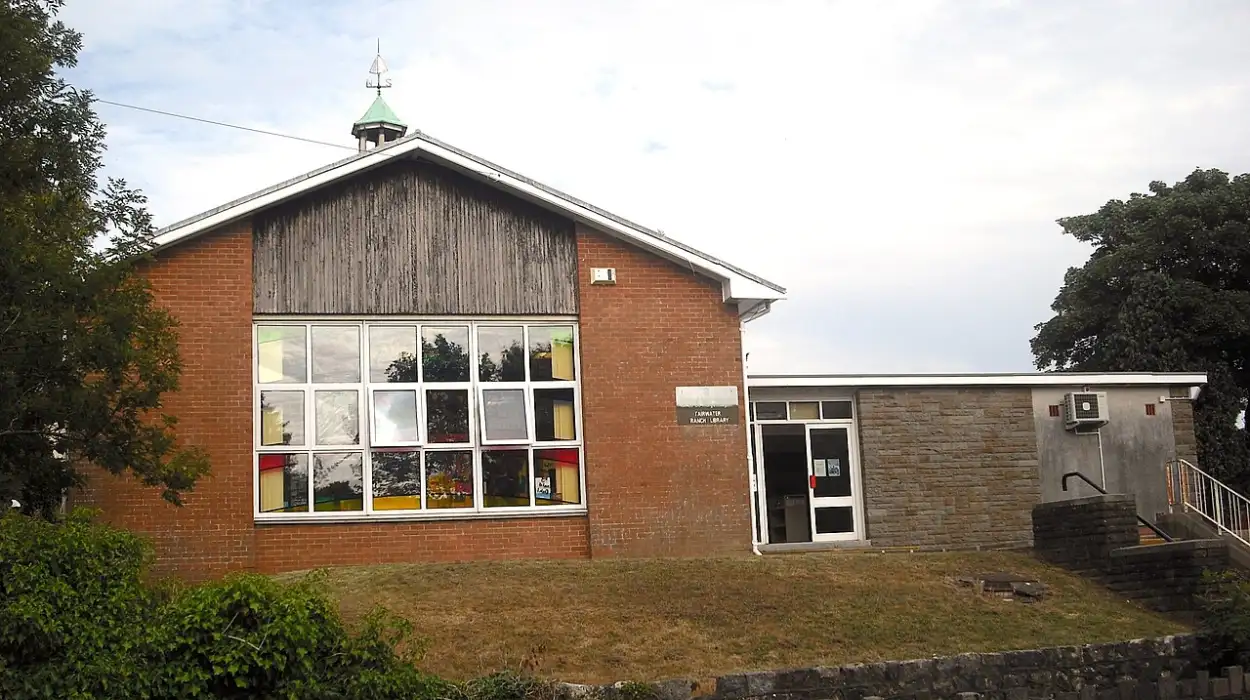
Rumney is a historic district and community in eastern Cardiff, Wales. Its English name is closely connected with the River Rhymney, while its official Welsh name, Tredelerch, preserves a separate medieval place-name tradition. Historical records show that Rumney developed through changing Welsh and English forms over many centuries.
- What does the name Rumney mean?
- How is Rumney connected to the River Rhymney?
- What is the Welsh name for Rumney?
- What does Tredelerch mean?
- When was Rumney first recorded?
- Did Rumney have a different name in medieval Wales?
- Why did the English name become Rumney instead of Rhymney?
- What does the River Rhymney name itself mean?
- Was Rumney part of Monmouthshire before becoming part of Cardiff?
- How old is settlement history in Rumney?
- What historical evidence survives in Rumney today?
- How does the name Rumney relate to Cardiff today?
- Why are Rumney and Rhymney sometimes confused?
- What does the history of Rumney’s name tell us about Cardiff?
- Is Rumney’s name likely to remain historically important?
- What is the simplest explanation for why Rumney is called Rumney?
The name is therefore not simply a modern spelling of the Welsh word Rhymni. It reflects the history of the River Rhymney, medieval landholding, Norman administration, English-language record keeping, and the gradual development of Cardiff’s eastern communities.
Historical evidence records Rumney under numerous spellings. The Glamorgan Place-Name Database lists forms including Remneio around 1160, Rumia around 1194, Remni around 1194, Rempney around 1291, Remeny in 1295 and Rumeney in 1401. By the sixteenth and seventeenth centuries, forms such as Rumney and Rumpney were established in English usage.
Understanding these forms explains why modern Cardiff has both Rumney and Tredelerch, and why the nearby river is called the River Rhymney.
What does the name Rumney mean?
Rumney is an English form associated with the River Rhymney, whose medieval spellings gradually developed into Rumney. The name reflects a long process of Welsh place-name adaptation into English records, rather than a recently created Cardiff neighbourhood name.
The strongest explanation connects Rumney with the River Rhymney. The settlement stands beside the lower reaches and mouth of the river, and historical records repeatedly associate the settlement with names derived from the river.
The Glamorgan database records the settlement as Remneio around 1160 and Rumia around 1194. Later forms include Rempney, Remeny and Rumeney. These spellings demonstrate that the modern word Rumney developed through historical linguistic variation rather than appearing suddenly in its current form.
The spelling also changed according to the language and administrative environment in which the name was recorded. Medieval documents were frequently written in Latin, Anglo-Norman French or English, while local Welsh speakers continued using Welsh forms.
This created multiple written versions of the same geographical name.
Modern Rumney therefore represents the survival of an English place-name tradition connected to the Rhymney river system.
How is Rumney connected to the River Rhymney?
Rumney is directly connected to the River Rhymney because the settlement developed beside the river’s lower course and inherited an English form of its name. Medieval records preserve several river-related spellings, linking Rumney’s modern name with this longstanding geographical feature.
The River Rhymney flows south through the Rhymney Valley before reaching the Bristol Channel at Cardiff’s eastern edge. The river passes through communities in the upper and middle valley before reaching the coastal plain.
The river name itself has an old history. A separate place-name study records Remni in 1101 and later forms including Rumeya in 1274, Rompney in 1314 and Rempny in 1340. These forms show that the river’s name also experienced significant spelling variation.
The connection between river and settlement is especially important because medieval settlements commonly took names from prominent geographical features. A river was a major reference point for land ownership, transport, agriculture and administration.
At Rumney, the river provided a natural geographical boundary and route toward the coast. The settlement’s position therefore explains why river-related terminology became embedded in its historical identity.
What is the Welsh name for Rumney?
The Welsh name for Rumney is Tredelerch, not Rhymni. Tredelerch is an established historic Welsh place-name connected with the medieval manor of Rumney. Modern Welsh standardisation therefore distinguishes Tredelerch from Rhymni, the Welsh name associated with the river.
Cardiff’s standardised Welsh place-name list gives Tredelerch for Rumney. This distinction is important because Rhymni refers to the river and to other places associated with that river name, while Rumney’s traditional Welsh settlement name is Tredelerch.
Historical sources record the Welsh form in several spellings. The Glamorgan Place-Name Database records Tredelerch and earlier forms including tref delerch around 1566 and Tredelyrch around 1590–91.
This gives Rumney two distinct naming traditions.
The English name developed from forms associated with the River Rhymney. The Welsh name preserved the identity of the medieval manor known as Tredelerch.
The distinction also explains why simply translating “Rumney” into Welsh as “Rhymni” is inaccurate. Welsh place-name specialists identify Tredelerch as the traditional Welsh settlement name.
What does Tredelerch mean?
Tredelerch means approximately “the farm or holding of Telerch,” according to research associated with the Welsh Place-Name Society. The name combines the Welsh element tref, meaning a holding, farm or dwelling, with the personal name Telerch.
Tredelerch provides a separate historical explanation for Rumney’s identity.
History Points, citing Professor Gwynedd Pierce of the Welsh Place-Name Society, explains that Tredelerch was the Welsh name of the old demesne manor of Rhymni, or Rumney. The name consists of tref and the probable personal name Telerch.
In its early Welsh usage, tref had a broader meaning than the modern idea of a town. It could refer to a holding, farm or dwelling associated with land ownership.
The second element, Telerch, is treated as the name of the probable original owner. The identity of this individual is not established in the available historical evidence.
The resulting meaning is therefore understood as “the farm of Telerch” or “the holding of Telerch.”
This interpretation is significant because it shows that the Welsh and English names developed from different naming sources.
When was Rumney first recorded?
Rumney is documented in medieval records from at least the twelfth century, with the Glamorgan Place-Name Database recording Remneio around 1160. Later records contain forms such as Rumia, Remni, Rempney, Remeny and Rumeney.
The surviving evidence does not provide one single moment when the modern spelling “Rumney” was created.
Instead, historical documents reveal a sequence of forms.
The database records:
- Remneio — approximately 1160
- Rumia — approximately 1194
- Remni — approximately 1194
- Rempney — approximately 1291
- Remeny — 1295
- Rumeney — 1401
- Remeebrygge — 1479, referring to the bridge
- Pont Remny and Rumnesbridge — approximately 1523
- Rumpney Mill — 1608
These records demonstrate the gradual development of the name across several centuries.
The spelling Rumeney in 1401 is particularly close to the modern English form. The later appearance of Rumney shows how medieval and early modern spelling conventions gradually stabilised.
Place names often survived orally while their written forms changed. Medieval scribes recorded names according to their own linguistic systems rather than following a single standard spelling.
Did Rumney have a different name in medieval Wales?
Yes. Rumney had the Welsh name Tredelerch, while English-language sources increasingly used forms derived from the River Rhymney. These two naming traditions existed alongside each other, reflecting the bilingual and administrative history of south-east Wales.
The historical record demonstrates that the distinction between the names is centuries old.
John Leland’s sixteenth-century writings recorded Rumney in English and Tredelerch in Welsh around 1538. This is one of the clearest pieces of evidence that the two names represented the same settlement in different linguistic traditions.
The Welsh form continued to appear in later records. Historical examples include Tredelyrch in 1590–91, Tirdelarch in 1694 and Tredelarch in 1717.
The survival of both forms demonstrates that Rumney was not simply renamed in modern times. Its English and Welsh identities developed through long-standing usage.
Modern Cardiff continues this historical distinction through the standard Welsh name Tredelerch.
Why did the English name become Rumney instead of Rhymney?
The English name became Rumney through historical English spellings of the river-associated name, while Rhymney remained the standard modern Welsh form of the river. Medieval documents recorded numerous variations before English usage gradually stabilised around Rumney.
The difference between Rumney and Rhymney is primarily historical and linguistic.
The river’s name has appeared in forms such as Remni, Rumeya, Rompney and Rempny. Some historical forms contain the letter “p”, while others do not.
English-language administrative records often adapted Welsh names to English spelling conventions. Over generations, these written forms became established as recognised place names.
The modern settlement name Rumney therefore represents an English development of an older river-related name.
The modern river name Rhymney preserves a Welsh spelling tradition.
This difference is common in Welsh toponymy. A settlement and the geographical feature beside it can develop separate official names even when they share an older linguistic root.
Rumney and Rhymney are consequently related names, but they are not interchangeable names for the same entity.
What does the River Rhymney name itself mean?
The River Rhymney name is commonly explained through the old Welsh word rhwmp, meaning an auger or boring tool, describing the river as cutting or boring through the landscape. Historical spellings containing “p” support this interpretation.
The proposed etymology of Rhymney comes from the Welsh word rhwmp, meaning an auger or gimlet, a tool used for boring.
The explanation describes the river’s physical action as it cuts through its valley. The river begins in the uplands, follows the Rhymney Valley and eventually reaches the sea near Cardiff.
The historical spelling evidence is important. Forms such as Rompney and Rempny contain a p, which supports the proposed connection with rhwmp. The Caerphilly place-name research describes the resulting interpretation as a river that “bores” through the landscape.
This etymology is presented as a likely explanation rather than an absolutely proven translation. Place-name research often involves reconstructing older forms from incomplete historical evidence.
The key point is that Rumney’s English name is linked to this river name through historical usage, while the Welsh settlement name Tredelerch has a different origin.
Was Rumney part of Monmouthshire before becoming part of Cardiff?
Rumney was historically part of Monmouthshire before incorporation into Cardiff. The Cardiff Extension Act 1937 brought Rumney into Cardiff County Borough on 1 April 1938, changing its administrative relationship with the city.
Rumney’s administrative history is essential to understanding its modern identity.
Before incorporation into Cardiff, Rumney belonged historically to Monmouthshire. The Cardiff Extension Act 1937 provided the legal basis for expanding Cardiff’s boundaries. Rumney became part of the county borough on 1 April 1938.
This change connected Rumney more directly with Cardiff’s expanding urban area.
The transfer did not erase the older identity of Rumney. Historical names, buildings, roads, churches and landscape features continued to preserve evidence of its earlier status.
The administrative change also explains why historical documents can describe Rumney in a Monmouthshire context while modern addresses identify the area as Cardiff.
Today, Cardiff Council identifies Rumney as part of Cardiff East, alongside Llanrumney and Trowbridge within its neighbourhood planning structure.
How old is settlement history in Rumney?
Rumney has a documented medieval settlement history, with its manor associated with the period following the Norman occupation of Glamorgan and Gwynllŵg around 1093. Its surviving historical landscape includes medieval religious, agricultural and defensive evidence.
The historical development of Rumney extends beyond the first surviving written spellings.
History Points identifies Tredelerch as the old demesne manor of Rhymni and states that it was probably founded soon after the Norman occupation of Glamorgan and Gwynllŵg around 1093.
A demesne manor was land held directly for a lord rather than being entirely granted out to tenants. Such estates formed an important part of medieval land administration.
Rumney’s position within the medieval lordship of Gwynllŵg placed it within a landscape shaped by Welsh political structures and subsequent Norman territorial organisation.
The survival of the Tredelerch name reflects this medieval landholding history.
The place-name therefore provides evidence about more than pronunciation. It records how land was organised and identified during the medieval period.
What historical evidence survives in Rumney today?
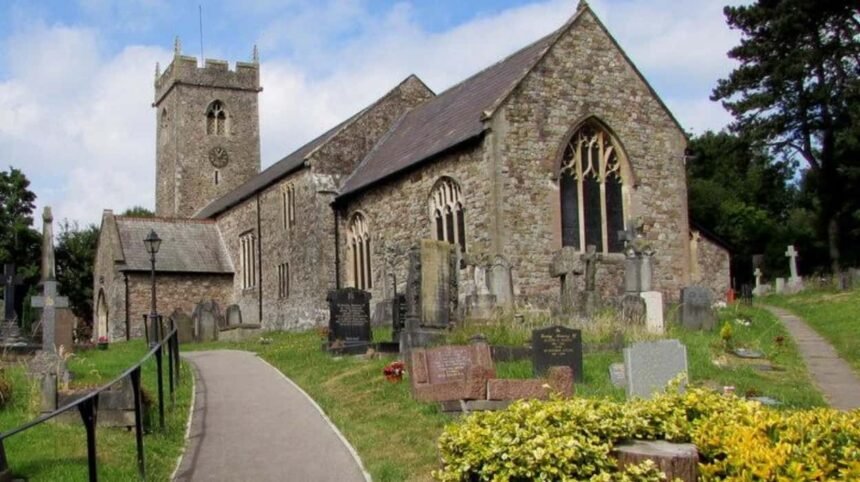
Rumney retains physical and documentary evidence of its long history, including St Augustine’s Church, the former Rumney Castle site, historic place names and surviving landscape features. These remains connect the modern Cardiff district with its medieval and early modern past.
St Augustine’s Church is one of Rumney’s most important historic buildings. The church is associated with a religious foundation dating to the medieval period and remains a major heritage feature of the district.
Rumney Castle also forms part of the area’s historical record. Cardiff Council’s conservation information identifies Rompney Castle in Rumney as a protected historic feature subject to conservation controls.
The historic spelling Rompney is itself relevant to the study of the place name because similar forms appear in historical records of the settlement and river.
Modern Rumney also retains streets and public spaces containing the name Tredelerch. Tredelerch Road, Tredelerch Park and related local references preserve the Welsh historical identity.
Parc Tredelerch is particularly significant because its name directly preserves the old Welsh name of the manor. History Points identifies the park as being associated with the medieval Tredelerch estate.
How does the name Rumney relate to Cardiff today?
Rumney is now an established Cardiff community in the city’s eastern area, but its name preserves a history that predates Cardiff’s modern boundaries. The name remains connected to the River Rhymney, Tredelerch manor and historic Monmouthshire.
Modern Rumney is integrated into Cardiff’s urban structure.
Cardiff Council currently identifies Rumney as one of the communities within the Cardiff East neighbourhood planning area.
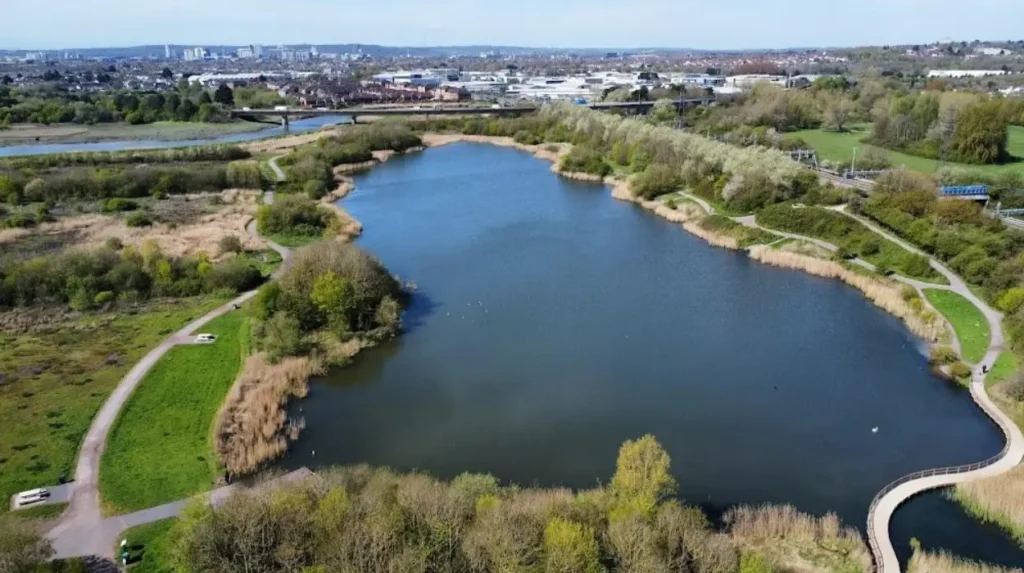
The district also retains an identifiable relationship with the River Rhymney and the coastal landscape. Parc Tredelerch lies beside the river and forms part of the wider historical landscape.
Cardiff Council’s transport planning also identifies Rumney within major east Cardiff active-travel connections. Its Cycleway 2 route is planned to connect the city centre with Adamsdown, Newport Road retail areas, Rumney, Llanrumney and St Mellons Business Park.
The modern name therefore remains geographically relevant.
Rumney is not simply an inherited label on a contemporary Cardiff map. It continues to identify a community positioned within the same broader river landscape that influenced its historical name.
Why are Rumney and Rhymney sometimes confused?
Rumney and Rhymney are easily confused because their names share historical forms associated with the same river system. Rumney is the Cardiff settlement name, while Rhymney is the modern Welsh name of the river and a separate settlement farther north.
There are two important distinctions.
First, Rumney is the English name of the Cardiff community.
Second, Rhymney is the modern name of the river and also the name of a separate settlement in the upper Rhymney Valley.
The confusion increases because historical documents used several spellings for both the river and the Cardiff settlement.
The Caerphilly place-name research records the river’s historical forms and notes that the river eventually reaches the sea at what is now Rumney or Tredelerch in Cardiff.
Welsh standardisation adds another layer. Cardiff’s standardised Welsh place-name list gives Tredelerch for Rumney.
The most accurate modern distinction is therefore:
Rumney = English name of the Cardiff community.
Tredelerch = Welsh name of the Cardiff community.
Rhymney = river name and the name of another settlement in the Rhymney Valley.
What does the history of Rumney’s name tell us about Cardiff?
Rumney’s name demonstrates how Cardiff’s eastern districts preserve layers of Welsh, Norman, English and local landholding history. Its modern name connects the community with the River Rhymney, while Tredelerch preserves its medieval manor identity.
Rumney is an important example of Welsh place-name development.
The evidence shows that geographical names changed through language contact, administration and long-term local usage.
The earliest recorded forms do not look identical to either Rumney or Rhymney. Forms such as Remneio, Rumia, Rempney, Remeny and Rumeney document the stages through which the name evolved.
At the same time, Tredelerch preserved a different naming tradition based on a medieval estate and the probable personal name Telerch.
This makes Rumney’s name historically significant for Cardiff.
It records the interaction between the natural landscape and human settlement. The river supplied one naming tradition. The medieval manor supplied another.
The incorporation of Rumney into Cardiff in 1938 created the modern administrative relationship, but it did not replace the older historical layers preserved in the area’s names and landmarks.
Explore More Area Guide
Cardiff Bus Pass Guide: Eligibility & Free Travel 2026
Parking Zones in Cardiff: Rules, Permits and Charges 2026
Is Rumney’s name likely to remain historically important?
Rumney’s name will remain historically important because it preserves documented medieval forms, a connection with the River Rhymney and the Welsh name Tredelerch. Modern conservation, local heritage research and standardised Welsh naming continue to preserve these historical connections.
Place names are durable records of local history.
Rumney demonstrates this clearly. Its modern spelling represents centuries of linguistic development, while Tredelerch preserves the memory of a medieval manor.
The area’s heritage remains visible through protected buildings and historic landscapes. Cardiff Council’s conservation framework protects important archaeological remains, buildings and open spaces across the city, including heritage assets in Rumney.
Parc Tredelerch also maintains the Welsh name in everyday Cardiff geography. The park’s heritage information explicitly connects Tredelerch with the medieval manor and the probable original owner Telerch.
The result is a place where modern Cardiff identity and medieval history remain closely connected.
What is the simplest explanation for why Rumney is called Rumney?
Rumney is called Rumney because the English settlement name developed from historical forms associated with the River Rhymney. Its traditional Welsh name is Tredelerch, meaning the holding or farm associated with Telerch, a probable medieval landowner.
The name has two historical layers.
The English name Rumney developed from river-related forms documented from the medieval period. The historical sequence includes Remneio, Rumia, Rempney, Remeny and Rumeney, demonstrating gradual linguistic change rather than one single naming event.
The Welsh name Tredelerch comes from the medieval manor and combines tref, meaning a holding, farm or dwelling, with the probable personal name Telerch.
The River Rhymney provides the geographical connection between the English settlement name and the wider river system.
Rumney’s history therefore cannot be explained by one modern translation.
Its name is the product of medieval geography, Welsh language, English usage, landholding and administrative change.
Today, Rumney remains the official English name of the Cardiff community, while Tredelerch preserves its traditional Welsh identity. Together, these names provide a concise record of the area’s long history within south-east Wales.
Why is Rumney in Cardiff called Rumney?
Rumney is called Rumney because its English name developed from historical forms associated with the River Rhymney. Medieval records contain spellings such as Remneio, Rumia, Rempney, Remeny and Rumeney.