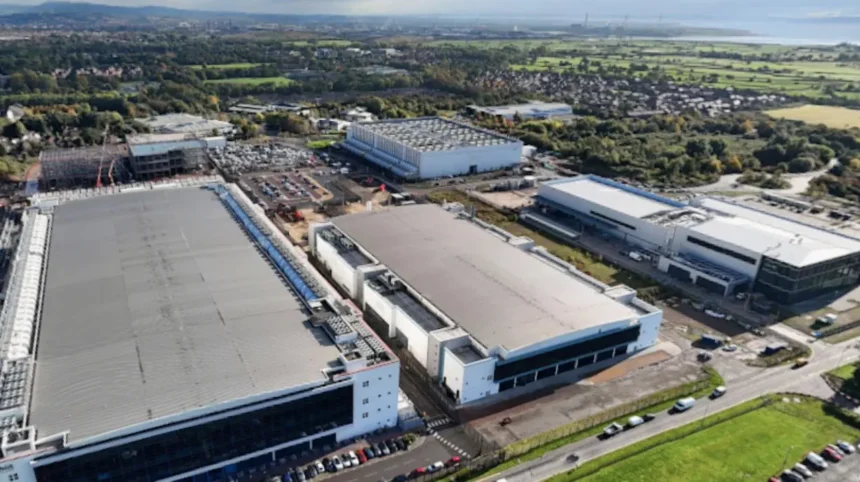
Imagine driving through Cardiff’s bustling streets, past historic castles and vibrant markets, only to glimpse sleek, humming buildings powering the future. Microsoft’s push into south Wales, including plans tied to the Cardiff Capital Region, signals a tech revolution right on the city’s doorstep. This article dives into the Microsoft data centre developments in the area—primarily the major project in nearby Newport—and unpacks their ripple effects on Cardiff’s economy, jobs, environment, and daily life. We’ll explore why this matters for locals, businesses, and the wider UK, with real stats and insights to show how it’s reshaping the region for the long haul.
The Project Unveiled
Microsoft’s commitment to Wales stems from a massive £2.5 billion UK-wide investment announced in late 2023, marking the company’s largest ever in the country over its 40-year history. While not smack in Cardiff city centre, the flagship development sits at Imperial Park in Newport, just 15 minutes east across the M4 motorway and firmly within the Cardiff Capital Region economic zone. This site, a former Quinn Radiators factory spanning 760,000 square feet on 40 acres, will house two hyperscale data centres after demolishing the old structure.
Planning permission sailed through in July 2024, with construction now ramping up to deliver AI-ready facilities by supporting Microsoft’s “availability zone” ambition in south Wales. These centres process vast digital data for AI models, meeting surging demand for scalable compute power. For Cardiff residents, this means proximity to cutting-edge tech without the urban disruption—think reliable cloud services for everything from NHS apps to local startups, all hosted nearby for lower latency.
Why Newport over Cardiff proper? The location repurposes brownfield industrial land, abundant in post-coal Wales, while tapping into robust power grids and fibre networks. It’s a smart play: hyperscale centres need massive electricity—up to 100MW per site—but Wales’ grid, bolstered by offshore wind, can handle it sustainably.
Economic Boost for Cardiff
Data centres like Microsoft’s inject serious cash into local economies, and Cardiff stands to gain big. The Newport project alone promises 120 direct jobs in operations, maintenance, and tech support, but the multiplier effect could add hundreds more in supply chains—from electricians wiring cooling systems to firms supplying backup generators.
Cardiff Capital Region leaders, like Newport City Council’s Jane Mudd, hail it as a “vital boost” to the data-driven economy. With Microsoft deploying over 20,000 advanced GPUs UK-wide by 2026, south Wales positions itself as an AI hub, drawing firms like Vantage Data Centers’ massive CWL1 campus between Cardiff and Newport. That site, on 46 Welsh Government-leased acres, already runs two centres with a third coming, showcasing how Microsoft catalyses a cluster effect.
For Cardiff businesses, this translates to faster, cheaper cloud access. A local fintech startup, for instance, could train AI fraud-detection models in minutes rather than hours, thanks to regional low-latency data processing. Broader stats back this: UK data centres contributed £4.7 billion to GDP in 2023, with projections hitting £7.4 billion by 2030 as AI demand explodes. Cardiff’s tech scene, already home to companies like Admiral and MoneySuperMarket, gets a shot at scaling globally.
Job Creation and Skills Shift
Beyond the 120 roles, Microsoft’s footprint sparks a skills revolution. These aren’t just low-skill gigs; they demand engineers for cooling systems, cybersecurity experts, and AI specialists. The company partners with local unis like Cardiff University for training, potentially upskilling 1,000+ workers in fibre optics and sustainable energy over five years.

Take CGI’s nearby Bridgend facility: it runs on 100% renewables with rooftop solar, employing locals in green IT roles. Microsoft follows suit, eyeing circular economy practices like reusing server heat for district heating—think warming Cardiff homes or greenhouses. For job hunters, practical tip: check Microsoft Careers or Welsh Government apprenticeships now, focusing on certifications like CompTIA Data Centre or AWS Cloud Practitioner. These open doors to £40,000+ starting salaries in a region where average wages hover at £32,000.
Women and underrepresented groups benefit too. Tech Wales initiatives, amplified by such projects, aim for 30% female hires in data roles by 2027. It’s why young Cardiffians might swap retail shifts for monitoring AI servers, building long-term career resilience amid automation waves.
Sustainability Edge
Critics worry about energy guzzling, but Microsoft’s Welsh bet leans green. The Newport centres target carbon neutrality, using efficient liquid cooling and renewables. Wales’ wind farms, like Gwynt y Môr offshore, supply clean power; Microsoft’s deal could secure 50MW from such sources, cutting reliance on gas peaker plants.
How? Hyperscale designs pack servers denser but smarter—Power Usage Effectiveness (PUE) under 1.2 versus industry 1.5 average—meaning less waste. Excess heat recovery is key: one UK centre pipes warmth to 1,000 homes; Cardiff could mirror this for arenas or hospitals. Realistic example: Vantage’s CWL1 recycles water and energy, proving brownfield sites revive without ecological harm.
For eco-conscious locals, this means advocating via council consultations—Newport’s pre-planning drew input that shaped designs. Tip: Track Microsoft’s UK sustainability reports for community grants funding local solar installs, potentially slashing bills by 20%.
Wider Ripple Effects
Cardiff’s property market feels the buzz. Tech influx has lifted commercial rents 15% in the Capital Region since 2023, but residential stays stable—good news for first-time buyers. Traffic? M4 upgrades and EV charging hubs mitigate this, with Microsoft funding shuttles for staff.
Education ties in: data centres fund STEM scholarships, like those at University of South Wales, grooming talent for quantum computing next. Culturally, Cardiff’s “Castle Capital” vibe blends with tech—imagine AI-enhanced VR tours of Cardiff Castle, powered locally. Challenges exist: noise or visual impact, but zoning keeps centres industrial, preserving city charm.
For investors, it’s gold. Welsh Government land leases draw hyperscalers, with £1bn+ in pipeline projects. Businesses should audit cloud needs now—migrating to Azure cuts costs 30% with regional hosting.
Challenges and Community Voice
No project is flawless. Energy demands could strain grids, though National Grid upgrades allocate 1GW for Welsh data clusters by 2027. Public pushback, as seen in other Microsoft sites, focuses on capacity hikes—but Newport’s consultation process addressed this early.
Communities wield power: attend Cardiff Capital Region board meetings or email ukdc@microsoft.com. Insights show engaged locals shape outcomes, like mandating biodiversity nets around sites. Balancing growth means policies for affordable housing tied to tech jobs, ensuring benefits reach all.
Microsoft’s data centre in the Cardiff Capital Region, anchored in Newport, promises economic lift via 120+ jobs, AI innovation, and green tech on repurposed land—part of a £2.5bn UK pledge fuelling sustainable growth. Cardiff gains low-latency cloud, skills upgrades, and GDP ripples without centre-city upheaval, cementing its tech hub status alongside Vantage and CGI.
Looking ahead, this cements Wales as Europe’s data powerhouse. For residents, it’s a call to upskill and engage—visit imperialparkconsultation.co.uk or local job fairs. Whether you’re a startup founder or concerned citizen, this shift offers opportunity: a smarter, greener Cardiff for generations.