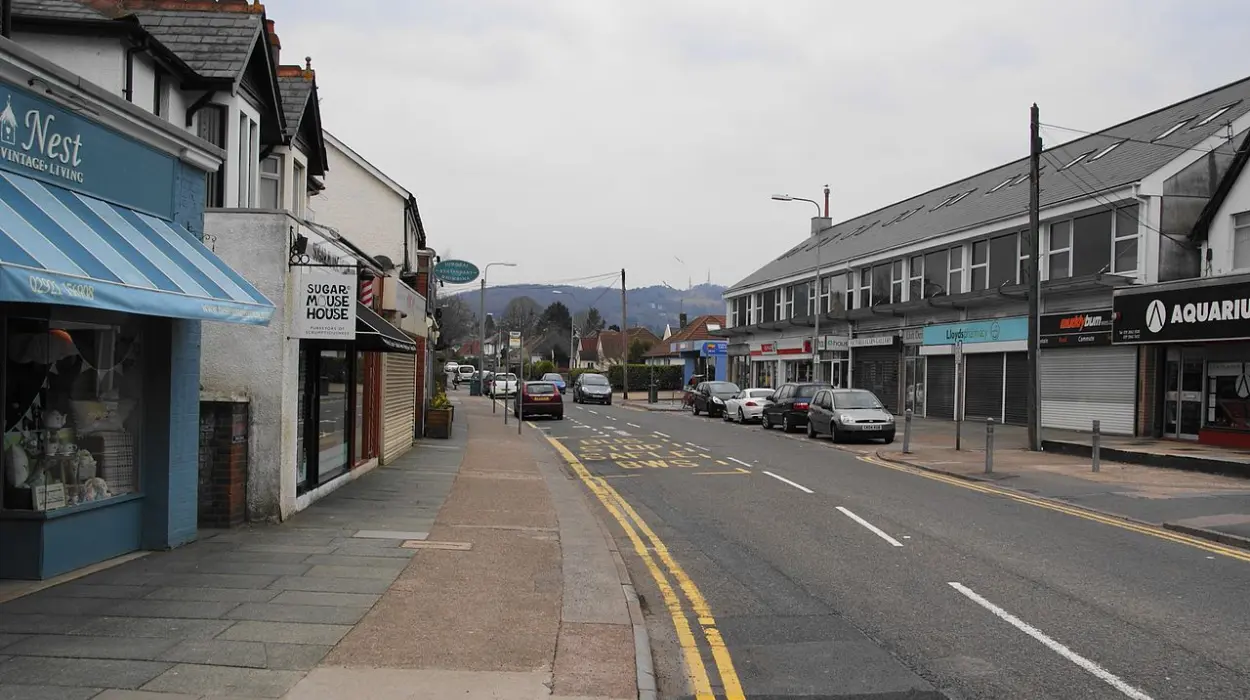
Rhiwbina, a serene suburb in northern Cardiff, has long cherished its quiet lanes and family-friendly atmosphere. Yet, heavy goods vehicles (HGVs) rumbling through these narrow roads have sparked a persistent campaign among residents to renew bans on such traffic, aiming to reclaim their peaceful neighborhood from industrial intrusion.
- Rhiwbina’s Suburban Charm Under Threat
- The Rise of HGV Traffic in Rhiwbina
- Safety Hazards Posed by HGVs
- Noise and Air Pollution Nightmares
- Infrastructure Strain and Economic Ripples
- Cardiff Council’s Role and Policy Framework
- Historical Precedents for HGV Controls
- Resident Campaigns and Community Voice
- Environmental and Health Imperatives
- Potential Impacts of Renewal
- Challenges to Overcome
- Looking Ahead: A Quieter Future
This push reflects broader tensions in suburban UK areas where local roads, not designed for massive lorries, bear the brunt of shortcut-seeking haulage. As Cardiff Council weighs renewal options, understanding the stakes reveals why Rhiwbina’s community remains resolute.
Rhiwbina’s Suburban Charm Under Threat
Nestled between Cardiff’s bustling city center and the rural edges of Wales, Rhiwbina boasts a rich history dating back to medieval times as a farming hamlet. Its transformation into a desirable residential haven in the 20th century drew families seeking respite from urban hustle, with tree-lined streets like Pen-y-Dre and Lon Isa embodying that tranquility.
Today, over 10,000 residents call this ward home, many in semi-detached homes built during the interwar boom. The area’s appeal lies in its community spirit—local shops, parks like Rhiwbina Recreation Ground, and schools such as Rhiwbina Primary—fostering a tight-knit vibe. However, HGVs, often over 7.5 tonnes, disrupt this idyll by squeezing through roads barely wide enough for cars.
These vehicles, vital for commerce, increasingly use Rhiwbina’s routes as rat-runs to avoid congested motorways like the A470 or M4. Residents report a surge post-pandemic, as e-commerce boomed and delivery demands soared, turning peaceful drives into hazardous gauntlets.
The Rise of HGV Traffic in Rhiwbina
Rhiwbina’s roads, such as the B4564 and connecting lanes off the A470, were never engineered for heavy freight. Historically, these paths served horse-drawn carts and bicycles, evolving minimally despite 1960s suburban expansion. Government data from Cardiff Council highlights how sat-nav algorithms now funnel HGVs here, mistaking minor roads for efficient shortcuts to depots in nearby Trowbridge or Llanishen industrial parks.
In the 2010s, initial complaints peaked after roadworks on major arteries diverted lorries into the suburb. A 2018 resident survey by the Rhiwbina Residents’ Association documented over 200 HGV sightings monthly on Lon Isa alone, a figure that climbed 40% by 2023 amid supply chain pressures. Official Welsh Government road usage stats confirm HGVs comprise under 5% of local traffic but account for disproportionate wear, with narrow bends like those near Rhiwbina Hill exacerbating risks.
This influx stems partly from economic shifts: Cardiff’s port and logistics hubs thrive, but without dedicated freight corridors, suburbs suffer. Residents argue that while HGVs support jobs, their local presence undermines livability, prompting calls for renewal of experimental bans trialed in the early 2020s.
Safety Hazards Posed by HGVs
Narrow roads amplify HGV dangers, where a single lorry can block entire lanes. Rhiwbina’s winding layout, with blind corners and parked cars, heightens collision risks—mirroring national trends where HGVs feature in 10% of urban fatalities despite low volume, per Department for Transport figures.
Near-misses abound: a 2022 incident saw an HGV scrape a school bus on Heol Wen, inches from children, fueling parental outrage. Vibration from passing juggernauts damages Victorian-era walls and pavements, costing the council repairs exceeding £50,000 yearly in north Cardiff wards. Pedestrians, especially elderly locals using routes to Rhiwbina Library, face intimidation from sheer vehicle mass, with acoustic studies showing noise levels spiking 20 decibels above safe limits.
Academic research from Cardiff University’s Transport Studies Group underscores how HGVs on residential roads triple accident probabilities due to poor maneuverability. Residents cite these perils in petitions, emphasizing child safety near parks and the vulnerability of cyclists on shared paths.
Noise and Air Pollution Nightmares
Beyond crashes, HGVs deliver relentless auditory assault. Idling engines and air brakes shatter nighttime calm, with monitoring by the Residents’ Association revealing peaks at 85dB—equivalent to a lawnmower—disrupting sleep in homes mere meters from roads.
Air quality plummets too: diesel particulates from HGVs contribute to Cardiff’s exceedances of EU limits, with Rhiwbina stations logging 15% higher PM2.5 during rush hours. Welsh Government health reports link this to risen asthma cases among children, a concern amplified in this green suburb marketed for clean living.
Long-term, chronic exposure erodes property values by up to 8%, per UK housing studies, as buyers shun noisy zones. Residents decry this “invisible toll,” pushing for bans to restore acoustic harmony and breathable air.
Infrastructure Strain and Economic Ripples
Rhiwbina’s aging tarmac buckles under HGV axles, which exert 10 times car pressure. Cardiff Council’s 2024 infrastructure audit flagged 15 pothole hotspots on affected roads, with repair backlogs straining budgets amid austerity.
Local businesses suffer indirectly: cafes on Rhiwbina Hill lose custom as HGV queues deter diners, echoing complaints from similar Welsh suburbs. Yet, renewal advocates clarify bans target non-essential transit, sparing delivery HGVs serving shops like the Co-op, balancing commerce with calm.
This strain underscores a national dilemma, as outlined in UK Parliament briefings on freight versus residential priority.
Cardiff Council’s Role and Policy Framework

As highways authority, Cardiff Council enforces bans under the Road Traffic Regulation Act 1984. Current restrictions on parts of the B4564 expire soon, prompting renewal debates at transport committees.
Official sites detail enforcement via ANPR cameras, fining violators £120, with exemptions for services. A 2025 cabinet report weighs pros, projecting 50% HGV drops boosting bus reliability on the corridor.
Welsh Government guidance endorses such measures for “20-minute neighborhoods,” aligning with net-zero goals by curbing emissions.
Historical Precedents for HGV Controls
Cardiff pioneered environmental weight limits in the 1990s, banning HGVs from shortcuts in areas like Pontcanna. Rhiwbina’s first trial came in 2015 via an Experimental Traffic Regulation Order (ETRO), slashing HGV passages by 70% per council logs, with 85% resident approval.
Similar successes in Lisvane and Whitchurch renewed permanently, informing Rhiwbina’s case. Wikipedia entries on UK traffic schemes note these as models, rooted in 1980s highways acts empowering councils against misuse.
Government sites affirm ETROs allow 18-month tests, convertible to permanent if data supports—precisely Rhiwbina’s strategy.
Resident Campaigns and Community Voice
Grassroots efforts define the fight. The Rhiwbina Residents’ Association, formed in the 1970s, rallied 1,500 signatures in 2023 for renewal, bolstered by petitions to Cardiff’s full council. Door-to-door surveys captured 92% support, highlighting unity across ages.
Social media amplified voices, with #BanHGVRhiwbina trending locally, pressuring councillors. Key figures like ward member Rhodri Thomas championed data-driven pleas, citing air monitors and dashcam evidence.
This mobilization mirrors broader Welsh movements, as academic papers on community-led transport activism praise such persistence.
Environmental and Health Imperatives

Renewal dovetails with Wales’ 2030 carbon targets, as HGVs guzzle fuel on inefficient locals. Public Health Wales data ties traffic pollution to 200 premature north Cardiff deaths yearly, urging restrictions.
Biodiversity suffers too: verges along Rhiwbina lanes host wildflowers disrupted by fumes, per ecology theses from Swansea University.
Potential Impacts of Renewal
Success could halve HGVs, per modeling, enhancing safety and appeal. Property hotspots might surge, drawing families, while quieter roads invigorate high streets.
Opponents—few hauliers—claim minor delays, but studies refute major disruptions, as alternatives like the A405 abound.
Challenges to Overcome
Enforcement gaps persist: outdated sat-navs evade bans, demanding tech updates. Legal hurdles in ETRO appeals require robust data, with residents volunteering logs.
Funding for signs and cameras strains councils, though Senedd grants offer aid.
Looking Ahead: A Quieter Future
As renewal votes loom, Rhiwbina exemplifies suburban resilience. By prioritizing people over passage, Cardiff can model sustainable transport, ensuring its northern jewel endures.
Residents’ unified stand promises not just bans, but a blueprint for livable cities nationwide.