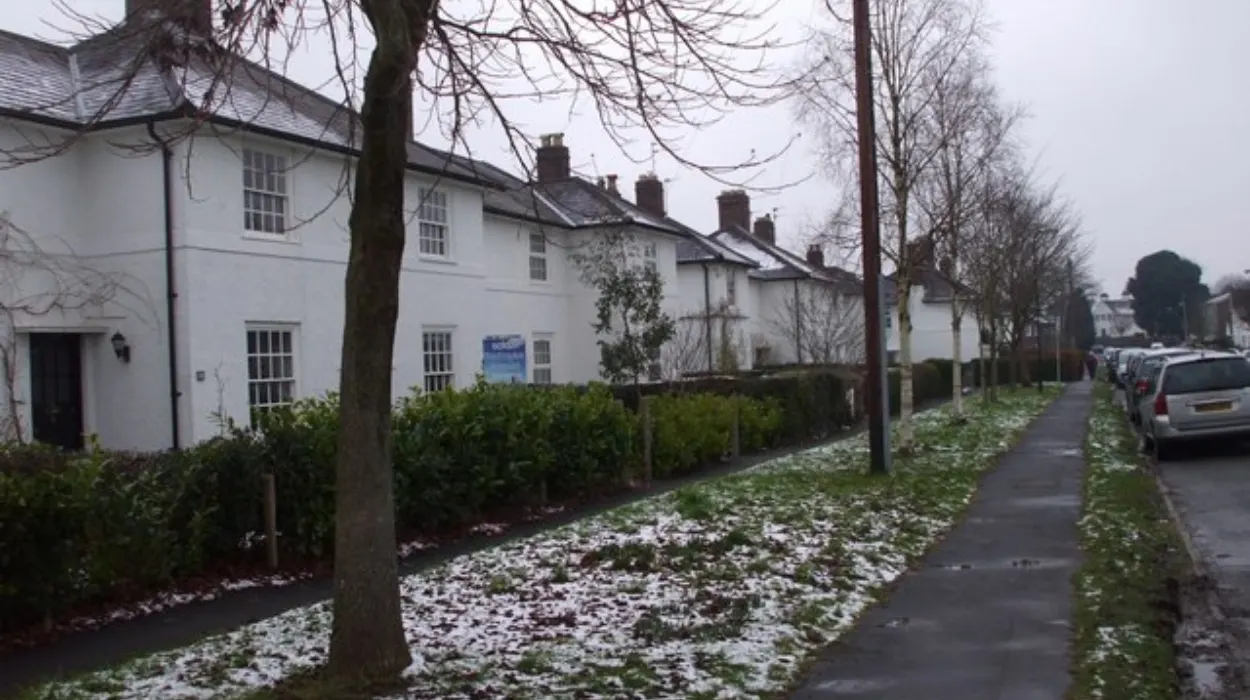
Nestled in the northern hills of Cardiff, Rhiwbina has long been cherished for its quaint village atmosphere and lush surroundings. Today, this community is at the forefront of sustainable urban renewal, with ambitious plans to transform its streets into greener, more pedestrian-friendly spaces through targeted parking and pavement upgrades.
- A Village Rooted in History
- The Need for Greener Infrastructure
- Cardiff Council’s Neighbourhood Renewal Scheme
- Key Parking Upgrades Unveiled
- Pavement Renewal for Safer Walks
- Integrating Cycle Stands and Bins
- Planters and Benches: Greening the Core
- Community Notice Board Innovation
- Ties to Broader Cardiff Greening Efforts
- Environmental and Economic Benefits
- Resident Activism Driving Change
- Challenges in Implementation
- Timeline and Next Steps
- Long-Term Vision for Rhiwbina
- Why Rhiwbina Leads Cardiff’s Green Charge
A Village Rooted in History
Rhiwbina’s story begins over a century ago as a garden village, designed with wide verges, mature trees, and spacious homes that prioritized harmony between people and nature. This early vision, influenced by the garden suburb movement, set the stage for today’s environmental ethos, where green spaces are not just features but the heartbeat of daily life. As Cardiff expands, Rhiwbina residents fiercely protect this legacy, advocating for changes that enhance rather than erode it.
The area’s evolution reflects broader Welsh urban planning trends, blending residential tranquility with practical accessibility. Historical records highlight how interwar developments emphasized tree-lined avenues, creating a template for modern greening efforts. These roots make Rhiwbina’s current initiatives feel like a natural progression, ensuring the village remains a model of balanced growth.
The Need for Greener Infrastructure
Rapid population growth in northern Cardiff has strained Rhiwbina’s infrastructure, leading to cluttered parking, worn pavements, and lost greenery. Local campaigns have spotlighted how congested streets undermine the village’s appeal, prompting Cardiff Council to act under its Neighbourhood Renewal Scheme. This push addresses immediate safety concerns while aligning with the city’s One Planet Cardiff vision for carbon neutrality by 2050.
Residents have voiced frustrations over narrow walkways and vehicle dominance, which hinder family strolls and cycling. Environmental audits reveal that expanding green features could boost biodiversity, reduce urban heat, and improve air quality in this densely populated suburb. By focusing on sustainable materials and layouts, these upgrades promise long-term resilience against climate challenges like heavier rainfall.
Cardiff Council’s Neighbourhood Renewal Scheme
At the heart of Rhiwbina’s transformation is the Neighbourhood Renewal Scheme (NRS), a council-led program revitalizing local hubs. Launched to foster vibrant, inclusive communities, NRS targets village shops as focal points for investment, blending functionality with aesthetic uplift. In Rhiwbina, this manifests through precise interventions that prioritize pedestrians and nature over cars.
The scheme draws from successful precedents across Cardiff, where similar projects have increased footfall and community pride. Funding stems from a mix of council budgets and Welsh Government grants, ensuring accountability through public consultations. This structured approach guarantees that upgrades meet resident needs while advancing environmental goals.
Key Parking Upgrades Unveiled

One of the most anticipated changes is a redesigned parking layout at Rhiwbina Village Shops, adding two extra spaces on the eastern carriageway. This reconfiguration eases peak-time bottlenecks without sprawling into green areas, using optimized angles to maximize efficiency. By resurfacing the area with permeable materials, the council aims to minimize runoff and support local aquifers.
Highway enhancements at rear access lanes will further streamline traffic flow, incorporating bollards and signage to prevent misuse. These tweaks reflect data-driven planning, analyzing commuter patterns to balance shopper convenience with residential peace. The result? Safer streets that encourage walking over driving, subtly shifting behaviors toward sustainability.
Pavement Renewal for Safer Walks
Pavements on both eastern and western sides of the village shops will undergo full resurfacing, replacing cracked slabs with smooth, durable surfaces. This upgrade tackles trip hazards exacerbated by tree roots and weathering, making paths accessible for prams, wheelchairs, and elderly residents. Materials selected include eco-friendly options like recycled aggregates, reducing the carbon footprint of construction.
Wider pavements in high-traffic zones will create breathing room for pedestrians, fostering a village feel amid daily bustle. Integration with existing verges ensures seamless transitions, preserving Rhiwbina’s leafy character. These changes not only enhance safety but also invite lingering, turning routine errands into enjoyable outings.
Integrating Cycle Stands and Bins
To promote active travel, new cycle stands will dot the village shops area, catering to the growing number of cyclists in northern Cardiff. Positioned strategically near entrances, these facilities remove barriers to biking, aligning with Coed Caerdydd’s urban forest goals. Additional bins encourage responsible waste disposal, curbing litter that plagues busy locales.
These additions form a cohesive ecosystem, where cycling infrastructure complements pedestrian upgrades. Community feedback shaped their placement, ensuring they blend aesthetically with planters and benches. Such thoughtful design elevates functionality without visual clutter.
Planters and Benches: Greening the Core
Planters filled with native Welsh species will soften hardscapes, boosting pollinator habitats and seasonal color. Placed at key spots like Heol Llanishen Fach outside the Post Office, they create micro-oases that combat urban sterility. Benches nearby offer restful nooks, encouraging social interaction in an age of digital isolation.
These elements draw from Rhiwbina’s garden village heritage, where greenery has always mediated human spaces. By selecting low-maintenance, drought-resistant plants, the council ensures longevity, adapting to Wales’ variable climate. The impact extends to mental wellbeing, as studies link street greening to reduced stress in suburban settings.
Community Notice Board Innovation
A new community notice board on Pantmawr Road will serve as an information hub, promoting local events and council updates. Weatherproof and illuminated, it fosters connectivity in an era of fragmented communication. This simple addition strengthens resident engagement, vital for the success of ongoing renewals.
Positioned for high visibility, the board will feature QR codes linking to digital resources, bridging analog and modern outreach. Past NRS projects show such hubs increase participation by 30%, empowering communities to shape their future.
Ties to Broader Cardiff Greening Efforts
Rhiwbina’s initiatives echo citywide ambitions, including Coed Caerdydd’s tree-planting drive aiming for 30,000 more urban trees. Volunteers have already enriched north Cardiff with saplings, enhancing street canopies that cool summer air. Cardiff’s LED street lighting rollout, slashing energy use by 60%, complements these local wins.
The One Planet Challenge invites residents to pioneer low-carbon living, with Rhiwbina exemplifying grassroots momentum. Park and ride expansions at M4 junctions reduce inbound traffic, easing village pressure. These synergies position Rhiwbina as a blueprint for scalable green urbanism.
Environmental and Economic Benefits
Greener streets promise measurable gains: permeable pavements cut flood risks, while expanded parking optimizes land use. Biodiversity uplifts from planters support declining species, aligning with Wales’ Nature Recovery Action Plan. Economically, revitalized shops could see footfall rise, sustaining independent retailers.
Carbon savings from reduced car dependency contribute to Cardiff’s 45% emissions drop since 2005. Health benefits accrue too, with safer paths promoting exercise amid rising obesity concerns. Long-term, these upgrades safeguard property values in a climate-vulnerable region.
Resident Activism Driving Change
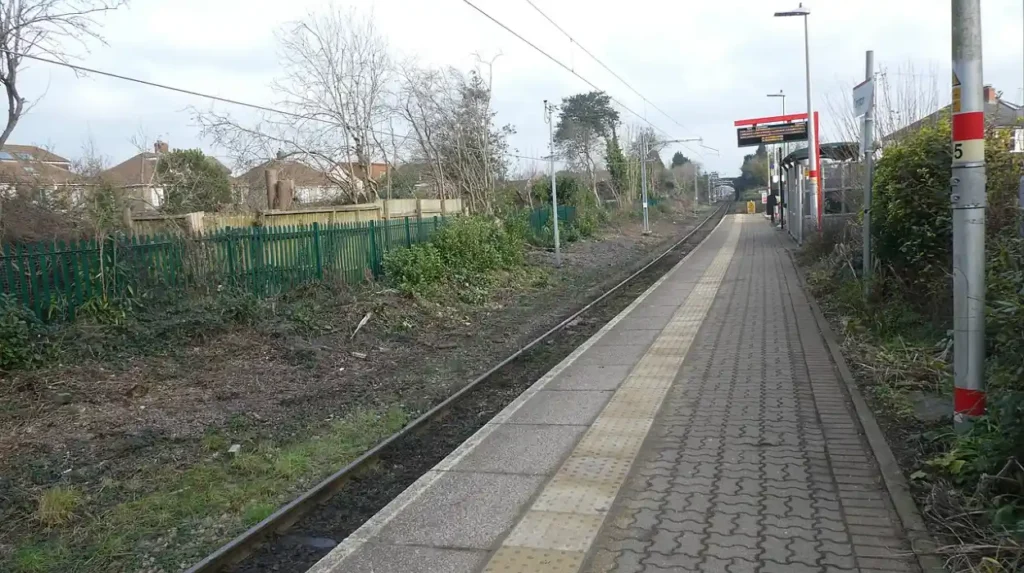
Local activists have been pivotal, organizing clean-ups and lobbying for green priorities. Groups like Rhiwbina Garden Village residents have rallied for pavement widenings, their petitions influencing NRS scopes. This bottom-up energy mirrors COP-inspired marches, embedding climate action in everyday advocacy.
Sustained involvement ensures projects evolve with needs, from youth cycling demands to senior accessibility pleas. Such collaboration exemplifies how suburban Wales leads in participatory planning. Pantmawr Road’s notice board site underscores Rhiwbina’s community-focused upgrades.
Challenges in Implementation
Construction disruptions pose short-term hurdles, with phased works minimizing impact on shops and schools. Budget constraints demand prioritization, yet council transparency via consultations builds trust. Weather delays, common in Welsh winters, require flexible timelines.
Overcoming these demands adaptive strategies, like temporary parking reroutes. Success hinges on contractor expertise in sustainable methods, ensuring quality endures.
Timeline and Next Steps
Proposals advanced in 2025, with construction eyed for late 2026 pending approvals. Public exhibitions gathered input, refining designs. Monitoring post-completion will gauge metrics like usage rates and satisfaction.
Residents can track progress via council portals, contributing feedback loops. This iterative process secures enduring relevance.
Long-Term Vision for Rhiwbina
Beyond immediate upgrades, Rhiwbina eyes expanded tree cover and SuDs integration. Aspirations include green corridors linking to nearby parks, enhancing connectivity. As Cardiff’s urban forest grows, Rhiwbina will anchor northern greening.
This vision sustains the garden village idyll, adapting it for future generations. By embedding sustainability, Rhiwbina not only refreshes its streets but redefines suburban living.
Why Rhiwbina Leads Cardiff’s Green Charge
Rhiwbina’s blend of heritage advocacy and innovative planning sets it apart. These upgrades transcend cosmetics, forging resilient, livable spaces. For Cardiff Daily readers, they signal hope: local action yields tangible progress.
Communities nationwide can draw lessons from this model, proving green streets are within reach. Rhiwbina’s journey inspires, one upgraded pavement at a time.