Temporary classrooms in Cardiff are modular, prefabricated buildings installed on school grounds to meet short‑, medium‑, or long‑term space needs. They can be used while permanent blocks are built, while unsafe rooms are decommissioned, or when pupil numbers grow faster than the main school site can accommodate. Across the city, several primary and secondary schools, including some with additional learning‑needs provision, install these units because Cardiff Council cannot always deliver new permanent buildings within the same timeframe as demographic or safety pressures arise.
- What are temporary classrooms in Cardiff?
- Why do Cardiff schools use temporary classrooms?
- Which Cardiff schools currently need or use temporary classrooms?
- How does Cardiff Council decide which schools get temporary classrooms?
- What triggers the need for a temporary classroom at a Cardiff school?
- How long do temporary classrooms usually stay in Cardiff schools?
- What are the benefits of temporary classrooms for Cardiff schools and pupils?
- What are the limitations and drawbacks of temporary classrooms in Cardiff?
- How are temporary classrooms installed and regulated in Cardiff?
- What does the future look like for temporary classrooms in Cardiff?
What are temporary classrooms in Cardiff?
Temporary classrooms in Cardiff are demountable or modular teaching units, often referred to as “portakabins” or “portable classrooms,” that are delivered to school sites to provide extra teaching space. They are designed to meet the same basic standards for ventilation, lighting, and accessibility as permanent classrooms, but they are manufactured off‑site and lifted into position on prepared foundations. Cardiff Council and individual schools treat them as functional teaching spaces, not as tents or storage sheds, and they are subject to maintenance, safety checks, and fire‑risk regulations comparable to any other school building.
Permanent classrooms are part of the main school building and are usually constructed through a capital‑building programme, while temporary classrooms are deployed under separate approval processes, often via planning applications and council cabinet reports. In Cardiff, temporary classrooms can remain on site for several years, sometimes up to a decade or more, depending on how long it takes to complete a permanent redevelopment or to reallocate places across the city’s school network.
Why do Cardiff schools use temporary classrooms?
Cardiff schools use temporary classrooms to absorb rising pupil numbers, replace unsafe rooms, and support building redevelopment, all while avoiding pupil displacement or reduced class sizes. Cardiff faces steady population growth in key suburbs, pressure from new housing developments, and legacy issues in older school buildings, which together push some schools beyond their permanent capacity. Temporary classrooms let schools add extra teaching areas, specialist rooms, or additional learning‑needs bases without asking pupils to move to alternative schools or learn in corridors.
Demographic pressure is a major driver. Cardiff Council has reported rising demand for services for children and young people, including more pupils entering maintained schools each year. When a new housing estate or infill housing comes online near a primary or secondary school, the local authority often cannot construct a new permanent block quickly enough; instead it installs modular classrooms to take the first cohorts of additional pupils.
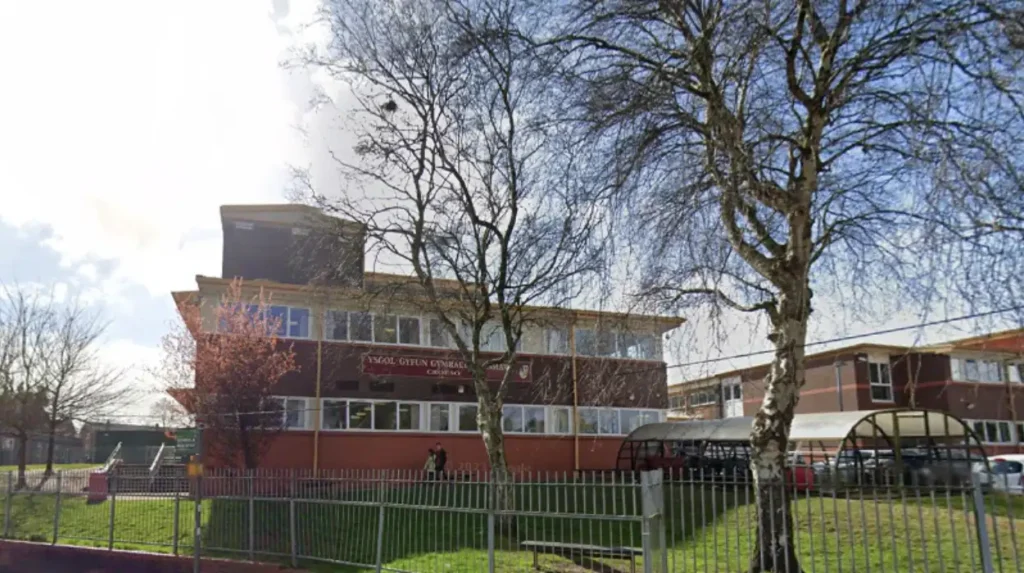
Another reason is building safety or condition. At Ysgol Gyfun Gymraeg Plasmawr in Fairwater, two demountable classrooms were declared unsafe because of persistent leaks and electrical faults, removing teaching space the school could not immediately replace from within the main building. Council officers described the resulting shortfall as “immediate and critical” and approved a new portable building to act as essential accommodation while a permanent solution is planned and built over about three years. Similar logic applies when entire school sites are being redeveloped or when major refurbishments take place: temporary classrooms keep teaching on site instead of splitting pupils across multiple locations.
Which Cardiff schools currently need or use temporary classrooms?
Several Cardiff schools apply for or already use temporary classrooms when their permanent estate cannot meet pupil numbers, safety requirements, or redevelopment timelines.
Greenhill Special School in Rhiwbina, a Cardiff special‑school campus in Rhiwbina, received approval in 2026 for two new Portakabin classrooms to accommodate an additional 16 pupils with additional learning needs. The project includes two new teaching areas plus a kitchen and toilet facilities, and the council noted there was no alternative way to expand internal space, so modular classrooms were deemed the only realistic option.
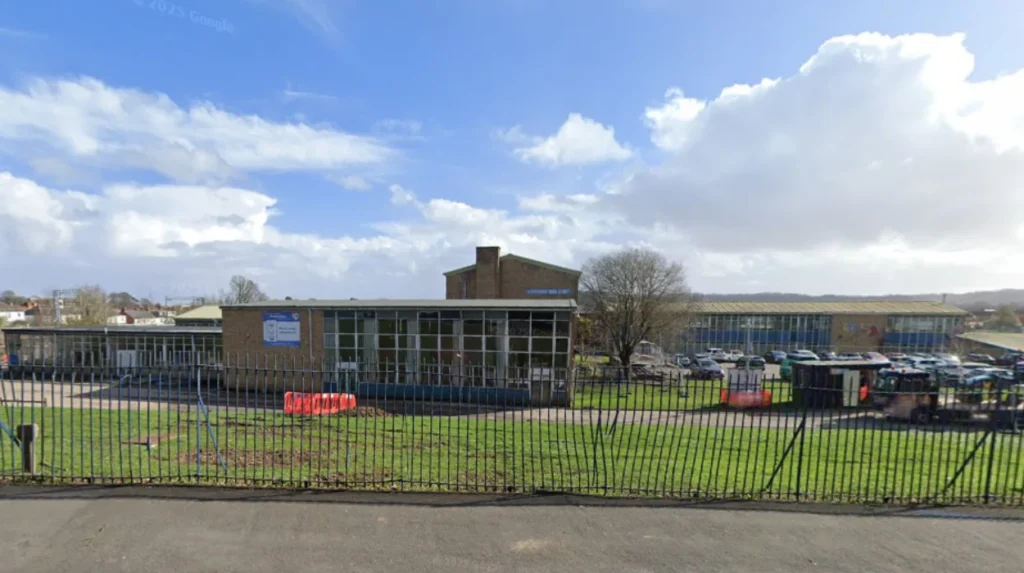
Ysgol Gyfun Gymraeg Plasmawr in Fairwater needed a temporary classroom after two existing demountable rooms were condemned. Because those rooms had originally been used for emotional‑wellbeing support and general teaching, their removal created a “critical shortfall” in teaching accommodation, and the council authorised a new portable building to be used for around three years while permanent alternatives are prepared.
Cantonian High School in Fairwater has also operated with temporary classroom complexes in the past while the wider Cantonian / Fairwater Community Campus proposals were developed. Cardiff Council’s investment programme explicitly allowed for interim temporary measures to ensure sufficient mainstream and additional‑learning‑needs places while the permanent campus was being funded and built.
Beyond these named examples, Cardiff uses modular classrooms across primary and secondary sites whenever the School Building Handbook and capital‑programme pipeline cannot keep pace with demand. The council may install temporary classrooms for standard teaching, specialist subjects (such as art or science), or additional‑learning‑needs bases, depending on each school’s brief and pupil‑placement strategy.
How does Cardiff Council decide which schools get temporary classrooms?
Cardiff Council allocates temporary classrooms by assessing pupil‑numbers pressure, building safety, redevelopment plans, and the absence of alternative internal space at each school. The council’s Education Investment Programme and related cabinet reports set out how pupil‑place pressures are mapped across Cardiff, including growth in specific electoral divisions and catchment areas. When a school submits a request or when officers identify a capacity or safety issue, they model the need in terms of extra pupils, projected intake, and any regulatory or standards‑based constraints.
A school that has no unoccupied rooms, halls, or other adaptable spaces may be prioritised for a temporary classroom if splits between year groups or reduced class sizes would breach statutory class‑size limits or Welsh Government guidance. The council’s capital‑building pipeline also affects the decision: if a permanent build or major refurbishment is scheduled but will not be completed before the next academic year, temporary classrooms can act as a stopgap.
Building‑condition and safety criteria are equally important. At Ysgol Gyfun Gymraeg Plasmawr, the council’s report emphasised that the outgoing demountables were “formally deemed unsafe for occupation” because of leaks and electrical risk, and the new temporary classroom was described as “essential accommodation” rather than optional extra. For special‑school settings such as Greenhill, additional factors include the need for accessible facilities, specialist rooms, and the ability to meet individual‑education‑plan targets without overcrowding.
Approvals are usually formalised through planning applications submitted by Cardiff Council on behalf of the school, with timelines and conditions set for how long the temporary building can remain on site. The council may also specify requirements around siting, noise, accessibility, and environmental impact, ensuring that temporary classrooms integrate safely into the school’s existing layout rather than creating new hazards.
What triggers the need for a temporary classroom at a Cardiff school?
Temporary classrooms are triggered when a Cardiff school faces a concrete shortfall in teaching space due to rising rolls, unsafe buildings, or major redevelopment. The most common trigger is demographic pressure, such as a sharp increase in pupil numbers caused by housing developments, re‑zoning of catchments, or higher birth rates in parts of the city. When permanent capacity is reached, the council and school must either add temporary space or implement measures such as phased admissions or oversubscription criteria, which are often avoided to protect community access.
A second trigger is health and safety risk. Where a section of a school building is found to have structural defects, asbestos, RAAC‑type material risks, or persistent water ingress, the local authority may condemn those rooms and remove them from the usable estate. At Ysgol Gyfun Gymraeg Plasmawr, ongoing leaks and electrical failures led to the removal of two demountable classrooms, directly creating a need for replacement accommodation that could not be met from within the main building.
A third trigger is major redevelopment or phased construction. Cardiff has ongoing capital‑building programmes, including the Fairwater Community Campus around Cantonian High School, which involve demolishing or refurbishing parts of existing sites while the school remains open. Temporary classrooms allow the school to keep pupils on site, maintain familiar routines, and avoid splitting classes across multiple locations, which can disrupt continuity and increase transport costs.
Special‑educational‑needs re‑provisioning is a fourth trigger. When the council adjusts the number of additional‑learning‑needs places or re‑designs resource bases, schools may need extra specialist rooms, therapy spaces, or associated staff accommodation. In these cases, modular classrooms can be adapted with specialist equipment, acoustic treatment, and accessibility features to meet statutory requirements without waiting for a full‑scale permanent build.
How long do temporary classrooms usually stay in Cardiff schools?
Temporary classrooms in Cardiff are typically approved for several years, often three to five‑plus years, sometimes longer if permanent redevelopment is delayed. Cardiff’s planning documents and capital‑building reports commonly frame temporary classrooms as “interim” solutions that remain in place while permanent accommodation is designed, funded, and constructed. For example, the application for Ysgol Gyfun Gymraeg Plasmawr explicitly stated that the new temporary classroom would be required for about three years, reflecting the timescales for securing funds, finalising designs, and completing a permanent facility.
In practice, some temporary classrooms stay on site for more than a decade where pupil‑numbers pressure does not ease or where capital programmes are revised. Modular‑building suppliers note that these units can be installed within weeks and then remain operational for many years, with some designs guaranteed for decades of use if properly maintained. Cardiff Council’s School Building Handbook includes procedures for the ongoing maintenance, repair, and eventual removal of mobile classrooms, indicating that they are treated as long‑term teaching assets rather than purely short‑term fixes.
What are the benefits of temporary classrooms for Cardiff schools and pupils?
Temporary classrooms enable Cardiff schools to maintain class sizes, avoid displacement, and continue teaching safely while permanent solutions are developed. For pupils, the main benefit is continuity: they stay in their existing school community, with familiar teachers and friends, instead of being moved to overflow sites or split across multiple buildings. This reduces travel time, minimises disruption to routines, and helps schools sustain strong behaviour and pastoral‑support systems.
From a strategic‑planning perspective, temporary classrooms give Cardiff Council flexibility to respond to unexpected surges in demand without over‑committing to bricks‑and‑mortar infrastructure in the short term. They allow the authority to test new configurations of pupil‑place distribution, evaluate the impact of housing growth, and refine long‑term building plans before committing to costly permanent projects.
Operationally, modular classrooms can be better than the alternatives in many cases. They are often more energy‑efficient and acoustically controlled than older, poorly maintained permanent blocks, and they can be fitted with modern heating, ventilation, and IT infrastructure from the outset. For schools with growing additional‑learning‑needs cohorts, temporary classrooms can be designed as specialist bases with sensory rooms, quiet areas, and accessible toilets, enabling the school to meet statutory obligations and improve inclusion.
What are the limitations and drawbacks of temporary classrooms in Cardiff?
Temporary classrooms can feel less integrated than permanent buildings, may create logistical and environmental trade‑offs, and usually depend on temporary‑use planning permissions. Many schools report that demountables are noisier, less thermally efficient, or more exposed to weather than the main building, especially if siting is constrained by playgrounds, car parks, or existing services. Corridors between the main building and the temporary unit may be exposed to rain or wind, and pupils may need to cross open areas in poor weather, which can affect attendance and comfort.
From a planning and regulatory standpoint, temporary classrooms are subject to conditions on how long they can remain on site and how they must be positioned. If a permanent project is delayed or funding changes, the council may need to seek extensions or face removal of the temporary unit, which can create uncertainty for schools and families. Some residents also object to the visual impact of temporary structures or the increase in traffic and parking pressure around school sites, as seen in local debates over school‑related parking and drop‑off zones.
There are also cost and maintenance implications. While temporary classrooms are usually cheaper and faster to install than new permanent blocks, they still require foundations, services, and ongoing upkeep. Cardiff Council must balance these costs against the need to invest in long‑term capital projects, meaning that reliance on temporary classrooms can become a sign of constrained budgets rather than optimal educational planning.
How are temporary classrooms installed and regulated in Cardiff?
Cardiff Council installs temporary classrooms through a formal planning process, site‑assessment, and ongoing compliance with education‑estate regulations and building standards. The process usually starts when a school or council officers identify a space‑shortage or safety issue and agree that a temporary classroom is the most appropriate response. A planning application is then submitted to Cardiff Council’s planning department, often using the council as the applicant, with information on the proposed unit’s size, location, access, and environmental impact.
Once planning permission is granted, a contractor or modular‑building supplier manufactures the classroom off‑site, typically in a factory environment, with walls, floors, ceilings, windows, and services pre‑installed. The unit is then transported to the school, positioned on prepared foundations or piling, and connected to electricity, water, drainage, and data networks. Site preparation may include temporary fencing, access roads, and adjustments to playground or parking layouts, all of which are coordinated with the school to minimise disruption.
Regulation comes from multiple sources. The council’s School Building Handbook sets out standards for mobile‑classroom provision, including installation, maintenance, fire‑safety, and accessibility. The unit must comply with current building regulations and education‑estate guidance, and the school is responsible for routine inspections, caretaking, and recording any defects. In some cases, temporary classrooms are also subject to specific conditions in the planning consent, such as maximum years of use or requirements to remove the building if a permanent project is completed earlier than expected.
What does the future look like for temporary classrooms in Cardiff?
Temporary classrooms will remain a necessary part of Cardiff’s school‑estate management while permanent infrastructure spending, demographic growth, and building‑safety pressures remain mismatched. Capital‑building programmes such as the Fairwater Community Campus and other school‑modernisation projects indicate that the council is investing in long‑term solutions, but these projects are planned over five‑ to ten‑year horizons and cannot eliminate all short‑term capacity gaps. As long as new housing developments, changing catchments, and ageing school buildings exist, some schools will continue to rely on temporary classrooms.
However, the trend is to treat temporary classrooms as transitional rather than permanent fixtures. Recent approvals explicitly state that the units will be removed once permanent buildings are completed, and the council’s capital‑building strategy signals that the ultimate goal is to phase out reliance on demountables where possible. Modular‑building suppliers and education‑policy documents note that newer temporary‑classroom designs are increasingly sustainable, energy‑efficient, and easy to relocate, which may allow Cardiff to reuse units between schools and reduce the need for disposable structures.
For Cardiff parents, pupils, and school staff, understanding which schools currently need temporary classrooms and why helps clarify how the education estate is adapting to population growth and safety concerns. Temporary classrooms are not a sign of neglect in themselves; they are a practical tool that allows Cardiff to keep teaching happening on site while more complex, long‑term building projects are delivered.