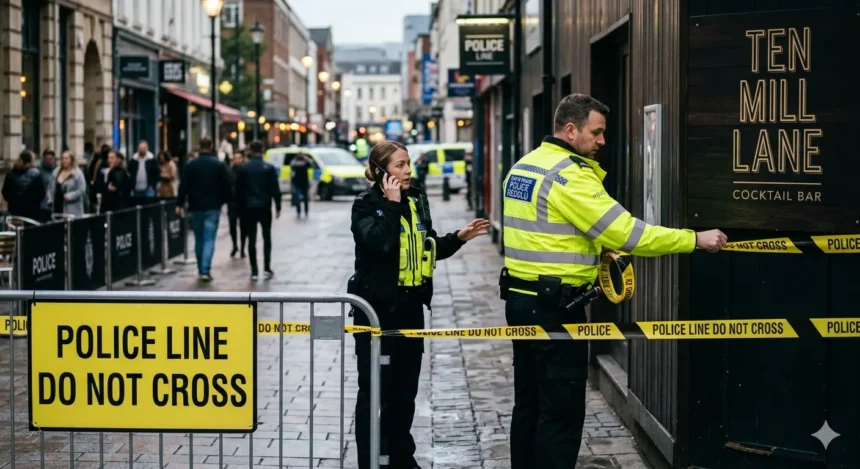
The stabbing incident at Ten Mill Lane in Cardiff city centre on March 8, 2026, sent shockwaves through the local community, highlighting concerns about nightlife safety in one of Wales’ busiest entertainment districts. This early morning assault at a popular cocktail bar left two men hospitalized with non-life-threatening injuries, prompting a swift police response and a temporary closure of the area. As investigations continue without arrests reported as of mid-March 2026, the event underscores broader patterns of violence in urban nightlife settings, drawing attention from residents and visitors alike.
- The Incident Unfolds in Cardiff’s Vibrant Mill Lane
- Immediate Police Response and Scene Management
- Victim Conditions and Hospital Treatment
- Venue Closure and Business Impact
- Broader Context of Stabbings in Cardiff
- Community Reaction and Safety Concerns
- Police Investigation Progress as of April 2026
- Nightlife Safety Measures in Cardiff City Centre
- Historical Nightlife Evolution in Mill Lane
- Implications for Cardiff’s Tourism and Economy
- Lessons Learned and Future Prevention
- Long-Term Community Resilience in Cardiff
The Incident Unfolds in Cardiff’s Vibrant Mill Lane
Mill Lane, nestled in the heart of Cardiff’s bustling city centre, has long been a hub for nightlife, lined with trendy bars, restaurants, and cocktail lounges that attract crowds especially on weekends. Ten Mill Lane, the venue at the centre of this disturbance, operates primarily from Thursday through Sunday, catering to a mix of locals and tourists seeking sophisticated drinks in a lively atmosphere. The incident occurred around 4 a.m. on Sunday, March 8, during what should have been a routine night of revelry turning chaotic.
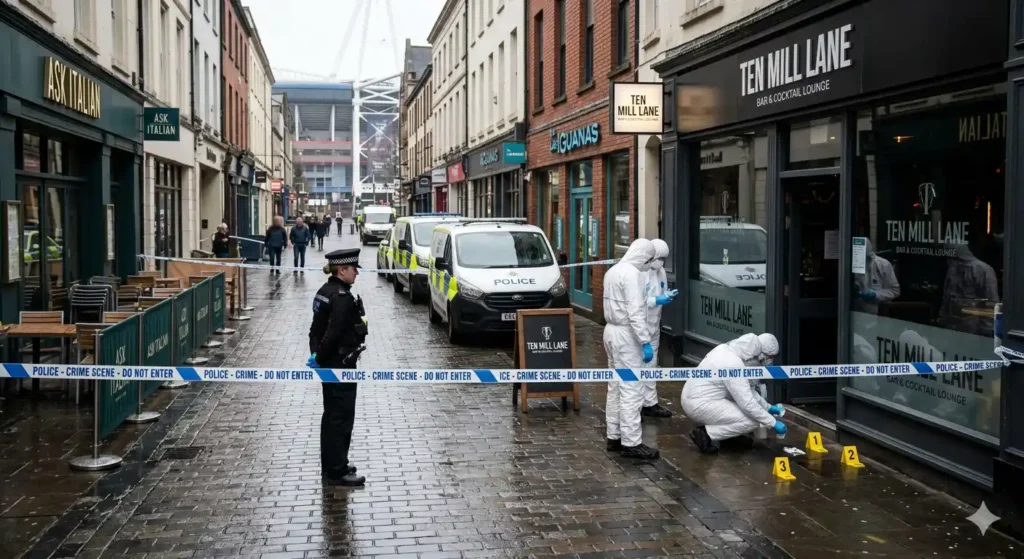
Emergency reports flooded in just after 4 a.m., alerting South Wales Police to an assault involving a stabbing at the bar. Two men were promptly transported to the hospital, their injuries described by authorities as not life-threatening, which provided some relief amid the initial panic. Eyewitness accounts and police statements suggest the altercation escalated quickly within the premises, though specific details on the prelude remain under wraps as part of the ongoing probe. By Sunday morning, Mill Lane was fully cordoned off, with crime scene investigators meticulously combing the bar for evidence, a scene that disrupted the usual flow of pedestrians and early risers in the area.
This location’s prominence amplifies the incident’s impact; Mill Lane is footsteps from major landmarks like St. Mary’s Street and the Principality Stadium, making it a focal point for Cardiff’s after-hours crowd. The sudden lockdown extended to nearby establishments, such as Ask Italian and Las Ianas, as police advised the public to avoid the vicinity, transforming a typically vibrant street into a restricted zone.
Immediate Police Response and Scene Management
South Wales Police acted decisively upon receiving the 4 a.m. call, dispatching officers and medical teams to secure the site and aid the victims. A police spokesperson confirmed the nature of the event as a stabbing, emphasizing that two men had been hospitalized following the assault at Ten Mill Lane. The cordon remained in place through Sunday morning, allowing forensic teams to enter the bar and gather crucial evidence, a standard procedure in such cases to preserve the scene’s integrity.
No arrests were reported immediately after the incident, with investigations described as active and ongoing as of March 10, 2026. This lack of immediate detentions is not uncommon in early-stage inquiries, where officers prioritize victim care and evidence collection over rushed apprehensions. The police statement urged witnesses to come forward, highlighting the value of public cooperation in piecing together the sequence of events. Mill Lane’s closure persisted into the following days, affecting local businesses and underscoring the ripple effects of such violence on Cardiff’s economy and daily life.
Victim Conditions and Hospital Treatment
The two men involved sustained stab wounds that, while serious enough to require hospitalization, were not deemed life-threatening by medical authorities. This assessment came from South Wales Police updates, reflecting the victims’ stable conditions post-treatment. Hospitals in Cardiff, well-equipped for trauma cases given the city’s urban density, likely provided swift surgical intervention and monitoring.
Details on the victims’ identities have been withheld to protect their privacy and the investigation, a practice aligned with UK protocols for assault cases. Their recovery trajectory remains a focal point, as non-fatal injuries often allow for quicker discharges, enabling potential witness statements that could propel the case forward. The incident’s timing in the pre-dawn hours may have contributed to limited immediate bystander intervention, complicating initial accounts.
Venue Closure and Business Impact
In a direct response to the stabbing, Ten Mill Lane announced its closure for the subsequent weekend, deviating from its standard Thursday-to-Sunday schedule. This decision, reported on March 13, 2026, aimed to cooperate fully with authorities and ensure staff and patron safety amid the fallout. The bar’s management likely weighed the risks of reputational damage against operational continuity, a tough call for a city centre venue reliant on weekend footfall.
The broader Mill Lane area felt the strain, with the police cordon sealing off access and deterring customers from adjacent spots. Cardiff’s nightlife sector, which contributes significantly to the local economy through tourism and employment, faces periodic scrutiny over safety, and this event reignited those debates. Establishments like Ten Mill Lane often invest in security measures such as CCTV and door staff, yet incidents persist, prompting questions about efficacy.
Broader Context of Stabbings in Cardiff
Cardiff has experienced a series of stabbing incidents over the years, though the Ten Mill Lane event stands distinct due to its city centre location and nightlife setting. Historical parallels include a 2022 case where two teenagers were arrested after a 41-year-old man was stabbed near Western Leisure Centre, and a 2023 Grangetown incident involving a 46-year-old victim and a subsequent arrest. More recently, a 2024 St Mellons murder investigation saw a 20-year-old detained after a fatal stabbing, illustrating the range from non-fatal assaults to homicides in the region.
These patterns reveal a concerning trend in urban violence, often linked to alcohol-fueled disputes or underlying social tensions. South Wales Police data, while not specifying Ten Mill Lane directly, points to assaults as a priority crime type, with city centre hotspots like Mill Lane featuring prominently in reports. Community leaders and safety advocates have long called for enhanced patrols and venue licensing reforms to curb such occurrences.
Community Reaction and Safety Concerns
The stabbing prompted an outpouring of concern from Cardiff residents, particularly those frequenting Mill Lane’s nightlife. Social media buzzed with discussions on personal safety, with many expressing hesitation about late-night outings post-incident. Local forums and news comments reflected a mix of sympathy for the victims and frustration over recurring violence, amplifying calls for better street lighting and more visible policing.
For Cardiff Daily’s audience, this event resonates deeply as a reminder of the balance between the city’s vibrant culture and its vulnerabilities. Families, students, and professionals who enjoy the area daytime often overlap with night crowds, fostering a shared stake in safer streets. Initiatives like community watch groups have gained traction, urging collective vigilance.
Police Investigation Progress as of April 2026
By mid-March 2026, South Wales Police confirmed no arrests had been made, with the inquiry still active. Updates as of early April indicate continued efforts, including forensic analysis and witness canvassing, though specific breakthroughs remain undisclosed. The force’s approach emphasizes thoroughness, often involving digital evidence from venue CCTV, a staple in modern Cardiff investigations.
Detectives are likely exploring motives ranging from personal disputes to opportunistic violence, cross-referencing with similar cases. Public appeals persist, with contact numbers provided for tips, reflecting reliance on community input. As the case evolves, transparency from authorities will be key to maintaining public trust.
Nightlife Safety Measures in Cardiff City Centre
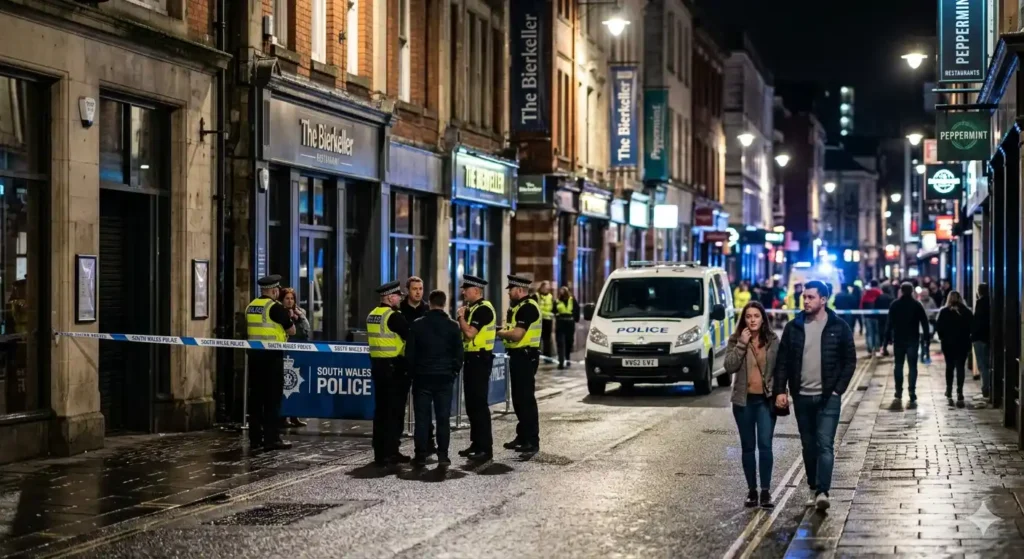
Cardiff’s response to such incidents includes robust safety frameworks, such as the Pubwatch scheme uniting venue owners for shared intelligence on risks. Ten Mill Lane, like peers, employs security personnel trained in conflict de-escalation, yet the 4 a.m. timing suggests lapses in closing procedures. Purple Flag accreditation, which Cardiff holds for safe nights out, mandates high standards, but events like this test their limits.
Local government initiatives, via Cardiff Council, promote taxi marshals and safe zones post-midnight. Alcohol harm reduction campaigns target binge drinking, a common antecedent to violence. For residents, practical steps include sticking to groups, using licensed transport, and reporting suspicions early.
Historical Nightlife Evolution in Mill Lane
Mill Lane’s transformation from a quiet alley to a nightlife epicentre traces back to Cardiff’s post-industrial boom in the 1990s, when regeneration efforts birthed bar crawls and live music scenes. Once home to mills and warehouses, it now boasts upscale venues like Ten Mill Lane, blending craft cocktails with DJ sets. This evolution mirrors Cardiff’s rise as a capital city, but with growing pains like overcrowding and late-night tensions.
Archival records from South Wales Police highlight periodic spikes in assaults correlating with venue density. The area’s appeal endures, drawing over a million visitors annually to events nearby, yet sustainability hinges on addressing safety lapses post-stabbings like this one.
Implications for Cardiff’s Tourism and Economy
As a gateway for tourists, Cardiff’s city centre incidents risk reputational harm. Visit Wales promotions emphasize safe, welcoming vibes, but headlines like the Ten Mill Lane stabbing could deter hesitant travellers. Economically, nightlife generates millions, supporting jobs from bar staff to suppliers; closures disrupt this chain.
Stakeholders advocate for balanced regulation—stricter licensing without stifling vibrancy. Data from similar UK cities shows that proactive measures, like AI-monitored CCTV, reduce incidents by up to 20%. Cardiff’s resilience shines through, with Mill Lane rebounding post-cordon, but sustained vigilance is essential.
Lessons Learned and Future Prevention
The Ten Mill Lane incident serves as a case study in urban safety, urging venues to audit security protocols rigorously. Training on knife crime recognition, rapid incident reporting, and patron triage can mitigate escalations. Broader policy shifts, including blade bans in nightlife zones, gain momentum following national campaigns.
For Cardiff Daily readers, staying informed empowers proactive choices. Engaging with local councils on safety budgets and supporting victim services fosters a safer community. As investigations progress, the hope remains for justice and a precedent for prevention, ensuring Mill Lane’s lights stay on without fear.
Long-Term Community Resilience in Cardiff
Cardiff’s spirit endures beyond single events, with residents rallying through neighbourhood forums and safety workshops. Historical precedents show the city bouncing back stronger, implementing lessons from past stabbings into fabric policies. Ten Mill Lane’s story, while alarming, catalyses dialogue on balancing revelry with responsibility.
Ongoing police work, coupled with community input, positions Cardiff to refine its nightlife model. This evergreen examination ensures future generations navigate Mill Lane safely, preserving its allure as a Cardiff treasure.