Cardiff is the capital of Wales and the country’s largest urban centre. It combines a compact city centre with established residential districts, suburban communities, university neighbourhoods, waterfront areas and villages on the urban edge. Census 2021 recorded 362,308 residents in Cardiff, up from about 346,100 in 2011.
- Which areas are generally considered good places to live in Cardiff?
- What is Pontcanna like for people living in Cardiff?
- Is Canton a suitable area to live in Cardiff?
- Why do people choose Roath when looking for a Cardiff neighbourhood?
- Is Penylan a good residential area in Cardiff?
- What is Cyncoed like as a place to live?
- Why is Llandaff popular with residents?
- Is Whitchurch one of Cardiff’s established suburban areas?
- What makes Lisvane different from inner Cardiff neighbourhoods?
- What is Radyr like for families and commuters?
- Is Cardiff Bay a practical place to live?
- What is Grangetown like for people moving to Cardiff?
- Which Cardiff areas are suitable for students?
- Which Cardiff neighbourhoods suit families?
- Which Cardiff areas provide access to green space?
- How important is transport when choosing where to live in Cardiff?
- How much does it cost to live in Cardiff?
- How should you compare Cardiff neighbourhoods before moving?
- What should you know before choosing where to live in Cardiff?
Choosing where to live in Cardiff depends on housing type, commuting requirements, access to green space, schools, local facilities, nightlife and proximity to the city centre. The city contains distinct neighbourhoods such as Canton, Pontcanna, Roath, Penylan, Cyncoed, Llandaff, Whitchurch, Heath, Cardiff Bay, Grangetown, Radyr and Lisvane.
Cardiff’s housing market also varies significantly by property type and location. The Office for National Statistics recorded an average Cardiff house price of £272,000 in July 2026 and an average private rent of £1,177 per month in August 2026. These are citywide figures rather than neighbourhood-specific prices.
The sections below explain the main residential areas and the characteristics that matter when comparing them.
Which areas are generally considered good places to live in Cardiff?
Cardiff has several established residential areas with different housing, transport and lifestyle characteristics. Pontcanna, Canton, Roath, Penylan, Cyncoed, Llandaff, Whitchurch, Lisvane and Radyr are among the city’s recognised residential communities.
Cardiff does not have one officially designated list of “best” neighbourhoods. The term depends on individual housing requirements.
The city is divided administratively into 28 electoral wards, while neighbourhood identities operate at a more local level. Cardiff Council’s neighbourhood information system allows residents to identify local councillors, facilities and school catchment information using a postcode.
Neighbourhood character is influenced by housing stock, transport connections, parks, shopping streets, schools, employment locations and access to the city centre.
Central neighbourhoods generally provide shorter journeys into the commercial core. Inner residential districts contain many Victorian and Edwardian terraces. Outer areas contain more detached and semi-detached housing, newer developments and larger gardens.
The right location therefore depends on whether the priority is city-centre access, family housing, university access, green space, suburban living or transport connections.
What is Pontcanna like for people living in Cardiff?
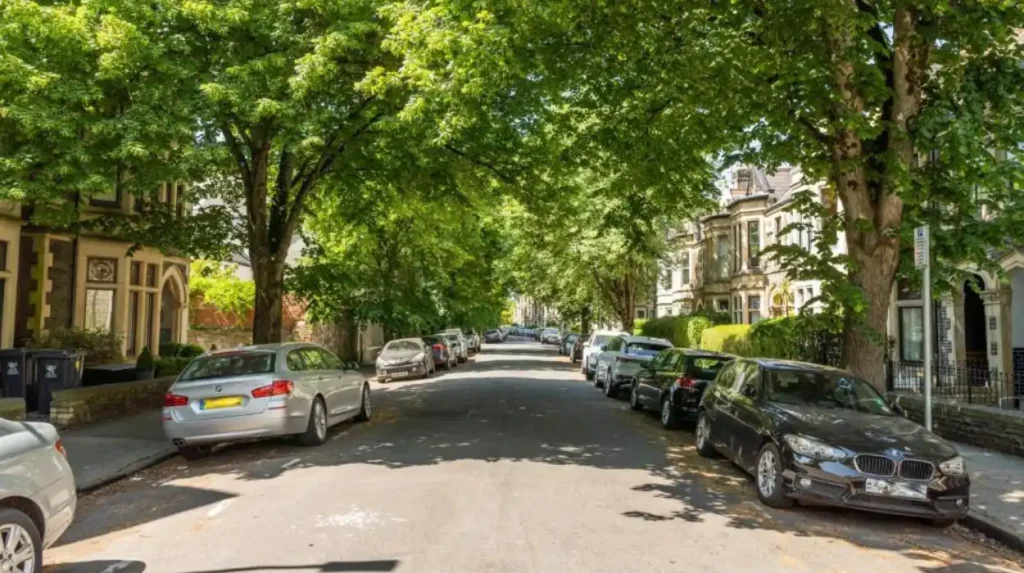
Pontcanna is an established inner-west Cardiff neighbourhood known for Victorian and Edwardian housing, independent local businesses, green spaces and convenient access to central Cardiff. It sits close to Canton, Riverside, Llandaff Road and the city centre.
Pontcanna lies immediately west of Cardiff city centre. Its residential streets contain substantial numbers of period terraced properties alongside converted flats and other housing types.
The area has strong connections with Cathedral Road, Western Avenue and Llandaff Road. Cardiff Council identifies Cathedral Road as a conservation area, reflecting the architectural importance of the area.
Pontcanna also benefits from proximity to parks and recreational spaces. Its location provides practical access to the River Taff corridor and Bute Park.
The neighbourhood suits residents who want an urban residential environment without living directly in the city centre. Walking and cycling are practical for many journeys because the central business district is relatively close.
Housing costs can be higher than in some other Cardiff districts, particularly for attractive period properties and larger homes. Buyers therefore need to compare individual streets and property conditions rather than treating the whole neighbourhood as one housing market.
Is Canton a suitable area to live in Cardiff?
Canton is a diverse inner-west Cardiff neighbourhood with Victorian and Edwardian terraces, local shopping streets, restaurants, community facilities and strong links towards the city centre. It also provides access to Pontcanna, Riverside and major west Cardiff transport routes.
Canton is located west of the city centre and borders Pontcanna, Riverside and Ely-facing parts of west Cardiff.
Cowbridge Road East forms an important commercial corridor through the area. The neighbourhood has a mixture of traditional terraces, converted properties and modern residential accommodation.
Canton’s location is useful for people who want access to central Cardiff without living directly in the city centre. Bus routes and road connections provide links across the wider city.
The area also has a strong local commercial identity. Residents can access shops, cafés, restaurants, services and everyday amenities without travelling into the city centre for every requirement.
Housing varies substantially between streets. Victorian terraces dominate many sections, while flats and newer developments provide alternatives.
Cardiff Council’s residential-care listings also identify multiple facilities within Canton, illustrating the area’s established residential infrastructure.
Why do people choose Roath when looking for a Cardiff neighbourhood?
Roath is a densely populated east-central Cardiff neighbourhood with Victorian and Edwardian terraces, independent businesses, restaurants, community facilities and access to Roath Park. Its location provides convenient connections to the city centre and Cardiff University areas.
Roath is one of Cardiff’s best-known inner-city residential districts. It sits east of the city centre and is closely connected with Plasnewydd, Cathays, Penylan and Splott.
The neighbourhood contains a large stock of traditional terraced housing. Many properties have been converted into flats or student accommodation, particularly around streets closer to Cardiff’s universities.
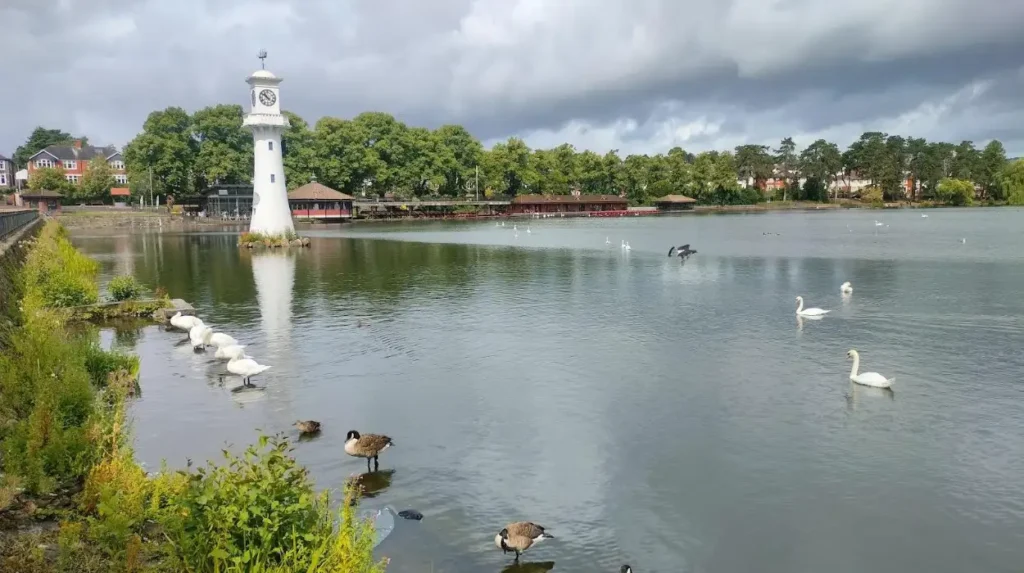
Roath Park provides a major recreational asset nearby. Cardiff Council recognises several conservation areas connected with Roath Park, including Roath Park and Roath Park Lake and Gardens.
Roath also has an extensive local retail and food scene. Albany Road and nearby commercial streets provide everyday services.
Parking is an important consideration. Cardiff Council operates controlled parking zones in parts of the inner city, including Cathays, and parking restrictions vary by zone.
Roath therefore works particularly well for residents prioritising urban amenities and access to central Cardiff, while households requiring extensive private parking need to examine individual properties carefully.
Is Penylan a good residential area in Cardiff?
Penylan is an established east Cardiff residential neighbourhood characterised by traditional housing, tree-lined streets, local amenities and proximity to Roath Park. It provides a suburban environment while remaining relatively close to central Cardiff and the city’s eastern districts.
Penylan lies east of Roath and north of Newport Road. The area includes substantial residential streets and established housing.
Roath Park is one of the neighbourhood’s major environmental assets. Cardiff Council lists Roath Park Mill Gardens, Roath Park and Roath Park Lake and Gardens among the city’s conservation areas.
Housing includes Victorian and Edwardian terraces, semi-detached houses and larger detached properties in selected streets.
Penylan provides a useful balance between central accessibility and a more suburban residential environment. Newport Road offers an important east-west transport corridor.
The neighbourhood also has local services and community facilities. Cardiff Council’s parking information identifies Penylan Library car park with 50 spaces, including four Blue Badge spaces and two electric vehicle charging spaces.
Property values vary according to street, property size and condition. Prospective buyers should compare recent local transactions rather than relying solely on citywide averages.
What is Cyncoed like as a place to live?
Cyncoed is a mainly suburban north-east Cardiff neighbourhood with larger homes, residential streets, green spaces and access to Roath Park Lake. It provides a quieter residential setting while retaining road and bus connections with central Cardiff.
Cyncoed lies north-east of the city centre near Penylan, Lakeside and Lisvane.
The neighbourhood contains a significant proportion of larger family homes. Detached and semi-detached properties are common compared with the denser terraces found in inner Cardiff.
Roath Park Lake and Gardens extends towards the Cyncoed and Penylan area. Cardiff Council lists the lake and gardens as a conservation area.
Cyncoed is therefore strongly associated with suburban housing and access to outdoor space.
Transport depends more heavily on buses and roads than on immediate access to Cardiff Central station. Residents commuting to central Cardiff need to consider peak travel times and their specific route.
The area also sits close to educational institutions and community facilities in north-east Cardiff. Housing stock and plot sizes vary significantly, making street-level inspection important for buyers.
Why is Llandaff popular with residents?
Llandaff is a historic north-west Cardiff community known for its cathedral, established residential streets, green spaces and village-style local centre. It combines historic architecture with access to Cardiff’s wider transport, education and employment networks.
Llandaff has medieval origins and developed around Llandaff Cathedral and the River Taff.
The area retains a strong historic identity. Cardiff Council identifies the Cardiff Road conservation area within Llandaff and provides a dedicated appraisal describing its architectural character.
Residential property includes historic houses, traditional terraces, semi-detached homes and larger properties.
Llandaff’s location provides access to central Cardiff while retaining a distinct neighbourhood identity. The River Taff and surrounding green spaces provide recreational opportunities.
The community is also close to areas such as Fairwater, Radyr, Pontcanna and Whitchurch.
Housing demand varies according to proximity to the cathedral, schools, transport routes and local amenities. Buyers interested in historic properties also need to account for conservation-area controls because certain external works can require additional consent. Cardiff Council confirms that works to trees within conservation areas also require permission.
Is Whitchurch one of Cardiff’s established suburban areas?
Whitchurch is an established north Cardiff suburb with a local centre, family housing, schools, green spaces and transport connections. It provides a suburban environment while retaining access to central Cardiff and nearby communities such as Rhiwbina and Birchgrove.
Whitchurch lies north of the city centre and forms part of a larger residential area that includes Rhiwbina, Birchgrove and Pantmawr.
The neighbourhood contains traditional houses, terraces, semi-detached properties and newer residential developments.
Whitchurch Road and surrounding commercial streets provide shops and local services. The area also has access to schools and recreational facilities.
Transport connections include road and bus routes towards central Cardiff and north Cardiff employment areas.
Cardiff Council identifies Church Road in Whitchurch as a conservation area, demonstrating the presence of historically significant built environments within the suburb.
Whitchurch is particularly relevant for households looking for suburban housing without moving far beyond Cardiff’s urban boundary.
What makes Lisvane different from inner Cardiff neighbourhoods?
Lisvane is a north Cardiff suburb with predominantly low-density residential development, larger houses, green surroundings and a railway station. It provides a distinctly suburban environment compared with dense inner districts such as Cathays, Roath and parts of Canton.
Lisvane sits in north Cardiff near Llanishen, Thornhill and the Cardiff countryside.
The housing stock contains detached and semi-detached properties alongside smaller developments. Gardens and private outdoor space are more common than in inner-city neighbourhoods.
Lisvane railway station provides an important transport connection. The wider Cardiff rail network connects northern suburbs with the city centre and other destinations.
The neighbourhood also provides access to open countryside and recreational routes.
Its lower-density character means daily journeys often involve a greater reliance on cars, buses or rail depending on the destination.
For buyers, Lisvane’s housing profile means property prices can differ considerably from Cardiff’s citywide average. The ONS recorded an overall Cardiff average house price of £272,000 in July 2026, but that figure covers all neighbourhoods and property types.
What is Radyr like for families and commuters?
Radyr is a suburban north-west Cardiff community with railway access, family housing, schools, green spaces and connections to central Cardiff. Its location combines residential development with access to the River Taff corridor and surrounding countryside.
Radyr is located north-west of central Cardiff near Morganstown, Pentyrch and Llandaff.
The community has developed substantially as a commuter-oriented residential area. Housing includes detached and semi-detached homes, terraces and modern developments.
Radyr railway station provides direct rail connectivity towards Cardiff and the wider South Wales network.
The surrounding landscape contributes to the area’s suburban and semi-rural character. Residents have access to walking routes and green spaces around the River Taff corridor.
Radyr is suitable for households that prioritise larger homes and suburban surroundings while retaining rail access to central Cardiff.
Property prices depend strongly on housing size, development age and location. Prospective residents should assess school catchments, rail schedules, parking and local amenities alongside the property itself.
Is Cardiff Bay a practical place to live?
Cardiff Bay is a regenerated waterfront district containing modern apartments, offices, cultural attractions, restaurants and public spaces. It provides an urban waterfront lifestyle close to central Cardiff, with housing dominated by flats and contemporary residential developments.
Cardiff Bay occupies the former docklands south of the city centre. Major regeneration transformed large parts of the waterfront from an industrial dock environment into a mixed-use urban district.
Modern residential developments are concentrated around areas such as Mermaid Quay, the International Sports Village and the Bay waterfront.
Cardiff Bay is well suited to residents who prioritise apartments, waterfront access, restaurants, cultural attractions and modern urban development.
Housing differs substantially from traditional residential districts. Apartments are much more prominent than detached or semi-detached houses.
The area also has transport connections through Cardiff Bay railway station and bus routes. Cardiff Central provides access to the wider rail network. Transport for Wales describes Cardiff Central as Cardiff’s main railway station and a major transport interchange.
Residents should consider service charges, parking arrangements, building management and lease terms when purchasing an apartment.
What is Grangetown like for people moving to Cardiff?
Grangetown is a diverse inner-south Cardiff neighbourhood close to the city centre and Cardiff Bay. It contains traditional terraces, newer developments, local businesses and strong transport connections, making it an important residential district between central Cardiff and the waterfront.
Grangetown lies south of central Cardiff and north of Cardiff Bay.
The neighbourhood has a long industrial and migration history connected with Cardiff’s docks. Its population remains diverse, with different communities contributing to its cultural identity.
Housing includes traditional terraced properties, flats and modern developments.
Its location makes central Cardiff and the Bay accessible by walking, cycling and public transport for many residents.
Grangetown has also experienced significant regeneration. Cardiff Council describes neighbourhood regeneration as work involving housing, streets, public spaces and local services.
The neighbourhood is useful for residents seeking proximity to the centre and waterfront without choosing a high-rise waterfront apartment.
As with other inner-city areas, parking, traffic and property condition vary considerably between streets.
Which Cardiff areas are suitable for students?
Cathays, Plasnewydd, Roath and parts of central Cardiff contain major concentrations of student housing because they sit close to Cardiff University, Cardiff Metropolitan University facilities, shops, transport routes and city-centre amenities.
Cathays is particularly associated with student accommodation because of its proximity to Cardiff University campuses and the city centre.
Cardiff University is a major research university based in the city. Its official information describes a broad academic and research community.
Cardiff Metropolitan University is another major higher-education institution in the city, offering undergraduate, postgraduate and research programmes.
Student housing is concentrated around areas where walking access to campuses combines with shops, food outlets and public transport.
Roath and Plasnewydd also contain large numbers of shared rental properties.
Students need to consider more than headline rent. Important factors include bills, tenancy length, deposit requirements, property condition, transport costs and distance from campus.
Cardiff Council provides housing information covering private renting and other housing options for residents.
Which Cardiff neighbourhoods suit families?
Family-oriented residential choices in Cardiff include suburban areas such as Cyncoed, Lisvane, Radyr, Whitchurch and Llandaff, alongside selected parts of Penylan and Heath. Housing size, school catchment, transport and green space are key factors when comparing these communities.
Family housing is distributed across Cardiff rather than concentrated in one district.
Cyncoed and Lisvane contain many larger detached and semi-detached properties. Radyr provides suburban housing with railway access. Whitchurch combines a traditional suburban centre with schools and local services. Llandaff provides historic surroundings and access to green space.
Penylan offers an intermediate location between dense inner-city districts and outer suburbs.
School catchment is a particularly important consideration. Cardiff Council’s neighbourhood service provides postcode-based information about school catchment areas and local facilities.
Families should verify the current catchment position for an exact property before making housing decisions. Catchment boundaries and admissions arrangements are administrative matters and can change.
Property size also affects affordability. Cardiff’s July 2026 average was £272,000 across all property types, while the average detached property was £519,000 and the average semi-detached property was £325,000.
Which Cardiff areas provide access to green space?
Cardiff has extensive parks and green spaces distributed across central, inner and suburban neighbourhoods. Roath Park, Bute Park, Llandaff, Pontcanna, Penylan, Cyncoed and north Cardiff communities provide different forms of recreational access.
Green space is an important part of Cardiff’s residential structure.
Bute Park borders the city centre and provides immediate access to a large urban park. Roath Park and its lake provide major recreational facilities for east Cardiff. The River Taff corridor links several western and northern neighbourhoods.
Cardiff Council maintains a citywide parks and green-space service covering parks, play areas and outdoor facilities.
The location of green space affects daily routines differently. A home next to a park provides immediate access, while a property several streets away can require a longer walk.
Residents should also distinguish between formal parks, conservation areas, river corridors, playing fields and countryside.
Cardiff’s relatively compact urban structure means many neighbourhoods have access to some form of public open space.
How important is transport when choosing where to live in Cardiff?
Transport is one of the most important factors when comparing Cardiff neighbourhoods because travel times vary by railway access, bus routes, cycling infrastructure, road congestion and distance from Cardiff Central. Transport for Wales provides journey planning across rail, bus, walking and cycling.
Cardiff Central is the principal railway station in the city. It sits in Central Square and connects Cardiff with destinations across South Wales and beyond.
Rail access is particularly important for residents in northern and western suburbs. Stations such as Radyr, Lisvane and other Cardiff suburban stations provide alternatives to road travel.
Bus services cover areas without nearby railway stations.
Transport for Wales provides a multimodal journey planner covering trains, buses, walking and cycling.
Car ownership creates additional considerations. Some inner neighbourhoods have controlled parking zones. Residents need to check whether a property includes private parking, resident permits or unrestricted street parking.
Cycling and walking are increasingly relevant for central neighbourhoods. The short distances between many inner districts and the city centre make active travel practical for numerous journeys.
The most suitable neighbourhood therefore depends heavily on the resident’s regular destination rather than simply the property’s distance from Cardiff city centre.
How much does it cost to live in Cardiff?
Cardiff housing costs vary by neighbourhood, property type and tenure. In July 2026, the average house price was £272,000, while average private rent reached £1,177 per month in August 2026, according to ONS data.
Cardiff’s housing market includes flats, terraced houses, semi-detached homes and detached properties.
The ONS recorded the following July 2026 citywide averages:
- Detached homes: £519,000
- Semi-detached homes: £325,000
- Terraced homes: £262,000
- Flats and maisonettes: £161,000
The average first-time buyer price was £234,000. The average price for mortgage buyers was £277,000.
Private rents averaged £1,177 per month in August 2026. This was 3.5% higher than the £1,138 recorded in August 2025.
These figures are useful for understanding the overall market but do not represent every neighbourhood.
Pontcanna, Llandaff, Cyncoed and Lisvane contain housing types that differ significantly from the apartment-heavy market in Cardiff Bay or the traditional terraces of Cathays and Roath.
Buyers should therefore compare properties using recent local transaction evidence, while renters should compare current listings, tenancy terms and total monthly costs.
Explore More Area Guide
Which Electoral Ward Covers Cardiff Bay? Butetown and Grangetown
Llandaff Conservation Areas: Cardiff Road, Insole Court & Llandaff
How should you compare Cardiff neighbourhoods before moving?
Compare Cardiff neighbourhoods using housing costs, property type, transport, schools, green space, local amenities, parking and daily travel requirements. A postcode-level assessment is more accurate than relying on broad reputations because conditions vary between streets.
Start with the location of your workplace, university or regular destination.
Measure the journey during typical commuting hours rather than relying only on off-peak journey times.
Next, compare housing. A terrace in Roath has different maintenance, parking and space characteristics from a detached property in Lisvane. A Cardiff Bay apartment has different service charges and ownership considerations from a traditional house in Canton.
Check schools using the exact property postcode. Cardiff Council’s neighbourhood service provides school catchment information and other local data.
Check parking requirements. Controlled parking schemes operate in several Cardiff districts.
Check green-space access using Cardiff Council’s parks information.
Finally, examine current housing costs. ONS data should be treated as citywide market evidence rather than a precise valuation for an individual street. The ONS specifically warns that local housing data are based on smaller numbers of properties and that short-term movements can be variable.
What should you know before choosing where to live in Cardiff?
Cardiff offers contrasting residential environments ranging from dense inner-city districts and waterfront apartments to established suburbs and outer communities. The strongest comparison focuses on actual housing, transport, schools, amenities, green space and household requirements.
Pontcanna and Canton provide inner-west residential living close to central Cardiff. Roath and Cathays provide dense east-central and university-oriented housing. Penylan and Cyncoed provide more suburban environments near major green spaces.
Llandaff combines historic character with established residential streets. Whitchurch provides a traditional north Cardiff suburban centre. Lisvane and Radyr offer lower-density housing and stronger suburban characteristics.
Cardiff Bay provides a modern waterfront environment, while Grangetown combines inner-city housing with proximity to the Bay.
The city continues to experience population and housing pressure. Cardiff’s population increased by 4.7% between 2011 and 2021, reaching about 362,400.
Housing policy remains an active area of local planning. Cardiff Council’s housing strategy covers housing needs and delivery across the city, while its local housing market assessment examines future housing requirements.
For anyone moving to Cardiff, the most reliable approach is to compare individual properties and streets against personal requirements. Cardiff’s neighbourhoods are diverse enough that two homes within the same broad district can provide very different living experiences.
What are the best areas to live in Cardiff?
Popular residential areas include Pontcanna, Canton, Roath, Penylan, Cyncoed, Llandaff, Whitchurch, Lisvane, Radyr, Cardiff Bay and Grangetown. Each area has different housing, transport, amenities and green-space characteristics.