
Cardiff is the capital of Wales and one of the UK’s most important regional cities. For a family, the monthly budget in 2025 is shaped mainly by rent, council tax, food, transport, utilities, and childcare.
- What does cost of living mean in Cardiff?
- How expensive is Cardiff in 2025?
- What is the average monthly family budget in Cardiff?
- How much is rent in Cardiff?
- What do utilities cost in Cardiff?
- How much do families spend on food?
- How much does transport cost?
- What about council tax in Cardiff?
- How does Cardiff compare with other UK cities?
- What does a realistic monthly family budget look like?
- What costs surprise families most?
- Is Cardiff affordable for families in 2025?
- What should families plan for next?
What does cost of living mean in Cardiff?
Cost of living means the total monthly spending needed for housing, food, transport, utilities, council tax, and daily essentials in Cardiff. In 2025, the biggest cost for most families is rent, followed by groceries, bills, and local taxes.
The term covers recurring household expenses, not one-off purchases. For families, the real measure is the monthly amount needed to maintain a normal standard of living in the city. That includes rent or mortgage costs, food shopping, utility bills, transport fares, council tax, mobile and broadband services, school-related spending, and occasional health or leisure costs.
Cardiff’s 2025 affordability profile is shaped by local housing demand, public transport access, and municipal costs. Cardiff Council’s 2025/26 budget shows rising cost pressure on local services, which matters because council tax and service funding directly affect household budgets.
How expensive is Cardiff in 2025?
Cardiff sits in the mid-range for UK city living costs. A family budget is usually lower than in London, but housing and council tax still make the city expensive enough that many households need careful monthly planning.
Public cost-of-living data for Cardiff in 2025 places the city at a moderate cost level, with housing as the main driver. Wise’s Cardiff cost-of-living data shows average rent for a 3-bedroom apartment at £1,864.29 per month in the city centre and £1,225 outside the centre. Expatistan’s 2026 estimate for a family of four is £3,073 per month, which aligns with a realistic household budget once rent, food, transport, and bills are included. These figures show the scale of normal family spending even before school extras and leisure costs are added.
For an accurate family view, the most useful approach is not a city average alone. It is a full household budget built from the major living categories that families actually pay each month.
What is the average monthly family budget in Cardiff?
A family of four in Cardiff typically spends about £2,900 to £3,600 a month in 2025, depending on rent, location, childcare, and travel patterns. The most common budget sits near £3,000 before unusual costs such as private school fees or high childcare charges.
A practical monthly family budget in Cardiff is built from the main recurring costs. Rent for a 3-bedroom home is about £1,225 outside the centre or £1,864 in the city centre. Utilities are around £144 to £162 per month in comparable Cardiff living guides. Transport begins at about £67 for a monthly ticket in lower-cost scenarios, with higher totals when multiple adults travel regularly. Food shopping often costs £500 to £700 for a family of four, based on current UK grocery spending patterns and city cost levels. Council tax varies by property band and local area, and it is a major monthly line item in Cardiff. Internet and phones commonly cost £40 to £80 combined for a family household. School and household extras such as clothing, prescriptions, activities, and minor repairs often add £150 to £300.
That gives a realistic family total near £3,000 outside the centre and closer to £3,500 or more in the city centre, especially when transport and childcare costs rise.
How much is rent in Cardiff?
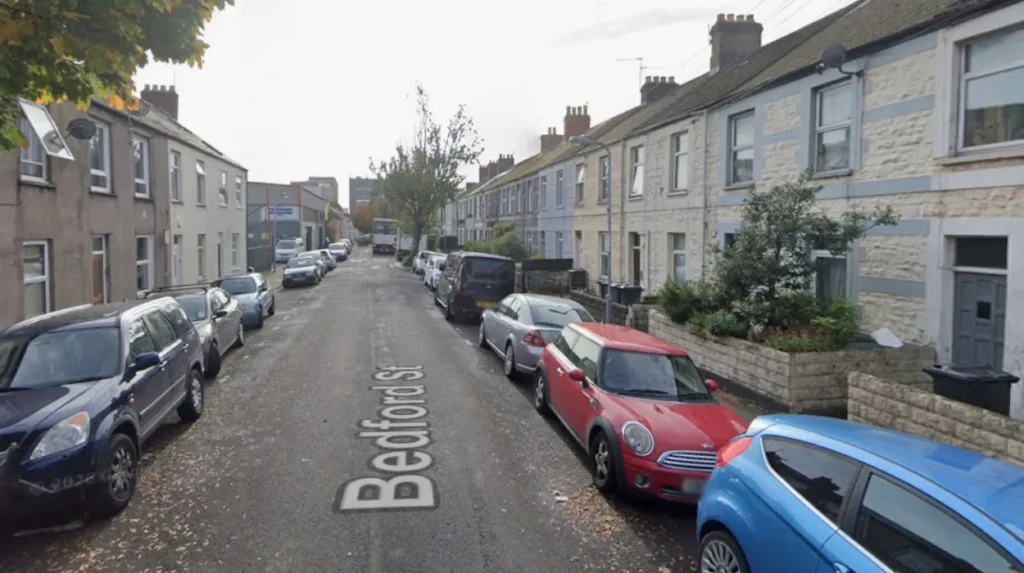
Rent is the biggest cost for Cardiff families. In 2025, a 3-bedroom apartment averages £1,225 outside the centre and £1,864 in the city centre, which changes the whole household budget by hundreds of pounds each month.
Wise’s Cardiff data gives a clear split between city-centre and outer-area rents. A 1-bedroom apartment averages £988.46 in the centre and £806.25 outside it, which shows how strongly location affects price. For a family, the more relevant figure is the 3-bedroom category because it better matches typical household needs.
The difference between £1,225 and £1,864 is £639 each month. That gap equals more than £7,600 a year. For families choosing between central convenience and lower outer-area rent, that single decision usually has the largest effect on overall affordability.
What do utilities cost in Cardiff?
Typical monthly utilities in Cardiff are about £144 to £162 for a household, covering electricity, heating, water, and basic household consumption. Higher usage in winter raises the total, especially for families living in larger homes.
Cardiff family spending rises in colder months because heating demand increases. A larger home with multiple bedrooms needs more energy than a flat, and older housing stock often has less efficient insulation. That means winter bills usually sit above summer bills even when the same household keeps its consumption habits stable.
Internet and mobile services add more to the monthly bill. A family that uses home broadband, streaming, and several mobile plans should treat communications as a fixed household cost rather than a flexible extra.
How much do families spend on food?
A Cardiff family usually spends several hundred pounds a month on groceries, with the exact figure driven by household size, shopping habits, and whether the family eats out often. Food is the second or third largest recurring expense after rent and council tax.
For a family of four, a practical monthly food budget often lands between £500 and £700. Families who shop at budget supermarkets, cook at home, and limit takeaway spending stay near the lower end. Families that buy premium brands, fresh prepared food, or frequent takeaway meals move toward the upper end quickly.
Eating out adds extra pressure. Cardiff has a broad food market, but regular restaurant spending pushes monthly totals up fast. Even one or two modest meals out each week can add £80 to £200 over a month.

How much does transport cost?
Transport in Cardiff is manageable compared with larger UK cities, but family totals still rise when adults commute separately or when children need regular travel support. Monthly transport costs often start around £67 for one pass and increase with multiple users.
Celtic English Academy’s Cardiff guide lists a monthly transport ticket at £67 in one common scenario. That figure works as a base reference for a single commuter, not a full family household. A family with two working adults can easily spend double that amount if both rely on buses or rail links.
Car ownership changes the calculation significantly. Fuel, insurance, servicing, parking, and road tax create a different budget structure from public transport. Families with one car often spend far more than the cost of monthly tickets, especially if the vehicle is used for school runs and commuting.
What about council tax in Cardiff?
Council tax is a core Cardiff household expense and varies by property band, home type, and local authority charges. Families in larger properties pay more, and this cost sits alongside rent rather than replacing it.
Cardiff Council’s 2025/26 budget shows significant financial pressure on local services, which keeps council tax relevant to household affordability. Council tax matters because it is a fixed monthly or annual obligation for most households. It does not depend on how much a family uses services in a given month. It depends on the property valuation band and the local charging structure.
For families renting in Cardiff, council tax is often included in the total cost-of-living calculation even when it is technically paid through the tenant’s monthly budget. Larger family homes usually fall into higher bands than smaller flats, so a 3-bedroom household pays more than a one-bedroom household.
How does Cardiff compare with other UK cities?
Cardiff is cheaper than London and many southern English cities, but it is not a low-cost city. It sits in a middle position where housing is the decisive factor and family budgets still require discipline.
The strongest comparison point is housing. A 3-bedroom city-centre apartment in Cardiff averages £1,864.29, which is far below central London levels but still high enough to shape the entire family budget. Outside the centre, £1,225 is more manageable, but the rest of the household budget still needs careful control.
Expatistan’s family estimate of £3,073 per month shows that Cardiff is not cheap once all recurring costs are counted. That figure is useful because it reflects full household spending rather than only one category like rent.
What does a realistic monthly family budget look like?
A realistic Cardiff family budget in 2025 is roughly £2,950 to £3,550 a month for a standard household outside the centre, and around £3,400 to £4,000 in central areas. Rent is the main reason the range moves up or down.
A typical outer-area family budget starts with rent at £1,225. Utilities add £144 to £162. Food generally costs £500 to £700. Transport often adds £100 to £250 for a family household. Council tax remains a substantial fixed local charge. Broadband and phones usually add £40 to £80. Clothing, school items, and household extras often add £150 to £300.
That structure puts the household close to £3,000 before childcare, savings, or larger discretionary spending. Central housing raises the total immediately because the rent difference alone can exceed £600 each month.
What costs surprise families most?
The biggest budget shock in Cardiff is usually not groceries. It is the combined impact of rent, council tax, winter utilities, and transport. Those four categories define whether a family budget feels stable or stretched.
Rent is obvious, but council tax often gets less attention during housing searches. Winter utility bills also create seasonal pressure because gas and electricity use rises sharply in colder months. Transport becomes expensive when commuting, school runs, and weekend travel are all factored in.
Childcare and after-school spending also push budgets upward. These are not always included in basic cost-of-living summaries, yet they matter for working families and shape real monthly affordability.
Is Cardiff affordable for families in 2025?
Cardiff is affordable only relative to the most expensive UK cities. For a family, it remains a city where housing choice, transport mode, and food discipline decide whether the budget stays balanced.
The city is manageable for many households, but not low-cost in absolute terms. Families with stable incomes and outer-area housing usually cope better than those renting centrally. A household that secures lower rent and controls grocery and transport spending keeps monthly costs closer to £3,000. A household in a city-centre 3-bedroom property with car use and childcare can move well above £3,500.
Affordability in Cardiff is therefore relative and conditional. It depends on home size, neighbourhood, commuting pattern, and family structure.
What should families plan for next?
Families in Cardiff should plan for continued pressure on housing-linked costs, especially rent, council tax, and utility bills. The safest 2025 budget is one that assumes fixed costs stay high and leaves room for seasonal increases.
Cardiff Council’s budget position and current housing data both point to ongoing cost sensitivity. The practical approach is to build a monthly budget with a housing cushion, a winter energy buffer, and a separate allowance for school and travel costs. That protects the household from short-term changes in bills and keeps the budget realistic.
For families moving to Cardiff or reviewing their current spending, the most important decision is housing location. That choice affects rent, transport, and often the whole monthly cost structure.