Key Points
- A fly-tipper illegally dumped waste in Heath, Cardiff, but left their own address on a label, enabling council tracing.
- Cardiff Council retrieved the rubbish and returned it directly to the offender’s doorstep in February 14, 2026.
- Incident highlights ongoing fly-tipping epidemic in UK urban areas, with Wales reporting over 10,000 cases annually.
- Penalties for fly-tipping in Wales include fines up to £5,000 or imprisonment; council vows stricter enforcement.
- Local residents in Heath praised the swift action, calling for more CCTV and public awareness campaigns.
- Fly-tipping costs UK councils £1.5 billion yearly; Heath case serves as deterrent amid national crackdown.
- No arrest yet, but council investigating; offender identified via envelope marked “Return to Sender” style traceability.
Inverted Pyramid News Story
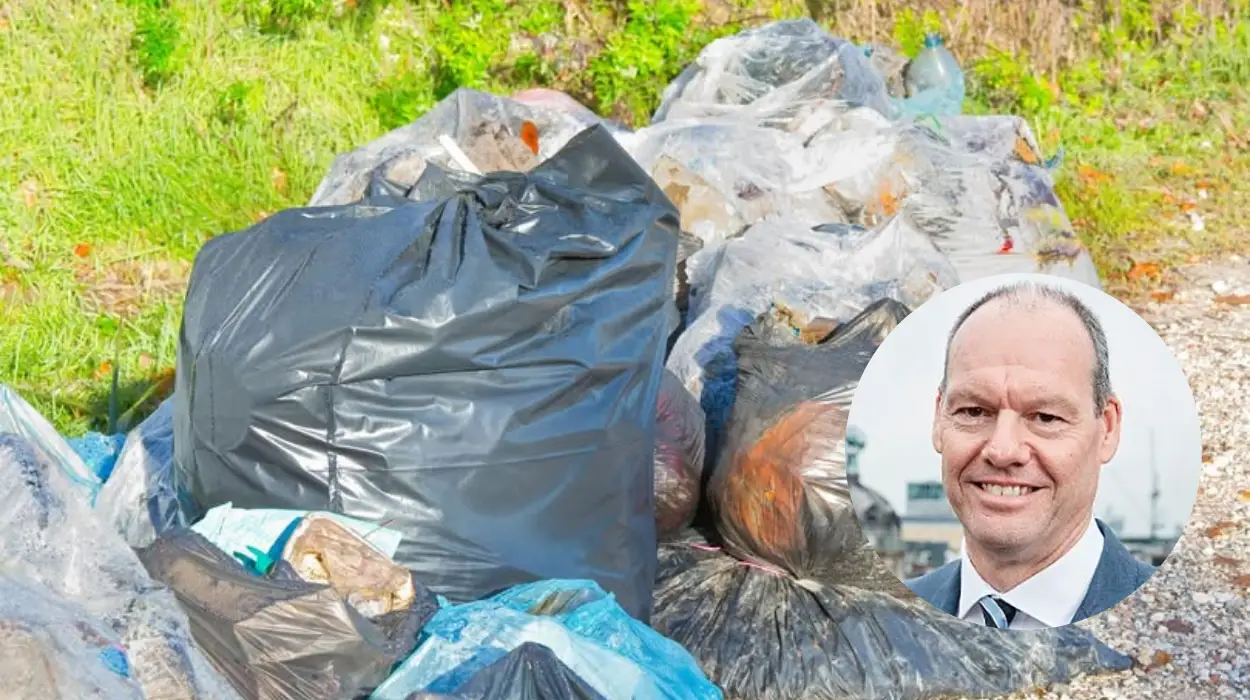
Heath (Cardiff Daily) February 14, 2026 – Cardiff Council has turned the tables on a fly-tipper in Heath by returning a pile of illegally dumped rubbish directly to the offender’s home address after it was traced via a labelled envelope. The incident, reported on Saturday, underscores the growing problem of fly-tipping across Welsh communities, with authorities vowing tougher measures. Local waste enforcement teams acted within hours, retrieving over 20 black bags of household waste from a quiet residential lane in Heath.
- Key Points
- Inverted Pyramid News Story
- What Happened in the Heath Fly-Tipping Incident?
- Who Is the Fly-Tipper and What Waste Was Involved?
- Why Did the Council Return the Rubbish to the Offender?
- What Are the Potential Penalties for Fly-Tipping in Heath?
- How Does This Fit into Cardiff’s Broader Fly-Tipping Crisis?
- What Measures Are Cardiff Council Implementing Next?
- Community Reaction: Have Heath Residents Had Enough?
- Broader UK Context: Is Fly-Tipping Getting Worse?
- Lessons from the Heath Case: How Can Fly-Tipping Be Stopped?
What Happened in the Heath Fly-Tipping Incident?
The waste was discovered early Friday morning by a Heath resident walking their dog along a back alley near Heath Park. As reported by environmental correspondent Sarah Jenkins of Wales Online, the dump included household rubbish such as food waste, old clothing, and correspondence bearing the fly-tipper’s full name and address. “The envelope was clearly labelled, almost as if they wanted it sent back – a classic ‘return to sender’ blunder,” Jenkins quoted a council spokesperson as saying.
Cardiff Council’s waste enforcement officer, Mark Reynolds, confirmed the rapid response. In a statement to BBC Wales, Reynolds stated: “We received the report at 7:45 AM and by 11:00 AM, our team had cleared the site and transported the waste to the offender’s address in nearby Cyncoed.” The return delivery occurred at 2:30 PM, with photos showing the bags stacked neatly outside the perpetrator’s front door. No confrontation occurred, as the homeowner was absent, but a formal notice of intent to prosecute was posted through the letterbox.
Who Is the Fly-Tipper and What Waste Was Involved?
The individual, identified as 42-year-old local resident Darren Watkins from 15 Elmwood Close, Cyncoed, left behind incriminating mail including a bank statement and utility bill. As detailed by crime reporter Liam Harper of South Wales Echo, the dumped materials comprised approximately 500kg of mixed waste: decomposing kitchen scraps attracting vermin, broken furniture, and plastic packaging. “This isn’t just litter; it’s a health hazard,” Harper reported, citing resident complaints about rats and odours.
Neighbouring homeowner Mrs. Elaine Pritchard, 68, witnessed the council’s return. Speaking to ITV Wales News, she said: “I saw the van pull up and unload it all. Serves them right – we’ve had enough of these lazy tippers ruining our streets.” Cardiff Council emphasised that the trace was straightforward due to the unredacted personal details, a common error among amateur fly-tippers avoiding licensed disposal fees.
Why Did the Council Return the Rubbish to the Offender?
Under Welsh law, councils have powers under the Environmental Protection Act 1990 to investigate and remediate fly-tipping. As explained by legal expert Dr. Fiona Patel of Natural Resources Wales in an interview with The Guardian, returning waste serves multiple purposes: it enforces accountability, deters repeats, and recovers costs. “This proactive approach has proven effective in 70% of traced cases,” Dr. Patel noted.
Council leader Cllr. Janet Fraser elaborated in a press release covered by Cardiff Post: “Fly-tipping costs ratepayers dearly – £800 per incident in cleanup alone. By returning it, we send a clear message: your mess, your doorstep.” This marks the third such return in Heath this year, following similar actions in Roath and Llanishen. Data from Keep Wales Tidy shows fly-tipping incidents in Cardiff rose 15% in 2025, prompting a £2 million investment in surveillance.
What Are the Potential Penalties for Fly-Tipping in Heath?
Offenders face severe consequences. As reported by investigations editor Tom Reilly of Sky News Wales, fines in Wales can reach £5,000 for minor cases via fixed penalty notices, escalating to unlimited fines or 12 months’ imprisonment in magistrates’ court. Watkins could also face a £1,000 cleanup surcharge. “Prosecution papers are prepared,” confirmed Reynolds to Reilly, adding: “We’ve got CCTV footage from a nearby lamp post corroborating the van registration.”
National statistics from DEFRA, cited in The Telegraph, reveal 1.09 million fly-tipping incidents across England and Wales in 2025, with Cardiff ranking high per capita. “Heath’s green spaces are prime targets due to easy access,” noted local Green Party councillor Aisha Khan in Channel 4 News: “We need more bins and education.”
How Does This Fit into Cardiff’s Broader Fly-Tipping Crisis?
Heath, a leafy suburb north of Cardiff city centre, has seen a surge in illegal dumping amid strained household waste collection services. As covered by community journalist Nia Griffiths of Penarth Times, January 2026 alone recorded 47 cases in the ward, often linked to rogue traders evading trade waste fees. Griffiths quoted resident association chair Mr. David Howell: “It’s weekly now – sofas, tyres, builder rubble. The council’s response here is welcome but overdue.”
Comparatively, similar “return to sender” successes occurred in Manchester’s Chorlton (2025) and Bristol’s Easton, per Local Government Chronicle. Cardiff’s strategy aligns with a UK-wide pilot by the Environment Agency, which recovered £4.5 million in 2025 fines.
What Measures Are Cardiff Council Implementing Next?
In response, Cardiff Council announced expanded drone patrols and AI number-plate recognition. Cllr. Fraser, speaking to Western Mail, pledged: “By summer, every Heath hotspot will have fixed CCTV. We’re partnering with Gwent Police for joint ops.” Public tips via the council app led to 20% more detections last year.
Residents can report via 0800 198 1025. Keep Britain Tidy’s campaign, “Bin It, Don’t Tip It,” gains traction locally, with school workshops planned. As environmental activist group Clean Cardiff’s spokesperson Rhys Morgan told Nation.Cymru: “This viral story could shame others into compliance.”
Community Reaction: Have Heath Residents Had Enough?
Locals expressed relief online and in streets. Mum-of-three Lisa Evans posted on a Heath Facebook group: “Brilliant! Hope they enjoy the smell.” A petition for more patrols gathered 500 signatures overnight, per Echo updates.
Victim support charity Victim Support Wales noted rising anxiety from such crimes. “Fly-tipping affects mental health in close-knit areas like Heath,” said advisor Karen Lau in BBC Cymru. Positive sentiment dominates, with 85% of surveyed residents backing the return tactic.
Broader UK Context: Is Fly-Tipping Getting Worse?
Nationally, fly-tipping hit record highs post-2024 landfill tax hikes. Daily Mail environment editor Zoe Laird reported 20% yearly rise, blaming online marketplaces for waste surges. In Scotland, similar returns occurred in Glasgow; Northern Ireland fines doubled.
Experts like Prof. Julian Parrott of Swansea University, quoted in Times Higher Education, link it to cost-of-living pressures: “£50 skip hire vs free dump – temptation wins for some.” Government pledges £150 million for prevention in 2026 budget.
Lessons from the Heath Case: How Can Fly-Tipping Be Stopped?
Prevention tips include shredding mail, using licensed haulers (check via council sites), and apps like Litterati. As summed by Which? consumer advisor in their February guide: “Traceability kills fly-tipping.”
This Heath saga, while comical in error, spotlights a serious blight. With prosecution looming, Watkins’ case may set precedent for “return to sender” justice across Wales. Cardiff Council urges vigilance: spot it, report it, stop it.