
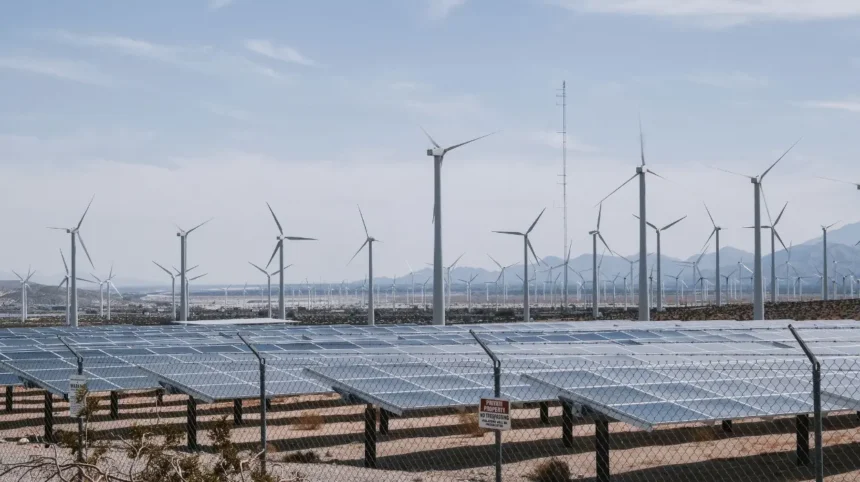
Powering the Future: Why the UK Must Embrace Long-Duration Electricity Storage
The UK’s ambitious Clean Power 2030 target requires a fundamental transformation of the electricity system. As renewable energy sources replace traditional dispatchable fossil-fuel power stations, the system faces increasing variability and uncertainty that must be managed through alternative sources of low carbon flexibility. To address the inherent intermittency challenges of variable renewable generation, a substantial expansion of long duration electricity storage (LDES) will be critical.
Multi-week storage is likely necessary to ensure security of supply where high renewables penetration creates system vulnerability during extended periods of low renewables generation in winter low wind conditions. But how will we store this energy, and what technologies will lead the charge?
Understanding the Technologies and Their Differences
Long Duration Electricity Storage is defined as storage which has a discharge duration of at least 8 hours. The technologies fall into four distinct categories: Chemical, Thermal, Mechanical, and Electrochemical. However, when looking ahead to future grid demands, the focus shifts to “ultra LDES” technologies that can deliver 100+ hours of discharge duration. The primary types and their differences include:
- Chemical Storage (Hydrogen): Hydrogen salt cavern storage is the most capable of achieving ultra LDES. It boasts high technology readiness and low costs. However, it is geographically constrained, requiring specific underground salt strata.
- Mechanical Storage: Standard Pumped Hydro Storage (PHS) and Compressed Air Energy Storage (CAES) represent the most established and proven bulk storage solutions. Typically operating in the 8 to 24-hour discharge range, PHS accounts for the vast majority of existing global energy storage capacity, while CAES utilizes underground geological caverns to store compressed air. Both offer highly reliable intra-day and multi-day balancing, though both are geographically limited by geological and topographic requirements.
- Electrochemical Storage: Flow batteries (such as vanadium redox) and metal-air systems decouple power output from energy capacity, offering scalable and modular designs. Unlike mechanical or chemical cavern storage, electrochemical systems are geographically flexible and can be sited almost anywhere. However, higher upfront capital costs per kilowatt-hour currently limit their economic viability for ultra-long durations.
- Thermal Energy Storage (TES): TES operates by converting excess electricity into thermal energy (heat or cold) stored in media such as molten salts, solid rock, or phase-change materials. When needed, this thermal energy drives a steam turbine or heat engine to regenerate electricity. Prospective designs include Pumped Thermal Energy Storage (PTES) and Carnot batteries. While TES benefits from high scalability and the potential to reuse legacy thermal power plant infrastructure, power-to-power TES systems currently suffer from lower round-trip efficiencies and lower technological maturity, meaning they have not yet made the primary shortlist for immediate large-scale deployment.
Current Progress in the UK
The UK possesses significant expertise and geographical advantages to support these emerging technologies. There is research leadership in flow battery chemistries and an established manufacturing presence, such as Invinity Energy Systems producing vanadium redox flow batteries in Scotland. For chemical storage, the UK is targeting 5 GW of green hydrogen production capacity by 2030. This will require a ramp up in electrolyser manufacturing capacity and capabilities in the UK.
At the policy level, progress is underway to incentivize development. In October 2024, the Government decided to use a Cap and Floor scheme to encourage investment in LDES. Subsequently, Ofgem published the eligibility assessment framework for projects applying to the regime.
The Future of the Low-Carbon Electricity System
Whole energy systems modelling showed that achieving the least-cost energy system requires a mix of LDES and Low Carbon Dispatchable Power (LCDP) technologies to handle different types of energy imbalances.
While short-duration batteries are easier to commercialise because they provide a wider range of system services, longer-duration technologies are crucial for multi-day storage during extended supply deficits. However, current market mechanisms are tailored towards technologies delivering in the order of eight hours discharge duration. These mechanisms are not sufficient to stimulate investment in large scale, lower utilisation assets providing ultra LDES discharge durations.
To build a cost-effective low-carbon system, we may need ways to value longer duration storage capacities. Further research into novel market designs and incentive schemes that value ultra LDES is needed. It will require market, policy, regulatory and business model innovation to ensure these vital technologies are deployed in time to support our low-carbon future.
For the full research report, please visit: UKERC Project Page.
For further details on the UK Government funding launch informed by this research, please visit: UKERC News Release.
The views expressed in this article are the author’s own and do not necessarily reflect (Cardiff Daily) editorial policy.