Cardiff’s city centre stands at a pivotal moment, where ambitious plans for new parks promise to blend historic charm with modern sustainability. These green initiatives could redefine urban living by enhancing biodiversity, boosting the local economy, and improving resident well-being.
- Historical Evolution of Urban Parks
- Current State of City Centre Greenery
- Cardiff’s Green Legacy
- Current State of City Centre Greenery
- Emerging Park Projects
- Environmental Benefits
- Boosting Public Health and Well-being
- Economic Impacts
- Community and Cultural Integration
- Challenges Ahead
- Vision for a Transformed Cardiff
Historical Evolution of Urban Parks
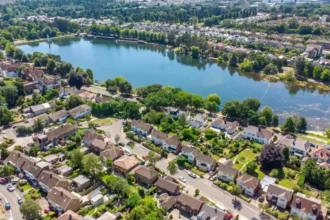
Victorian visionaries laid Cardiff’s green foundations amid rapid industrialization, transforming marshlands into structured havens that reflected civic pride. Parks like Roath Park, opened in 1894, introduced boating lakes and conservatories to counter coal port grime, drawing families to its palm house and Scott Memorial. These early efforts established a blueprint for public welfare, where open spaces countered urban density and promoted moral upliftment through leisure.
By the 20th century, interwar expansions added playgrounds and sports fields, evolving parks into multifunctional assets. Post-war philanthropy, including the Bute family’s donations, secured their perpetuity, while modern designations as historic landscapes under Cadw reinforce their irreplaceable value. This evolution underscores how past greening informs today’s ambitious city centre revival.
Current State of City Centre Greenery
The city centre boasts accessible green areas equivalent to thousands of football pitches, with 19% of Cardiff classified as public parks and open spaces—totaling 2,682 hectares managed largely by the council. Bute Park and Cathays Park remain central hubs, offering respite amid bustling streets, while Sophia Gardens across the Taff provides sports facilities and biodiversity hotspots. Yet challenges persist: aging tree stock, pests, and urban pressures limit full potential, prompting strategic interventions.
Coed Caerdydd, the council’s urban forest programme launched as part of the One Planet climate strategy, targets increasing tree canopy from 18.9% to 25% over a decade to combat climate change. Already, 20,000 trees have been planted in initial phases, including community orchards and hedgerows in deprived areas, enhancing air quality and carbon sequestration. Supplementary Planning Guidance on Green Infrastructure further mandates protection and enhancement in developments, emphasizing multifunctional spaces.
Cardiff’s Green Legacy
Cardiff has long embraced its role as one of the UK’s greenest cities, with over 550 parks, woodlands, and open spaces covering significant portions of the urban landscape. Historic sites like Bute Park, spanning 130 acres along the River Taff, originated from the grounds of Cardiff Castle and were meticulously landscaped in the late 19th century by Andrew Pettigrew under the 3rd Marquess of Bute. This Victorian-era gem, gifted to the city in 1947, features an arboretum, flower gardens, and recreation areas that continue to draw visitors for their blend of natural beauty and cultural significance.
Cathays Park, another cornerstone, began as private land in 1812 before the council acquired it in 1898 to balance recreation with civic development. Today, it hosts formal gardens such as Alexandra Gardens, Gorsedd Gardens, and Friary Gardens amid grand buildings like City Hall and the National Museum. These spaces not only preserve Edwardian layouts but also symbolize Cardiff’s commitment to integrating nature into its civic heart, setting the stage for contemporary expansions.
Current State of City Centre Greenery
The city centre boasts accessible green areas equivalent to thousands of football pitches, with 19% of Cardiff classified as public parks and open spaces—totaling 2,682 hectares managed largely by the council. Bute Park and Cathays Park remain central hubs, offering respite amid bustling streets, while Sophia Gardens across the Taff provides sports facilities and biodiversity hotspots. Yet challenges persist: aging tree stock, pests, and urban pressures limit full potential, prompting strategic interventions.
Coed Caerdydd, the council’s urban forest programme launched as part of the One Planet climate strategy, targets increasing tree canopy from 18.9% to 25% over a decade to combat climate change. Already, 20,000 trees have been planted in initial phases, including community orchards and hedgerows in deprived areas, enhancing air quality and carbon sequestration. Supplementary Planning Guidance on Green Infrastructure further mandates protection and enhancement in developments, emphasizing multifunctional spaces.
Emerging Park Projects
A flagship transformation is the redevelopment of the former Debenhams site at St David’s into a 9,500 sq m park, approved in early 2025 with a £17 million investment by Landsec. Set for a 2026 opening, this landscaped square will feature native trees, indigenous plants, a family splash pad, performance stage, and spaces for markets and events, directly addressing resident demands where 75% prioritized green access. Positioned in the heart of the shopping district, it aims to knit nature into retail vibrancy.
Broader council visions include new public greens at Callaghan Square, Lloyd George Avenue, and the Taff River Embankment, alongside retrofitting grey paving with rain gardens and sustainable drainage. Eleven additional parks gained protection in 2025, ensuring 69% of residents live near safeguarded play and sports spaces, selected for high-need communities. Projects like Greener Grangetown demonstrate success, adding 127 trees, 1,700 sq m of green space, and 108 rain gardens to manage surface water.
Environmental Benefits
New parks promise profound ecological gains, starting with biodiversity boosts from native planting and green corridors that support pollinators and wildlife. Coed Caerdydd’s tree expansion will absorb CO2, mitigate urban heat islands, and improve air quality in dense areas. Rain gardens in Central Square and similar sites already reduce sewer overflow by diverting 4.4 hectares of surface water, preventing floods amid intensifying Welsh rainfall.
These initiatives align with net-zero by 2030 goals, where expanded canopies and SuDS cool streets, enhance soil health, and foster resilient ecosystems. Historic parks like [Cathays Park](Cathays Park) will integrate with newcomers via pedestrian links and traffic calming, creating a connected green network that buffers climate extremes.
Boosting Public Health and Well-being
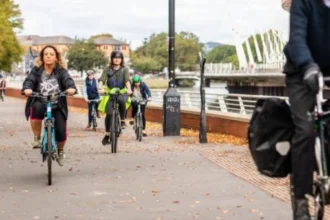
Urban greenery directly elevates mental and physical health, offering spaces for exercise, relaxation, and social bonds essential in a post-pandemic world. Bute Park’s paths see families cycling and grieving loved ones finding solace, underscoring parks’ therapeutic role. New central parks will extend this, with splash pads and event stages encouraging active lifestyles and community events.
Protected sites ensure equitable access, particularly in poverty-hit zones, where 21 safeguarded areas now promote play and sports. Studies affirm such proximity reduces stress, combats obesity, and strengthens social ties, positioning Cardiff as a wellbeing leader. Integrating [Bute Park](Bute Park) with city core via better connectivity will amplify daily nature exposure for office workers and shoppers.
Economic Impacts
Greening catalyses economic vitality by drawing tourists and shoppers to vibrant, Instagram-worthy spaces. The St David’s park, comparable to 1.5 football pitches, is projected to elevate retail footfall and brand growth through leisure integration. Historic assets like Bute Park already rank among top attractions, hosting concerts and drawing global visitors.
Council plans forecast job creation in maintenance, events, and eco-tourism, while property values rise near enhanced greens. Greener Grangetown’s £8.4 million in wider benefits, from safer junctions to biodiversity, exemplify return on investment. A greener centre supports Cardiff’s parking strategy, prioritizing cycles and pedestrians to sustain a dynamic economy.
Community and Cultural Integration
Cardiff’s parks evolve as cultural hearts, from Bute Park’s sculptures and Stuttgart friendship garden to future stages hosting markets. Public consultations shaped St David’s, reflecting 5,000 residents’ input for inclusive design. Volunteers and rangers maintain these, fostering ownership.
New protections and orchards engage schools and groups, embedding education on biodiversity. This cultural weave, linking Victorian roots to modern events, ensures parks as communal living rooms.
Challenges Ahead
Despite momentum, hurdles like funding, maintenance, and urban density loom. Aging infrastructure demands ongoing investment, as seen in Bute Park’s £5.6 million restoration. Pests and storms threaten trees, necessitating resilient species. Balancing development with preservation requires vigilant planning.
Yet, partnerships with developers and charities like Fields in Trust fortify efforts. Phased implementation, local consultations, and adaptive strategies will navigate these.
Vision for a Transformed Cardiff
Envision a city centre where seamless green threads connect Bute Park to St David’s square, Taff embankments alive with life. This network not only greens the urban fabric but reimagines Cardiff as a sustainable, thriving hub. By prioritizing parks, the city invests in enduring prosperity, health, and harmony with nature.